

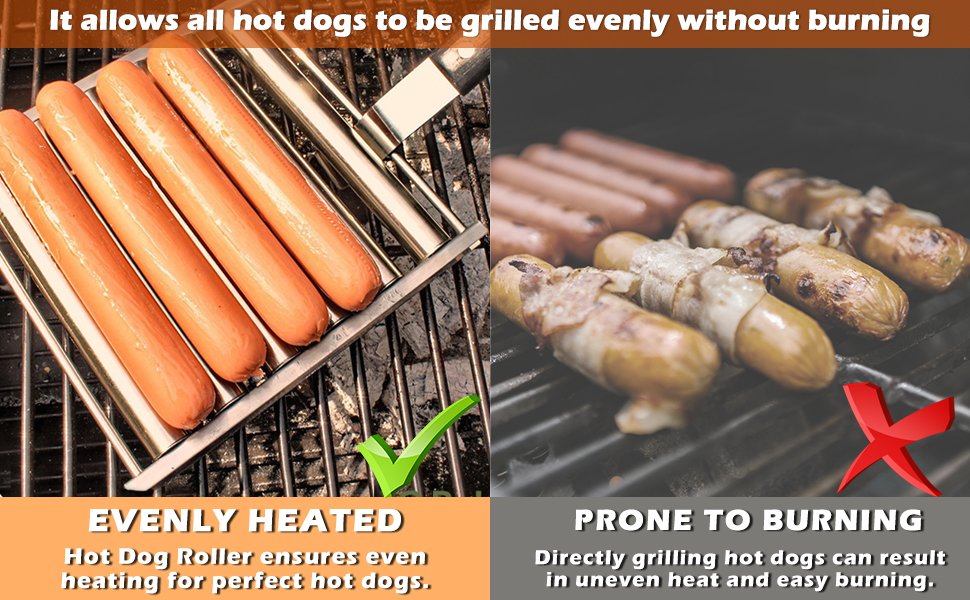
Use steady, moderate heat, the right pan, and simple habits to cook food evenly without burning.
I’ve spent years cooking for friends, family, and small events, and I know how frustrating it is when a dish is burnt on the outside and raw inside. This guide on how to cook food evenly without burning brings clear steps, tested techniques, and practical tips you can use tonight. I’ll walk you through heat control, cookware, prep, and troubleshooting with hands-on advice and easy-to-follow steps so your food cooks through evenly and stays delicious.

Understand heat: the core of even cooking
Heat is the main reason food burns or cooks unevenly. High heat can brown the outside fast while the center stays raw. Low heat may cook through but not brown or crisp. To learn how to cook food evenly without burning, you must think about how heat moves.
Key points to remember:
- Heat source matters. Gas gives fast changes. Electric coils hold heat longer.
- Conduction, convection, and radiation move heat in food. Thick pans conduct heat better.
- Match heat to the food. Thin cuts need medium heat. Thick pieces need lower heat and more time.
I learned early that watching the pan is not the same as controlling the heat. A change of one notch on the stove can mean the difference between even cooking and a burnt crust. When you want to know how to cook food evenly without burning, start by setting and testing the heat, not guessing.
Choose the right cookware
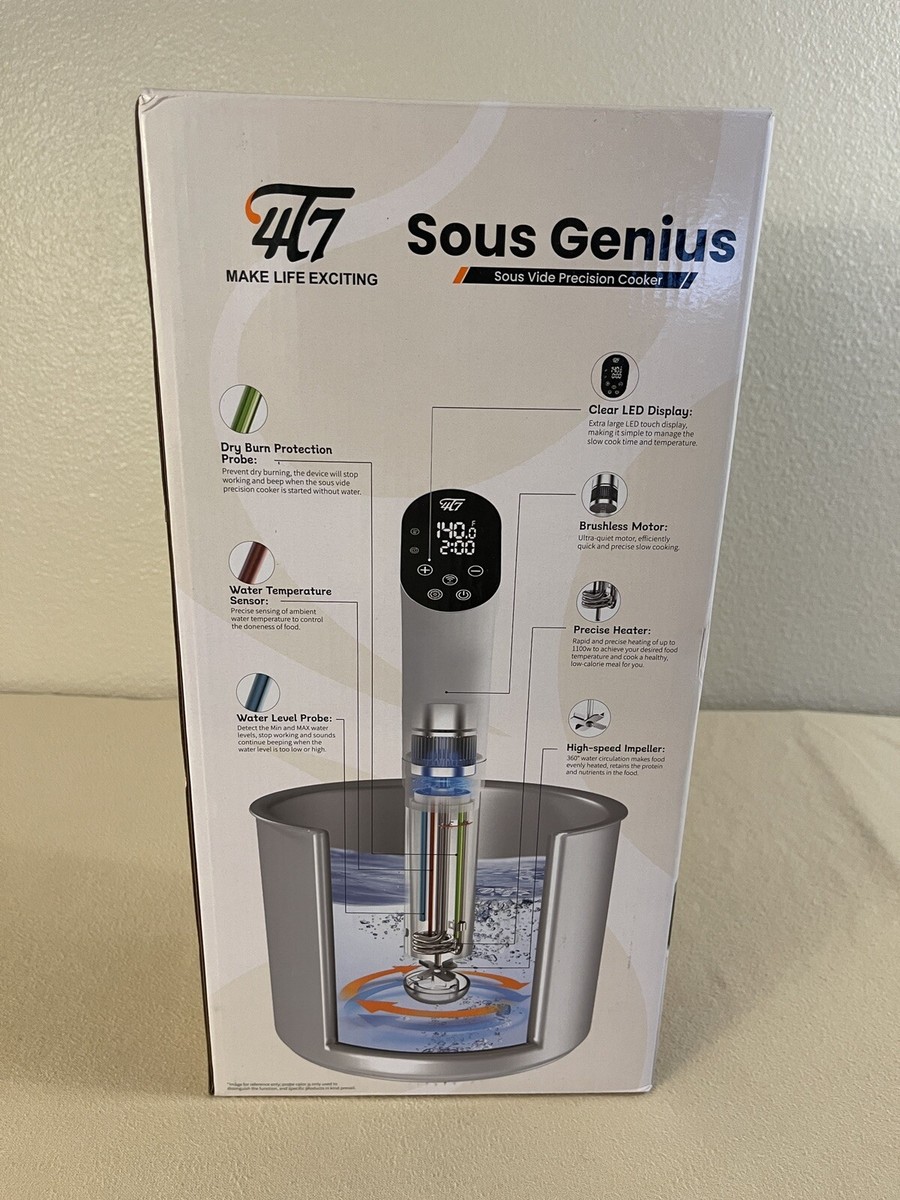
Good cookware changes how heat hits your food. Some pans heat hot spots. Others spread heat evenly. Choosing the right pan is one of the easiest ways to learn how to cook food evenly without burning.
What to use:
- Heavy-bottomed pans for even heat. Cast iron and stainless steel with thick bases work well.
- Nonstick pans for delicate foods. They let you cook on lower heat.
- A lid for thick pieces. Trapping steam helps cook through without a sear that burns.
- Oven-safe pans let you start on the stove and finish in the oven for even doneness.
A cast iron pan taught me patience. It heats slowly but keeps a steady heat. That steady heat made it easier to cook steaks evenly without burning the edges. If a pan has hot spots, lower the heat and move food more often.

Prep and portion for even cooking
How you prep food affects how it cooks. Even size and dry surfaces are simple fixes that make a big difference in learning how to cook food evenly without burning.
Prep checklist:
- Cut pieces to similar size so they finish at the same time.
- Pat proteins and vegetables dry. Moisture leads to steam and uneven browning.
- Bring meats to room temperature for 15–30 minutes before cooking.
- Season just before cooking to avoid drawing out too much moisture.
Once, I cut chicken unevenly and ended up with dry slices and pink centers. After that, I started checking sizes and drying pieces. That small change cleared up uneven cooking every time.

Control the cooking process: techniques that work
Good technique is the best defense against burning. Slow and steady often wins. Use these methods when learning how to cook food evenly without burning.
Techniques to use:
- Sear then finish: Brown on high heat, then lower heat or move to the oven to finish.
- Use a lid to trap heat when cooking thicker items.
- Flip and rotate food regularly to avoid hot spots.
- Use a thermometer for proteins to avoid guessing.
- Rest proteins after cooking so juices redistribute and cooking evens out.
I use a meat thermometer when cooking roasts and thick fish fillets. It saved many dishes from overcooking or undercooking. The sear-then-finish method is my go-to for a nice crust and even inside.

Use the right heat settings and timing
Knowing what heat level to use is key. Here’s a simple guide to help you choose heat for common tasks and learn how to cook food evenly without burning.
Heat guide:
- Low heat: simmering sauces, melting butter, gentle cooking for delicate eggs.
- Medium-low: slow cooking vegetables, finishing thick cuts, melting chocolate.
- Medium: most pan-cooking like sautéing and pan-frying.
- Medium-high: quick searing of thin cuts.
- High: quick char or sear for very thin cuts; avoid long exposure to high heat.
Timing tips:
- Preheat pans so food starts cooking evenly when it hits the surface.
- Start with slightly lower heat if unsure, then increase if needed.
- Use visual and tactile cues: bubbling around the edges, juices rising, or a golden crust.
I used to crank heat to rush dinner. That caused burned edges and raw centers. Lowering the heat and adding a few extra minutes solved it every time.

Use the oven and other tools for even doneness
The oven gives even heat from all sides. It’s a great friend when you want to know how to cook food evenly without burning.
Ways to use the oven:
- Finish thick pans in the oven after searing for even cooking.
- Roast vegetables at moderate heat so they soften before browning.
- Use a baking stone for even heat in breads and pizzas.
- Try indirect heat for large cuts: sear then low-roast.
Other helpful tools:
- Thermometers: instant-read or probe for accuracy.
- Baking racks: lift food so hot air circulates.
- Splatter guards and lids to control moisture and heat.
I often sear pork chops and finish them in a 375°F oven. It gives a good crust and an even inside without burning the outside.

Troubleshooting common problems
Even experienced cooks hit snags. Here are clear fixes for common issues and how to cook food evenly without burning when things go wrong.
Problems and fixes:
- Food browns too fast but is raw inside: lower heat, cover, finish in oven.
- Burned bottom with raw top: use a lower heat and a heavier pan, or flip and cover.
- Food sticks and tears: preheat pan, use oil, and don’t move food too soon.
- Uneven browning: check burner size and rotate food or use a heat diffuser.
One time my pancakes browned too fast. I turned heat down and used a nonstick pan. The result was even color and a soft inside.
Simple recipes to practice even cooking
Practice helps. Try these easy tests to learn how to cook food evenly without burning.
Practice ideas:
- Pan-seared salmon: medium heat, oil, sear skin side down, finish in oven.
- Oven-roasted vegetables: toss with oil, roast at 400°F, turn halfway.
- Thick chicken breast: pound to even thickness, sear, finish covered at medium heat.
- One-pan stovetop meal: use a lid and low heat to cook through without burning.
Doing short practice runs builds skill. Start with small portions and adjust heat and times as you learn your stove and pans.
Frequently Asked Questions of how to cook food evenly without burning
Why does my pan-seared chicken burn on one side?
Uneven burner heat or a hot spot in the pan can cause that. Try moving the pan, rotating the food, or lowering the heat to cook more evenly.
Can I use nonstick for high-heat searing?
Nonstick is not ideal for high heat; it can degrade and release fumes. Use a heavy stainless or cast iron pan for searing and keep nonstick for low to medium heat.
How do I prevent vegetables from burning while roasting?
Cut vegetables to similar sizes, toss in enough oil, and turn them halfway through cooking. Roast at a moderate temperature to cook inside before burning outside.
Is it better to cook low and slow or high and fast?
Both have uses. Low and slow cooks thicker items evenly without burning. High and fast gives a quick crust to thin cuts but risks burning if left too long.
How often should I flip meat to avoid burning?
Flip once or twice for most cuts. Frequent flipping can help when heat is high, but a proper sear often needs a brief undisturbed time. Use a thermometer to check doneness.
Conclusion
Cooking evenly without burning is a mix of good tools, proper prep, and steady heat control. Use the right pan, prep pieces to match, monitor heat, and use the oven when needed. Practice the simple techniques here, and you will see steady improvement in how your food cooks.
Try one tip tonight: lower the heat and give your food a little more time. Share what worked or ask a question in the comments. If you liked this guide, subscribe for more practical cooking tips and recipes.
