

A simple cooking temperature guide for beginners helps you cook safely and get perfect results.
I’ve spent years cooking for friends and testing kitchen tips, so I know how confusing temperatures can feel. This cooking temperature guide for beginners breaks down safe internal temps, oven rules, thermometer use, and easy tips you can trust. Read on for clear steps, real mistakes I made, and practical examples that help you cook with confidence.

Understanding why temperature matters
Temperature controls taste, texture, and safety. Heat kills harmful bacteria and transforms proteins and starches. This cooking temperature guide for beginners explains which temps make food safe and which temps make food tasty.
I once served undercooked chicken to guests. After that, I relied on a thermometer and learned to trust numbers over guesswork. That small habit stopped most kitchen worries and helped me get consistent results.
Essential safe internal temperatures
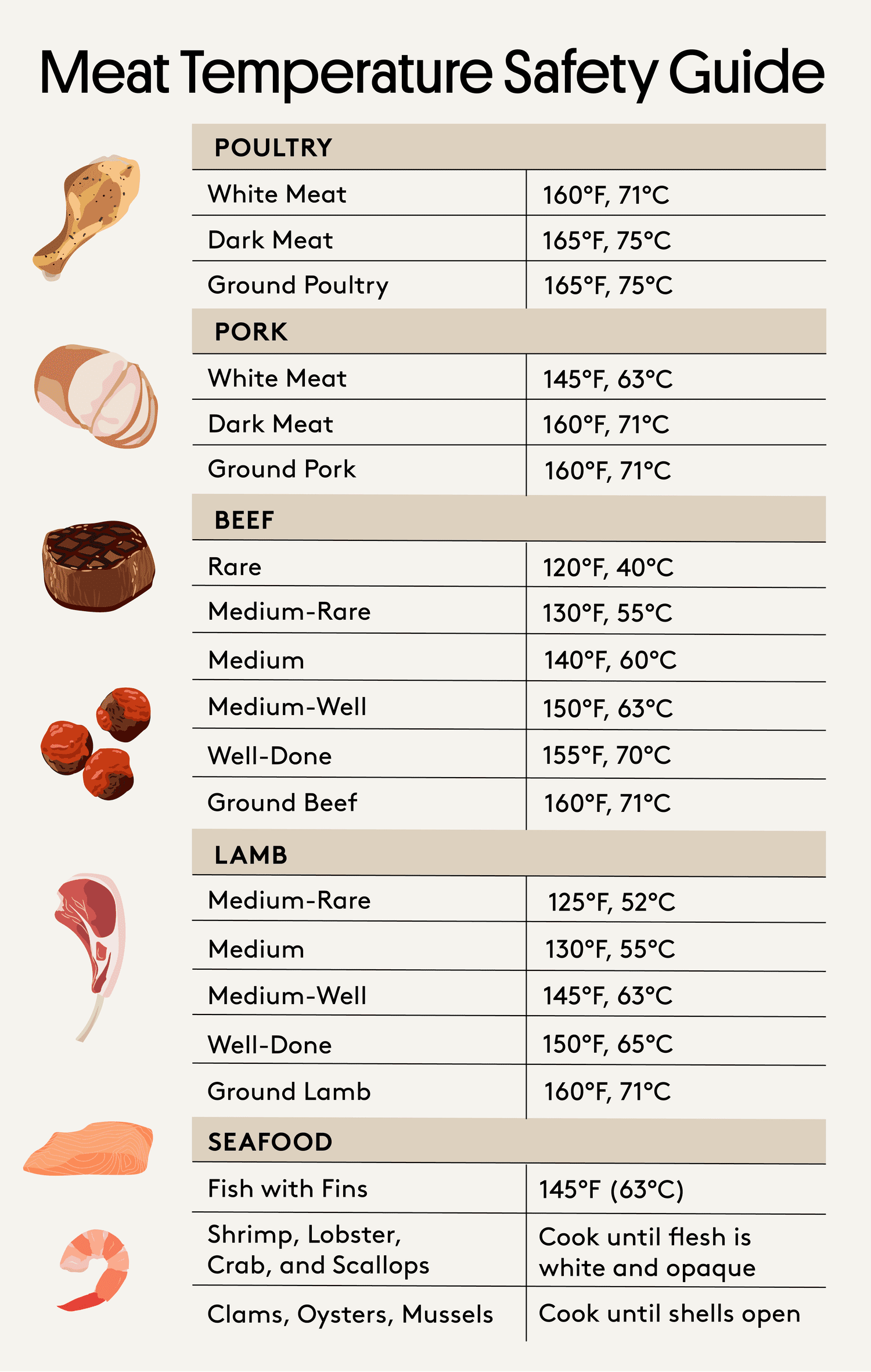
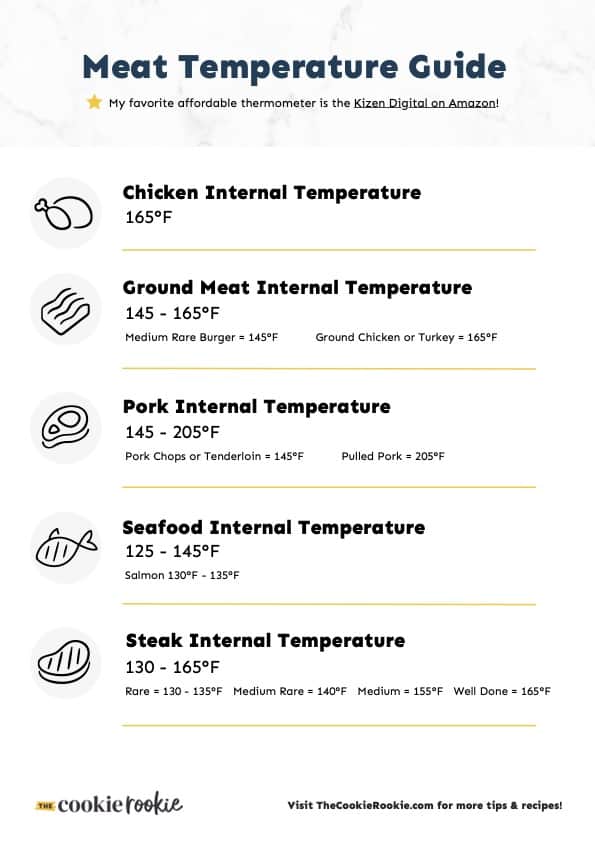
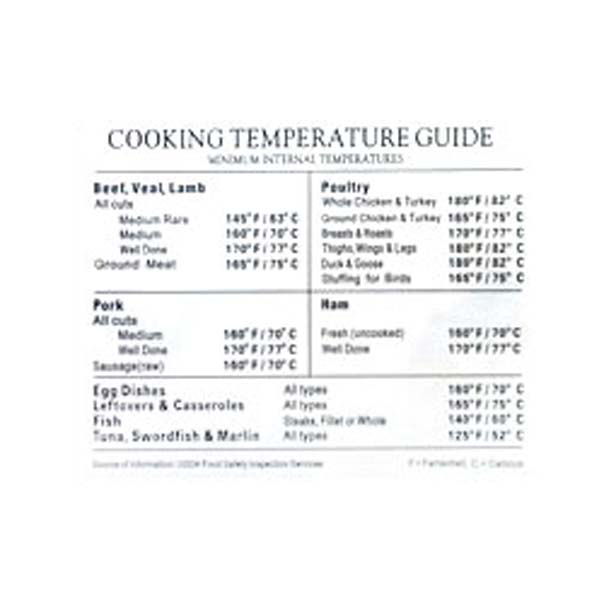
Knowing safe internal temperatures is the core of any cooking temperature guide for beginners. Use a reliable instant-read thermometer and check the thickest part of the food.
- Poultry: 165°F (74°C) for all poultry and stuffing.
- Ground meats: 160°F (71°C) for beef, pork, lamb, and veal.
- Whole cuts of beef, pork, lamb: 145°F (63°C) and rest 3 minutes.
- Fish: 145°F (63°C) or until flesh is opaque and flakes easily.
- Eggs and egg dishes: Cook until whites and yolks are firm; 160°F (71°C) for custards.
- Leftovers and casseroles: 165°F (74°C).
Follow these temps in this cooking temperature guide for beginners to avoid undercooking and foodborne illness.

How to use a thermometer correctly
A thermometer is your best friend in the kitchen. Here’s how to use it with confidence.
- Choose the right tool: Use an instant-read digital thermometer for quick checks. Use a probe thermometer for roasting.
- Where to read: Insert into the thickest part, away from bone, fat, or the pan. For burgers, check the center.
- Wait time: Instant-read gives a quick stable number in a few seconds. For large roasts, leave the probe in while resting.
- Calibration: Drop the probe in ice water (32°F/0°C) and boiling water (212°F/100°C) to check accuracy. Adjust if needed.
Practicing these steps made my meals safer and more consistent. This cooking temperature guide for beginners puts thermometer use front and center.

Cooking methods and temperature control
Different methods need different temperature thinking. This part of the cooking temperature guide for beginners shows how heat affects outcome.
- Oven roasting: Use steady dry heat. High temps brown the outside, lower temps cook more evenly.
- Pan searing: Start hot to form a crust, then lower heat to finish inside.
- Grilling: Direct high heat for sear marks; indirect lower heat for larger cuts.
- Sous-vide: Precise low temps for consistent doneness; finish by searing.
- Braising and stewing: Low, slow, and moist cooks tough cuts until tender.
Mastering these methods helps you hit the right internal temps without drying food.

Baking and roasting temperature basics
Baking and roasting use set oven temps. Here are simple ranges to follow in your cooking temperature guide for beginners.
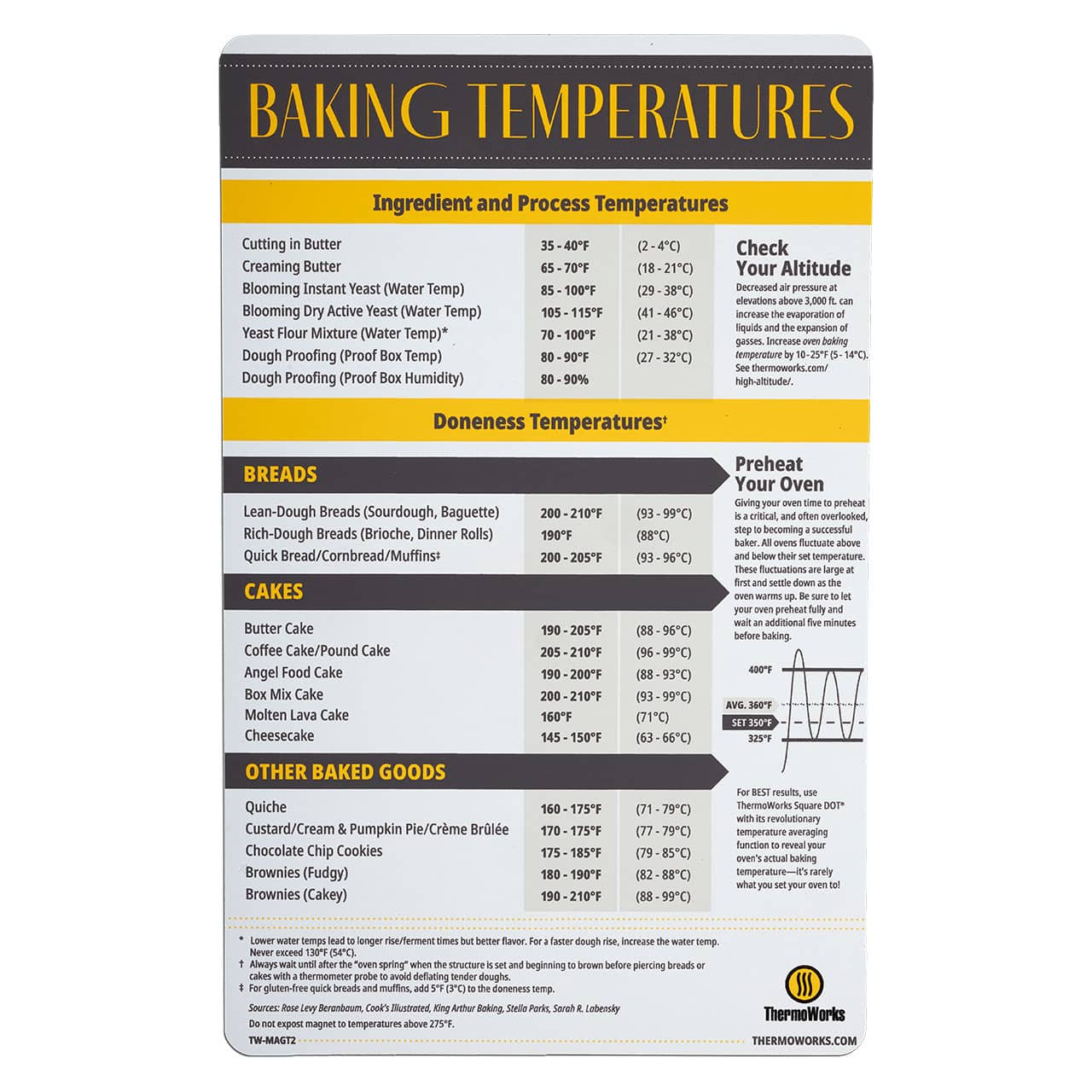
- Low temperature baking: 275–325°F (135–163°C) for gentle, even cooking.
- Moderate temperature: 325–375°F (163–190°C) for cakes, casseroles, and many roasts.
- High temperature roasting: 400–450°F (204–232°C) for browning and crisp crusts.
- Quick breads and cookies: 350–375°F (177–190°C).
- Pizza and breads: 450–500°F (232–260°C) for a crisp crust.
Use an oven thermometer to check your real oven temp. Small ovens often run hot or cold. This small fix improved my bakes instantly.
Common mistakes and troubleshooting
Beginners often make the same temperature errors. This cooking temperature guide for beginners helps you avoid them.
- Relying on time alone: Time varies by size and oven. Always use a thermometer.
- Checking too early: Meat continues to cook while resting. Pull roasts a few degrees below target for perfect doneness.
- Crowding the pan: Too many pieces lower temperature and cause steaming instead of browning.
- Not preheating: For even baking and searing, the oven or pan needs proper heat.
- Misreading the thermometer: Stick the probe in the wrong spot near bone or fat.
When I learned to stop guessing and start measuring, my results improved fast.

Quick tips for beginners
Small habits make a big difference in this cooking temperature guide for beginners. Try these simple tips.
- Always preheat oven and pans.
- Invest in a quality instant-read thermometer.
- Let meat rest after cooking for juicier results.
- Use consistent portion sizes for even cooking.
- Keep a temperature chart on your fridge for quick reference.
These tips are easy to adopt and solve common problems quickly.
Frequently Asked Questions of cooking temperature guide for beginners
What internal temperature should I cook chicken to?
Cook all poultry to 165°F (74°C) to ensure safety. Check the thickest part without touching bone.
How do I know when steak is done?
Use an instant-read thermometer: rare 125°F, medium-rare 135°F, medium 145°F. Let steak rest 3–5 minutes to finish cooking.
Can I rely on color to check doneness?
Color is not reliable, especially for ground meats and poultry. Use a thermometer for safe and accurate results.
What temperature should fish reach?
Cook fish to 145°F (63°C) or until opaque and flakes easily with a fork. Thinner fillets cook quickly and need careful timing.
How long should meat rest after cooking?
Rest for 3–10 minutes depending on size. Resting lets juices redistribute and raises internal temp a few degrees.
Conclusion
This cooking temperature guide for beginners gives clear rules, practical tips, and simple steps you can use tonight. Start using a good thermometer, follow safe internal temps, and learn how different methods affect heat. Try one new tip on your next meal and notice the difference.
Ready to cook with confidence? Try a thermometer test tonight, leave a comment with your results, or subscribe for more easy guides.
