

Most often, uneven heat, thick pieces, or wrong cookware cause food to undercook inside.
I’ve spent years cooking, testing, and teaching kitchen basics, so I know why food undercooks inside and how to fix it. This guide breaks down the science, common mistakes, and clear fixes so you stop getting raw centers and start serving evenly cooked meals every time. Read on to understand causes, solutions, and safe practices you can use tonight.
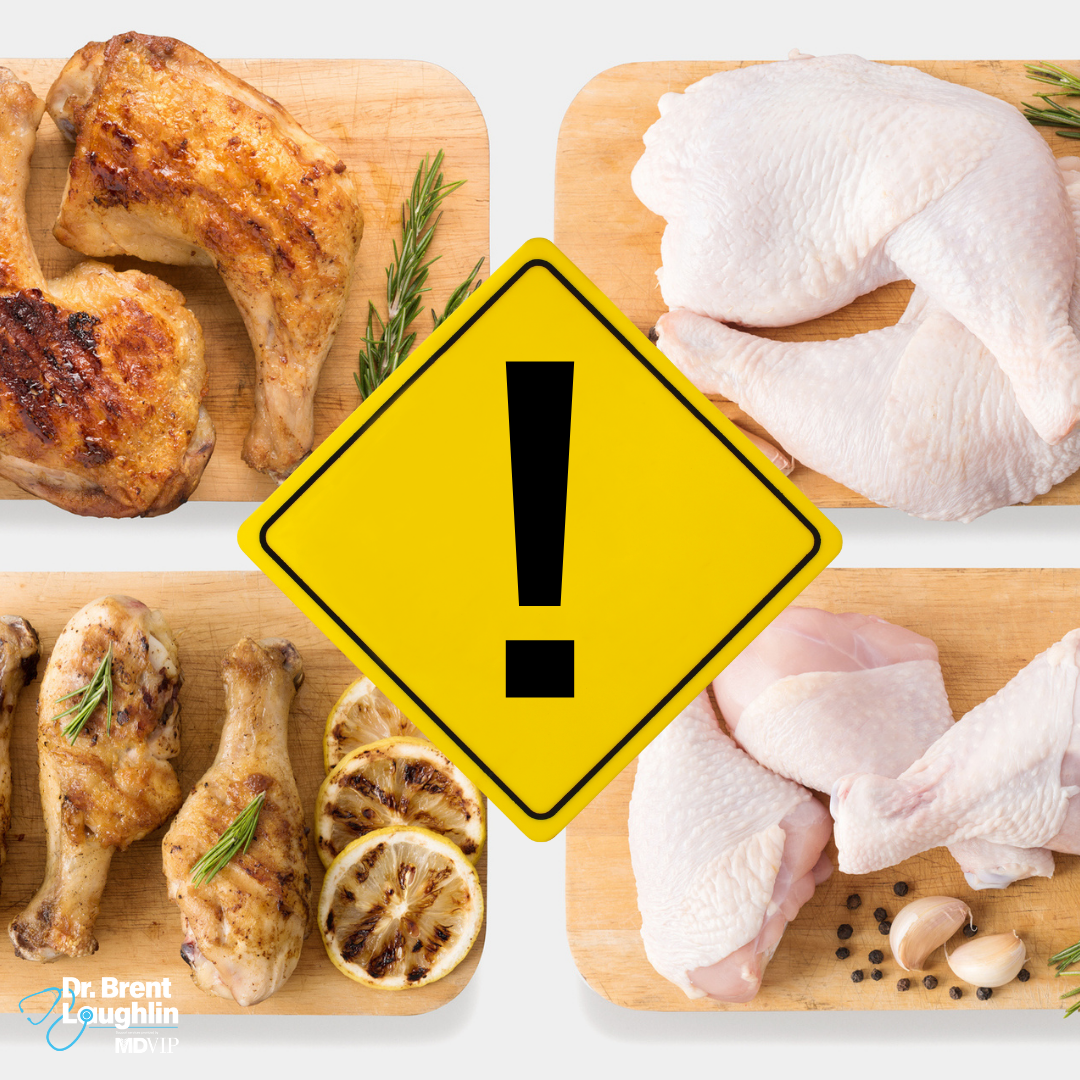
Common reasons food undercooks inside
Food undercooks inside mainly because heat doesn’t reach the center. Thick cuts, cold interiors, and poor heat transfer all slow internal cooking. When the outside heats too fast, the inside can stay raw while the exterior looks done. This problem shows up in meat, bread, casseroles, and dense vegetables.
Key culprits include:
- Thick pieces that trap cold in the middle and need more time.
- High oven or pan temperatures that brown the surface before the center heats.
- Crowded pans or stacked food that block airflow.
- Cold ingredients placed directly into hot oil or oven.
- Wrong cookware with poor heat conduction.
I’ve seen chicken breasts sear perfectly but stay pink inside because they were too thick and cooked too fast. Understanding these common reasons helps you avoid the same mistakes and fix why food undercooks inside.

How heat moves and why that matters
Heat moves by conduction, convection, and radiation. Conduction heats from contact, so thick pieces rely on slow internal conduction. Convection uses moving hot air or liquid and speeds even cooking. Radiation browns surfaces faster and can mislead you about doneness.
Practical takeaways:
- Slow, even heat lets conduction reach the center.
- Convection ovens and circulating air reduce cold spots.
- High surface heat makes the outside look done while the center lags.
I test these ideas often by comparing a standard oven to a convection oven. Convection usually reduces the times I worry about why food undercooks inside because it moves heat more evenly.
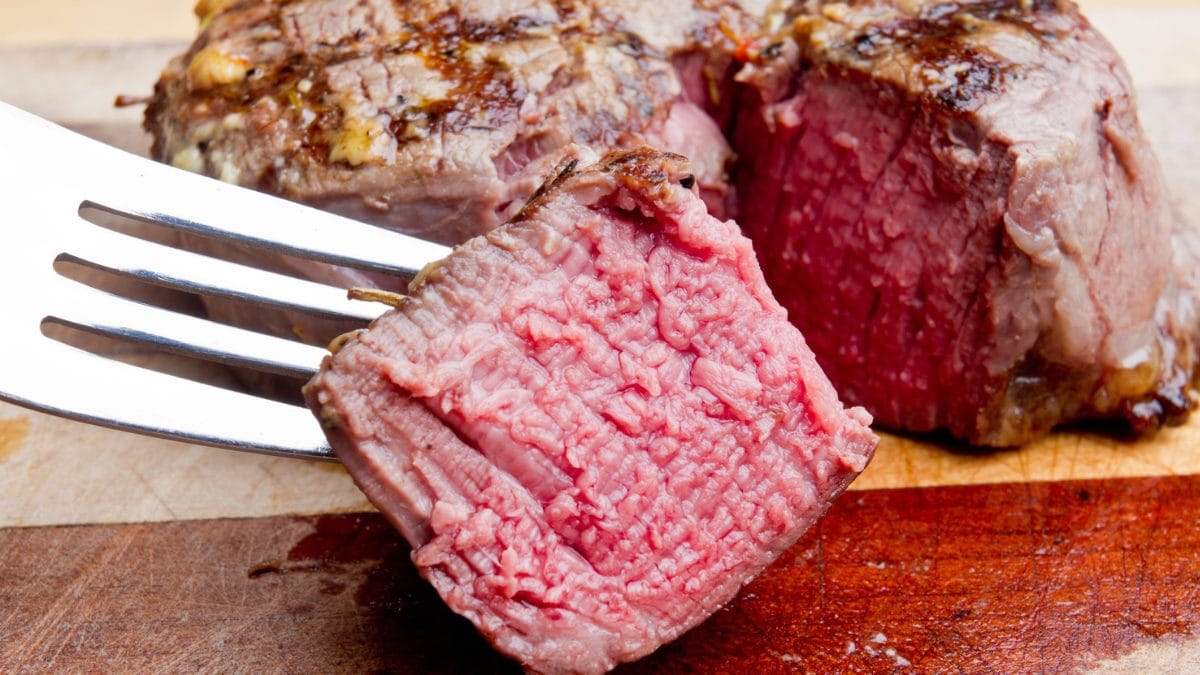
Equipment and technique mistakes that cause undercooking
Old or wrong equipment can create uneven heat. A miscalibrated oven, thin pans, or a microwave without turntable can all cause interior undercooking. Technique problems also matter: crowding pans, not preheating, and starting with very cold food are frequent offenders.
Common fixes:
- Use an oven thermometer to check your oven’s real temperature.
- Preheat the oven and pans fully before cooking.
- Avoid stacking or packing items; give space for air to move.
- Bring large cuts or frozen foods closer to room temperature before cooking.
- Use heavy-bottom pans for even conduction.
I once used a thin pan to roast vegetables and got burned edges and raw cores. Switching to a heavy pan and spacing the veggies fixed the problem and showed me how much equipment matters for why food undercooks inside.
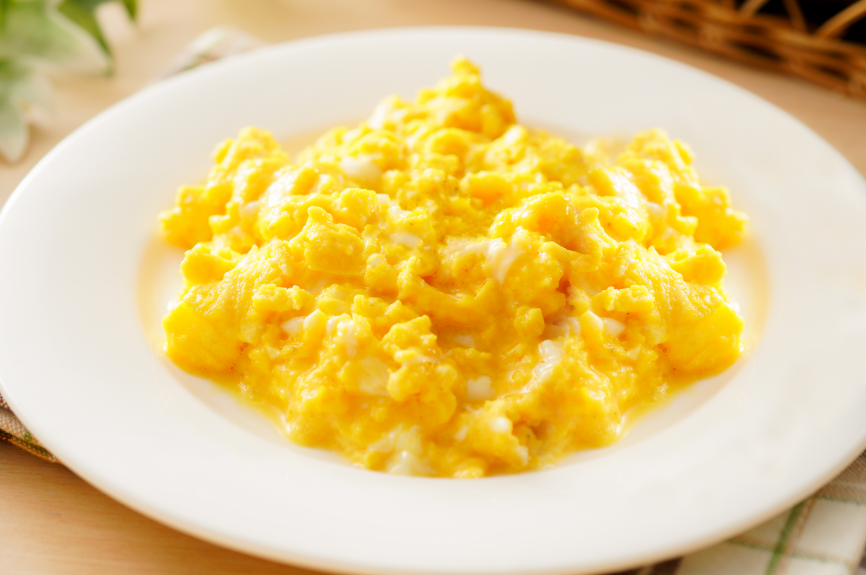
Food-specific causes and solutions
Different foods need different approaches. Here’s what I’ve learned for common troublemakers.
Meat
- Thick steaks and chicken can brown outside while staying raw inside. Pound or butterfly large cuts to even thickness, or use lower heat and finish in the oven. Always check internal temperature with a thermometer.
Bread and baked goods
- Dense loaves or underbaked centers come from overbrowning or ovens that run hot. Use lower temperature and longer bake time. Test with a skewer or thermometer to confirm doneness.
Casseroles and lasagnas
- Deep dishes often cook unevenly. Cover with foil to trap heat, bake longer at a moderate temp, and let rest so heat continues to move inward.
Microwave cooking
- Microwaves heat water molecules more than fat, causing uneven heating. Stir, rotate, and let food stand to let heat even out.
Vegetables and roots
- Dense roots need more time and moisture. Parboil or slice thinly before roasting to avoid raw centers.
These targeted solutions directly address why food undercooks inside for each food type. I regularly test different methods and confirm internal temperatures to ensure consistent results.

How to test doneness and ensure safety
A reliable thermometer is your best tool. Visual cues can mislead you. Use these fast checks to prevent undercooking.
Practical steps:
- Insert an instant-read thermometer into the thickest part of meat; follow safe internal temps.
- For baked goods, a skewer or digital probe should come out clean or reach the recommended temperature.
- Let food rest; carryover heat will continue to cook the interior for several minutes.
- Cut into a test piece only when needed; constant slicing drains juices and can extend cooking time.
I always use a thermometer for meat and dense casseroles. It saved meals and gave me confidence about why food undercooks inside and how to avoid it.
Simple changes that fix most problems
Small habit shifts often solve the issue of undercooked centers. Try these simple changes and you’ll see better results.
Try this checklist:
- Preheat thoroughly and use a reliable thermometer.
- Make pieces uniform in size so they cook at the same rate.
- Reduce oven temp slightly and add time for dense items.
- Use a heavy pan or cover dishes to encourage even heat.
- Rotate pans and stir microwaved dishes to prevent cold pockets.
These basic moves address why food undercooks inside without complex tools. I use this checklist on busy nights and it helps me avoid raw centers every time.

Troubleshooting common kitchen scenarios
If your food undercooks inside, diagnose quickly with these steps.
Step-by-step guide:
- Check the internal temperature to confirm undercooking.
- Inspect cookware and oven calibration.
- Note the size and shape of pieces causing problems.
- Adjust heat, increase cook time, or modify prep (slice, pound, or parboil).
- Re-test and allow resting time before serving.
When I troubleshoot, I start with temperature and thickness. Those two factors explain most cases of why food undercooks inside and they point to the fastest fix.

Frequently Asked Questions of why food undercooks inside
Why does the center stay raw while the outside is brown?
Uneven heat transfer causes the outside to brown faster than the middle heats. Lowering the heat and cooking longer helps the center catch up.
Can I fix undercooked meat by turning up the heat?
Turning up heat often makes the outside burn while the center stays raw. It’s better to lower heat and increase cooking time or finish in the oven.
Does a convection oven prevent undercooking?
Convection ovens circulate hot air and can reduce cold spots, but proper time and temperature are still important. They help but don’t completely eliminate the issue.
Why does microwave food feel cold in the center?
Microwaves heat water molecules unevenly, creating hot and cold spots. Stirring, rotating, and letting food rest improves evenness.
Is a thermometer necessary to avoid undercooking?
Yes. Thermometers give a clear, reliable measure of internal doneness and are the best way to stop guessing. They remove doubt about why food undercooks inside.
How long should I let food rest after cooking?
Resting for 5 to 15 minutes allows heat to move inward and juices to redistribute. This carryover heat often finishes cooking the center.
Conclusion
Most cases of why food undercooks inside come down to uneven heat, thick pieces, and technique. Use a thermometer, preheat properly, make pieces uniform, and prefer lower heat with longer cook times to get steady results. Try the practical tips here on your next meal and notice the difference in texture and safety. If this helped, leave a comment with your kitchen challenge or subscribe for more tested tips to improve your cooking.
