

Experiencing a flickering or no power light on your rice cooker can be frustrating, but many issues are simple to resolve. This guide will walk you through common causes and provide step-by-step solutions to get your rice cooker back in working order. Don’t throw it away yet! With a few basic checks, you might be able to fix it yourself.
Fixing Rice Cooker with Flickering or No Power Light
Few things are as disappointing as reaching for your trusty rice cooker, ready to whip up a delicious meal, only to find the power light is flickering or completely absent. It’s a common problem, and before you resign yourself to takeout or a pot on the stovetop, know that many rice cooker power issues are surprisingly easy to fix. This comprehensive guide will help you troubleshoot and repair your rice cooker so you can enjoy perfectly cooked rice again.
We’ll cover everything from the simplest checks to more involved troubleshooting steps. You’ll learn how to identify potential problems with the power source, the cord, and the cooker itself. By the end of this guide, you’ll be equipped with the knowledge to get your rice cooker humming back to life.
Key Takeaways
- Check the Power Source First: Always begin by ensuring the electrical outlet and the power cord are functioning correctly.
- Inspect the Power Cord for Damage: Frayed or damaged power cords are a common cause of electrical issues and pose a safety hazard.
- Clean the Rice Cooker’s Exterior and Interior: Food debris or water can interfere with electrical connections, especially around the base and heating element.
- Verify the Lid is Properly Closed: Many rice cookers have safety mechanisms that prevent operation if the lid isn’t securely shut.
- Test the Outlet with Another Appliance: This simple test quickly confirms if the problem lies with the outlet itself.
- Understand Internal Component Risks: While some fixes are DIY, internal electrical components require caution or professional help.
Step 1: The Most Obvious – Check the Power Source
This might sound too simple, but you’d be surprised how often a flickering or absent power light is due to an issue outside the rice cooker itself. Before you even touch your appliance, let’s rule out the basics.
Check the Electrical Outlet
Is the outlet working? The best way to find out is to plug in another small appliance that you know works, like a lamp or a phone charger. If that appliance doesn’t turn on, the problem is with the outlet, not your rice cooker. You might need to check your home’s circuit breaker if multiple outlets in the area are dead.
Test Another Outlet
If the first outlet worked fine with another device, try plugging your rice cooker into a different, known-good electrical outlet. Sometimes, an individual outlet can go bad without affecting others. This is a quick and easy way to see if the issue is isolated to one spot.
Step 2: Inspect the Rice Cooker’s Power Cord
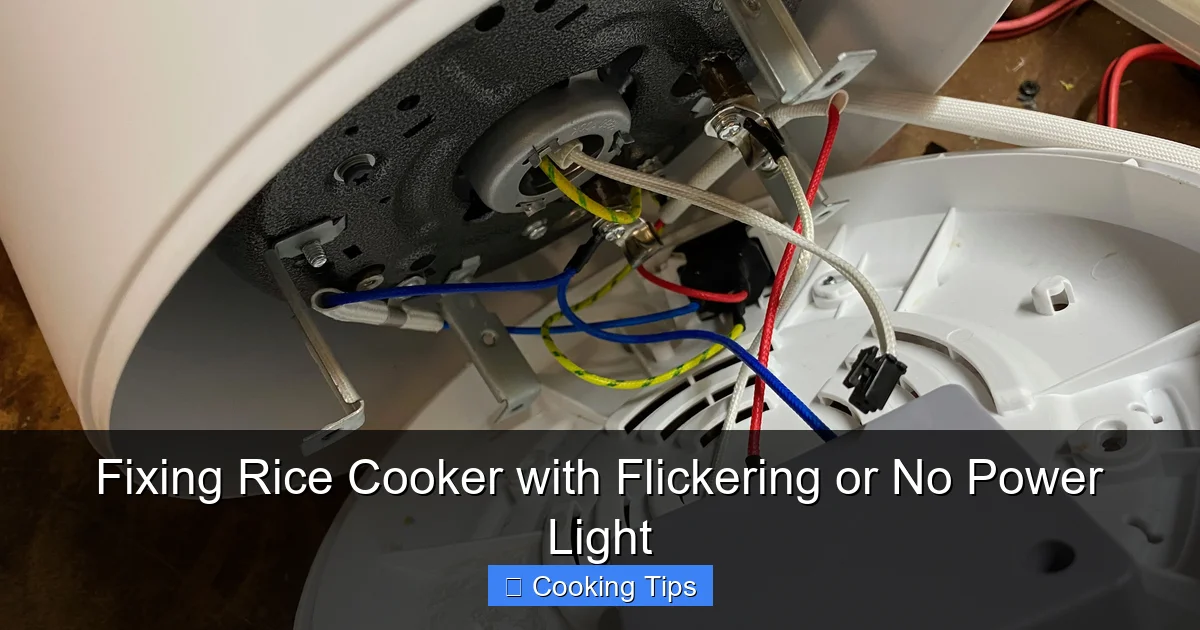
The power cord is the direct link between your rice cooker and the electricity. Any damage here can prevent it from receiving power or cause intermittent issues, like a flickering light.
Visual guide about Fixing Rice Cooker with Flickering or No Power Light
Image source: phwl.org
Examine the Entire Cord
Carefully look at the entire length of the power cord. Check for any signs of damage:
- Fraying: Are there any exposed wires? This is a serious safety hazard.
- Cuts or Nicks: Any deep cuts in the rubber insulation?
- Kinks or Bends: Severe, sharp kinks can sometimes damage internal wires.
- Burn Marks: Any discoloration or melted-looking spots?
Check the Plug and Socket Connection
Ensure the plug is firmly seated in the rice cooker’s power socket. Sometimes, a loose connection here can cause problems. Also, inspect the plug itself for any bent pins or signs of damage. If the cord is damaged, it’s crucial to replace it. For most rice cookers, replacing the cord involves some basic electrical work (ensure the cooker is unplugged and you’re comfortable with it) or contacting the manufacturer. However, for safety reasons, if you’re not experienced with electrical repairs, it’s often best to replace the entire rice cooker if the cord is the issue.
Step 3: Clean Your Rice Cooker Thoroughly
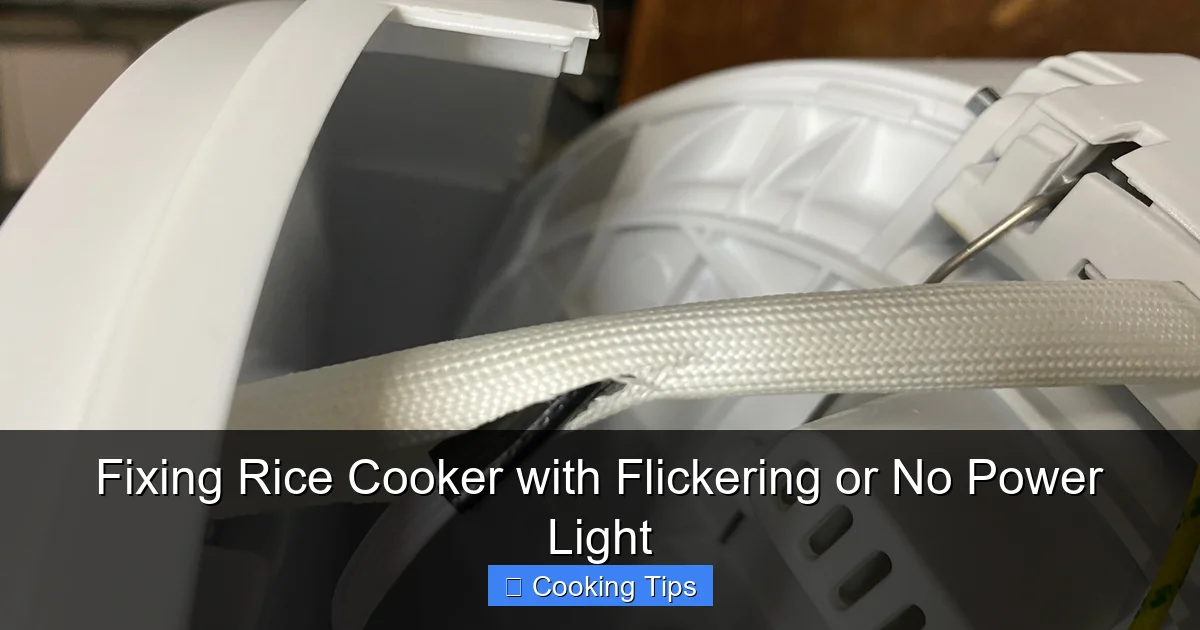
Food particles, water, or even dust can sometimes interfere with the electrical components of a rice cooker, especially around the base and the heating element. A good cleaning can often resolve flickering lights or a lack of power.
Visual guide about Fixing Rice Cooker with Flickering or No Power Light
Image source: phwl.org
Clean the Exterior Base
Unplug your rice cooker. Gently wipe down the exterior of the base with a damp cloth. Pay special attention to the area where the power cord plugs into the unit. Remove any visible debris or sticky residue. Ensure the base is completely dry before attempting to plug it in again.
Inspect and Clean the Heating Element (If Accessible)
Many rice cookers have a removable inner pot, but the heating element is usually at the bottom of the main unit. With the cooker unplugged and completely cool, carefully look at the heating element. Sometimes, spilled rice or water can get trapped around it. If you see any debris, try to gently remove it with a dry cloth or a soft brush. Never use water directly on the heating element. Ensure no liquid has seeped into the unit’s base.
Step 4: Ensure the Lid is Properly Secured
Rice cookers often have safety features designed to prevent them from operating if the lid isn’t closed correctly. A flickering light or no power could indicate that the cooker’s safety switch isn’t being engaged.
Visual guide about Fixing Rice Cooker with Flickering or No Power Light
Image source: phwl.org
Check the Lid Mechanism
Make sure the lid is latched or locked securely. Some lids have a button or lever that needs to be pressed to lock it. If your lid has a steam vent, ensure it’s not blocked and that the lid closes flush with the cooker’s rim. Sometimes, a slight misalignment can prevent the cooker from recognizing that the lid is shut.
Clean the Lid Seal
The rubber or silicone seal around the lid can sometimes accumulate debris, preventing a proper seal. Clean this seal with a damp cloth and ensure it’s free of any obstructions.
Step 5: The Inner Pot – A Crucial Connection
The inner pot of your rice cooker plays a vital role in its operation. It not only holds your rice and water but also sits directly on the heating element and can interact with internal sensors.
Ensure the Inner Pot is Seated Correctly
When you place the inner pot back into the rice cooker, ensure it sits evenly and flat on the heating element. If it’s tilted or not seated properly, it might prevent the cooker from turning on. Give it a gentle push down to make sure it’s making good contact.
Check for Damage to the Inner Pot
Inspect the bottom of the inner pot for any dents, warping, or damage. A severely damaged inner pot might not make proper contact with the heating element, leading to power issues.
Step 6: Resetting the Rice Cooker
Just like with many electronic devices, sometimes a simple reset can clear minor glitches.
Unplug and Wait
Unplug the rice cooker from the wall outlet. Leave it unplugged for at least 5-10 minutes. This allows any internal capacitors to discharge and can sometimes reset the cooker’s electronics. After waiting, plug it back into a known-good outlet and try turning it on again.
Troubleshooting a Flickering Light vs. No Light
While the steps above apply to both scenarios, there are nuances:
Flickering Light
A flickering light often suggests an intermittent power connection. This is a strong indicator of:
- A damaged or loose power cord.
- A problem with the outlet itself (not providing stable power).
- Debris or moisture interfering with internal electrical contacts.
- A failing internal component within the rice cooker.
No Power Light
A complete lack of a power light usually points to a more definitive break in the circuit. This could be:
- A completely dead outlet or breaker.
- A severed or severely damaged power cord.
- A burnt-out fuse or internal safety switch that has tripped permanently.
- A major failure of the internal control board or heating element.
When to Consider Professional Help or Replacement
If you’ve gone through all the steps above and your rice cooker still isn’t showing any signs of life, or the light continues to flicker erratically, it might be time to consider more advanced solutions.
Internal Fuse or Circuit Board Issues
Rice cookers have internal fuses and circuit boards that can fail. Replacing these components requires dismantling the appliance, which can be dangerous if you’re not experienced with electronics. If you suspect an internal electrical fault, it’s often safer and more cost-effective to contact the manufacturer for repair options or to purchase a new rice cooker. Many manufacturers offer warranties that might cover such issues.
Cost vs. Benefit
Consider the age and original cost of your rice cooker. For older or inexpensive models, the cost of professional repair might exceed the price of a new unit. For high-end or specialized rice cookers, however, repair might be a worthwhile investment.
Conclusion
A flickering or no power light on your rice cooker doesn’t have to be the end of your rice-cooking adventures. By systematically checking the power source, inspecting the cord, cleaning the appliance, and ensuring all parts are properly connected, you can often resolve the issue yourself. Remember to always prioritize safety by unplugging the appliance before cleaning or inspecting it. If you’ve exhausted these steps and the problem persists, it might be time to consult the manufacturer or consider a replacement. Happy cooking!
