

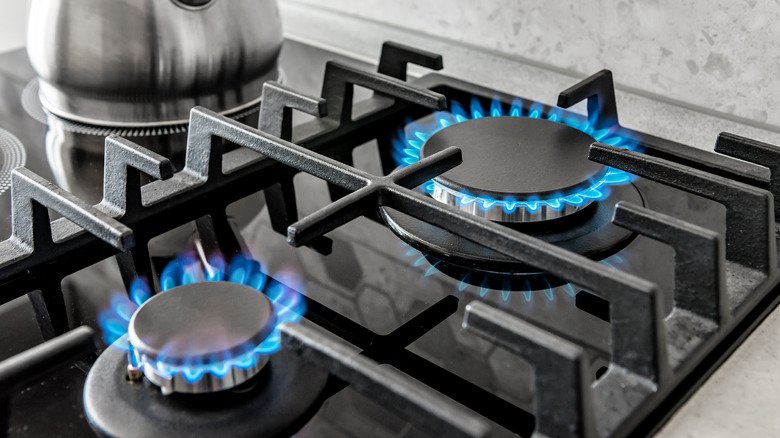
Common gas stove mistakes cause poor cooking, safety hazards, wasted gas, and damaged cookware.
I have cooked on gas stoves for years and trained in safe kitchen basics. This article dives deep into mistakes using gas stove for cooking. I explain why they happen, how they hurt flavor and safety, and simple fixes you can use today. Read on for clear steps, real examples, and practical tips you can try at once.
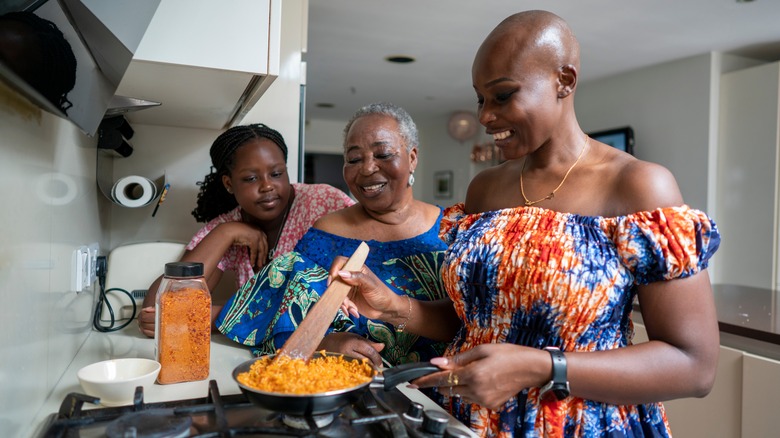
Most common mistakes using gas stove for cooking
Knowing typical errors helps you cook better and stay safe. Below are frequent mistakes using gas stove for cooking and how they affect results.
- Using the wrong pan size. Flames licking up the sides waste heat and burn handles. This causes uneven heat and higher gas use.
- Letting burner ports clog. Clogged ports make an uneven flame and low heat. That hurts browning and simmer control.
- Setting the flame too high. A large blue flame wastes gas and scorches food. Many dishes need low steady heat, not blast heat.
- Using pots with warped bottoms. Warped pans rock and lose contact with the burner. Heat transfer drops and cooking time rises.
- Covering vents or using foil. Blocking airflow chokes the flame and may cause yellow soot. Soot stains cookware and pollutes the kitchen.
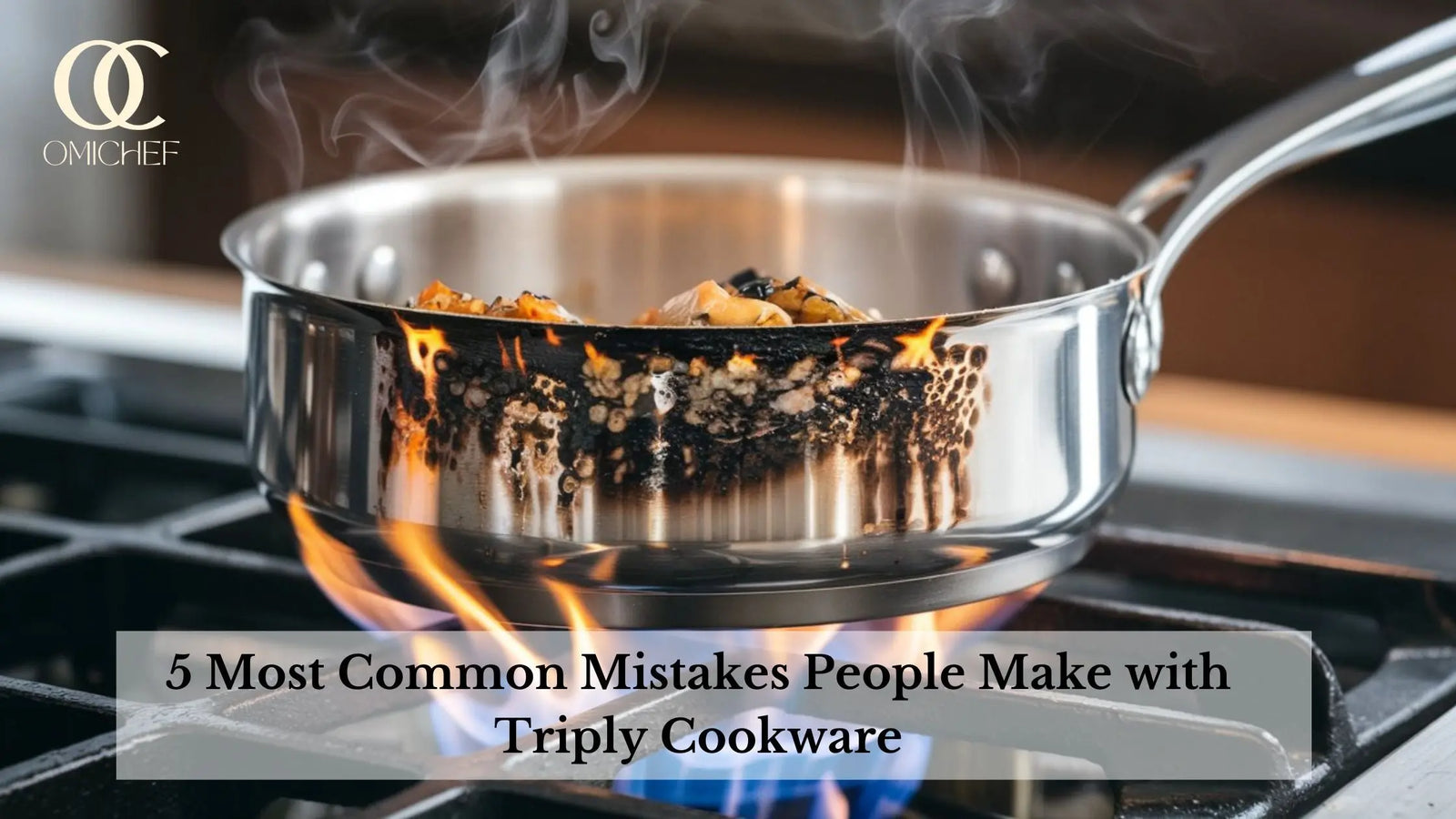
- Ignoring flame color changes. Yellow or orange flames can signal incomplete combustion or dirty burners. This affects both safety and flavor.
- Not using lids when needed. Leaving food uncovered wastes heat and lengthens cooking time. Lids speed cooking and save gas.
- Not preheating cookware when required. Cold pans ruin sears and stick food. Preheat on a medium flame for a short time.
- Placing small pots on large burners. Heat spreads unevenly under the pot rim. Flames then heat the sides, not the bottom.
- Using aerosol sprays near flames. These can ignite and cause flare-ups. Keep sprays away from the stove.
Each mistake using gas stove for cooking can cost time, money, or safety. I have seen many home cooks fix results simply by swapping pans or cleaning burners. Small moves make big differences.
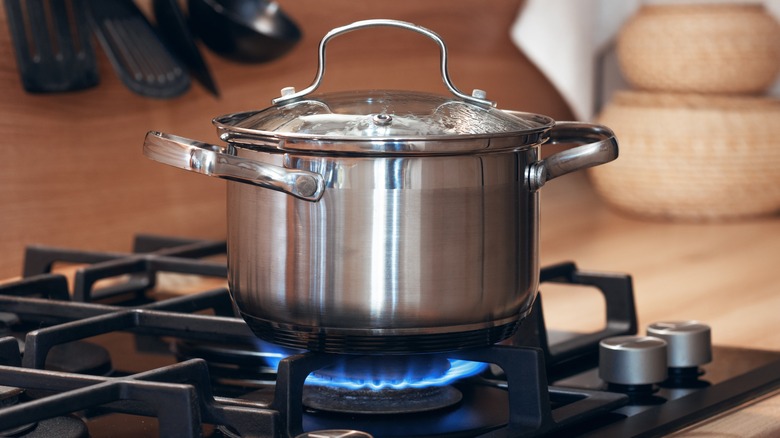
Safety mistakes and risks to avoid
Safety is the top priority. Some mistakes using gas stove for cooking can lead to serious risk. Know these hazards and how to stop them.
- Ignoring gas smell. A rotten egg odor means a leak. Turn off the gas, open windows, and call a pro.
- Poor ventilation. Long cooks make carbon monoxide and pollutants build up. Use an exhaust fan or open a window.
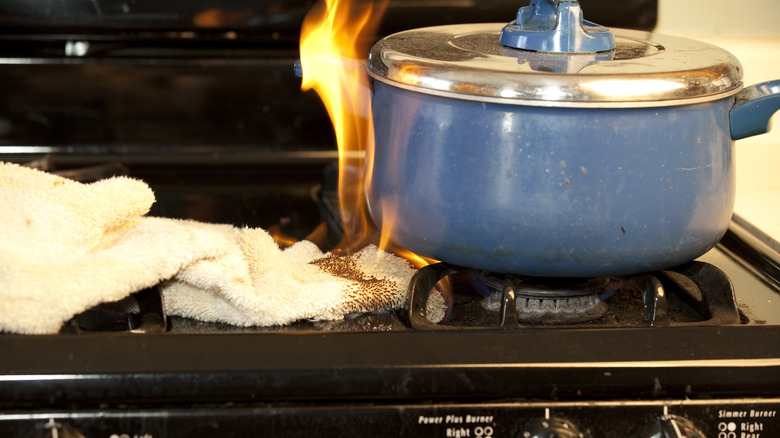
- Leaving the stove unattended. Boilovers and grease fires start fast. Stay close when cooking at high heat.
- Wearing loose sleeves. Flowy clothes can catch fire. Wear fitted sleeves or push them up when you cook.
- Storing flammable items nearby. Paper towels, oil bottles, and cloth should be far from the burners.
- Using damaged hoses or fittings. Old connectors leak. Have connections checked yearly.
I once ignored a faint gas smell and paid for a service call. Since then I test my stove and detectors regularly. That small habit avoids big risk. Using safe checks prevents many common mistakes using gas stove for cooking.
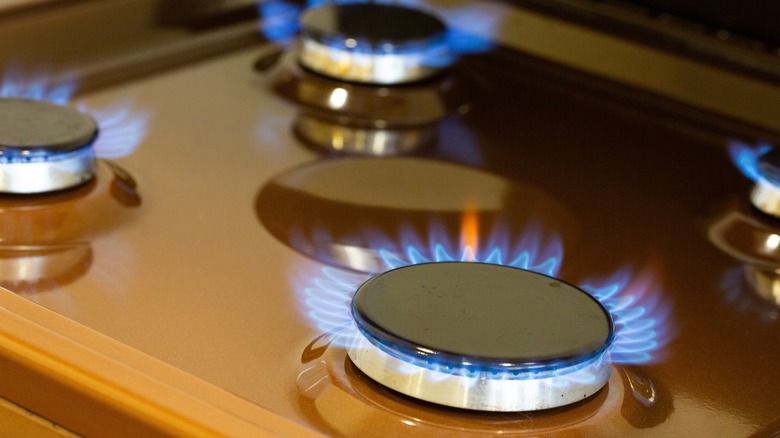
How mistakes using gas stove for cooking hurt flavor and performance
When you fix these errors your food gets better fast. Here’s how mistakes using gas stove for cooking affect results.
- Uneven heat causes patchy browning and undercooked centers. That ruins texture for steaks and vegetables.
- High flames char exteriors while leaving centers raw. This makes food taste bitter or burnt.
- Clogged burners lower heat output. Long cook times dry food and waste energy.
- Poor pan contact reduces searing. You lose crust and Maillard flavor on meats.
- Wrong flame color introduces off-tastes. Soot and fumes change aroma and taste.
I test recipes by trying two pans: one properly matched and one mismatched. The difference is clear. Correcting these mistakes using gas stove for cooking often brings restaurant-level results at home.
Practical fixes: how to stop making mistakes using gas stove for cooking
Fixes are easy to do. Try these steps to avoid the most common mistakes using gas stove for cooking.
- Match pan size to burner. Use small burners for small pans and large burners for big stockpots.
- Clean burner ports monthly. Remove caps and scrub with a soft brush to clear clogging.
- Adjust flame height. Aim for a steady blue flame that barely wraps the pan edge.
- Preheat pans briefly. Heat on medium for one to two minutes before adding food.
- Use lids to trap heat. Lids save gas and cook food faster for simmering and steaming.
- Keep vents clear. Do not line burners with foil. Let air flow freely.
- Replace hoses and fittings every few years. Have a pro inspect connections if you smell gas.
- Use a stove top thermometer. It helps learn how flame settings relate to real pan temps.
Small changes stop many mistakes using gas stove for cooking. I learned these by trial and error. Once I cleaned burners and changed pans, my dishes browned faster and used less gas.
Maintenance checklist to prevent mistakes using gas stove for cooking
A short routine keeps your stove safe and efficient. Follow this maintenance checklist monthly and yearly.
Monthly
- Remove and wash burner grates and caps in warm, soapy water.
- Clean burner ports with a soft brush and a toothpick if needed.
- Wipe spills from control knobs and surfaces.
Every 6–12 months
- Inspect hoses and connections for wear or cracks.
- Test range hood fan and replace filters if dirty.
- Check stove ignition and pilot lights for steady blue flame.
Yearly
- Schedule a professional inspection for gas lines and valves.
- Replace worn parts only with certified components.
This simple routine cuts down common mistakes using gas stove for cooking. Keeping the stove clean also stops soot and poor combustion.
My personal experience: real lessons on mistakes using gas stove for cooking
I once ruined a roast by using a too-large burner and a warped pan. The roast browned at the sides and stayed raw inside. I learned to match pan size and test pans for flatness.
Another time I ignored a yellow flame and soot formed on pans. After cleaning and tuning the burners, the flame returned to blue and taste improved. These mistakes using gas stove for cooking taught me to inspect flames before big meals.
My tips from years of cooking
- Keep a small toolkit: brush, needle, soapy cloth, and wrench for quick fixes.
- Do a quick flame check before each cook. Look for steady blue color.
- Teach roommates and family proper stove basics to avoid accidental misuse.
These real incidents show how small fixes stop repeat mistakes using gas stove for cooking.
Frequently Asked Questions of mistakes using gas stove for cooking
What does a yellow flame mean on my gas stove?
A yellow flame often means incomplete combustion or dirty burners. Clean the burner ports and ensure proper air flow; call a pro if it persists.
Can I use foil on gas stove grates to catch spills?
No. Foil can block airflow and change combustion, causing soot or uneven flames. Use a removable drip tray designed for your range instead.
How often should I clean burner ports?
Clean burner ports at least once a month if you cook regularly. If you cook a lot of greasy food, clean them more often.
Is a gas smell always an emergency?
Yes, a strong gas smell is an emergency. Leave the home, avoid sparks or flames, and call your gas company or emergency services from a safe location.
Does pan material affect gas stove cooking?
Yes. Materials like stainless steel and cast iron conduct heat differently. Use flat-bottomed pans that match burner size for best results.
How can I prevent uneven heating?
Use flat pans, match pan and burner sizes, and clean burner ports. Preheat cookware and use lids when needed for even heat.
Are professional inspections necessary for a home stove?
Periodic professional inspections are wise, especially if you smell gas or notice performance issues. They catch hidden leaks and worn parts.
Conclusion
Mistakes using gas stove for cooking are common but fixable. Tidy burners, matched pans, proper flame control, and good ventilation improve safety and flavor. Start with a quick burner clean and a flame check today. Small daily habits lead to safer, tastier meals and lower bills.
Try one change this week: clean a burner or swap a pan. Share your result or ask a question below to keep learning.
