


Most people reheat food improperly, risking safety, texture, and nutrient loss.
I’ve spent years testing kitchen methods and studying food safety to understand the most common mistakes while reheating food. This guide breaks down the errors I see again and again, explains why they matter, and gives clear, practical fixes you can use at home. Read on to protect your meals, preserve flavor, and avoid health risks from reheating leftovers.
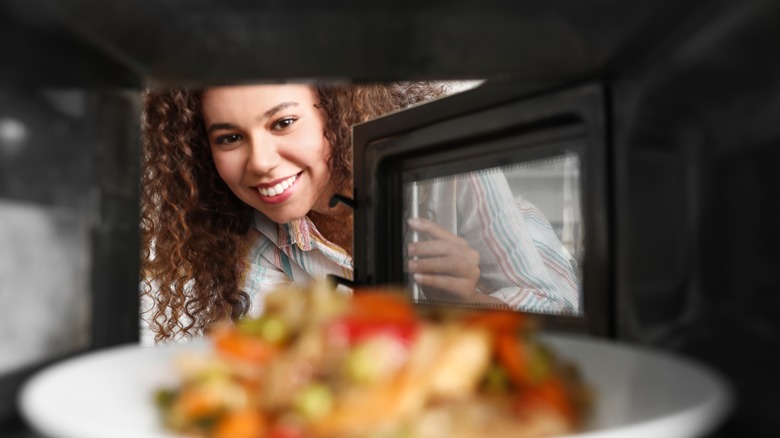
Why reheating food correctly matters
Reheating is about safety and taste. Heat kills many bacteria, but uneven heating leaves pockets where germs thrive. Reheating well also keeps texture and nutrients intact, so your leftovers taste close to fresh.
Proper reheating prevents foodborne illness and food waste. Knowing the right methods stops you from making simple mistakes while reheating food that cost time and health. Small changes in technique have big effects on safety and flavor.

Top mistakes while reheating food
Here are the most frequent mistakes while reheating food, what goes wrong, and why it matters.
-
Reheating at too low a temperature.
Low heat won’t kill bacteria and can leave food unsafe even if it looks fine. Always bring foods to a safe internal temperature. -
Not stirring or rotating food.
Hot and cold spots form when food is reheated unevenly. Stirring or rotating ensures uniform heat and safety. -
Reheating multiple times.
Each reheating cycle raises risk and reduces taste. Try to reheat only what you’ll eat once. -
Leaving food out too long before reheating.
Bacteria grow quickly at room temperature. Refrigerate leftovers within two hours or one hour in hot environments. -
Using the microwave without covering food.
Uncovered food dries out and heats unevenly. Covering traps steam and promotes even warming. -
Reheating in sealed containers.
Pressure can build and cause explosions. Use vented or microwave-safe lids. -
Ignoring the type of food.
Some dishes, like fried foods or creamy sauces, need special care. Treat different foods with appropriate methods. -
Reheating rice and pasta improperly.
Rice can harbor spores and needs thorough reheating. Pasta sauces need high enough heat to kill bacteria in the sauce. -
Overcooking and drying out food.
High heat and long times ruin texture and taste. Gentle reheating often yields the best results. -
Assuming reheated equals safe.
Heat must reach the right internal temperature for the right time. Visual checks aren’t enough.
These mistakes while reheating food are common and avoidable. Fixing them keeps food safe and tasty.
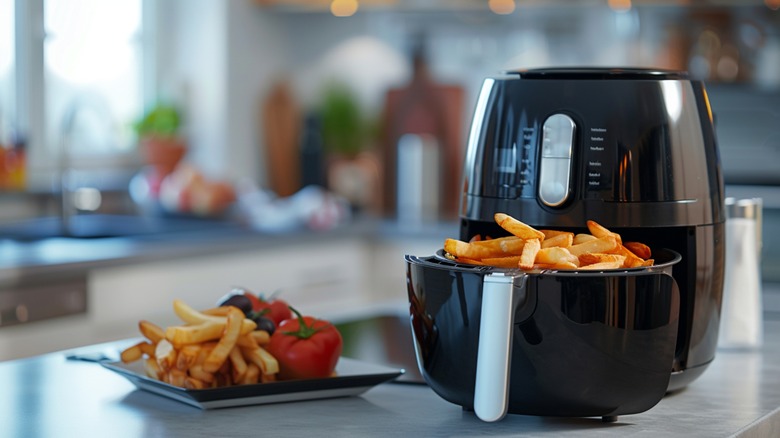
How to reheat safely: step-by-step best practices
Follow these steps to reheat food safely and keep quality high.
-
Cool and store promptly.
Put leftovers in shallow containers and refrigerate within two hours. Faster cooling limits bacterial growth. -
Reheat to the proper temperature.
Aim for an internal temperature of 165°F (74°C) for most foods. Use a food thermometer to confirm. -
Reheat once when possible.
Only reheat what you will eat to avoid repeated cooling and heating cycles that increase risk. -
Use the right method for the food.
Choose oven, stovetop, or microwave depending on texture and volume. Thick stews heat well on the stove; casseroles do well in the oven. -
Cover food while reheating.
Covering keeps moisture in and promotes even heating. Use microwave-safe lids or foil in ovens. -
Stir and rotate.
Pause microwaving to stir and rotate foods. This reduces cold spots and ensures safety. -
Check temperature in several spots.
Measure the thickest part of the food. If one spot is cold, more heat is needed. -
Store leftovers correctly after reheating.
Don’t re-refrigerate large hot portions slowly; cool them before returning to the fridge. Eat reheated food promptly.
These steps address the most damaging mistakes while reheating food.

Microwave-specific mistakes and fixes
Microwaves are fast but easy to misuse. Avoid these common microwave errors.
-
Mistake: Using high power for everything.
Fix: Use medium power for even heating and to prevent overcooking. -
Mistake: Not covering food.
Fix: Cover with a microwave-safe lid to trap steam and reduce splatter. -
Mistake: Overfilling the plate or bowl.
Fix: Heat smaller portions and use shallow containers to let heat circulate. -
Mistake: Ignoring cold spots.
Fix: Stop and stir every 30-60 seconds, then check temperature. -
Mistake: Microwaving sealed containers.
Fix: Vent lids or use microwave-safe wraps with a small opening.
Following these microwave tips reduces mistakes while reheating food and improves safety and texture.

Oven and stovetop reheating tips
For many foods, oven or stovetop methods yield better texture and taste than a microwave.
-
Use a moderate oven temperature.
Preheat to 300–350°F (150–175°C) for casseroles and baked dishes. Heat longer at lower temp to avoid drying. -
Add moisture for baked or fried items.
A splash of water or a loose tent of foil restores moisture to rice and roasted meats. -
Reheat on the stovetop for sauces and stews.
Use low to medium heat and stir often. Bring to a simmer to ensure safe temperatures. -
Use a double boiler for delicate dishes.
Custards and cream sauces reheat gently without splitting when warmed indirectly. -
Finish fried foods in the oven.
Start in a hot oven to crisp instead of soggy microwaved results.
These approaches cut down on mistakes while reheating food by matching method to dish.
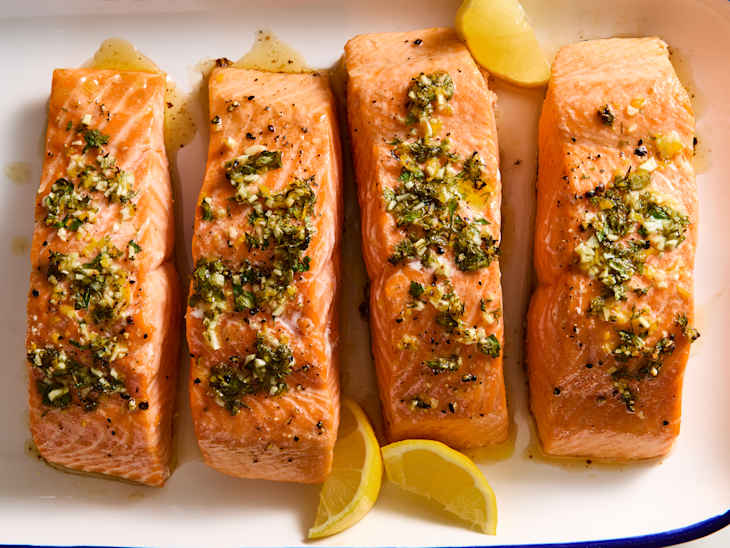
Foods that don’t reheat well and why
Some foods lose quality or become unsafe when reheated. Know which to avoid or adjust.
-
Fried foods and crispy items.
These get soggy. Reheat in an oven or air fryer to restore crispness. -
Delicate seafood.
Overheating makes seafood rubbery and may fail to reach even temperatures; reheat gently and briefly. -
Leafy greens.
Reheating can alter nitrates into harmful compounds; consume fresh when possible. -
Eggs and mayonnaise-based salads.
These separate or become unsafe if reheated improperly; prefer fresh preparation or quick, careful reheating. -
Some rice and pasta dishes.
Rice can contain spores that survive poor cooling; always cool rice fast and reheat thoroughly.
Knowing these limits helps you avoid common mistakes while reheating food and keeps meals enjoyable.

My experiences and lessons learned
I once reheated a big pot of soup the wrong way and found cold pockets despite long cooking. After switching to stirring every few minutes and checking with a thermometer, the problem disappeared. That change improved safety and made leftovers taste better.
Another time I microwaved a plate of mixed foods without covering it. The vegetables were dry and the sauce splattered everywhere. I started using a vented cover and lower power; the results were dramatic. Small habits matter.
From those experiments I learned to trust a thermometer, cool food quickly, and choose the right reheating method for each dish. These simple steps fix most mistakes while reheating food.
Frequently Asked Questions of mistakes while reheating food
What temperature should I reheat leftovers to?
Reheat leftovers to an internal temperature of 165°F (74°C) to ensure most bacteria are killed. Use a food thermometer and check the thickest part.
Is it safe to reheat food more than once?
It’s best to reheat only once because repeated cooling and heating increases bacterial risk and reduces quality. If you must, make small portions and cool quickly.
Can I leave food out to cool before refrigerating?
Don’t leave food out over two hours; reduce to one hour if the room is hot. Store in shallow containers to cool faster before refrigerating.
Are microwaves bad for reheating all foods?
Microwaves work well for many foods but can cause uneven heating and sogginess for some items. Stir, cover, and use medium power to improve results.
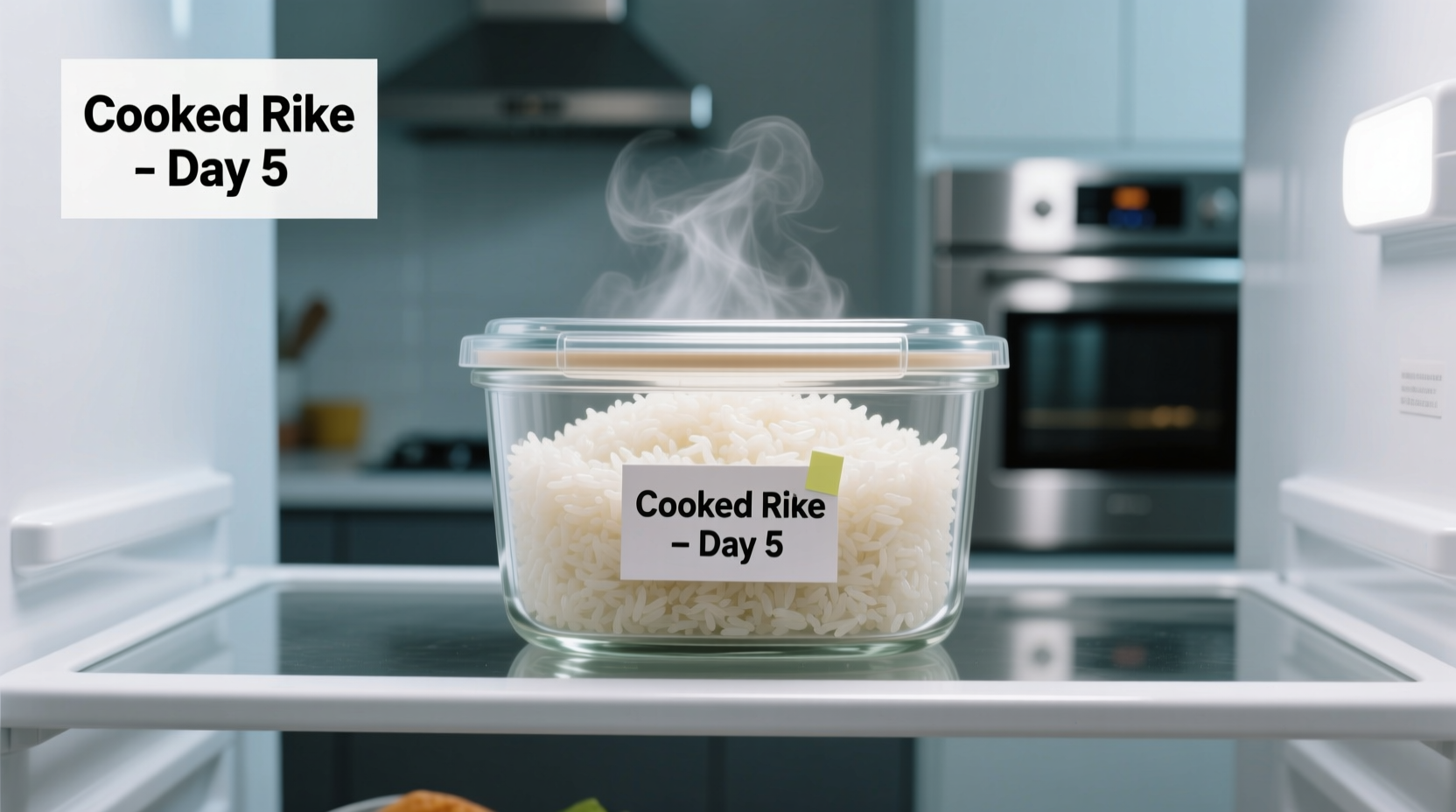
How do I reheat rice safely?
Cool rice quickly in shallow containers and refrigerate within two hours, then reheat until steaming hot all the way through. Avoid reheating rice more than once.
Conclusion
Avoiding common mistakes while reheating food protects your health and keeps meals tasty. Use proper temperatures, cool and store leftovers quickly, and match reheating methods to the dish. Small changes—like stirring, covering, and checking temperatures—make a big difference.
Try these tips this week: test your reheating methods, use a thermometer, and focus on one habit at a time. Share your results or questions below, subscribe for more kitchen tips, or leave a comment with your own reheating wins.
