

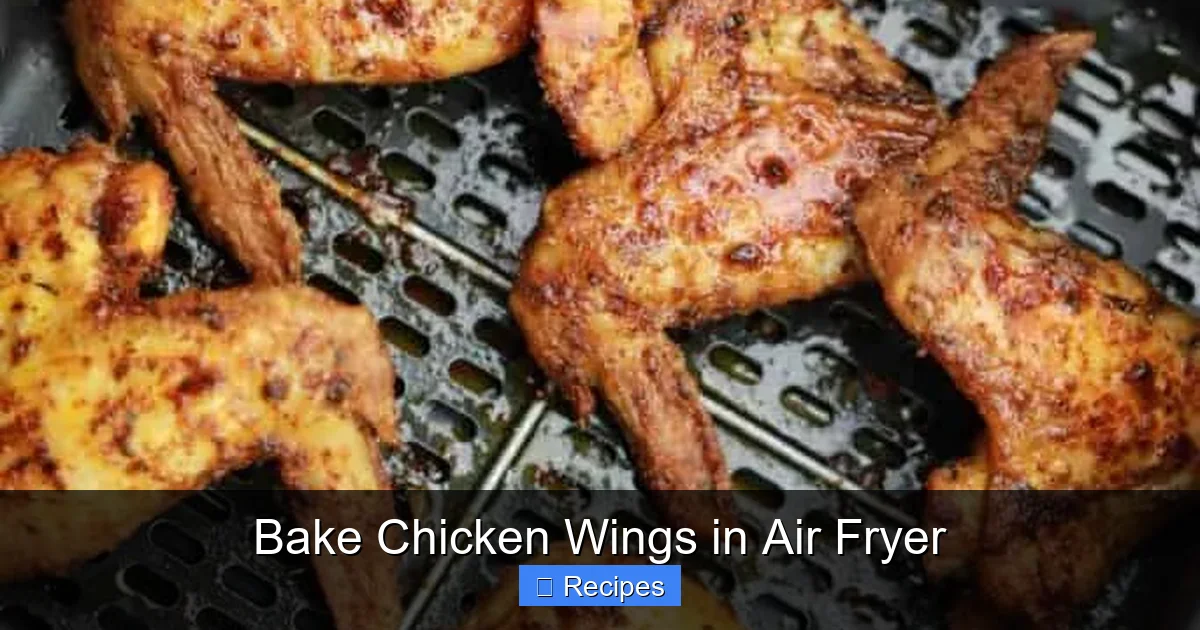
Want crispy, juicy chicken wings without the mess of deep frying? The air fryer makes it simple and healthier. In this guide, you’ll learn the exact steps to bake chicken wings in air fryer for golden-brown perfection every time. From prep to flavor ideas, we cover everything you need to know.
There’s something undeniably satisfying about biting into a perfectly cooked chicken wing—crispy skin, tender meat, and bold flavor. Whether you’re hosting a game night, feeding a hungry crowd, or just craving a delicious snack, chicken wings are always a hit. But deep-frying them means messy pans, long wait times, and extra oil splatter. That’s where the air fryer comes in as a game-changer. Not only does it deliver that same crispy texture, but it does so with minimal effort and far fewer calories. In this complete guide, we’ll walk you through exactly how to bake chicken wings in air fryer, step by step. You’ll discover pro tips, timing tricks, and flavor ideas that make this method unbeatable.
Why Air Fryer Chicken Wings Are a Game Changer
The magic of the air fryer lies in its ability to mimic deep-fried textures using convection heat. A powerful fan circulates hot air around the food, creating a golden crust on the outside while keeping the inside juicy. For chicken wings, this means you get that coveted crunch without submerging them in oil. Plus, air frying reduces total fat content by up to 80% compared to traditional frying—something that’s hard to beat when you love fried foods but want to stay healthier.
Another major advantage? Speed and convenience. You don’t need to wait for a pot of oil to heat up or deal with cleanup afterward. Just toss the wings in a bowl, season them, slide them into the basket, and let the machine do the work. Most air fryers also have preset functions, making it foolproof even for beginners. Whether you’re cooking fresh or frozen wings, the results are consistently impressive.
Key Takeaways
- Air frying uses hot circulating air to crisp up wings. It’s faster than baking and uses less oil than traditional frying.
- Proper seasoning is key to flavorful results. Dry brines or marinades help lock in taste and tenderness.
- Don’t overcrowd the basket. Cook in batches if needed for even browning and crispiness.
- Flip halfway through cooking. This ensures all sides get crispy and cook evenly.
- Resting after cooking helps retain juices. Let wings sit 5 minutes before serving.
- Customize with your favorite sauces. Try buffalo, BBQ, honey garlic, or dry rubs.
- Clean the air fryer basket quickly. Most parts are dishwasher safe for easy cleanup.
📑 Table of Contents
Choosing the Right Wings for Baking
Not all chicken wings are created equal when it comes to air frying. To get the best results, start with fresh, raw wings (also called drumettes and flats). These are usually labeled “whole wings” at the grocery store and come with the skin still attached. Avoid pre-seasoned or pre-cooked wings unless you’re reheating them—they can become too salty or dry.
When selecting wings, look for ones that are firm to the touch and smell fresh, like chicken should. If you’re buying frozen wings, make sure they’re fully thawed before cooking. Pat them dry with paper towels to remove excess moisture; this helps the skin crisp up better. Trimming off any excess fat or connecting membranes can also improve texture and airflow in the fryer.
For larger gatherings, consider ordering wings from a butcher or local supplier. They often provide higher-quality cuts and may even offer custom seasoning options. But honestly, even supermarket wings work great if you follow these tips.
Prepping Your Wings for Maximum Crispiness
Preparation is half the battle when it comes to achieving restaurant-style wings. Start by separating the wing sections: cut between the drumette and flat, and then between the flat and tip (you can discard the tips or save them for stock). Rinse the wings under cold water, then pat them thoroughly dry with paper towels. Moisture is the enemy of crispiness, so take your time here.
Next, decide how you want to season them. You can go simple with salt, pepper, and paprika, or get creative with blends like lemon pepper, garlic powder, or Cajun spice. For extra flavor penetration, consider dry brining: mix salt with other spices and rub it directly onto the wings. Let them sit uncovered in the fridge for 1–2 hours (or overnight) before cooking. This draws out moisture, which then reabsorbs with added seasoning, resulting in deeply flavored meat.
If you prefer marinated wings, combine olive oil, soy sauce, vinegar, and your favorite herbs in a bowl. Toss the wings to coat, cover, and refrigerate for at least 30 minutes—up to 4 hours for deeper flavor. Just remember not to overdo the liquid marinade, as too much can steam instead of crisp the skin during cooking.
Seasoning and Flavor Variations
One of the best things about air frying wings is how easily they absorb flavor. While basic salt and pepper work wonders, don’t be afraid to experiment. Here are some popular seasoning ideas:
– Dry Rubs: Combine brown sugar, smoked paprika, garlic powder, onion powder, chili powder, and cayenne for a sweet-spicy kick.
– Buffalo Style: Toss cooked wings in melted butter mixed with hot sauce after air frying.
– Honey Garlic: Brush wings with a glaze made from honey, minced garlic, soy sauce, and a splash of rice vinegar during the last few minutes of cooking.
– BBQ: Use your favorite barbecue sauce as a finishing drizzle.
You can also air fry wings plain and serve them with dipping sauces on the side—ranch, blue cheese, or spicy aioli all pair beautifully. The key is balancing heat, sweetness, and tang to suit your taste.
Step-by-Step: How to Bake Chicken Wings in Air Fryer
Ready to get cooking? Follow this simple process for perfect results every time:
1. **Preheat your air fryer** to 400°F (200°C). Preheating ensures consistent heat distribution from the start.
2. **Arrange wings in a single layer** in the basket. Avoid overlapping; use multiple racks if your model has them. Overcrowding leads to soggy spots.
3. **Cook for 20 minutes**, flipping halfway through. At 10 minutes, carefully lift the basket and flip each wing using tongs.
4. **Check for doneness** by piercing a wing with a fork—the meat should be white and juices clear. Internal temperature should reach 165°F (74°C).
5. **Optional second batch:** Increase time by 3–5 minutes if needed, especially for thicker wings or larger quantities.
For extra crispiness, spray the wings lightly with cooking oil before placing them in the basket. This enhances browning and helps replicate the look of deep-fried wings.
Serving and Storing Leftovers
Once your wings are done, transfer them to a clean plate and let them rest for 5 minutes. This allows juices to redistribute throughout the meat, keeping it moist. Serve immediately with celery sticks, carrot sticks, and your favorite dipping sauces.
Leftover wings can be stored in an airtight container in the refrigerator for up to 3 days. To reheat, place them back in the air fryer at 375°F (190°C) for 3–5 minutes until warmed through and slightly crispy again. Avoid microwaving—it tends to make wings rubbery.
If you’re meal prepping, consider portioning wings into individual containers along with their sauce. This makes it easy to grab-and-go during busy weekdays. Just remember that reheated wings won’t be quite as crispy as freshly cooked ones, so adjust expectations accordingly.
Tips for Success Every Time
Even seasoned cooks can run into issues with air fryer wings—but most problems have simple fixes. If your wings aren’t crispy enough, try reducing the cooking time slightly or increasing the temperature by 25°F. Conversely, if they’re drying out, lower the heat and check earlier.
Use parchment liners or silicone mats in the basket to prevent sticking, especially if you’re cooking with sticky sauces or rubs. Clean the basket after each use to avoid lingering grease affecting future batches.
For families or parties, double-check your air fryer’s capacity before cooking large batches. Some models hold only 2–3 pounds, while others can manage up to 5. Plan ahead and stagger cooking times if needed.
Finally, invest in a good pair of kitchen tongs and a digital thermometer. These small tools make handling hot wings safer and ensure accurate doneness checks.
Healthier Alternatives and Nutritional Benefits
Air frying isn’t just about convenience—it’s also a smart way to enjoy comfort food with fewer downsides. Compared to deep-fried wings, air-fried versions contain significantly less fat and fewer calories. A typical 3-ounce serving of deep-fried wings might have 200+ calories and 15+ grams of fat, whereas air-fried wings bring that down to around 150 calories and 8 grams of fat.
Of course, adding butter, ranch dressing, or sugary sauces increases calorie count. But by controlling ingredients and portion sizes, you can enjoy wings guilt-free. Opt for olive oil spray instead of butter, choose low-fat dips, and serve smaller portions with plenty of veggies.
Nutritionally, chicken wings are rich in protein, which supports muscle growth and repair. They also provide essential nutrients like niacin (B3), selenium, and phosphorus. Just keep an eye on sodium levels if you’re watching your salt intake—many pre-made seasonings and sauces are high in sodium.
Pairing Ideas for the Ultimate Wing Night
Wings taste even better when paired with complementary sides. Classic choices include:
– Crusty bread or garlic knots
– Coleslaw or potato salad
– Loaded fries or onion rings (air-fried, of course!)
– Cold beer or soda
For a lighter option, serve with fresh salads or roasted vegetables. And don’t forget the drinks! Iced tea, lemonade, or sparkling water add refreshment without weighing down the meal.
You can also elevate presentation by arranging wings on a platter with colorful garnishes like parsley or pickled jalapeños. Presentation matters—even when eating solo at home.
Common Mistakes to Avoid
Many people struggle with air fryer wings because they make one or two common errors. First, overcrowding the basket. Always leave space between wings so hot air can circulate freely. Second, skipping the flip. Turning the wings halfway ensures even cooking and crispiness on all sides.
Another mistake is not letting the wings rest after cooking. Skipping this step causes juices to leak out when you bite into them, leaving you with dry meat. Lastly, using too much liquid in marinades or sauces. Excess moisture steams the wings instead of crisping them.
By following these guidelines, you’ll avoid frustration and enjoy consistently delicious results.
Conclusion: Why Air Fryer Is Your New Best Friend
Learning how to bake chicken wings in air fryer opens up a world of flavorful, healthy possibilities. With just a few simple steps, you can enjoy restaurant-quality wings at home—without the hassle of messy frying or long cook times. Whether you’re cooking for one or feeding a group, the air fryer delivers speed, ease, and incredible results.
From choosing the right wings to mastering seasoning techniques and timing, this method puts you in control of every detail. And with endless customization options, there’s no limit to how you can enjoy your wings. So next time you’re craving something crispy, juicy, and full of flavor, skip the deep fryer and reach for your air fryer instead. Your taste buds—and your kitchen—will thank you.
Frequently Asked Questions
How long does it take to bake chicken wings in an air fryer?
Most air fryer chicken wings take about 20–25 minutes at 400°F (200°C), including flipping halfway through. Cooking time may vary based on wing size and fryer model.
Should I thaw frozen chicken wings before air frying?
Yes, always thaw frozen wings completely before cooking. Place them in the fridge overnight or run under cool water until fully defrosted. Pat dry before seasoning.
Can I cook frozen chicken wings in the air fryer?
While possible, it’s not recommended. Frozen wings tend to steam rather than crisp up. Thawing first ensures better texture and even cooking.
Do I need to oil my chicken wings before air frying?
A light spray of oil helps achieve extra crispiness and golden color. You can also use parchment liners to prevent sticking without adding fat.
What temperature should I set my air fryer for chicken wings?
The ideal temperature is 400°F (200°C). This high heat creates a crispy exterior while keeping the inside tender and juicy.
How do I reheat leftover chicken wings in the air fryer?
Reheat at 375°F (190°C) for 3–5 minutes until warmed through. Flip once and spray lightly with oil for renewed crispiness.
