

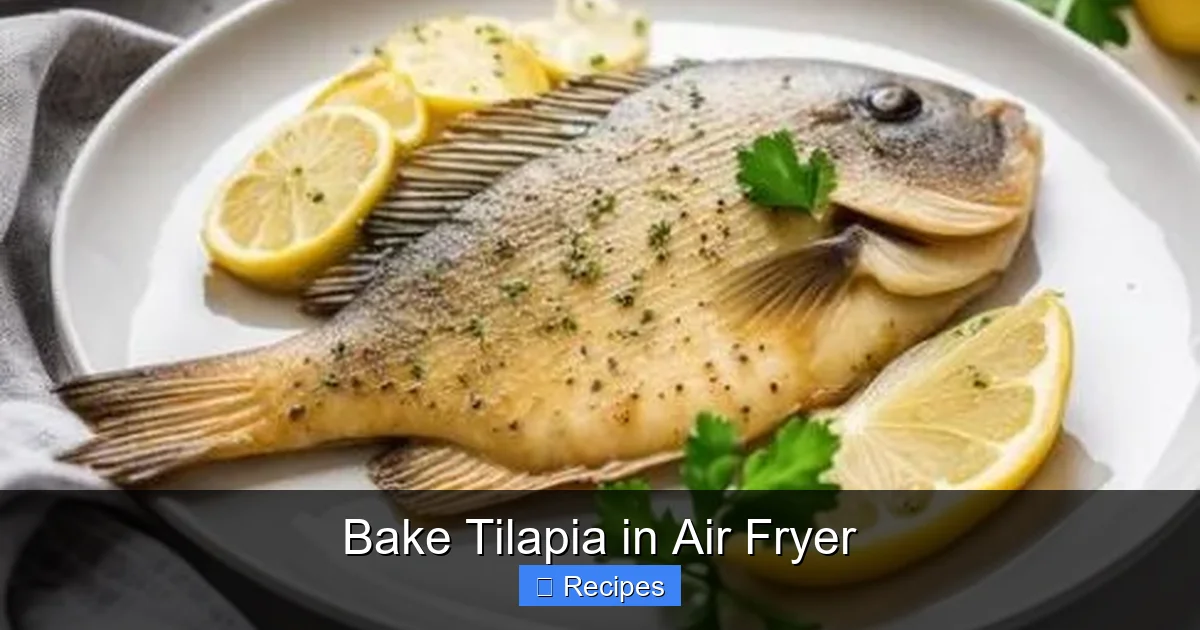
Baking tilapia in an air fryer is a fast, healthy way to enjoy flaky, perfectly cooked fish with minimal oil. This method delivers a crisp exterior while keeping the flesh moist and tender—ideal for anyone looking for a simple, nutritious dinner. With just 10 minutes of prep and no preheating needed, it’s one of the easiest ways to make restaurant-quality tilapia at home.
If you’re looking for a fast, healthy, and delicious way to prepare fish, baking tilapia in an air fryer might be exactly what you need. This method skips the deep frying and heavy pans, delivering a crispy outside and moist, flaky inside—all with minimal effort. Whether you’re new to air frying or a seasoned pro, this guide will walk you through everything you need to know to make perfect tilapia every time.
Air fryers have revolutionized home cooking by offering a healthier alternative to traditional frying. Instead of submerging food in oil, they use rapid air circulation to cook evenly and create that satisfying crunch. And when it comes to white fish like tilapia—which is mild, flaky, and absorbs flavor beautifully—the air fryer works wonders. Plus, cleanup is a breeze since most parts are dishwasher-safe and the basket catches all the drips.
In this article, we’ll cover step-by-step instructions, seasoning ideas, timing tips, and even how to handle frozen fillets. We’ll also share some pro techniques so your tilapia comes out golden-brown, juicy, and full of flavor—without any guesswork.
Key Takeaways
- Quick and healthy cooking: Baking tilapia in an air fryer uses little to no oil, making it a heart-healthy option that still tastes delicious.
- Even cooking: The hot air circulates around the fish, ensuring a crispy exterior and tender interior without drying out.
- Minimal prep time: You can have a complete meal ready in under 20 minutes, perfect for busy weeknights.
- Customizable flavors: Easily season with herbs, spices, or marinades to suit your taste—try lemon, garlic, or Cajun blends.
- Safe and mess-free: No need for greasy pans or soaking dishes—just spray the basket and serve directly from the air fryer.
- Great for batch cooking: Cook multiple fillets at once, making it ideal for meal prep or family dinners.
- Works with frozen fish: You can even cook frozen tilapia fillets straight from the freezer for extra convenience.
📑 Table of Contents
- Why Bake Tilapia in an Air Fryer?
- Gather Your Ingredients and Tools
- Step-by-Step Instructions for Perfectly Baked Tilapia
- Seasoning Ideas and Flavor Pairings
- Troubleshooting Common Issues
- Health Benefits and Nutritional Notes
- Serving Suggestions and Side Dishes
- Tips for Batch Cooking and Meal Prep
- Final Thoughts
Why Bake Tilapia in an Air Fryer?
Tilapia is one of the most popular fish choices in American kitchens because it’s affordable, widely available, and mild in taste. But beyond that, it pairs well with almost any sauce or side dish—whether you’re going Mediterranean with lemon and herbs or bold with spicy Cajun seasoning.
Baking tilapia in an air fryer takes advantage of its gentle heat and consistent airflow. Unlike grilling or pan-frying, which can easily overcook or dry out delicate fish, the air fryer cooks evenly from all sides. This means you get a nice sear without risking toughness.
Another big benefit? Speed. Most air fryers don’t require preheating, so you can toss your seasoned fillets in and start cooking immediately. That makes it ideal for last-minute meals or when you’re short on time.
Plus, using an air fryer reduces mess and cleanup compared to traditional methods. No need to scrub greasy pans or worry about oil splatter. Just line the basket (or use parchment paper), add your fish, and let the machine do the work.
Gather Your Ingredients and Tools
Before you start, make sure you have everything you need. This isn’t a complicated recipe—just a few simple ingredients and the right setup.
For the fish:
– Fresh or frozen tilapia fillets (about 4–6 ounces each)
– Pat them dry with paper towels if fresh; leave frozen fillets thawed slightly or cook directly from frozen
For seasoning (customize to your taste):
– Olive oil or melted butter (lightly brushed on)
– Salt and freshly ground black pepper
– Optional: garlic powder, onion powder, paprika, lemon zest, dried dill, cumin, or your favorite seafood blend
For serving:
– Lemon wedges
– Fresh parsley or cilantro
– Sliced avocado or tomato (optional)
You’ll also need:
– Airtight container or resealable bag (for marinating, if desired)
– Paper towels (to pat fillets dry)
– Parchment paper or silicone liners (optional, for easy cleanup)
– Tongs or fork (to gently flip the fish halfway through)
Having your tools ready ahead of time helps the process go smoothly—especially if you’re cooking for guests or preparing multiple servings.
Step-by-Step Instructions for Perfectly Baked Tilapia
Follow these steps for foolproof results every time:
1. Prepare the Tilapia Fillets
Start by removing the fillets from packaging and placing them on a clean plate. If using fresh fish, pat each side dry with paper towels—this helps the seasoning stick better and ensures a crispier texture. If you’re using frozen fillets, you can either thaw them in the fridge overnight or cook them straight from frozen. Cooking frozen works fine as long as you increase the time slightly.
2. Season Generously
Lightly brush both sides of each fillet with olive oil or melted butter. Then sprinkle with salt, pepper, and any additional spices you like. A classic combination is lemon pepper, garlic powder, and a pinch of paprika. For a bright, fresh flavor, try lemon zest and chopped fresh dill. Don’t be shy—tilapia has a mild taste, so bold seasonings really shine through.
If you have time, let the seasoned fish sit for 10–15 minutes. This allows the flavors to penetrate and improves texture.
3. Preheat the Air Fryer (Optional)
While not always necessary, preheating your air fryer to 375°F (190°C) for 3–5 minutes can help ensure more uniform cooking. Some models automatically adjust based on settings, but preheating gives you the best consistency—especially when cooking multiple fillets.
4. Arrange the Fish Properly
Place the fillets in the air fryer basket in a single layer, leaving space between each piece so air can circulate freely. Overcrowding leads to uneven cooking and soggy edges. If needed, cook in batches.
For easier cleanup, line the basket with parchment paper or a silicone liner. These are reusable and make serving and washing up much simpler.
5. Cook Until Flaky and Golden
Set the timer based on thickness:
– Thin fillets (¼ inch): 8–10 minutes
– Thicker fillets (½ inch): 12–14 minutes
Flip the fish gently halfway through using tongs or a fork. Look for opaque, flaky flesh that easily flakes with a fork and reaches an internal temperature of 145°F (63°C).
Avoid overcooking! Tilapia cooks quickly and can become rubbery if left too long. Check at the lower end of the time range first, then add 1–2 minutes if needed.
6. Rest and Serve
Once done, transfer the fillets to a plate and let them rest for 2–3 minutes. This allows juices to redistribute, keeping the fish moist and flavorful. Garnish with lemon wedges, fresh herbs, or a drizzle of honey-mustard sauce.
Serve alongside steamed vegetables, rice, or a crisp salad for a complete, balanced meal.
Seasoning Ideas and Flavor Pairings
One of the joys of air frying tilapia is how versatile it is. Because the fish has a neutral base, you can customize it to match any cuisine or preference.
Try these combinations:
– Mediterranean: Lemon juice, oregano, garlic, and a sprinkle of feta cheese on top before serving.
– Spicy Cajun: Paprika, cayenne, thyme, and a dash of hot sauce.
– Asian-inspired: Soy sauce, ginger, sesame oil, and green onions.
– Herb Butter: Mix softened butter with chopped parsley, chives, and Dijon mustard. Brush on before cooking.
Marinating the fish for 15–30 minutes adds extra depth. Use an airtight container or zip-top bag with your chosen marinade. Just remember to drain excess liquid before placing it in the air fryer—too much moisture can reduce crispiness.
For added richness, sprinkle grated Parmesan or nutritional yeast over the top during the last minute of cooking. It melts into a golden crust that’s irresistible.
Troubleshooting Common Issues
Even experienced cooks run into hiccups now and then. Here’s how to fix common problems:
Problem: Fish sticks together or sticks to the basket
Solution: Make sure the fillets aren’t overlapping. Use parchment paper or a silicone liner. Also, avoid touching them until halfway through cooking to prevent sticking.
Problem: Fish is dry or overcooked
Solution: Always check the thicker end of the fillet first. Remove as soon as it flakes easily. Consider reducing cooking time by 1–2 minutes next time. Brushing with oil helps retain moisture.
Problem: Uneven browning
Solution: Rotate the basket halfway through if your model allows it. Otherwise, flip the fish and reposition any that are shading others.
Problem: Too much smoke or odor
Solution: This usually happens with high-smoke-point oils or burnt seasonings. Use refined olive oil instead of extra virgin, and avoid overly charred spices. Clean the basket regularly to prevent buildup.
Most issues are easy to fix with small adjustments. Keep notes on what works for you—it’ll help refine your technique over time.
Health Benefits and Nutritional Notes
Tilapia is often praised for being low in calories and rich in protein. One 4-ounce serving provides about 180 calories and 37 grams of protein, along with essential nutrients like selenium and niacin.
Because air frying uses little to no oil, it preserves more of the fish’s natural goodness while cutting back on saturated fat. Compare that to pan-frying, where up to a tablespoon of oil can be absorbed.
That said, choose sustainable sourcing when possible. Look for labels like “MSC-certified” or ask your local fishmonger about eco-friendly options. Wild-caught tilapia tends to have better omega-3 levels than farmed varieties, though both are safe to eat in moderation.
Pair your baked tilapia with whole grains and veggies for a nutrient-packed meal that keeps you full and energized.
Serving Suggestions and Side Dishes
Baked tilapia in an air fryer doesn’t stand alone—it shines when paired with complementary sides. Here are some crowd-pleasing ideas:
– Rice Pilaf: Add sautéed onions, carrots, and peas for a colorful, flavorful grain bowl.
– Roasted Vegetables: Try broccoli, zucchini, or bell peppers tossed in olive oil and garlic. You can even roast them in the air fryer at the same time!
– Caesar Salad: Crisp romaine, croutons, Parmesan, and homemade dressing make a perfect contrast to light fish.
– Sweet Potato Fries: For a fun twist, bake sweet potato fries alongside the tilapia using these tips. They come out fluffy inside and crispy outside.
– Grain Bowls: Quinoa or couscous topped with avocado slices and lemon tahini sauce elevate the dish.
Don’t forget a squeeze of fresh citrus or a dollop of yogurt-based sauce to brighten the flavors.
Tips for Batch Cooking and Meal Prep
Want to save time during the week? Air fryer tilapia is fantastic for meal prep. Cook a dozen fillets at once, portion them into containers, and store in the fridge for up to 4 days or freeze for up to 3 months.
Reheating is simple: pop the fillets back into the air fryer at 350°F for 3–4 minutes until warmed through. Avoid microwaving, which can make fish rubbery.
Label containers clearly and include your seasoning info so you know what each batch tastes like. This is especially helpful if you experiment with different flavors throughout the week.
You can also mix up sides in advance—chop veggies, cook grains, or make sauces ahead of time. Then assemble fresh meals in minutes.
Final Thoughts
Baking tilapia in an air fryer is more than just a cooking method—it’s a lifestyle upgrade. It brings speed, simplicity, and health benefits to your kitchen without sacrificing flavor. Whether you’re feeding a family or whipping up a solo dinner, this approach delivers consistent results every time.
The beauty of air frying lies in its versatility. From crispy coatings to herb-infused oils, the possibilities are endless. And since cleanup is minimal, you spend less time scrubbing and more time enjoying your meal.
So next time you’re craving something light yet satisfying, reach for that air fryer and grab some tilapia. In under 20 minutes, you’ll have a golden, flaky fillet that rivals any restaurant dish—right at home.
And if you’re curious about other fish options, check out our guide on how to cook fish in an air fryer. You might discover your new favorite way to prepare salmon, cod, or even catfish.
Frequently Asked Questions
How long does it take to bake tilapia in an air fryer?
Thin tilapia fillets take about 8–10 minutes at 375°F (190°C), while thicker pieces may need 12–14 minutes. Flip halfway through and check for flakiness. For precise timing, see our guide on how long to cook tilapia in an air fryer.
Can I use frozen tilapia fillets in the air fryer?
Yes! Frozen tilapia works well in an air fryer. Increase cooking time by 2–4 minutes and avoid overcrowding. Just make sure to thaw completely if you notice ice crystals—partial thawing helps ensure even cooking.
Do I need to preheat my air fryer before baking tilapia?
Preheating is optional but recommended for more consistent results. Set your air fryer to 375°F and let it run for 3–5 minutes before adding the fish. Some models auto-adjust, but preheating helps seal in moisture and promotes browning.
What’s the best way to keep tilapia moist while air frying?
Brush the fillets lightly with oil or melted butter before seasoning. Also, avoid overcooking—check at the lower end of the suggested time range. Resting the fish for 2–3 minutes after cooking helps retain juices.
Can I cook other types of fish in the air fryer?
Absolutely! White fish like cod and haddock, as well as firmer fish such as salmon or trout, work great in an air fryer. Adjust timing based on thickness and don’t flip unless instructed. Learn more in our comprehensive guide to how to cook fish in an air fryer.
Is air frying tilapia healthier than pan-frying?
Yes, air frying uses significantly less oil, reducing calorie and fat intake while preserving the fish’s natural texture and nutrients. It’s a cleaner, faster method that still delivers that satisfying crispy exterior.
