

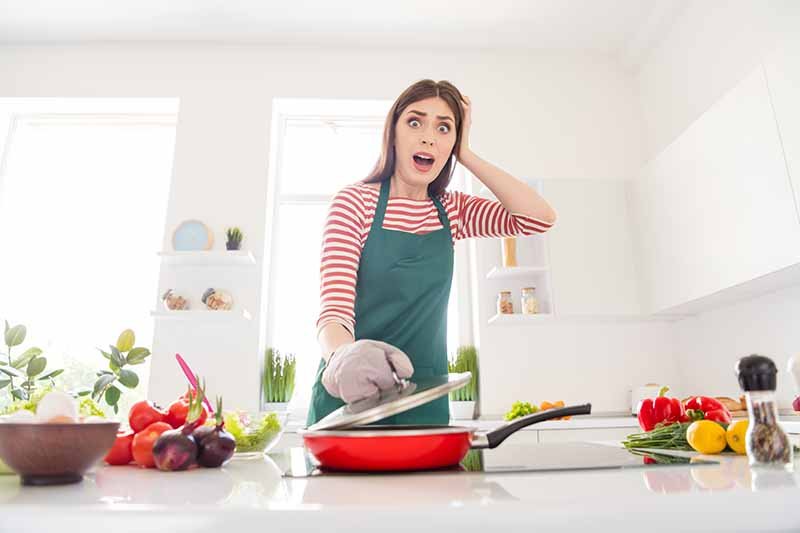
Common mistakes while cooking without lid include moisture loss, uneven heat, splatter, and flavor fade.
I have cooked in busy kitchens and at home for years, and I know how small errors change a dish fast. This article walks you through the most common mistakes while cooking without lid and why they matter. You will get clear fixes, real-life tips, and simple tools to improve food, save time, and avoid waste. Read on for practical steps you can use tonight.
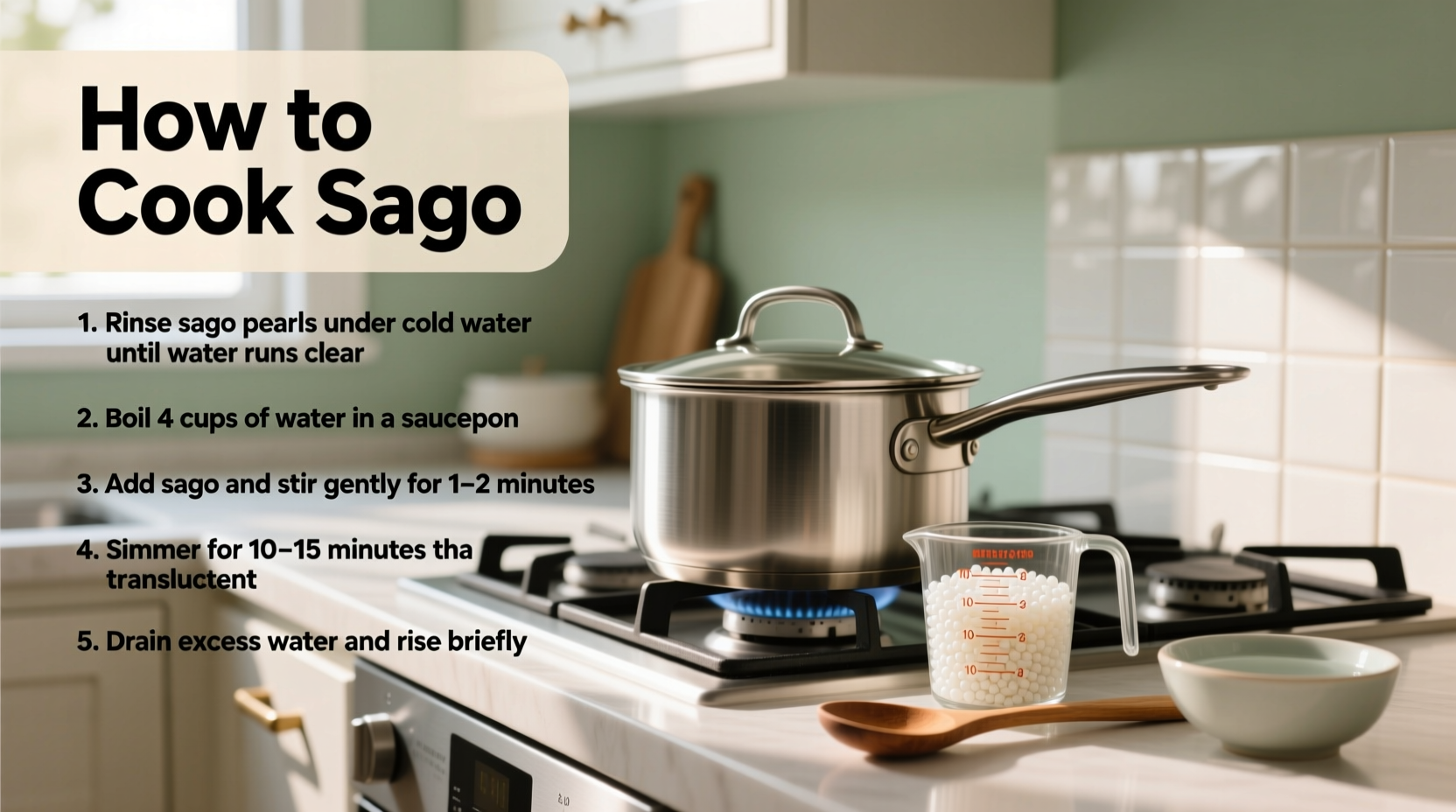
Why cooking without a lid can backfire
Cooking without a lid can seem fine at first. But it changes how heat and steam behave. Steam escapes, food dries, and your pan can splatter. I will explain common problems and how to stop them.
Top common mistakes while cooking without lid
Here are the typical mistakes while cooking without lid and why they matter.
- Letting liquids evaporate too fast. The dish dries out and can burn.
- Ignoring heat control. High heat without a lid causes uneven cooking.
- Not stirring often. Hot spots form and food sticks or chars.
- Forgetting to cover for simmering. Flavors don’t meld and liquids reduce too much.
- Overlooking splatter. Oil and sauce can make a mess or burn skin.
- Skipping aromatics early. Volatile aromas escape when there is no lid.
- Assuming all foods are fine uncovered. Some foods need trapped steam to finish.
- Not using a splatter screen. Cleanup and safety become harder.
These mistakes while cooking without lid are easy to make. They are also easy to fix with small habit changes.
How to avoid mistakes while cooking without lid
Use these steps to stop common errors while cooking without lid.
- Lower the heat as steam leaves. This keeps food moist and cooks evenly.
- Stir in short intervals. That prevents sticking and hot spots.
- Use a splatter screen when frying. It stops mess and protects you.
- Time lid-free stages. Brown on high with the lid off, then cover to finish.
- Add liquid in small amounts. Keep a sip of stock or water handy to control reduction.
Pair these steps with good timing. Practice a recipe once with a lid, once without. You will see the difference quickly.

Tools and techniques that help when cooking without lid
The right tools make cooking without a lid safer and more reliable.
- Splatter screen. Lets steam out but stops oil drops.
- Heavy-bottom pan. Distributes heat and reduces hot spots.
- Instant-read thermometer. Checks doneness without guessing.
- Small lid or plate. Use briefly to control splatter or keep heat.
- Wooden spoon for occasional stirring. It saves your hands and the pan.
Use a tool when it fits the task. I always keep a splatter screen near the stove. It cuts cleanup and worry.

Real-life examples and personal mistakes I made
Once I cooked a tomato sauce uncovered to reduce it fast. I lost too much liquid and the sauce tasted flat. The fix was simple: add a splash of stock and simmer covered for ten minutes.
Another time I seared chicken without a lid and left the heat too high. The outside burned while the inside stayed cold. I learned to lower the heat after sear and give residual heat time to finish the meat.
These small mistakes while cooking without lid taught me to plan lid-free steps and to use tools that keep food moist and safe.
Quick reference: when it's OK to cook without a lid
Use this quick guide to decide if you can leave the lid off.
- Good conditions for lid-off cooking. Browning, reducing, and crisping.
- When to cover. Simmering, steaming, and finishing tougher cuts.
- Watch liquids. If a sauce drops quickly, add liquid or cover.
- Safety first. If oil splatters heavily, use a screen or a lid at an angle.
Follow these rules and you will avoid the common mistakes while cooking without lid.

Frequently Asked Questions of mistakes while cooking without lid
What happens if I always cook without a lid?
Cooking without a lid often leads to dry food, faster evaporation, and more splatter. It can work for browning, but many dishes need a lid to finish well.
Can I replace a lid with a plate?
Yes, a plate can work in a pinch for small pans to reduce splatter and trap heat. Be careful with steam when removing it and use heat-safe items only.
Is it bad to simmer without a lid?
Simmering without a lid speeds reduction and can dry out food. Covering keeps moisture and helps flavors blend, so cover for long simmers unless reduction is the goal.
Does cooking without a lid affect flavor?
Yes. Steam carries aroma compounds. Cooking without a lid can let aromas escape, making a dish taste less full. Covering helps trap flavor.
How do I prevent oil splatter without a lid?
Use a splatter screen, lower the heat, and pat food dry before frying. These moves cut splatter and reduce burns and mess.
Conclusion
Cooking without a lid is a skill. Done right, it adds crispness and depth. Done wrong, it dries food, wastes liquids, and creates splatter. Use lower heat, stir often, and keep a splatter screen close. Try one tip tonight and watch a recipe improve. Share your results or questions below, and consider subscribing for more simple, tested kitchen tips.
