


Discover the art of crafting delicious, low-oil kebabs and grilled vegetables using specialized skewer racks. This guide will show you how to select the right rack for your needs, prepare your ingredients for optimal results, and master the grilling process. Achieve perfectly cooked, flavorful meals with minimal added oil, making healthier eating a delightful experience.
Skewer Racks for Low Oil Kebabs and Grilled Veggies
Are you looking to enjoy the smoky, delicious flavors of grilled kebabs and vegetables without the guilt of excessive oil? Grilling is a fantastic way to cook, offering a delightful char and tender texture. However, recipes often call for a generous amount of oil to prevent sticking and ensure moisture. This guide is here to change that! We’ll dive deep into the world of skewer racks and how they can revolutionize your low-oil grilling game, helping you create incredibly flavorful and healthy meals.
Key Takeaways
- Choose the Right Skewer Rack: Understand the different types of skewer racks available (e.g., rotisserie-style, flat basket style, V-shaped) and how they suit various grilling methods and ingredient sizes.
- Prep Ingredients for Success: Learn how to properly cut and arrange ingredients on skewers to ensure even cooking and prevent them from falling off, especially when using minimal oil.
- Achieve Even Cooking: Skewer racks elevate food, allowing heat to circulate freely for more consistent cooking, crucial for low-oil preparations where fat isn’t basting.
- Minimize Oil Usage Effectively: Discover techniques for flavoring and ensuring moisture without relying on excess oil, such as using marinades, rubs, and natural fats in meats.
- Enhance Flavor Profiles: Explore how to use marinades, herbs, spices, and glazes to impart deep flavor when oil is used sparingly.
- Easy Cleanup and Maintenance: Understand how to clean and care for your skewer rack to ensure longevity and ease of use for future grilling sessions.
- Versatile Applications: Recognize that skewer racks aren’t just for kebabs; they are excellent for grilling a wide variety of vegetables, fruits, and even desserts.
What are Skewer Racks and Why Use Them for Low Oil Grilling?
Skewer racks, also known as kebab racks or grilling baskets, are accessories designed to hold skewers of food over your grill. They elevate the skewers, allowing heat to circulate evenly around the food. This is especially beneficial when you’re aiming for a low-oil approach. Without a lot of oil to conduct heat and prevent sticking, traditional grilling methods can sometimes lead to dry or unevenly cooked food.
Skewer racks provide a solution by:
- Promoting Even Cooking: By suspending food above the direct heat, air can circulate, cooking all sides of your kebabs and vegetables more uniformly. This is vital when you’re not relying on oil for heat distribution.
- Preventing Sticking: While oil helps, a good skewer rack also minimizes direct contact between your food and the grill grates. Some racks have channels or raised edges that further reduce sticking.
- Facilitating Easier Turning: Many skewer racks allow you to turn the entire rack (or individual skewers within it) with ease. This means you can flip your kebabs and veggies with less fuss and less risk of them falling apart.
- Containing Smaller Items: They are excellent for holding smaller pieces of vegetables or cubed meats that might otherwise fall through the grill grates.
When you’re going low-oil, the natural moisture and flavor of your ingredients become paramount. Skewer racks help you preserve that moisture and achieve that desirable grilled char without needing to drench your food in oil.
Choosing the Right Skewer Rack
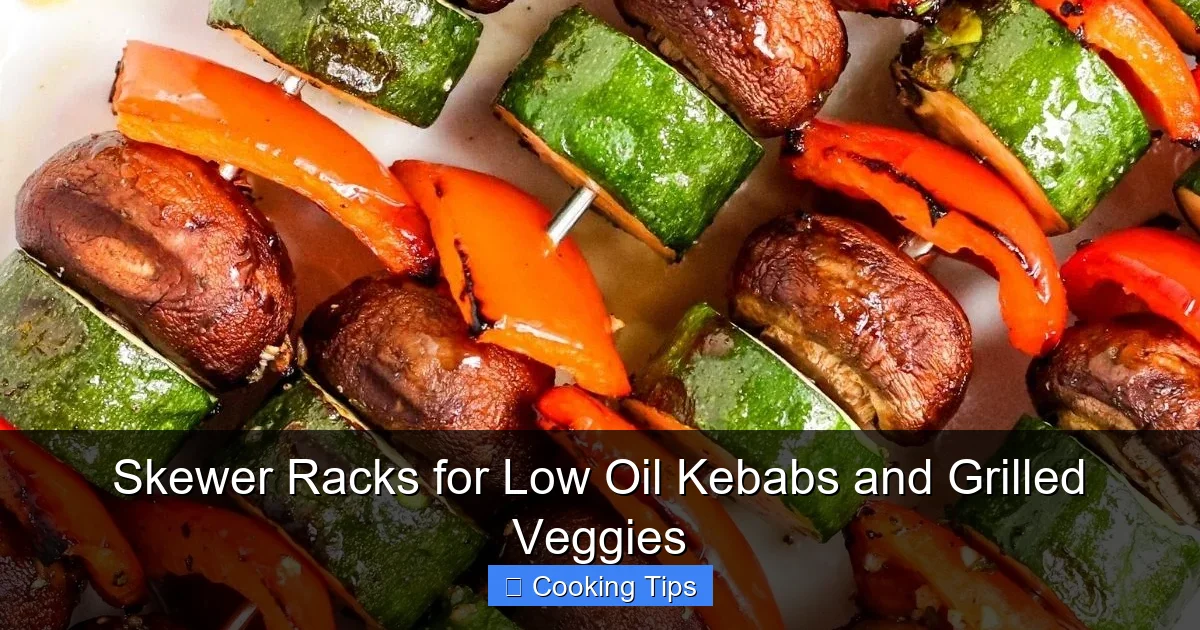
Visual guide about Skewer Racks for Low Oil Kebabs and Grilled Veggies
Image source: veggiessavetheday.com
The market offers a variety of skewer racks, each with its own strengths. Your choice will depend on your grilling style, the types of food you typically grill, and the size of your grill.
Types of Skewer Racks
- Traditional Skewer Racks with Slots: These are perhaps the most common. They are designed to hold multiple skewers horizontally, with slots or channels for the skewers to rest in. Some are adjustable to accommodate different skewer lengths.
- Rotisserie-Style Skewer Racks: These racks are designed to spin, mimicking a rotisserie. They are excellent for even cooking and can create a beautiful sear. Some are designed to attach to your existing rotisserie spit, while others are standalone units.
- Basket-Style Skewer Racks: These are more like grilling baskets with integrated skewers. They offer a contained grilling experience, making them ideal for smaller, chopped ingredients or delicate vegetables that might otherwise be tricky to skewer.
- V-Shaped or Channel Grates: These are less about holding skewers and more about creating channels for them. They are often found as part of a grill’s design or as an aftermarket accessory.
Key Features to Consider
When selecting a skewer rack, keep these features in mind:
- Material: Most quality skewer racks are made from stainless steel, which is durable, rust-resistant, and easy to clean. Cast iron is another option, offering excellent heat retention, but it requires more maintenance to prevent rust.
- Size and Capacity: Make sure the rack fits your grill and can hold enough food for your needs. Consider the length of your skewers and the number of skewers the rack can accommodate.
- Ease of Cleaning: Look for racks with smooth surfaces and fewer nooks and crannies where food particles can get stuck. Dishwasher-safe options are a bonus.
- Stability: Ensure the rack is sturdy and won’t wobble or tip over on your grill.
- Compatibility: If you have a specific type of grill (e.g., a kamado grill, a gas grill), check for compatibility. Some racks are designed for specific grill models.
Preparing Ingredients for Low Oil Kebabs and Grilled Veggies
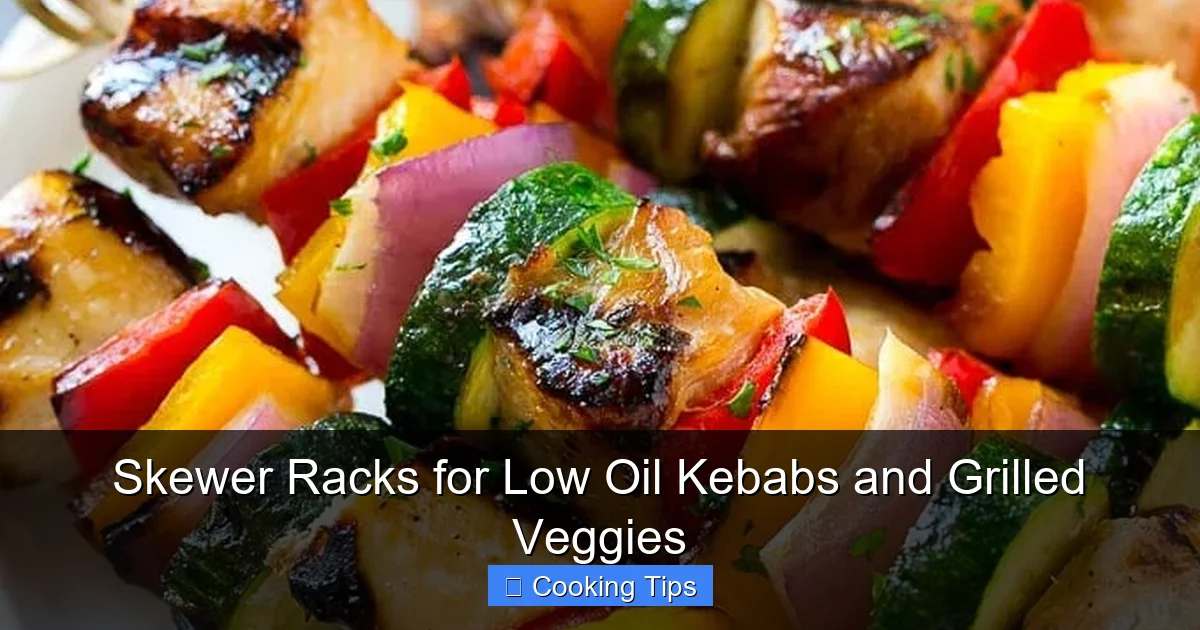
Visual guide about Skewer Racks for Low Oil Kebabs and Grilled Veggies
Image source: dinneratthezoo.com
Success in low-oil grilling with skewer racks starts with careful preparation of your ingredients. The goal is to maximize flavor and moisture retention without relying on excess oil.
Marinating for Maximum Flavor
Marinades are your best friend when cutting back on oil. They not only add flavor but also help to tenderize meats and infuse moisture into vegetables.
* Components of a Good Low-Oil Marinade:
* Acid: Lemon juice, lime juice, vinegar (balsamic, red wine, apple cider). Acids break down proteins, tenderizing meat and adding brightness.
* Flavorings: Herbs (rosemary, thyme, cilantro, parsley), spices (garlic powder, onion powder, paprika, cumin, chili powder), soy sauce, Worcestershire sauce, mustard.
* Sweeteners: Honey, maple syrup, agave nectar. These add a touch of sweetness and help with caramelization on the grill.
* Liquid Base: Water, broth, vegetable juice, or a small amount of oil if desired.
* Marinating Times:
* **Vegetables:** 30 minutes to 2 hours.
* **Poultry/Fish:** 30 minutes to 4 hours.
* **Red Meats:** 4 hours to overnight.
Tip: Don’t discard all your marinade! You can reserve some to baste your kebabs during the last few minutes of grilling for an extra burst of flavor and moisture. Just be sure to bring it to a boil before using it as a basting liquid to kill any bacteria.
Flavorful Dry Rubs
Dry rubs are another excellent way to impart deep flavor without oil. They are a blend of herbs, spices, salt, and sometimes sugar.
* How to Use: Simply pat your ingredients dry (especially meats) and coat them generously with your chosen dry rub. The salt in the rub will help draw out some moisture, which then combines with the spices to form a flavorful crust.
* Tips: For tougher cuts of meat, you can apply the dry rub a few hours in advance or even overnight, covering them in the refrigerator. This allows the salt to penetrate deeper into the meat.
Cutting and Threading Ingredients
The way you cut and arrange your ingredients on the skewers is crucial for even cooking.
* Consistent Sizing: Cut all your ingredients into roughly uniform pieces. This ensures that everything cooks at the same rate. For example, if you have large chunks of zucchini and small cherry tomatoes, the tomatoes will burn before the zucchini is cooked.
* Layering for Flavor and Function:
* Alternate softer ingredients (like cherry tomatoes or mushrooms) with firmer ones (like bell peppers or onions) to prevent them from getting crushed.
* Consider placing ingredients with similar cooking times together.
* For meats, cube them into uniform sizes.
* Leave a small gap between ingredients. This allows heat and smoke to circulate more effectively, promoting even cooking and charring.
* Secure Them: Ensure ingredients are threaded onto the skewers snugly but not so tight that they will burst when heated. For delicate items or meats that might shrink, you can sometimes thread them onto the skewer, then push them back slightly to create some space.
Pre-Cooked Ingredients
For some vegetables that take longer to cook, like potatoes or thicker-cut carrots, you might want to parboil or steam them slightly before skewering and grilling. This ensures they are tender when the rest of your kebab is ready.
Grilling with Your Skewer Rack: Step-by-Step

Visual guide about Skewer Racks for Low Oil Kebabs and Grilled Veggies
Image source: wellplated.com
Now that your ingredients are prepped, it’s time to hit the grill!
Step 1: Preheat Your Grill
Get your grill to the desired temperature. For most kebabs and grilled vegetables, a medium-high heat (around 400-450°F or 200-230°C) is ideal. This allows for good searing and charring without burning the food too quickly. If you’re using a charcoal grill, aim for hot embers.
Step 2: Prepare the Skewer Rack
Ensure your skewer rack is clean. If it’s a metal rack, you can lightly coat it with cooking spray or a very thin layer of oil to further prevent sticking, especially if you’re concerned about the very first bite. However, the goal is minimal oil, so use it sparingly if at all.
Step 3: Place Skewers in the Rack
Carefully place your prepared skewers into the designated slots or channels of your skewer rack. Ensure they are seated securely.
Step 4: Position the Rack on the Grill
Place the loaded skewer rack onto your preheated grill. If your rack has a lid, close it to help trap heat and promote even cooking.
Step 5: Monitor and Turn
This is where the skewer rack shines.
* **Cooking Time:** Cooking times will vary based on the ingredients, their size, and the grill temperature. Generally, kebabs and vegetables cook relatively quickly. Expect anywhere from 8 to 20 minutes.
* Turning:
* With Rotisserie-Style Racks: Ensure the rotisserie is engaged and spinning.
* With Traditional Racks: If your rack allows you to turn the entire rack, do so every few minutes for even cooking. If you can only turn individual skewers, use tongs to carefully rotate each skewer.
* Basting (Optional): During the last few minutes of cooking, you can brush your kebabs with reserved marinade or a light glaze for extra flavor. Remember to bring any reserved marinade to a boil first.
Step 6: Check for Doneness
Use a meat thermometer to check the internal temperature of meats for safety and perfection. For vegetables, look for tenderness and attractive char marks.
* **Chicken:** 165°F (74°C)
* **Beef/Lamb:** 130-160°F (54-71°C) depending on desired doneness.
* **Pork:** 145°F (63°C)
* **Fish:** Flakes easily with a fork.
Step 7: Rest and Serve
Once cooked, carefully remove the skewer rack from the grill. Let the kebabs rest for a few minutes before serving. This allows the juices to redistribute, resulting in more tender and flavorful food.
Practical Tips for Success
* **Experiment with Glazes: A light glaze applied in the final minutes of grilling can add incredible flavor and a beautiful sheen without much oil. Think balsamic reduction, honey-mustard, or a simple herb-infused glaze.
* **Don’t Overcrowd the Rack: Allow enough space between skewers for heat to circulate.
* **Clean as You Go:** Wipe down your grill grates occasionally between batches if you’re grilling multiple rounds.
* **Use Skewers Wisely:** Metal skewers are great for holding their shape and conducting heat. Wooden or bamboo skewers need to be soaked in water for at least 30 minutes before use to prevent them from burning.
* **Think Beyond the Kebab: Skewer racks are fantastic for grilling whole vegetables like asparagus, corn on the cob (cut lengthwise), or even fruit skewers for dessert!
Troubleshooting Common Issues
* **Food Sticking to the Rack:**
* Ensure the rack is preheated.
* Lightly oil the rack before placing food on it (use minimally).
* Ensure your marinades have enough acidity or sweetness to aid in caramelization.
* Make sure ingredients are cooked through. Sometimes sticking occurs when food is not yet tender.
* **Ingredients Falling Off Skewers:**
* Cut ingredients to a uniform size.
* Don’t pack ingredients too tightly on the skewer; leave slight gaps.
* Ensure skewers are sharp enough to pierce ingredients firmly.
* Consider using wider, flat skewers for ingredients that tend to spin or slide.
* **Uneven Cooking:**
* Ensure your grill heat is consistent.
* Turn the skewer rack or individual skewers regularly for even exposure to heat.
* Check that your ingredients are cut to uniform sizes.
Conclusion
Skewer racks are an invaluable tool for anyone looking to enjoy delicious, grilled meals with less oil. By understanding the types of racks available, preparing your ingredients thoughtfully with marinades and rubs, and following these simple grilling steps, you can achieve perfectly cooked, flavorful kebabs and grilled vegetables. Embrace the versatility of your skewer rack and discover a healthier, more satisfying way to grill. Happy grilling!
