


Oil splashes because tiny drops of water or moisture vaporize and force oil outward.
I have cooked for years, tested pans, and studied kitchen science to explain why oil splashes while cooking. This guide breaks down the causes, the physics, safety tips, and simple fixes you can use tonight. Read on to learn exact steps you can take to stop splatter and make cooking safer and cleaner.
Common causes of oil splashing while cooking
Oil splashes while cooking mostly because water meets hot oil. Water quickly turns to steam. Steam expands fast and pushes oil out as droplets. Even a small wet spot on food or a pan edge can make a big splash.
Common triggers include:
- Wet food: Moist meat, wet vegetables, or thawing ice will release water.
- Liquid marinades: Sugary or acidic marinades add moisture that sputters.
- Cold food: Dropping cold items into hot oil causes rapid steam bursts.
- Residual dishwasher soap: A barely wet dish or spatula can cause spatter.
I learned this after making one too many scorched shirts. A single frozen shrimp sent oil across the stove. After that, I tested drying steps and tools. The results were immediate: less mess and fewer burns.

The science behind why oil splashes while cooking
When water touches hot oil, it vaporizes at once. Liquid water needs much less volume as steam. That swift expansion pushes oil into the air. Small bubbles of steam carry oil droplets with them, creating splatter.
Key facts that matter:
- Boiling point difference: Water vaporizes at 100°C, while oil stays liquid much higher.
- Density contrast: Oil is less dense than water, so steam punches through oil.
- Surface tension: Oil droplets form and fly; smaller droplets travel farther.
This is the same force you see when a kettle whistles or when a pan boils over. Understanding that makes prevention simple and direct.

How oil type and temperature affect splashing
Different oils and temps change splatter behavior. Lighter oils heat faster and can smoke sooner. High heat makes steam form violently. Lower, steady heat reduces violent vaporization and reduces splatter.
Practical points:
- High smoke point oils: Use oils that tolerate higher heat for deep frying.
- Moderate oil temperature: Keep oil hot enough to cook but not so hot that moisture bursts violently.
- Adjust heat for food type: Wet food needs slightly lower heat at first to let moisture escape more gently.
I once used a very cheap oil at high heat for stir-fry and got excessive splatter. Switching to a higher smoke point oil and controlling the flame solved it.

Common cooking mistakes that increase splashing
Many splashes come from small habits. Fixing them removes most splatter.
- Adding wet food straight from the sink to a hot pan.
- Crowding the pan, which lowers oil temperature then causes sudden steam.
- Using very high heat when searing frozen or wet items.
- Pouring water or watery sauces into hot oil.
A tip from my kitchen: pat food dry and warm it to room temperature. That tiny step cuts splatter dramatically.

Safety tips to prevent oil splashes
Safety is the top priority. Simple protective steps help avoid burns.
Follow these steps:
- Dry food fully: Use paper towels to remove surface moisture before cooking.
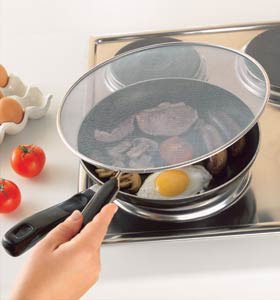
- Use a splatter guard: A fine mesh splatter screen keeps oil droplets in the pan.
- Lower heat when adding food: Reduce flame briefly, then restore it.
- Tilt and pour away from you: When draining oil or adding liquids, angle the pan so you move liquids away from your body.
- Keep a lid handy: If a flare-up starts, slide the lid on to smother flames.
I keep a splatter screen and a pair of long-handled tongs within reach. That small habit has saved time and skin.

Practical techniques to reduce splashing while cooking
Small technique changes work well and are easy to adopt.
Try these techniques:
- Dry and rest: Pat food dry and let it sit 10 minutes at room temp to reduce temperature shock.
- Add food slowly: Lower items gently into oil with tongs, not by dropping.
- Use oil depth wisely: Use enough oil to cook but not so much that it will overflow when food is added.
- Preheat gradually: Warm oil slowly rather than blasting it at max heat.
- Thaw properly: Thaw frozen food in the fridge and pat dry before cooking.
These steps helped me cut splatter and improved crust and flavor too. Less mess, better food.

Troubleshooting common splashing scenarios
If splashing still happens, try focused fixes for each case.
Scenario fixes:
- Frozen food splatters: Thaw fully and pat dry, or lower oil temperature when adding.
- Marinade splatter: Brush off excess marinade and dry surface before oiling the pan.
- Sugar in oil: Sugar caramelizes and can pop; reduce heat and stir gently.
- Large pieces causing big splashes: Cut items into smaller pieces or use a deeper pan.
If splashing persists despite these steps, review your heat settings and oil choice. Often a single change ends the issue.

Frequently Asked Questions of why oil splashes while cooking
Why does oil splatter when I add water?
Oil splatters because water vaporizes instantly in hot oil, making steam pockets that push oil outwards. This creates tiny droplets that fly off the pan.
Can the type of oil make splashing worse?
Yes. Thin oils heat fast and can reach high temps quickly, which raises the chance of violent steam formation when moisture is added.
Is it dangerous when oil splashes while cooking?
Yes. Hot oil droplets can cause burns and start small fires if they hit an open flame or heating element. Always take safety steps to reduce splatter.
Will covering the pan stop splashing?
A lid or splatter screen will stop most droplets from escaping. Use a screen to let steam out while keeping oil contained.
How do I stop splashing with frozen food?
Thaw frozen food fully and pat dry. If you must cook from frozen, lower the oil temperature when adding the food, then raise heat slowly.
Can seasoning or flour cause more splatter?
Yes. Moist marinades, wet batter, and flour coatings can add surface moisture or pockets that vaporize. Dry or shake off excess before cooking.
Conclusion
Oil splashes while cooking because moisture meets very hot oil and turns to steam. Knowing the physics and following a few simple habits—dry food, control heat, use proper oil, and use guards—reduces splatter a lot. Try one change tonight: pat your food dry before it hits the pan and notice the difference.
Take action now: apply one tip from this article during your next meal and share your result in the comments. I’d love to hear which fix worked best for you.
