

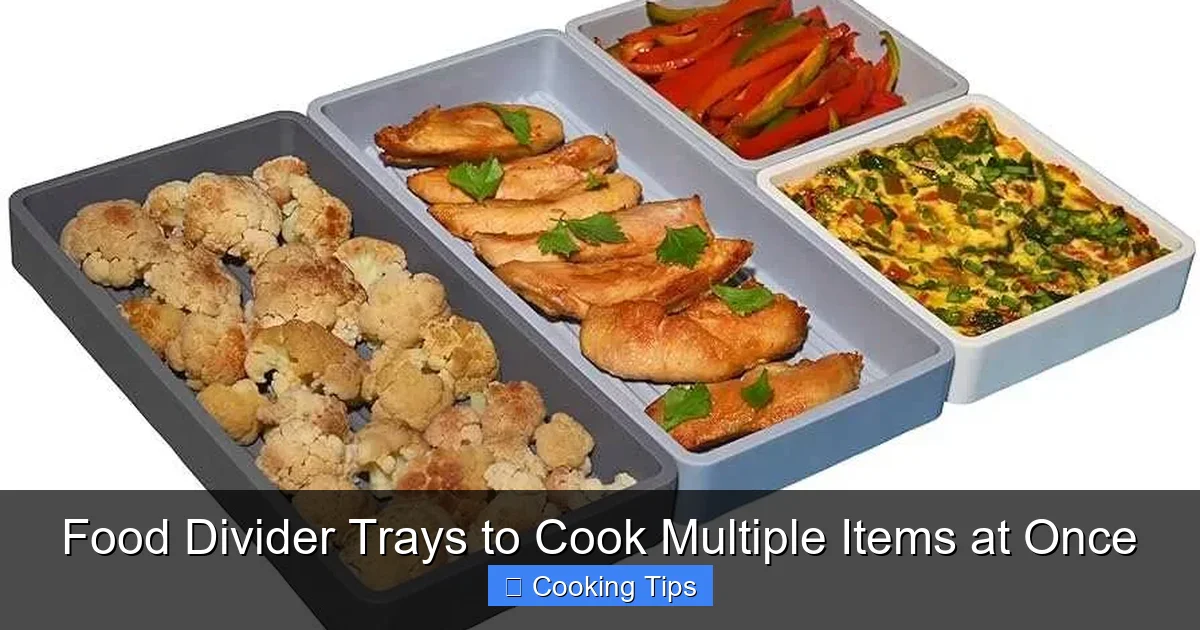
Unlock the secret to efficient meal preparation with food divider trays! These clever tools allow you to cook multiple items at once, saving you precious time and reducing cleanup. From busy weeknights to entertaining guests, learn how to maximize your cooking potential and enjoy diverse meals with minimal effort.
Key Takeaways
- Understand the Benefits: Food divider trays are a game-changer for busy kitchens, enabling simultaneous cooking of different food items, saving time, and minimizing the need for multiple pots and pans.
- Choose the Right Tray: Select trays made from food-safe, durable materials like stainless steel or silicone that are compatible with your cooking method (oven, stovetop, air fryer, etc.).
- Prep Ingredients Smartly: Cut ingredients to similar sizes and thicknesses to ensure even cooking across all sections of the divider tray.
- Master Cooking Times: Group ingredients with similar cooking times together or plan your cooking order, adding items in stages as needed.
- Optimize Heat Distribution: Ensure even heat circulation by not overcrowding the tray and allowing space between food items in each compartment.
- Experiment with Different Foods: Discover the versatility of divider trays by trying combinations like protein, vegetables, and starches, or sweet and savory dishes.
- Clean Up Efficiently: Most divider trays are dishwasher safe, making cleanup a breeze and further contributing to their time-saving benefits.
Food Divider Trays to Cook Multiple Items at Once
Are you tired of juggling multiple pots and pans on the stovetop? Do you find yourself spending hours in the kitchen trying to prepare a balanced meal with various components? If so, it’s time to introduce yourself to a kitchen secret weapon: the food divider tray. These ingenious tools are designed to revolutionize the way you cook, allowing you to prepare multiple dishes simultaneously, saving you precious time and reducing your post-meal cleanup. Get ready to discover the art of cooking multiple items at once with ease!
In this comprehensive guide, you’ll learn everything you need to know about food divider trays. We’ll cover what they are, the benefits they offer, how to choose the right one for your needs, and most importantly, step-by-step instructions on how to effectively use them to cook diverse meals simultaneously. Say goodbye to kitchen chaos and hello to streamlined, efficient cooking!
What are Food Divider Trays?
At their core, food divider trays are designed with built-in compartments or barriers. These divisions prevent different food items from mixing during the cooking process. Imagine a tray with separate sections, allowing you to cook chicken in one, broccoli in another, and roasted potatoes in a third – all at the same time, in the same pan or oven. They come in various materials and are designed for different cooking appliances, making them incredibly versatile.
The Amazing Benefits of Using Food Divider Trays
The advantages of incorporating food divider trays into your cooking routine are numerous and impactful. Let’s explore why they are such a valuable addition to any kitchen:
- Time-Saving Efficiency: This is arguably the biggest perk. Instead of cooking each component of your meal separately, you can prepare them all in one go. This drastically cuts down on cooking time, especially during busy weeknights when every minute counts.
- Reduced Cleanup: Think about it – one tray instead of multiple pots, pans, and baking sheets. This translates to significantly less washing up. Many divider trays are also dishwasher safe, making the entire process from cooking to cleanup a breeze.
- Perfect for Balanced Meals: Achieving a balanced meal with protein, vegetables, and carbohydrates can often mean using various cooking methods and appliances. Divider trays make it simple to cook all these elements together, ensuring you have a complete and nutritious meal ready at once.
- Ideal for Meal Prepping: If you’re a fan of meal prepping for the week, divider trays are a lifesaver. You can cook several components of your future meals simultaneously, portion them out, and have healthy lunches or dinners ready to go.
- Great for Diverse Tastes: Hosting a dinner party or cooking for a family with different dietary preferences or picky eaters? Divider trays allow you to prepare separate dishes for everyone without cross-contamination or extra effort.
- Space-Saving: By consolidating multiple cooking tasks into one appliance, you free up valuable stovetop or oven space.
Choosing the Right Food Divider Tray
With the growing popularity of these trays, the market offers a variety of options. Selecting the best one for your needs will depend on your cooking appliances and the types of food you typically prepare.
Material Matters
The material of your divider tray is crucial for durability, heat distribution, and food safety. Common options include:
- Stainless Steel: Durable, non-reactive, and excellent for even heat distribution. Great for ovens and stovetops.
- Silicone: Flexible, non-stick, and often safe for ovens, microwaves, and dishwashers. Best for baking and steaming applications.
- Ceramic/Glass: Aesthetically pleasing and great for even heating, but can be more fragile. Suitable for ovens.
- Non-Stick Coatings: Look for high-quality, PFOA-free non-stick coatings for easy food release and cleanup.
Compatibility with Your Appliances
Ensure the tray you choose is compatible with your primary cooking methods.
- Oven-Safe Trays: Most divider trays designed for baking or roasting are oven-safe. Check the maximum temperature rating.
- Stovetop-Safe Trays: Some multi-compartment skillets or inserts are designed for stovetop use.
- Air Fryer Liners/Trays: Specialized silicone or metal trays with dividers are available for air fryers.
- Instant Pot Accessories: Stackable inserts or divider accessories can be used in pressure cookers.
Size and Compartment Configuration
Consider how many different items you typically cook at once and the portion sizes you need. Trays come with varying numbers of compartments and different compartment sizes.
How to Cook Multiple Items at Once with Food Divider Trays: A Step-by-Step Guide
Now for the exciting part – putting your food divider tray to work! Follow these steps to master the art of simultaneous cooking.
Step 1: Plan Your Meal and Gather Your Ingredients
Before you begin, decide what you want to cook. Think about the different components of your meal – a protein, a vegetable, a starch, and perhaps a sauce.
Example Meal: Lemon Herb Chicken, Roasted Asparagus, and Garlic Potatoes.
* Protein: Chicken breast or thighs
* Vegetable: Fresh asparagus
* Starch: Baby potatoes, halved or quartered
Step 2: Prepare Your Ingredients for Even Cooking
This is a critical step for success. Aim to cut your ingredients into similar sizes and thicknesses. This ensures that everything cooks evenly and is ready at the same time.
* For the Lemon Herb Chicken: If using chicken breasts, you can pound them to an even thickness. If using thighs, ensure they are similar in size. Season generously with lemon juice, herbs (like rosemary and thyme), salt, and pepper.
* For the Roasted Asparagus: Trim the woody ends of the asparagus. You can toss them with olive oil, salt, and pepper.
* For the Garlic Potatoes: Halve or quarter baby potatoes so they are roughly the same size. Toss with olive oil, minced garlic, salt, and pepper.
Step 3: Preheat Your Oven (or Appliance) and Prepare the Divider Tray
Preheat your oven to the temperature required for your chosen ingredients. Typically, roasting vegetables and proteins at the same time can be done at a moderate to high temperature (e.g., 400°F or 200°C).
* If using a non-stick tray, a light coating of cooking spray or oil is usually sufficient.
* For stainless steel or ceramic trays, you might use a bit more oil or parchment paper for easier cleanup.
Step 4: Arrange Your Food in the Divider Tray
Place your prepared ingredients into their designated compartments.
* **Compartment 1 (Protein): Arrange the seasoned chicken pieces, ensuring they have a little space between them for even browning.
* **Compartment 2 (Vegetable): Place the seasoned asparagus in the second compartment.
* **Compartment 3 (Starch): Distribute the prepared potatoes in the third compartment.
Pro Tip: Don’t overcrowd the compartments! This is essential for allowing hot air to circulate and cook everything properly. If a compartment is too full, you won’t get the desired browning or crispiness.
Step 5: Cook and Monitor
Place the divider tray into your preheated oven. Cooking times will vary based on your ingredients, the size of your cuts, and your oven.
* Chicken: Typically takes 20-30 minutes, depending on thickness.
* Asparagus: Usually cooks in 10-15 minutes.
* Potatoes: Can take 25-40 minutes, depending on size, until tender and golden.
Important: This is where the “multiple items” part gets interesting. You’ll need to be mindful of the different cooking times.
* **Staggered Cooking:** If your items have vastly different cooking times (like delicate fish and root vegetables), you might add the longer-cooking items first and then add the shorter-cooking items partway through.
* Simultaneous Cooking: For our example meal, the potatoes will likely need the longest. You can start the potatoes first for about 10-15 minutes. Then, add the chicken to the tray. Finally, add the asparagus in the last 15-20 minutes of cooking. This way, everything finishes around the same time.
Check for doneness by piercing the chicken with a fork (juices should run clear), checking if the asparagus is tender-crisp, and if the potatoes are fork-tender and golden.
Step 6: Rest and Serve
Once cooked, remove the tray from the oven. Allow the chicken to rest for a few minutes before serving. You can then plate each component directly from the divider tray for a beautifully presented, perfectly cooked, multi-component meal.
Troubleshooting Common Issues
Even with the best tools, sometimes things don’t go as planned. Here are a few common issues and how to fix them:
- Uneven Cooking: If one item is consistently cooking faster or slower, ensure your ingredients were cut to similar sizes and thicknesses. Also, check that you’re not overcrowding the compartments. Try rearranging the items or adjusting your oven rack position.
- Food Sticking: If using a non-stick tray, ensure it’s properly seasoned or lightly oiled. For stainless steel, using parchment paper or a bit more oil can help.
- Lack of Browning/Crispiness: This can happen if there’s too much moisture or if the compartments are overcrowded. Ensure good air circulation. For potatoes or other starches, a higher heat or a longer cooking time might be needed, possibly towards the end of cooking uncovered.
- Odor Transfer: While less common with high-quality materials, strong-smelling foods can sometimes impart a slight odor. Thorough cleaning after each use is key.
Beyond Roasting: Other Uses for Food Divider Trays
While roasting is a popular application, food divider trays are versatile.
- Air Fryer Meals: Use silicone or metal divider trays to cook fries, chicken wings, and vegetables in your air fryer simultaneously.
- Steaming: Stackable divider inserts can be used in a pot with water to steam multiple types of dumplings or vegetables at once.
- Baking: Prepare a sweet and savory batch of muffins or mini quiches in the same baking tray.
- Stovetop Meals: Multi-compartment skillets are fantastic for cooking eggs, bacon, and pancakes all at the same time for a full breakfast.
Conclusion
Food divider trays are a brilliant and simple solution for anyone looking to streamline their cooking process. They empower you to cook multiple items at once, saving you significant time and effort while expanding your culinary possibilities. By understanding how to choose the right tray, prepare your ingredients, and manage cooking times effectively, you can transform your weeknight dinners and weekend entertaining. Embrace the efficiency and enjoy the delicious, diverse meals that food divider trays make possible! Happy cooking!
