

Discover the versatility of reusable silicone baking cups for crafting delicious egg bites and a variety of healthy snacks. This guide provides a comprehensive walkthrough, from preparation to cleanup, ensuring you get the most out of these eco-friendly kitchen tools. You’ll learn tips for perfect results and how to make them a staple in your meal prep routine.
Reusable Silicone Baking Cups for Egg Bites and Snacks
Are you tired of wrestling with flimsy paper muffin liners or struggling to get your homemade egg bites to release cleanly from your pan? Do you find yourself reaching for single-use plastic wrap for portioning snacks? If so, it’s time to embrace a game-changer in your kitchen: reusable silicone baking cups. These handy little wonders are not only eco-friendly but also incredibly versatile, making them perfect for everything from savory egg bites to sweet treats and pre-portioned snacks.
In this comprehensive guide, we’ll walk you through everything you need to know to become a pro at using reusable silicone baking cups. We’ll cover how to prepare them, fill them, bake with them, clean them, and store them, ensuring you get the most out of these fantastic kitchen tools. Get ready to simplify your cooking and meal prep!
Key Takeaways
- Effortless Release: Silicone’s non-stick properties make removing egg bites and snacks a breeze, eliminating the need for greasing.
- Versatile Use: Beyond egg bites, these cups are perfect for mini muffins, portioned desserts, or even freezing individual snacks.
- Easy Cleaning: Silicone cups are dishwasher-safe, making cleanup quick and convenient.
- Durable and Reusable: Invest in a sustainable kitchen solution that reduces waste from disposable liners.
- Even Cooking: Silicone promotes consistent heat distribution, leading to evenly cooked treats every time.
- Space-Saving Storage: Their flexible nature allows them to be stacked or nested, saving valuable cupboard space.
What Are Reusable Silicone Baking Cups?
Reusable silicone baking cups are small, flexible cups made from food-grade silicone. They are designed to replace disposable paper liners or to be used directly in muffin tins, air fryers, or even on baking sheets. Their non-stick surface and durability make them an excellent choice for a variety of baking and cooking tasks.
Why Choose Silicone Baking Cups?
* Eco-Friendly: Reduce waste by opting out of single-use paper or plastic liners.
* Cost-Effective: While the initial investment might be slightly higher, their reusability saves you money in the long run.
* Non-Stick: Food releases effortlessly, saving you time and frustration.
* Versatile: Use them for baking, freezing, portioning, and more.
* Durable: They can withstand high temperatures and repeated use.
* Easy to Clean: Most are dishwasher safe.
Getting Started: Your First Batch of Egg Bites

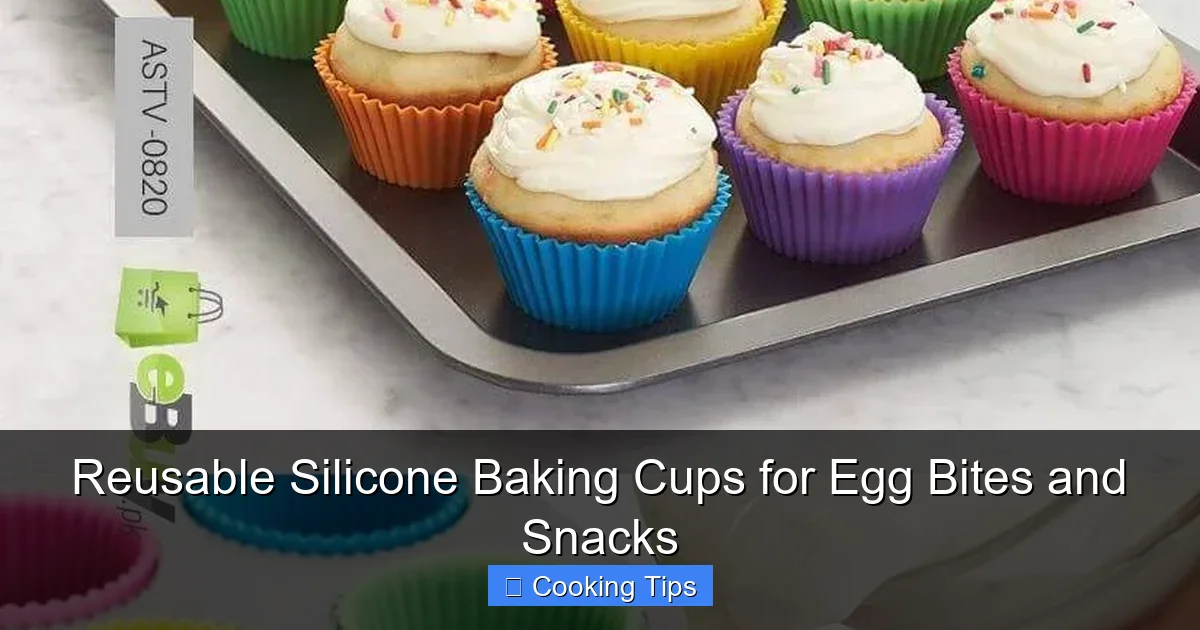
Visual guide about Reusable Silicone Baking Cups for Egg Bites and Snacks
Image source: m.media-amazon.com
Egg bites are a fantastic way to start your journey with silicone baking cups. They are quick, customizable, and perfect for on-the-go breakfasts or snacks.
Step 1: Prepare Your Silicone Baking Cups
Unlike traditional baking, silicone cups often don’t require greasing. The food-grade silicone is naturally non-stick. However, if you’re concerned about sticking or baking something particularly delicate, a very light coating of cooking spray or a tiny dab of butter can be applied.
Step 2: Preheating Your Oven and Preparing Your Pan
For most recipes, you’ll preheat your oven according to the recipe’s instructions. If you’re making egg bites, placing your silicone cups directly into a standard muffin tin provides stability. This is especially helpful when pouring in wet ingredients. If you don’t have a muffin tin, you can place them on a baking sheet, but ensure they are stable.
Step 3: Filling Your Silicone Cups
This is where the fun begins! For egg bites, whisk your eggs with your desired additions – think cheese, cooked vegetables, herbs, or even bits of bacon. Pour the mixture into each silicone cup, filling it about two-thirds to three-quarters full. This allows room for the egg to expand slightly as it cooks.
Practical Tip:
Don’t overfill your cups! This can lead to overflow and a messy baking experience.
Step 4: Baking Your Egg Bites
Place the muffin tin (with the filled silicone cups) into your preheated oven. Baking times will vary depending on your oven and the size of your cups, but typically range from 15 to 25 minutes at around 350°F (175°C). You’ll know they’re done when the edges are set and the center is no longer jiggly.
Step 5: Cooling and Releasing
Once baked, carefully remove the muffin tin from the oven. Let the egg bites cool in the tin for a few minutes. This helps them firm up. Then, gently push up from the bottom of each silicone cup to release the perfectly formed egg bite. They should pop out with ease!
Beyond Egg Bites: Creative Uses for Silicone Baking Cups
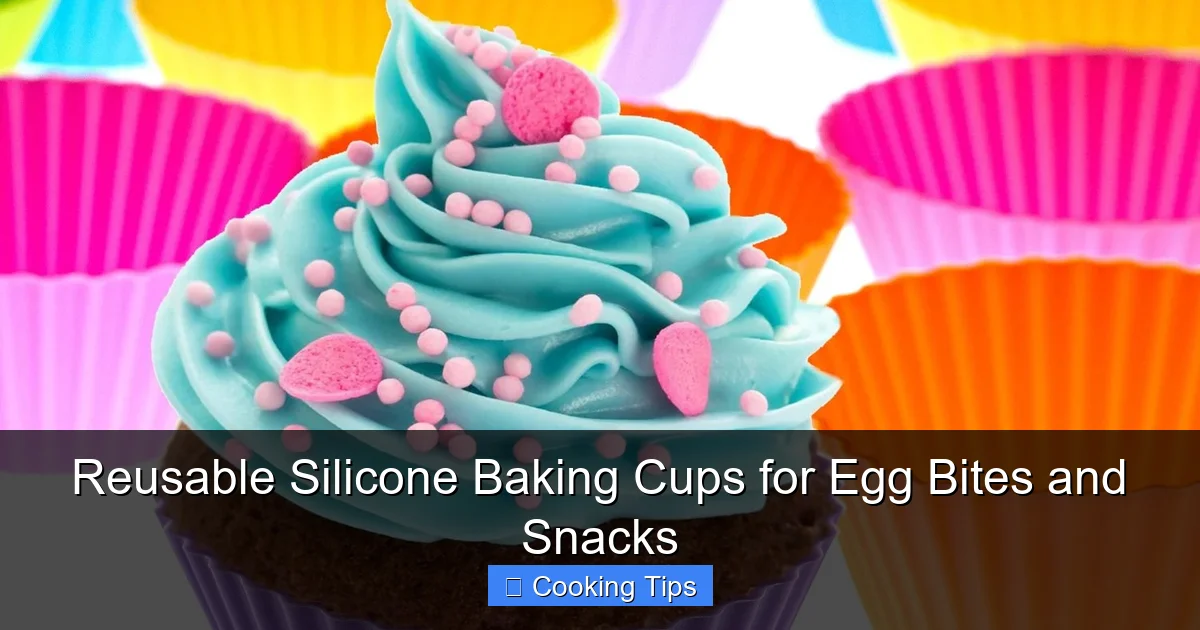
Visual guide about Reusable Silicone Baking Cups for Egg Bites and Snacks
Image source: couponsforyourfamily.com
The versatility of reusable silicone baking cups extends far beyond savory egg bites. Here are some other delicious and practical ways to use them:
Mini Muffins and Cupcakes
Just like with traditional liners, silicone cups are perfect for baking individual-sized muffins and cupcakes. They ensure an easy release and a consistent bake.
Portioned Desserts
From mini cheesecakes to brownies or even single-serving crumbles, silicone cups are ideal for creating perfectly portioned sweet treats.
Freezing Snacks
Want to portion out individual servings of yogurt, smoothie mixtures, or even homemade baby food? Fill your silicone cups, freeze them, and then pop out the frozen portions to store in a freezer bag. This is a fantastic way to meal prep for busy weeks.
Baking Small Batches
If you’re making just a few cookies or mini tarts, silicone cups can be a convenient alternative to a full baking sheet.
Portion Control for Snacks
Use them to measure and serve snacks like nuts, berries, or chopped veggies for kids or for yourself as a healthy portion-controlled snack.
Cleaning and Caring for Your Silicone Baking Cups
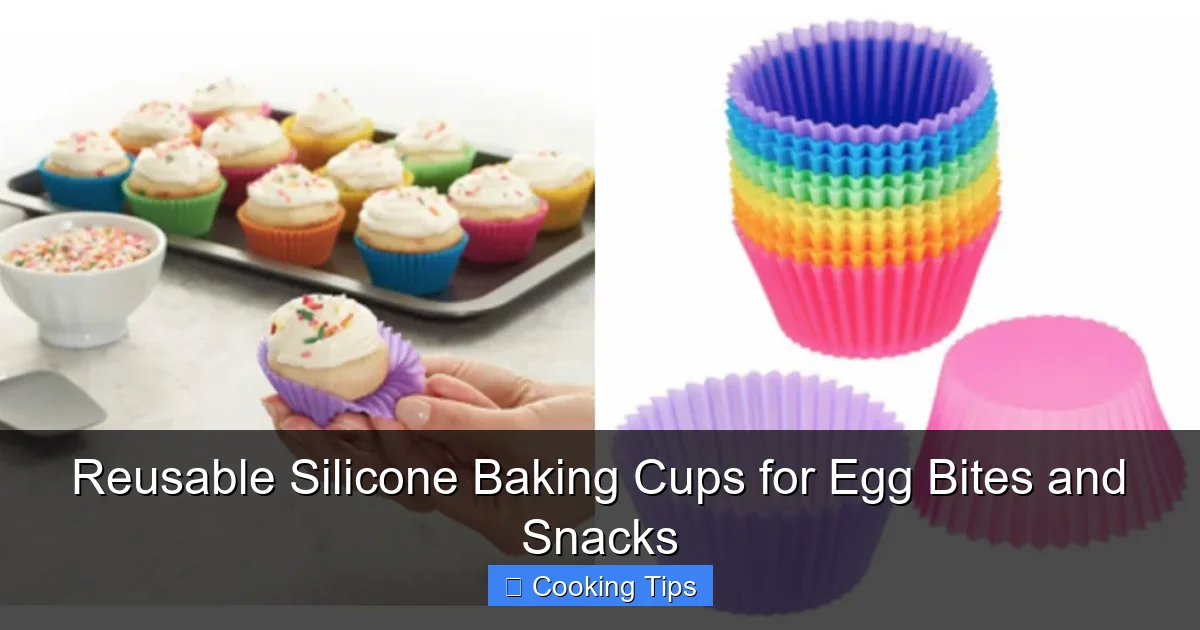
Visual guide about Reusable Silicone Baking Cups for Egg Bites and Snacks
Image source: freebies2deals.com
One of the biggest advantages of reusable silicone baking cups is how easy they are to clean.
Method 1: Dishwasher Cleaning
The simplest method is to toss them into your dishwasher. Most silicone baking cups are dishwasher safe. Simply rinse off any loose debris and place them on the top rack for a thorough cleaning.
Method 2: Hand Washing
If you prefer to hand wash or don’t have a dishwasher, it’s just as easy.
- Rinse: Rinse the cups under warm water to remove any immediate residue.
- Wash: Use a soft sponge or cloth with warm, soapy water. Gently scrub the inside and outside of the cups. For stubborn bits, a little baking soda paste can work wonders.
- Rinse Again: Thoroughly rinse with clean water to remove all soap.
- Dry: Air dry them on a drying rack or pat them dry with a clean kitchen towel.
Dealing with Stubborn Stains or Odors
While silicone is generally resistant to stains and odors, sometimes persistent residues can occur.
- Baking Soda Paste: Mix baking soda with a little water to form a paste. Apply to the stained area, let it sit for 15-30 minutes, then scrub and rinse.
- Vinegar Soak: For tough odors, soak the cups in a solution of equal parts white vinegar and water for a few hours or overnight. Rinse thoroughly afterward.
- Boiling: For deep sanitization or to remove strong odors, you can boil the silicone cups in water for a few minutes. Ensure they are completely cooled before handling.
Storage Tips
Reusable silicone baking cups are wonderfully space-saving.
- Nesting: They are designed to nestle inside each other, taking up minimal space in your drawers or cupboards.
- Stacking: Many sets can also be stacked securely.
- Containers: Keep them organized by storing them in a small container or a resealable bag.
Troubleshooting Common Issues
While silicone baking cups are generally problem-free, here are a few tips to address minor hiccups:
Issue: Food Sticking to the Cups
Solution: While silicone is non-stick, sometimes certain ingredients or very prolonged baking can cause minor sticking. Ensure you are not overbaking. For recipes prone to sticking, a very light application of cooking spray or oil before filling can help. Also, make sure to let the baked goods cool slightly before attempting to release them.
Issue: Cups Collapsing During Baking
Solution: This is most common when cups are not placed in a supporting muffin tin or on a stable baking sheet. Always use a muffin tin for added stability, especially when filling with liquid ingredients like egg mixtures. Ensure the baking sheet is flat and level.
Issue: Lingering Odors
Solution: As mentioned in the cleaning section, thorough washing, soaking in vinegar, or even boiling can help eliminate persistent odors. Ensure they are completely dry before storing them, as moisture can sometimes trap smells.
Conclusion
Reusable silicone baking cups are a brilliant addition to any kitchen. They offer an eco-friendly, cost-effective, and incredibly convenient way to prepare a wide variety of foods, from perfectly formed egg bites to delightful mini muffins and portioned snacks. With their easy cleanup and durable design, you’ll wonder how you ever managed without them. So, invest in a set today and start enjoying the simplicity and versatility they bring to your culinary adventures! Happy baking!
