

Most common mistakes are undercooking, overcooking, poor seasoning, and unsafe handling.
I have cooked chicken for years in home kitchens and commercial settings. I wrote this guide to help you spot and fix the common mistakes while cooking chicken at home. I will show why these mistakes happen, how to avoid them, and small habits that make a big taste and safety difference. Read on for clear tips, real examples, and steps you can use tonight.
:max_bytes(150000):strip_icc()/Cajun_Fried_Chicken_009-39ee50a54cd84b7cb47bb801a1b63815.jpg)
Why these mistakes happen
Most mistakes while cooking chicken at home come from rush, fear, or habit. People skip steps to save time. Others rely on looks alone to judge doneness. That leads to unsafe or dry chicken. Knowing the why helps you stop repeating the same errors.
Common causes include poor planning, wrong tools, and misunderstanding food safety. I once served dry chicken after crowding the pan. I learned to space pieces and use a thermometer. Small fixes change results.

Top 12 mistakes while cooking chicken at home
Below are the biggest and most frequent mistakes while cooking chicken at home. I explain each error and what happens when you do it.
- Relying on color alone to check doneness. Color is unreliable. Use a meat thermometer for 165°F in the thickest part.
- Not using a meat thermometer. Guesswork causes undercooked or overcooked chicken. A thermometer is fast and accurate.
- Overcrowding the pan. Crowding lowers pan temperature. Chicken steams instead of browns.
- Not letting chicken rest. Cutting right away loses juices. Rest for 5 to 10 minutes for moist meat.
- Cooking straight from frozen. This leads to uneven cooking and long cook times. Thaw safely before cooking.
- Underseasoning or seasoning unevenly. Bland chicken results from weak seasoning. Salt early and taste as you go.
- Using the wrong cooking oil or temperature. Low smoke point oils burn and taste bad. Match oil to method.
- Poor food safety and cross-contamination. Using the same board for raw chicken and salad spreads bacteria. Clean and separate tools.
- Marinating too long or too short. Acidic marinades can make texture mealy if left too long. Follow time guidelines.
- Not trimming excess fat and skin. Excess adds flare-ups and uneven cooking. Trim for even results and safety.
- Ignoring recipe timing and carryover cooking. High heat can overshoot doneness. Plan for residual heat.
- Skipping brining for lean cuts. Brining adds moisture and flavor to breasts. Simple brine prevents dry meat.
I include lots of examples from my own cooking. For instance, once I brined breasts for 30 minutes and the result was noticeably juicier. These simple changes fix many common mistakes while cooking chicken at home.

How to avoid these mistakes while cooking chicken at home
Preventing these mistakes is easier than you think. Use clear steps and a few tools.
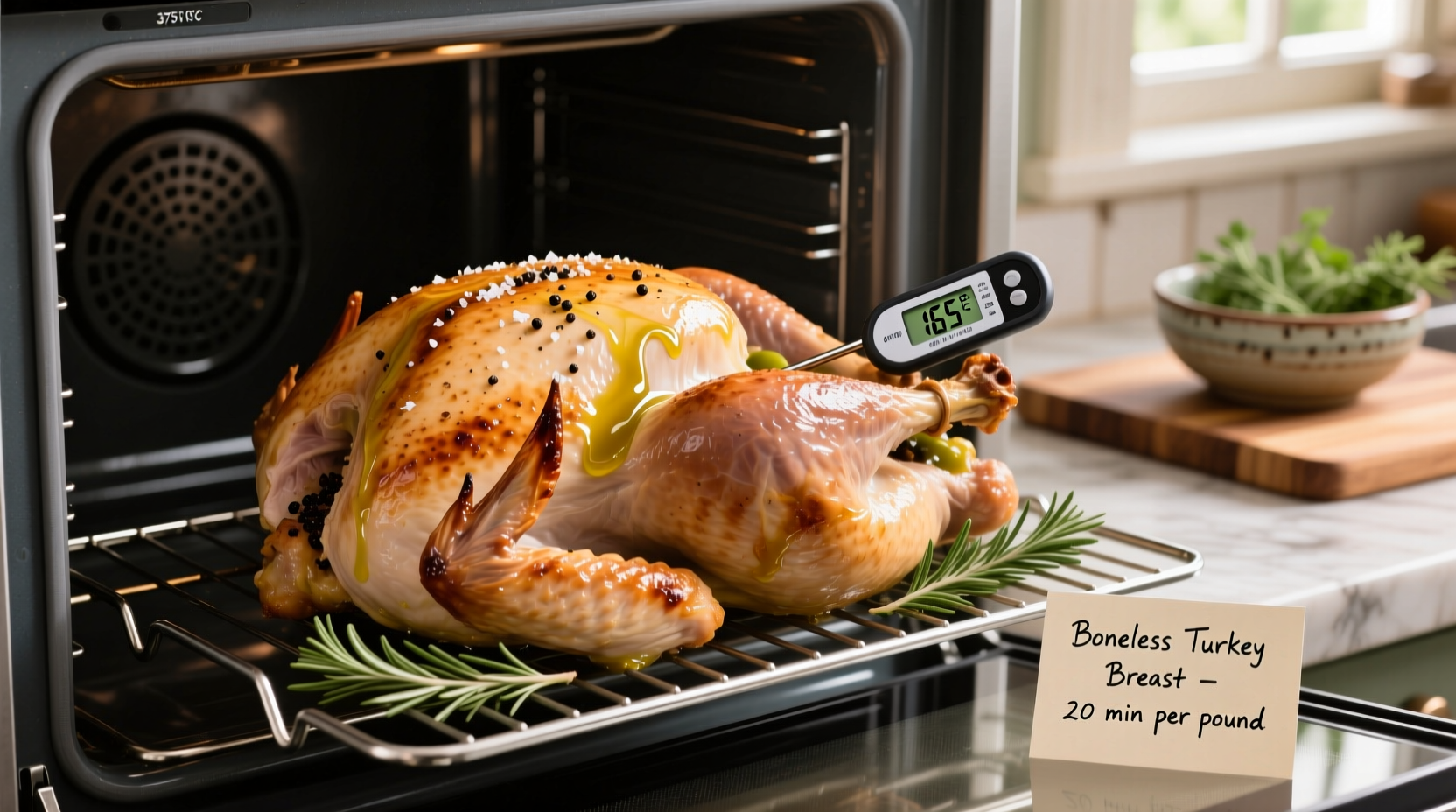
- Use a reliable instant-read thermometer. Check the thickest part. Target 165°F for safety.
- Plan and prep in advance. Thaw, season, and set tools out before heat. Prep reduces rushed errors.
- Space chicken pieces. Leave room for air and steam to escape. This helps browning.
- Brine or use a simple marinade. A 30 to 60 minute brine keeps breasts juicy. Avoid long acidic marinating.
- Rest cooked chicken. Let it sit 5 to 10 minutes. This lets juices redistribute.
- Clean surfaces immediately. Wash cutting boards, utensils, and hands after handling raw chicken.
- Adjust heat and oil. Use oils with proper smoke points. Moderate heat cooks evenly.
I always keep a thermometer and a timer nearby. That habit stopped my overcooked chicken days. Small changes protect flavor and safety.
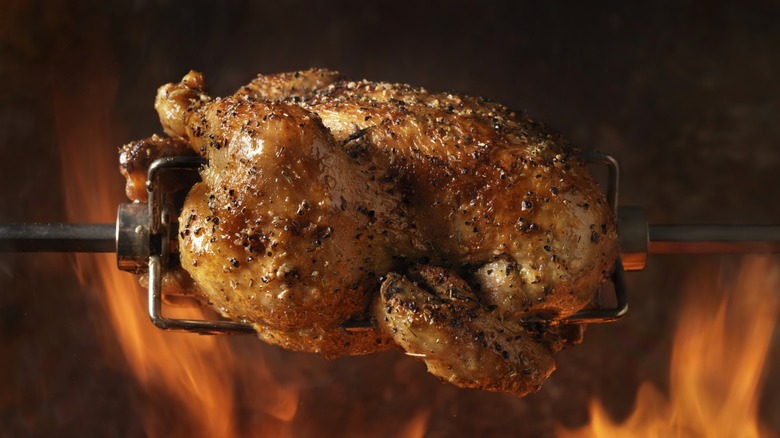
Food safety and temperature guide
Food safety is the top reason to avoid common mistakes while cooking chicken at home. Undercooked chicken can make people sick. Follow simple temp rules.
- Safe internal temperature. Cook chicken to 165°F measured at the thickest spot. This kills harmful bacteria.
- Safe thawing methods. Thaw in the fridge overnight, in cold water changed every 30 minutes, or in the microwave before cooking.
- Storage and leftovers. Refrigerate within two hours and eat within 3 to 4 days. Reheat to at least 165°F.
- Cross-contamination control. Use separate boards for raw meat and ready-to-eat foods. Clean and sanitize surfaces.
I once had to toss a batch after leaving it out too long. Since then, I set strict timing rules. They keep meals safe.

Thawing, marinating, and timing best practices
Timing matters. Many mistakes while cooking chicken at home occur during prep. Use clear windows for each step.
- Thaw safely in the fridge. It takes 24 hours for a whole chicken and less for pieces. Cold-water thaw is faster but hands-on.
- Marinate with care. Chicken pieces: 30 minutes to 12 hours depending on acidity. Avoid over-marinating in strong acids.
- Brine for extra moisture. Basic brine is water, salt, and sugar for 30 minutes to a few hours. It adds juiciness.
- Manage carryover cooking. Rest chicken to let residual heat finish the cook. Reduce oven temp or remove early if needed.
These steps cut the most common timing errors. I keep a simple chart on my fridge for times. It helps on busy nights.
:max_bytes(150000):strip_icc()/Air_Fryer_Lemon_Pepper_Wings_294_4x3-2000-4a1d59cb31dc4dbf91ba172fbb88118a.jpg)
Tools and techniques that help
Right tools fix many mistakes while cooking chicken at home. You don’t need fancy gear. Good basics work best.
- Instant-read digital thermometer. Fast, precise, inexpensive.
- Heavy skillet or oven-safe pan. Holds steady heat for even sear.
- Tongs and wire rack. Tongs flip without piercing. A rack keeps air flowing.
- Kitchen timer. Stops guesswork and rushing.
I learned the thermometer rule the hard way. Once I bought a small thermometer, my confidence rose. Simple tools help you cook better every time.
Common recipe-specific pitfalls
Different recipes have unique traps. Know them to avoid common mistakes while cooking chicken at home.
- Grilled chicken: watch flare-ups and thick vs thin pieces. Use indirect heat for thicker cuts.
- Oven-baked chicken: avoid very high temps without oil. Use a shallow pan for even heat.
- Stir-fry: cut pieces uniformly. Small uneven pieces cook unevenly.
- Poaching: keep a gentle simmer. A hard boil makes chicken tough.
In my experience, matching method to cut solves most issues. Thighs tolerate high heat. Breasts need gentler care.
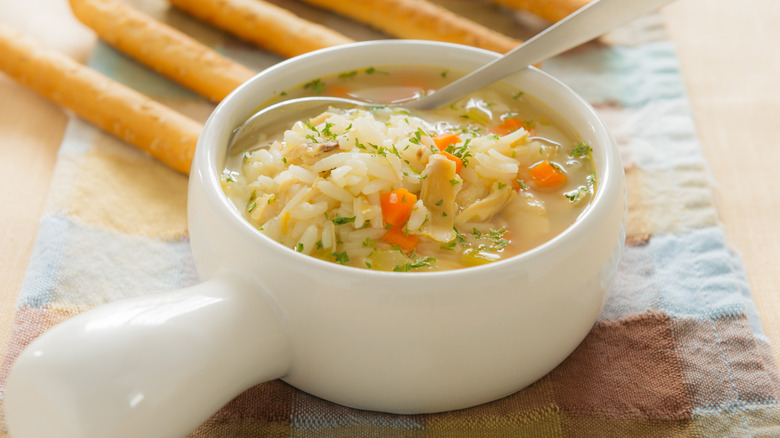
Troubleshooting: fix dry, raw, or bland chicken
If things go wrong, don’t panic. Here are quick fixes for common outcomes.
- Dry chicken: slice thin and serve with sauce or stock. Rest next time and use brine.
- Slightly undercooked: return to heat until 165°F. Cut into larger pieces to finish evenly.
- Bland chicken: finish with finishing salt, lemon, or fresh herbs. A quick butter or sauce brightens flavor.
- Tough texture: lower heat and cook slower next time. Consider braising for tough pieces.
I once saved undercooked pieces by finishing in a sauce. It worked well. Small fixes rescue many meals.

Personal lessons and real-life tips
I’ve cooked chicken for family, friends, and guests. These are lessons I learned and still use.
- Always use a thermometer. No more guessing.
- Season early. Salt helps flavor move into meat.
- Do not crowd pans. Give pieces room to brown.
- Keep a simple brine recipe. It makes weeknight chicken taste better.
- Clean as you go to avoid cross-contamination.
These habits cut errors and keep meals better. Treat chicken with respect and small rewards follow.
Frequently Asked Questions of mistakes while cooking chicken at home
How can I tell if chicken is cooked without a thermometer?
Look for clear juices and no pink in the thickest part, but this is not foolproof. The best way is to use an instant-read thermometer and confirm 165°F.
Is it safe to cook chicken from frozen?
You can cook from frozen, but it takes longer and may cook unevenly. Thawing in the fridge or cold water gives better results and fewer mistakes while cooking chicken at home.
How long should I brine chicken breast?
Brine small breasts for 30 minutes to 2 hours for best results. Over-brining can make texture too soft with acidic mixes.
Can I reuse a marinade that touched raw chicken?
Do not reuse it as-is. Boil it for several minutes to kill bacteria or reserve a separate portion before adding raw meat. This prevents cross-contamination.
Why is my grilled chicken charred outside but raw inside?
High heat and uneven piece thickness cause this. Cook thicker pieces over indirect heat and finish slower to allow the center to reach 165°F.
Conclusion
Avoiding mistakes while cooking chicken at home comes down to planning, using the right tools, and simple safety steps. Trust a thermometer, prep well, and rest your meat for better flavor and safety. Try one habit change this week, like using a brine or a thermometer, and you’ll taste the difference. Share your wins or questions below, and subscribe for more cooking tips.
