

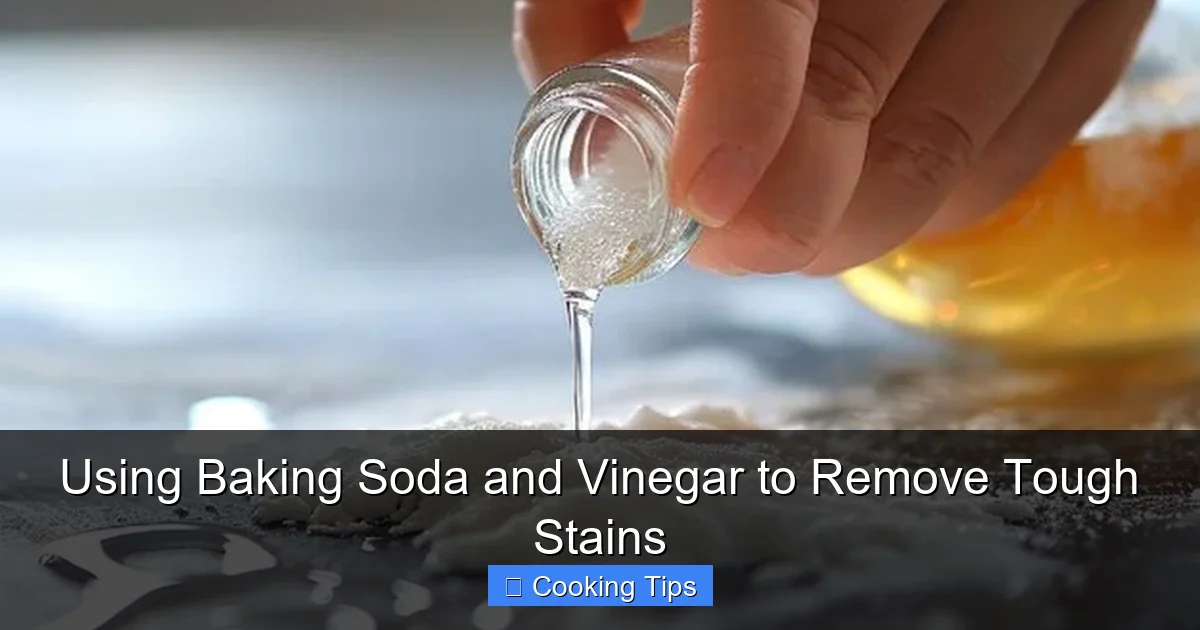
Learn how to use two common household ingredients, baking soda and vinegar, to tackle a wide range of tough stains. This natural cleaning method is eco-friendly, cost-effective, and surprisingly powerful. We’ll walk you through step-by-step instructions for various stain types and materials, so you can refresh your home without harsh chemicals.
Key Takeaways
- The Power of Two: Baking soda and vinegar are a dynamic duo for stain removal due to their chemical reactions, which help lift and break down stains.
- Versatile Cleaning Agents: This combination is effective on a surprising variety of stains, from food and grease to ink and mildew.
- Natural and Safe: Unlike commercial cleaners, baking soda and vinegar offer a non-toxic, environmentally friendly alternative, making them safe for homes with children and pets.
- Cost-Effective Solution: You likely already have these ingredients in your pantry, saving you money on specialized cleaning products.
- Material Considerations: While generally safe, it’s crucial to test baking soda and vinegar on an inconspicuous area of the material first to avoid discoloration or damage.
- Gentle Abrasive Power: Baking soda acts as a mild abrasive, while vinegar’s acidity helps to cut through grime and neutralize odors.
- Patience is Key: For stubborn stains, allowing the baking soda and vinegar mixture to sit for a while can significantly improve its effectiveness.
Unlocking the Cleaning Power of Baking Soda and Vinegar
Stubborn stains can be a homeowner’s nemesis. Whether it’s a splash of red wine on your favorite rug, a grease mark on your kitchen counter, or mildew in your bathroom, these blemishes can feel impossible to remove. Fortunately, you don’t need a cabinet full of harsh, expensive chemicals to get the job done. Your pantry likely holds two of the most effective, natural cleaning powerhouses available: baking soda and vinegar.
This guide will demystify the process of using baking soda and vinegar to conquer tough stains. We’ll explore the science behind why this simple combination works so well, provide step-by-step instructions for various common stains, and offer practical tips to ensure you get the best results. Get ready to discover how these humble ingredients can transform your cleaning routine and leave your home sparkling.
Why Baking Soda and Vinegar are a Stain-Fighting Dream Team
Before we dive into the practical applications, it’s helpful to understand why baking soda and vinegar are such effective stain removers.
* Baking Soda (Sodium Bicarbonate): This is a mild alkali and a gentle abrasive. Its alkalinity helps to break down acidic stains like those from tomato sauce or fruit. Its abrasive nature allows it to lift and scrub away dried-on grime without scratching most surfaces. It’s also a fantastic odor absorber.
* Vinegar (Acetic Acid): White vinegar, in particular, is an acid. Its acidity is effective at cutting through grease, grime, soap scum, and mineral deposits. It also acts as a natural disinfectant and helps to neutralize alkaline stains.
When these two ingredients meet, they create a fascinating chemical reaction. The baking soda (alkali) reacts with the vinegar (acid) to produce carbon dioxide gas, water, and sodium acetate. This fizzing action, while entertaining, also helps to physically lift stains from surfaces. More importantly, it amplifies the individual cleaning properties of each ingredient.
Getting Started: What You’ll Need
To embark on your baking soda and vinegar stain-removal journey, gather these basic supplies:
* Baking soda
* White vinegar (distilled white vinegar is best for cleaning)
* Clean cloths or sponges
* An old toothbrush or small brush
* A spray bottle (optional, for vinegar)
* Water
* A small bowl or container for mixing
Tackling Common Tough Stains with Baking Soda and Vinegar
Let’s get to the good stuff! Here’s how to use this dynamic duo on various stains. Always remember to test any cleaning solution on an inconspicuous area first, especially on delicate fabrics or surfaces.
1. Grease and Oil Stains
Grease stains, whether from cooking or everyday wear, can be notoriously difficult. Baking soda and vinegar are excellent at cutting through this oily residue.
On Fabric:
For fresh grease stains on clothing or upholstery:
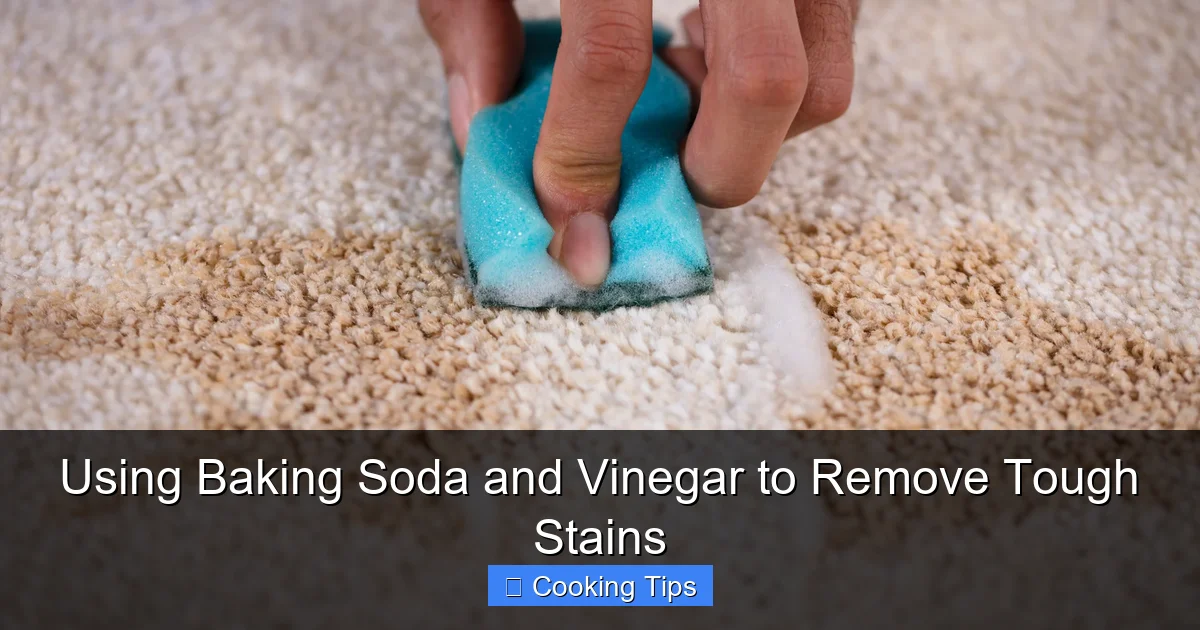
Visual guide about Using Baking Soda and Vinegar to Remove Tough Stains
Image source: scrubnbubbles.com
- Blot the stain: Gently blot up as much excess grease as possible with a clean cloth or paper towel. Avoid rubbing, as this can spread the stain.
- Apply baking soda: Generously sprinkle baking soda directly onto the stain, ensuring it’s completely covered. The baking soda will absorb the oil.
- Let it sit: Allow the baking soda to work for at least 30 minutes, or even a few hours for tougher stains. You’ll see it absorb the grease.
- Scrape off excess: Gently brush or scrape off the baking soda.
- Vinegar pre-treatment: Mix a paste of baking soda and a little water, or a solution of equal parts vinegar and water. Apply this to the remaining stain.
- Launder as usual: Wash the item in the hottest water recommended for the fabric. Check the stain before drying; if it’s still there, repeat the process. Never dry a stained item in a hot dryer, as this can set the stain permanently.
On Countertops and Other Surfaces:
- Wipe up excess: Remove any loose food particles or excess grease.
- Sprinkle baking soda: Cover the greasy area with a layer of baking soda.
- Spray with vinegar: Lightly spray or drizzle white vinegar over the baking soda. It will start to fizz.
- Scrub gently: Use a damp cloth or sponge to gently scrub the area. The baking soda acts as a mild abrasive, and the vinegar cuts through the grease.
- Rinse and wipe dry: Rinse the area with clean water and wipe dry with a clean cloth.
2. Coffee, Tea, and Red Wine Stains
These common beverage stains can leave unsightly marks on fabrics, carpets, and even hard surfaces.
On Fabric/Carpet:
- Blot immediately: Absorb as much liquid as possible with a clean cloth.
- Make a baking soda paste: Mix baking soda with a little water to create a thick paste.
- Apply paste: Apply the paste generously over the stain.
- Let it dry: Allow the paste to dry completely. As it dries, it will lift the stain.
- Brush off: Once dry, brush off the dried baking soda.
- Vinegar rinse: For tougher stains, follow up by gently blotting the area with a cloth dampened with a solution of equal parts white vinegar and water.
- Rinse and blot: Rinse the area with clean water and blot dry.
On Mugs and Dishes:
- Sprinkle baking soda: Add a tablespoon or two of baking soda to the stained mug or dish.
- Add vinegar: Pour in a little white vinegar. The mixture will fizz.
- Scrub: Use a damp sponge or brush to scrub the inside of the mug or dish.
- Rinse: Rinse thoroughly with water.
3. Mildew and Mold Stains
Mildew and mold thrive in damp environments and can cause unsightly black or green spots.
In Bathrooms (Grout, Shower Curtains):
- Make a thick paste: Mix baking soda with just enough white vinegar to form a thick, spreadable paste.
- Apply paste: Apply the paste directly to the mildewed areas. For grout, an old toothbrush is excellent for application.
- Let it sit: Let the paste sit for at least 15-30 minutes, or longer for stubborn mildew.
- Scrub: Use a brush (like an old toothbrush or grout brush) to scrub the area vigorously.
- Rinse: Rinse thoroughly with water.
- Dry thoroughly: Ensure the area is dried completely to prevent mildew from returning.
Note: For extensive mold issues, consult a professional.
4. Ink Stains
Ink can be tricky, but baking soda and vinegar can help!
On Fabric:
- Place absorbent material: Put a clean cloth or paper towel under the stain to catch any ink that bleeds through.
- Sprinkle baking soda: Cover the ink stain with baking soda.
- Add vinegar: Slowly add white vinegar to the baking soda. The fizzing action can help lift the ink.
- Dab: Gently dab at the stain with another clean cloth. Continue adding vinegar and dabbing until the ink is no longer transferring to the cloth.
- Rinse and launder: Rinse the area and then wash the garment as usual. Repeat if necessary before drying.
5. Water Stains and Rings
Hard water rings and mineral deposits can mar surfaces.
On Glassware and Chrome Fixtures:
- Apply baking soda: Sprinkle baking soda onto a damp cloth.
- Rub gently: Gently rub the stained areas.
- Spray with vinegar: Spray or drizzle white vinegar onto the area and let it fizz for a few minutes.
- Wipe clean: Wipe the area with a clean, damp cloth.
- Buff dry: Buff dry with a clean, lint-free cloth for shine.
6. Odor Removal
While not strictly a stain, odors are a common cleaning challenge. Baking soda is a superstar here.
In Carpets and Upholstery:
- Sprinkle generously: Sprinkle a liberal amount of dry baking soda over the affected area.
- Let it sit: Let it sit for at least 15-30 minutes, or overnight for strong odors.
- Vacuum: Thoroughly vacuum up the baking soda.
In Drains:
- Pour baking soda: Pour about half a cup of baking soda down the drain.
- Follow with vinegar: Pour about half a cup of white vinegar down the drain. It will fizz vigorously.
- Let it work: Let it sit for 15-30 minutes.
- Flush with hot water: Flush the drain with plenty of hot water.
Important Considerations and Troubleshooting

Visual guide about Using Baking Soda and Vinegar to Remove Tough Stains
Image source: athomeontheprairie.com
While baking soda and vinegar are remarkably safe and effective, there are a few things to keep in mind:
* Test First: Always test on an inconspicuous area of the fabric, carpet, or surface before tackling the main stain. This is especially important for delicate materials like silk, wool, or certain types of wood finishes.
* Don’t Mix with Other Cleaners: Never mix baking soda and vinegar with bleach or other commercial cleaning products. This can create dangerous fumes or chemical reactions.
* Vinegar Can Discolor: While rare, vinegar can sometimes lighten or discolor certain fabrics or surfaces. Again, testing is key.
* Not for All Surfaces: Avoid using vinegar on natural stone like marble or granite, as its acidity can etch the surface. It’s also not recommended for unsealed grout or porous surfaces that might absorb the acidity.
* **The Fizzing Effect:** The fizzing is a sign of the chemical reaction, but it’s not always the magic bullet. The absorption and abrasive properties of baking soda, combined with the solvent action of vinegar, are what truly break down the stain over time.
* Patience for Stubborn Stains: For very old or deeply set stains, you might need to repeat the process several times or let the baking soda and vinegar mixture sit for longer periods.
* Rinse Thoroughly: Always ensure you rinse the area thoroughly with water after cleaning. Residue can sometimes attract dirt or leave a slight stickiness.
Conclusion: Your Natural Stain Removal Toolkit
Baking soda and vinegar are more than just pantry staples; they are powerful, natural cleaning agents that can effectively tackle a vast array of tough stains. By understanding their properties and following these simple steps, you can refresh your home, save money, and reduce your reliance on harsh chemicals. So, the next time a stubborn stain appears, reach for these two humble heroes. You might be surprised at just how much power they hold!
