

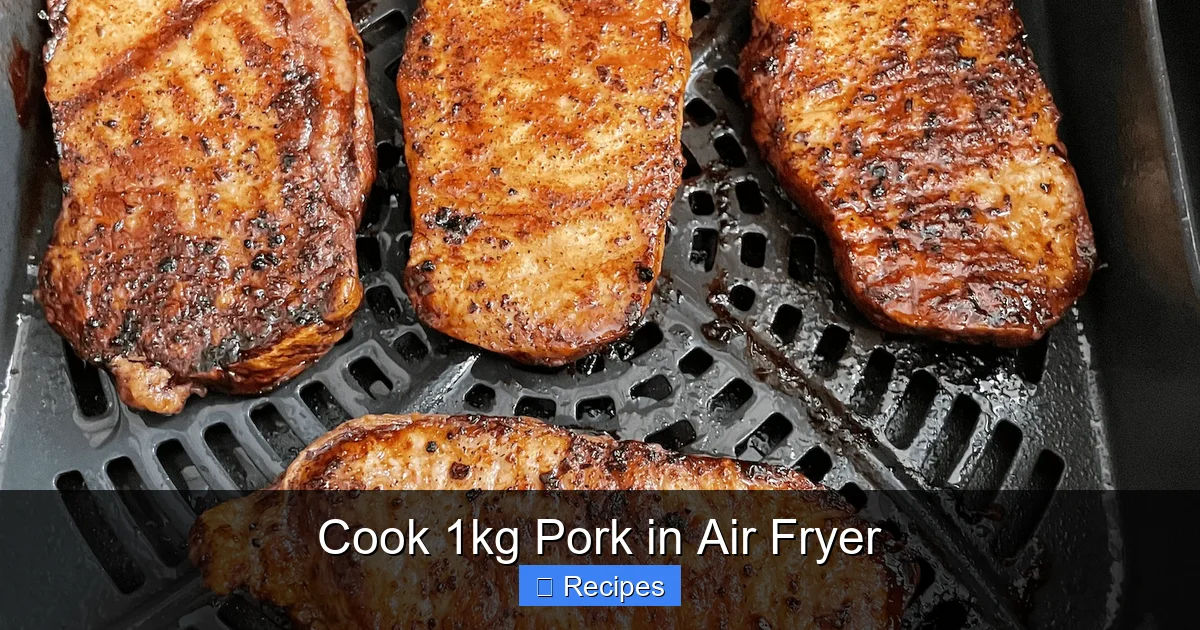
Cooking 1kg pork in an air fryer is faster, healthier, and delivers deliciously crispy results without the mess of deep frying. With the right preparation, timing, and temperature, you can achieve tender, flavorful pork that’s perfect for weeknight dinners or meal prep.
Key Takeaways
- Choose the right cut: Pork shoulder, loin, or tenderloin work best for air frying 1kg portions due to their balance of fat and tenderness.
- Prep is key: Pat the pork dry, season generously, and let it rest before cooking to enhance flavor and texture.
- Use proper temperature: Cook at 175–190°C (350–375°F) for even cooking and a golden, crispy exterior.
- Flip halfway through: Turning the pork ensures even browning and prevents hot spots in the air fryer.
- Check internal temperature: Use a meat thermometer to ensure the pork reaches 63°C (145°F) for safe consumption.
- Rest before slicing: Let the pork rest for 5–10 minutes after cooking to retain juices and improve tenderness.
- Clean your air fryer: Wipe down after use to prevent smoke and maintain performance during future cooks.
📑 Table of Contents
Why Cook 1kg Pork in an Air Fryer?
Air fryers have revolutionized home cooking by offering a healthier alternative to traditional frying methods. When it comes to cooking 1kg pork in an air fryer, you get the best of both worlds: crispy, golden skin and juicy, tender meat—without the need for gallons of oil. Whether you’re preparing a family dinner or meal prepping for the week, the air fryer makes it quick, easy, and mess-free.
Unlike ovens, air fryers use rapid air circulation to cook food evenly and efficiently. This means your 1kg pork roast or cut will cook faster and more uniformly, reducing the risk of overcooking the outside while the inside remains underdone. Plus, the compact size of most air fryers makes them ideal for smaller kitchens or when you’re cooking for just a few people. With minimal cleanup and impressive results, it’s no wonder more home cooks are turning to air fryers for their pork dishes.
Choosing the Right Cut of Pork
Not all pork cuts are created equal when it comes to air frying. For a 1kg portion, you’ll want a cut that balances flavor, texture, and cooking time. Pork shoulder (also known as pork butt) is a popular choice because of its rich marbling, which keeps the meat moist during cooking. It’s ideal for pulled pork or slow-roasted-style dishes adapted to the air fryer.
Best Cuts for Air Frying
- Pork Loin: Lean and tender, perfect for roasts. It cooks quickly and absorbs marinades well.
- Pork Tenderloin: Extremely tender and mild in flavor. Great for quick meals and pairs well with herbs and spices.
- Pork Shoulder: Higher fat content means more flavor and moisture. Ideal for shredding after cooking.
If you’re new to air frying pork, start with pork loin or tenderloin—they’re forgiving and cook evenly. For more flavor and a juicier result, go with pork shoulder. Just remember that fattier cuts may require a little more attention to prevent flare-ups or excessive smoke in the air fryer.
Preparation Tips for Perfect Pork
Proper preparation is the secret to delicious air-fried pork. Start by patting the pork completely dry with paper towels. Moisture on the surface prevents browning and crispiness, so this step is crucial. Once dry, season generously with salt, pepper, and your favorite spices. A simple rub of garlic powder, paprika, and thyme works wonders, but feel free to get creative.
Marinating for Extra Flavor
For deeper flavor, marinate the pork for at least 30 minutes—or up to 24 hours in the fridge. A basic marinade of olive oil, soy sauce, garlic, and apple cider vinegar tenderizes the meat and adds a savory depth. If you’re short on time, a dry rub applied 15 minutes before cooking can still deliver great results.
Bringing to Room Temperature
Take the pork out of the fridge 20–30 minutes before cooking. This allows it to cook more evenly, as cold meat can lead to uneven browning and longer cooking times. While it rests, preheat your air fryer to ensure consistent heat from the start.
Cooking 1kg Pork in the Air Fryer: Step-by-Step
Now that your pork is prepped, it’s time to cook. The key to success is using the right temperature and timing. For most 1kg pork cuts, cook at 175–190°C (350–375°F). This range ensures a crispy exterior without drying out the interior.
Step 1: Preheat the Air Fryer
Preheating is essential for even cooking. Set your air fryer to 180°C (350°F) and let it run for 3–5 minutes. This mimics the preheating step in traditional ovens and helps the pork start cooking immediately upon contact.
Step 2: Place the Pork in the Basket
Arrange the pork in a single layer in the air fryer basket. Avoid overcrowding—this can block airflow and lead to uneven cooking. If your air fryer is small, you may need to cut the pork into smaller pieces or cook in batches. For larger cuts like a whole pork loin, ensure there’s space around the meat for hot air to circulate.
Step 3: Cook and Flip
Cook the pork for 25–35 minutes, depending on the cut and thickness. Flip the pork halfway through to ensure even browning on both sides. Use tongs or a spatula to avoid piercing the meat, which can cause juices to escape.
Step 4: Check Internal Temperature
Use a meat thermometer to check doneness. The safe internal temperature for pork is 63°C (145°F), with a 3-minute rest time. Insert the thermometer into the thickest part of the meat, avoiding bones or fat. If it’s not ready, cook in 3–5 minute increments until done.
Tips for Juicy and Crispy Results
Achieving that perfect balance of crispy outside and juicy inside takes a few smart techniques. One trick is to lightly coat the pork with oil before seasoning. A thin layer of oil helps promote browning and crispiness without adding excess fat.
Use a Rack or Trivet
If your air fryer comes with a rack or trivet, use it to elevate the pork. This allows hot air to circulate underneath, cooking the meat more evenly and preventing the bottom from steaming instead of crisping.
Baste for Extra Moisture
For added juiciness, baste the pork with broth, apple juice, or a glaze during the last 10 minutes of cooking. This adds flavor and helps keep the surface moist while the exterior crisps up.
Avoid Overcooking
Even with a thermometer, it’s easy to overcook pork in an air fryer due to its efficiency. Start checking the temperature a few minutes early, especially with lean cuts like tenderloin. Overcooked pork becomes dry and tough, so timing is everything.
Serving and Storing Your Air-Fried Pork
Once your 1kg pork is cooked to perfection, let it rest for 5–10 minutes before slicing or shredding. Resting allows the juices to redistribute throughout the meat, ensuring every bite is moist and flavorful. Slice against the grain for maximum tenderness, especially with cuts like pork shoulder or loin.
Delicious Serving Ideas
- Serve with roasted vegetables like carrots, Brussels sprouts, or air-fried broccoli for a complete meal.
- Use shredded pork shoulder in tacos, sandwiches, or homemade burgers.
- Pair pork loin with a fresh salad or mashed potatoes for a classic dinner.
Storing Leftovers
Store leftover pork in an airtight container in the refrigerator for up to 4 days. Reheat in the air fryer at 160°C (325°F) for 3–5 minutes to restore crispiness. Avoid microwaving, as it can make the meat soggy. For longer storage, freeze cooked pork for up to 3 months. Thaw in the fridge overnight before reheating.
Cleaning Your Air Fryer After Cooking
After cooking 1kg of pork, your air fryer may have grease splatters or food residue. Cleaning it promptly prevents buildup and smoke during future use. Let the basket and tray cool completely, then wash them with warm, soapy water. Most are dishwasher-safe, but check your model’s instructions.
For stubborn grease, soak the parts in warm water for 10–15 minutes before scrubbing. Wipe the interior of the air fryer with a damp cloth—never immerse the main unit in water. Regular cleaning ensures your air fryer performs well and extends its lifespan.
Conclusion
Cooking 1kg pork in an air fryer is a game-changer for busy home cooks. It’s fast, healthy, and delivers restaurant-quality results with minimal effort. By choosing the right cut, prepping properly, and following simple cooking steps, you can enjoy juicy, crispy pork every time. Whether you’re making a roast for dinner or prepping meals for the week, the air fryer makes it easy and delicious.
Experiment with different seasonings, marinades, and side dishes to keep things exciting. And don’t forget to check out our guide on how long to cook pork loin in an air fryer for more specific timing tips. With these tips and techniques, you’ll master air-fried pork in no time.
Frequently Asked Questions
Can I cook a whole 1kg pork roast in an air fryer?
Yes, you can cook a 1kg pork roast in an air fryer, but make sure it fits comfortably in the basket with space around it for air circulation. If it’s too large, consider cutting it into smaller pieces or using a larger air fryer model.
Do I need to add oil when cooking pork in an air fryer?
A light coating of oil helps achieve a crispy exterior, but it’s not always necessary—especially with fattier cuts like pork shoulder. Use just enough to lightly brush the surface before seasoning.
How do I prevent my air fryer from smoking when cooking pork?
To reduce smoke, avoid over-seasoning with sugary rubs, trim excess fat, and clean the air fryer regularly. Cooking at moderate temperatures and not overcrowding the basket also helps minimize smoke.
Can I cook frozen pork in an air fryer?
Yes, but it will take longer and may not crisp as well. For best results, thaw the pork in the fridge overnight before cooking. If cooking from frozen, increase the time by 5–10 minutes and check the internal temperature carefully.
What’s the best way to reheat leftover air-fried pork?
Reheat in the air fryer at 160°C (325°F) for 3–5 minutes. This restores crispiness better than a microwave. Avoid overheating to prevent drying out the meat.
How do I know when my pork is fully cooked?
Use a meat thermometer to check the internal temperature. Pork is safe to eat at 63°C (145°F) with a 3-minute rest. Insert the thermometer into the thickest part, avoiding bones or fat.
