

Overcooking, burning, and losing nutrients are the top mistakes while cooking vegetables on high heat.
I’ve cooked in home kitchens and professional ones for years, and I’ve learned the hard way what goes wrong when you crank the heat. This article explains common mistakes while cooking vegetables on high heat, why they happen, and clear fixes you can use tonight. Read on for tested tips, simple tools, and step-by-step fixes that protect flavor, texture, and nutrients.

Why high heat tempts cooks
High heat cooks fast. It gives color and a quick sear. That speed makes cooks reach for the pan and forget the details. Many chefs and home cooks use high heat to get crisp edges and bright color, but small errors turn that advantage into a problem.
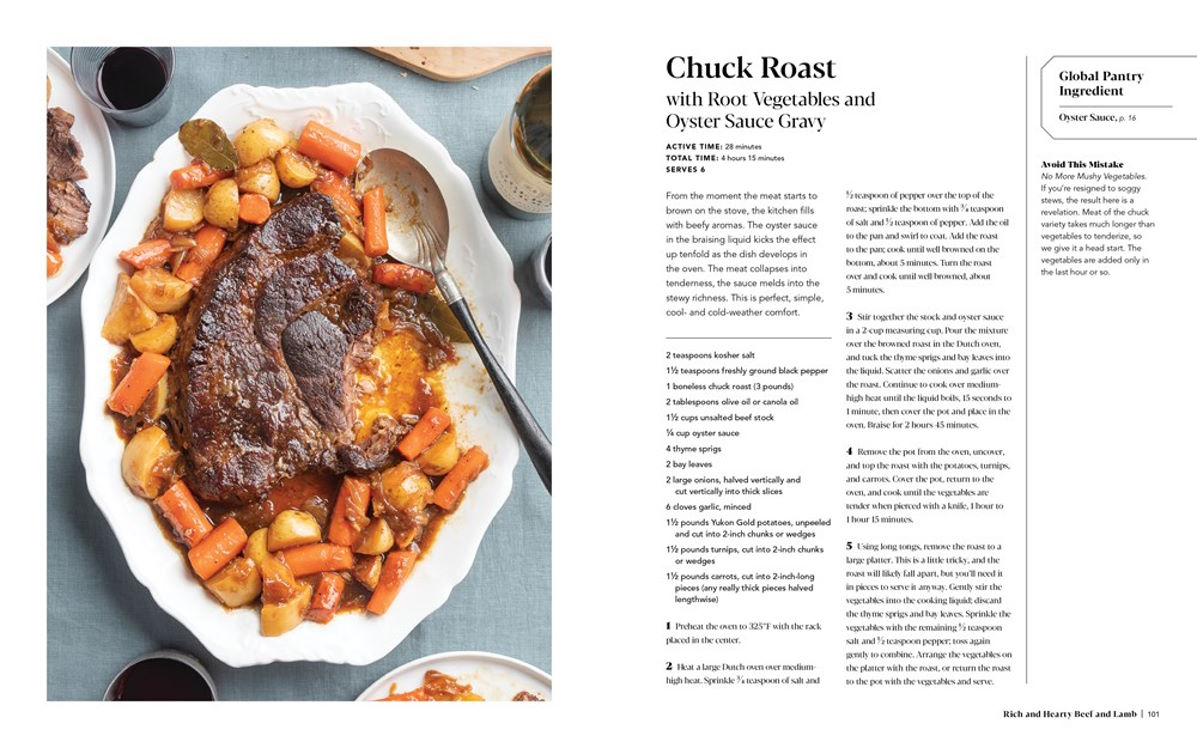
Top mistakes while cooking vegetables on high heat
-
One of the biggest mistakes while cooking vegetables on high heat is overcrowding the pan. Too many pieces trap steam. That makes vegetables soggy rather than crisp.
-
Not drying vegetables before the pan is a common mistake while cooking vegetables on high heat. Water drops lower the pan temperature and cause steam. Dry pieces sear; wet pieces steam.
-
Using the wrong oil or one with a low smoke point is a key mistake while cooking vegetables on high heat. The oil can burn and give off bitter flavors. Pick oils that tolerate high heat.
-
Cutting vegetables unevenly is an easy mistake while cooking vegetables on high heat. Thin and thick pieces cook at different rates. Uniform pieces finish together.
-
Adding salt too early is a surprising mistake while cooking vegetables on high heat. Salt draws out moisture and can make the pan steam. Salt later for crispness.
-
Not preheating the pan is a foundational mistake while cooking vegetables on high heat. A cold pan traps food to the surface. A hot pan gives a clean sear.
-
Stirring too often or not often enough counts as a timing mistake while cooking vegetables on high heat. Over-stirring stops browning. Under-stirring burns edges while leaving raw centers.
-
Ignoring carryover cooking is a technical mistake while cooking vegetables on high heat. Veggies keep cooking after you remove them. Remove a bit earlier to keep crunch.
-
Using the wrong cookware is a frequent mistake while cooking vegetables on high heat. Thin pans heat unevenly and create hot spots. Use heavy pans with even heat.
-
Expecting all vegetables to behave the same is a planning mistake while cooking vegetables on high heat. Leafy greens, root veg, and cruciferous veg need different timing and tactics.
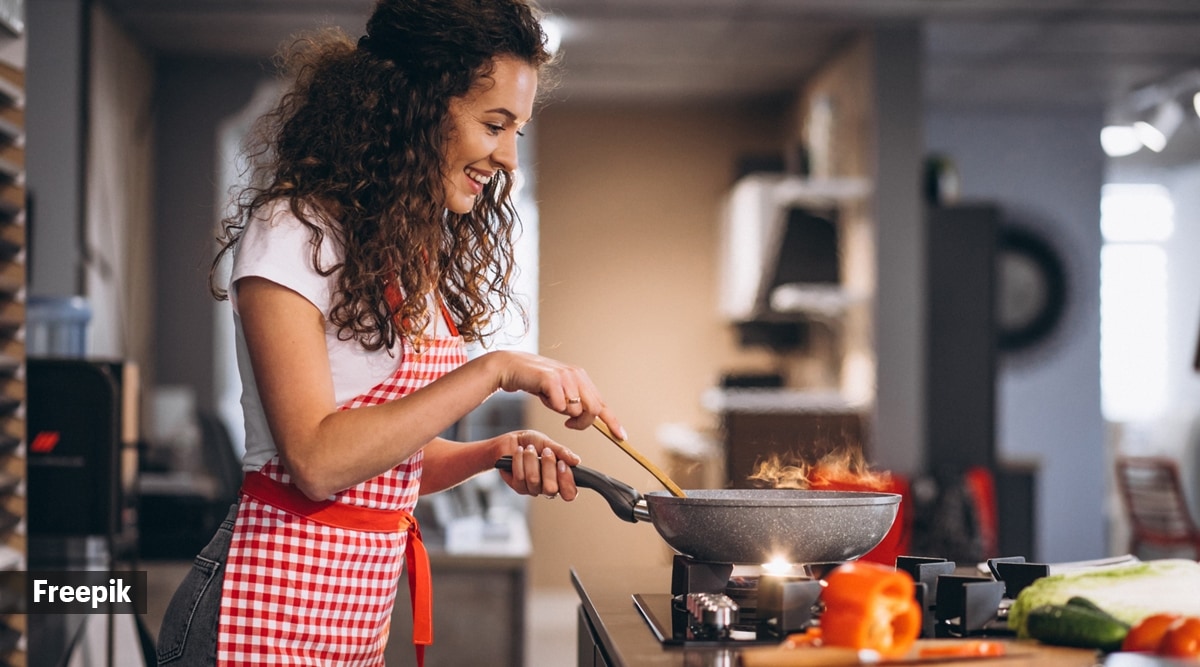
How to avoid mistakes while cooking vegetables on high heat
-
Preheat the pan well. Wait until a drop of water sizzles and evaporates. This prevents sticking and helps searing.
-
Dry vegetables fully. Pat with paper towels or a clean cloth. Dry pieces brown more easily.
-
Pick the right oil. Use oils with higher smoke points like avocado, refined peanut, or light olive oil. This avoids burnt flavor.
-
Cook in batches. Avoid overcrowding the pan. Smaller loads get a better sear.
-
Cut uniformly. Aim for consistent sizes for even cooking. Use a sharp knife or a mandoline for speed.
-
Use two-zone cooking. Sear in a hot spot then move to a cooler spot to finish. This prevents burning the outside before the inside cooks.
-
Par-cook dense vegetables. Blanch or steam carrots, beets, or potatoes first. Finish in the pan for color and flavor.
-
Season at the right time. Salt near the end for crisp texture. Add acid or fresh herbs at the end to preserve brightness.
-
Rest briefly before serving. Carryover cooking finishes the job without overcooking. Give veggies a minute or two off the heat.
-
Watch smoke and flames. If oil smokes, lower the heat or remove the pan. Safety avoids ruined food and kitchens.
:max_bytes(150000):strip_icc()/20250701-SEA-SteakTip-VickyWasik-49fbec75eae142f68f36cdf2a536887d.jpg)
Best tools and oils to prevent damage on high heat
-
Heavy-bottomed skillet. Cast iron or stainless steel gives even heat and steady searing.
-
Wide pan. It helps avoid overcrowding and lets steam escape.
-
Tongs or a spatula. Flip and move pieces without tearing them.
-
Thermometer. Check pan surface temperature when precise heat helps.
-
Oils to use for high heat:
- Avocado oil: high smoke point and neutral flavor.
- Refined peanut oil: sturdy for stir-fry and sear.
- Light olive oil: better than extra virgin for very high heat.
-
Oils to avoid at very high heat:
- Extra virgin olive oil: prone to smoking.
- Butter alone: burns fast; pair with oil or use near the end.
Nutrition, flavor, and safety when using high heat
High heat can both improve and harm nutrients. Quick searing keeps color and texture. But extreme heat and long cooking times can reduce water-soluble vitamins like vitamin C and some B vitamins. Over-charring starchy vegetables can form unwanted compounds, so aim for golden, not black.
Flavor builds with browning reactions. Maillard browning gives depth, but burnt bits taste bitter. Use high heat for short bursts and balance with gentler methods when needed. When safety is a concern, keep smoke low and ventilate the kitchen.
:max_bytes(150000):strip_icc()/Mistakes-You-Might-Be-Making-When-Cooking-Burgers-FT-BLOG0725-87c31ed69b024711a6a6607f9269aed0.jpg)
My experience and lessons learned
Early in my cooking career, I treated every vegetable the same on high heat. I learned the hard way that spinach and potatoes need different moves. I once burned a large pan of mixed veg by overcrowding and losing the bright color. After that, I started batch-cooking, drying vegetables well, and finishing leaves last. These small shifts saved flavor and nutrients every time.
Frequently Asked Questions of mistakes while cooking vegetables on high heat
What is the single biggest mistake while cooking vegetables on high heat?
Overcrowding the pan is the biggest mistake because it causes steaming instead of searing. Cook in smaller batches for a crisp finish.
Can high heat destroy nutrients in vegetables?
Yes, prolonged high heat can reduce some vitamins like vitamin C and B vitamins. Quick searing preserves more nutrients than long cooking.
Is it bad to use butter when cooking vegetables on high heat?
Pure butter can burn at high heat and give a bitter taste. Use butter with oil or add butter near the end for flavor.
How do I keep leafy greens from wilting too fast on high heat?
Add leafy greens near the end and cook quickly. Use two-zone cooking or toss just until wilted.
Can burned bits be safe to eat?
Small amounts of browned bits from searing are fine, but heavily charred black pieces may taste bitter and are best removed. Avoid excessive charring to reduce unwanted compounds.
Should I salt vegetables before or after cooking on high heat?
Salt later when cooking on high heat to keep vegetables from releasing too much moisture. Add a finishing salt or taste and adjust at the end.
Conclusion
High heat is a powerful tool for cooking vegetables when used with care. Master common mistakes while cooking vegetables on high heat by preheating your pan, drying and cutting vegetables right, choosing the correct oil, and avoiding overcrowding. Start small, practice timing, and use the tips above to keep flavor, texture, and nutrients intact. Try one change tonight—dry and batch your next stir-fry—and notice the difference. Leave a comment about your experience, subscribe for more kitchen tips, or test these methods and share what worked for you.
