

Common mistakes while cooking dal are undercooking, wrong spice timing, and salt errors that ruin texture.
I have cooked dal for years in home kitchens and small restaurants, and I know the common mistakes while cooking dal and how to fix them. This guide will walk you through what goes wrong, why it happens, and clear steps to avoid those mistakes while cooking dal so you get smooth, flavorful results every time.
The most common mistakes while cooking dal
Dal is forgiving, but a few repeated errors can turn a good batch into a poor one. I’ve seen these mistakes while cooking dal both at home and in busy kitchens.
Short, clear list of frequent errors:
- Cooking dal without soaking first causes uneven cooking and longer gas time.
- Adding salt too early often keeps lentils from softening.
- Overcooking or undercooking leads to grainy or mushy dal.
- Skipping the tempering step makes the dal taste flat.
- Using the wrong water ratio gives wrong texture.
I learned the hard way that timing and technique matter more than exotic ingredients. Avoiding these mistakes while cooking dal saves time and improves flavor.
Ingredient errors that ruin dal
Bad ingredient choices are a silent cause of failure. Fix them to improve every pot.
Key ingredient mistakes while cooking dal:
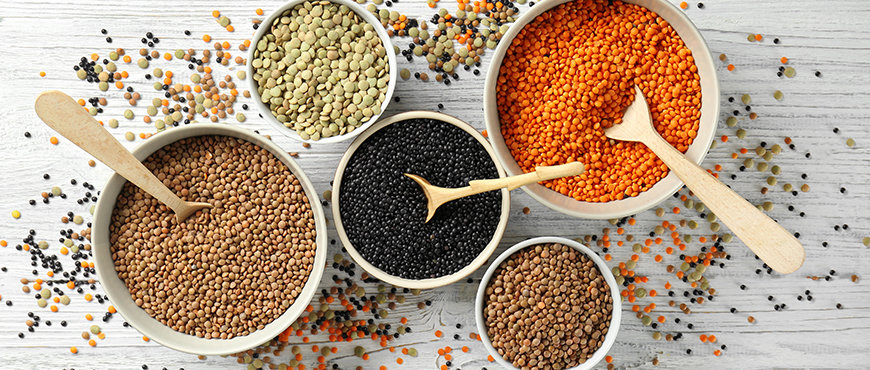
- Low-quality lentils: Old lentils take longer to soften and taste dull.
- Wrong water type: Hard water slows cooking and affects texture.
- Incorrect salt timing: Adding salt too soon prevents proper softening.
- Skipping aromatics: Not using onion, garlic, ginger, or tomatoes can make the dal bland.
- Wrong oil or ghee for tempering: Cheap oil can mute flavors.
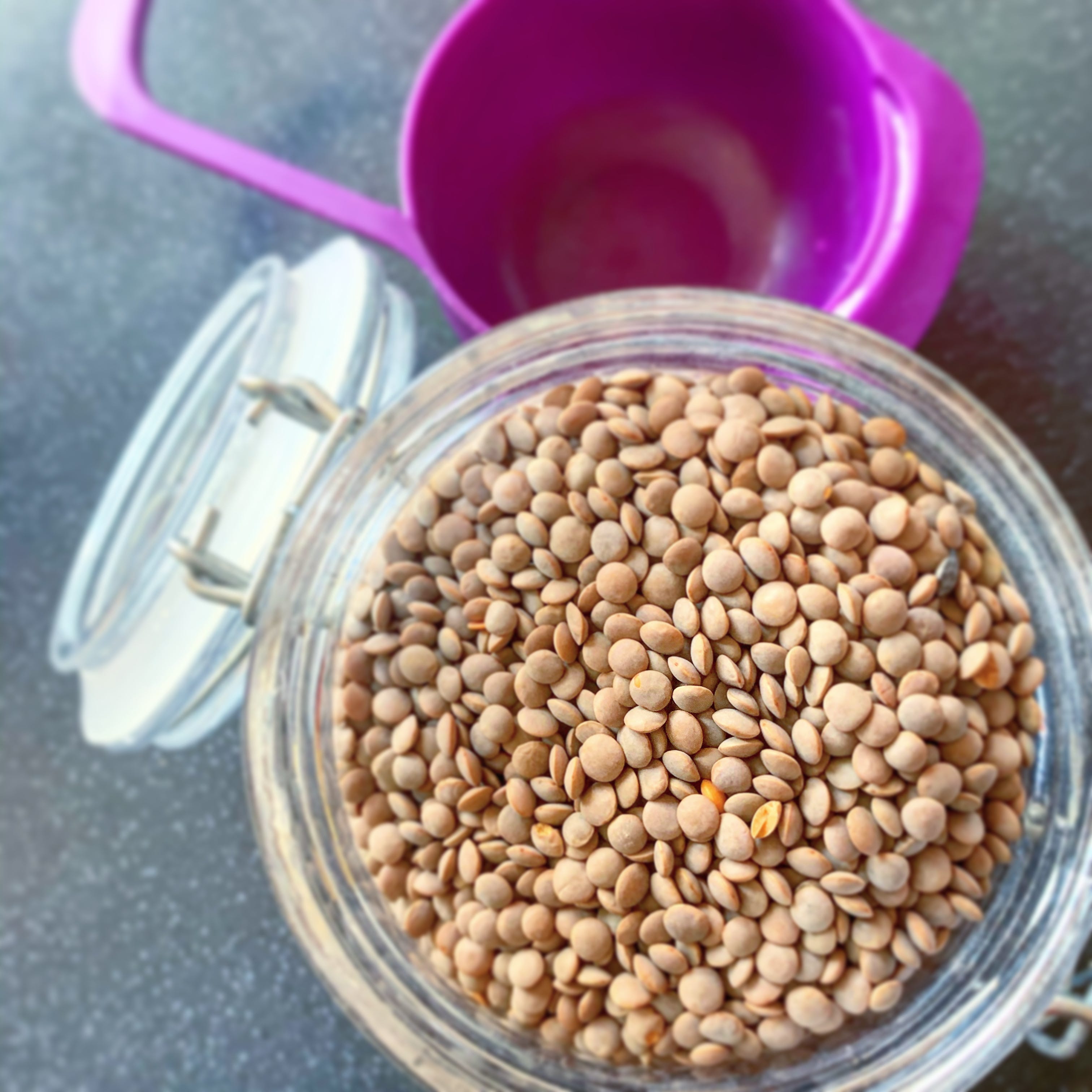
From my experience, always buy fresh lentils and store them in airtight jars. This small habit prevents many mistakes while cooking dal.
Cooking process mistakes and how to fix them
The way you cook dal matters. A little technique goes a long way.
Common process mistakes while cooking dal:
- Not soaking when needed: Soak split chana, urad, and toor for 30 minutes to 2 hours to cut cooking time.
- Wrong heat level: Boiling too hard breaks lentils; too low keeps them raw.
- Rushing the cook: Turning off pressure too soon leaves whole bits.
- Not skimming foam: Foam can make the dal frothy and cloudy.
- Ignoring pot type: Thin pans heat unevenly and cause sticking.
How to fix them:
- Soak lentils briefly if they are older. This reduces the cooking time and improves texture.
- Use moderate heat. After a hard boil, reduce to a simmer for even cooking.
- For pressure cookers, let the pressure release naturally for creamier dal.
- Skim foam during the first vigorous boil to keep texture clear.
These fixes address the root causes of mistakes while cooking dal so your dal cooks evenly and tastes consistent.

Tempering and seasoning mistakes (tadka)
Tempering can transform dal, but it’s also where many mistakes while cooking dal happen.
Typical tempering errors:
- Adding spices to cold oil: Spices won’t bloom and will taste raw.
- Overcooking spices: Scorched spices add bitterness.
- Missing the timing: Adding tadka too early or too late muffles aroma.
- Under-salting: A safe salt level is crucial.
Practical tips:
- Heat the oil first, then add mustard seeds, cumin, or hing to release aromas.
- Add garlic or curry leaves last so they crisp but don’t burn.
- Pour the tadka hot over finished dal to capture smell instantly.
Tempering is the final chance to fix mistakes while cooking dal; treat it like a finishing flourish rather than an afterthought.
Texture and consistency mistakes
Dal texture makes or breaks the dish. Avoid these mistakes while cooking dal to get ideal mouthfeel.
Common texture issues and fixes:
- Dal too watery: Simmer uncovered to reduce, or mash some dal to thicken.
- Dal too thick: Add hot water in small amounts and re-boil briefly.
- Lumpy dal: Stir gently and mash a few lentils for creaminess.
- Grainy dal: Often caused by undercooked lentils or adding salt too early.
My rule of thumb—aim for pourable but slightly thick dal. I test by spoon: it should coat the spoon lightly. Correcting texture early prevents most mistakes while cooking dal.
Troubleshooting burnt or sour dal
Not every pot goes perfectly. Here’s how to recover from common disasters caused by mistakes while cooking dal.
If dal is burnt:
- Move dal away from heat immediately.
- Scoop the unburnt dal into a new pot without scraping the burnt bottom.
- Add a slice of raw potato or a little baking soda if flavor needs mellowing.
If dal tastes sour:
- Mild sourness can be balanced with a pinch of sugar or a squeeze of lemon.
- Strong sourness may mean spoilage—discard if it smells off.
These quick actions can save a meal and teach you how to avoid the mistakes while cooking dal that lead to ruin.
Practical tips and checklist to avoid mistakes while cooking dal
A simple checklist helps prevent repeat errors. Keep this list near your stove.
Cooking checklist:
- Soak appropriate lentils for recommended time.
- Rinse lentils until water runs clear.
- Use fresh lentils stored in airtight containers.
- Add salt after most cooking is done.
- Temper in hot oil and pour over dal at the end.
- Adjust water slowly; better to add than to reduce too much.
- Taste as you go and correct seasoning gradually.
I keep a sticky note with this checklist. It stopped the careless mistakes while cooking dal I used to make on busy weeknights.
Frequently Asked Questions of mistakes while cooking dal
Why does my dal take so long to cook?
Old or dry lentils and hard water make dal slow to soften. Soaking lentils and using filtered water speed cooking.
Should I add salt before boiling dal?
Avoid adding salt early. Add salt toward the end to help lentils soften and cook evenly.
How do I fix dal that is too thin?
Simmer uncovered to reduce liquid or mash a small portion of the dal to thicken it naturally.
Why does my dal become bitter after tempering?
Spices burned in hot oil cause bitterness. Heat oil gently and add fragile ingredients like garlic last.
Can I save dal that smells off?
If it smells sour or foul, discard it. Mild flavor issues can be fixed with sugar or lemon, but spoilage is unsafe.
Conclusion
Avoiding the usual mistakes while cooking dal comes down to simple habits: use fresh lentils, time your salt correctly, temper with care, and mind the heat. Small changes give big improvements in texture and taste. Try the checklist and tips in this guide the next time you cook dal, then tweak them to your kitchen and palate. Share your wins or questions below, and subscribe for more practical kitchen fixes.
