


High heat often burns food, dries proteins, smokes oils, and ruins texture fast.
As a cook with years of stove-side experience, I’ve seen the most common mistakes while cooking on high heat. This article breaks down why those errors happen, how to avoid them, and which tools and oils actually work at high temperature. Read on for clear, tested advice so you stop wasting food and start getting reliable sears, caramelization, and flavor every time.
Why cooks use high heat and where it goes wrong
High heat gives a quick sear and fast browning. It is key for a great crust on steak, quick stir-fries, and roasted veggies. But many cooks make mistakes while cooking on high heat by rushing prep, choosing the wrong oil, or overcrowding the pan. These errors cause uneven cooking, bitter burned flavors, and heavy smoke.
High heat works by driving Maillard reactions and caramelization. Those reactions are great, but they need control. When you understand the limits, you get the flavor without the burnt edge.
Common mistakes while cooking on high heat
- Rushing without prep — Not drying food or trimming excess moisture leads to steaming, not searing.
- Using low-smoke-point oil — Oils that smoke early will burn and add off flavors.
- Overcrowding the pan — Too much food drops the pan’s temperature and causes soggy results.
- Not preheating the pan properly — Cold pans make food stick and prevent even browning.
- Moving food too often — Flipping constantly stops Maillard from forming a crust.
- Ignoring ventilation and smoke — High heat can set off alarms and fill the kitchen with acrid fumes.
- Using the wrong cookware — Thin pans lose heat fast; very thick pans can over-concentrate heat spots.
- Cooking sugar-based sauces at full blast — Sugars burn quickly and create bitter, dark residue.
- Not adjusting seasoning timing — Salt added too early can draw moisture and ruin crisping.
- Neglecting carryover cooking — Thick cuts continue to cook after heat is off, which can overcook meat.
Each of these mistakes while cooking on high heat is common. Fix one and your food will improve. Fix several and you will consistently nail texture and color.

Why these mistakes happen (simple science and kitchen habits)
High heat speeds reactions. That is good for flavor but hard on control. When pan temperature hits oil smoke point, molecules break down. That creates smoke and bitter taste. Moisture on food fights heat. It needs to evaporate first, so instead of browning, the food steams.
Habits also matter. We rush dinner on weeknights. We use what’s handy in the fridge. We assume “high” means “faster” and forget prep. Those small habits lead to the same mistakes while cooking on high heat over and over.

How to prevent mistakes while cooking on high heat — step-by-step
- Prep and dry food first — Pat proteins and vegetables dry. This reduces steam and improves sear.
- Choose oils with high smoke points — Use refined avocado, refined grapeseed, or light olive oil for most high-heat work.
- Preheat pan until very hot — Test with a drop of water; it should dance or evaporate quickly.
- Add oil after pan is hot — This reduces oil breakdown and prevents sticking.
- Don’t overcrowd — Cook in batches so each piece touches the pan.
- Use the right heat level — Start very hot for a sear, then drop to medium to finish thick cuts.
- Let food develop a crust — Wait three to five minutes before flipping seared pieces.
- Use a thermometer for proteins — Rely on temp, not time, to avoid overcooking.
- Control sugar and sauces — Add sugary glazes near the end of cooking at lower heat.
- Ventilate your kitchen — Run a hood fan or open a window to remove smoke and fumes.
Follow these steps and you will avoid many mistakes while cooking on high heat.
Best oils, cookware, and tools for high heat
- Oils that hold up well
- Refined avocado oil — high smoke point and neutral flavor.
- Refined grapeseed oil — good for searing and stir-fry.
- Light olive oil — OK for medium-high, not extreme.
- Oils to avoid at extreme heat
- Unrefined olive oil and butter — low smoke points, burn fast.
- Cookware choices
- Cast iron — great heat retention and even sear when properly preheated.
- Stainless steel — good for browning if it’s hot and oiled correctly.
- Thin nonstick — not ideal for very high heat; coating can degrade.
- Helpful tools
- Instant-read thermometer — removes guesswork for doneness.
- Tongs and spatulas — for safe, controlled flips.
- Splatter screen — reduces grime and hot oil accidents.
Picking the right oil and pan solves many mistakes while cooking on high heat.

Foods that should not be cooked on high heat
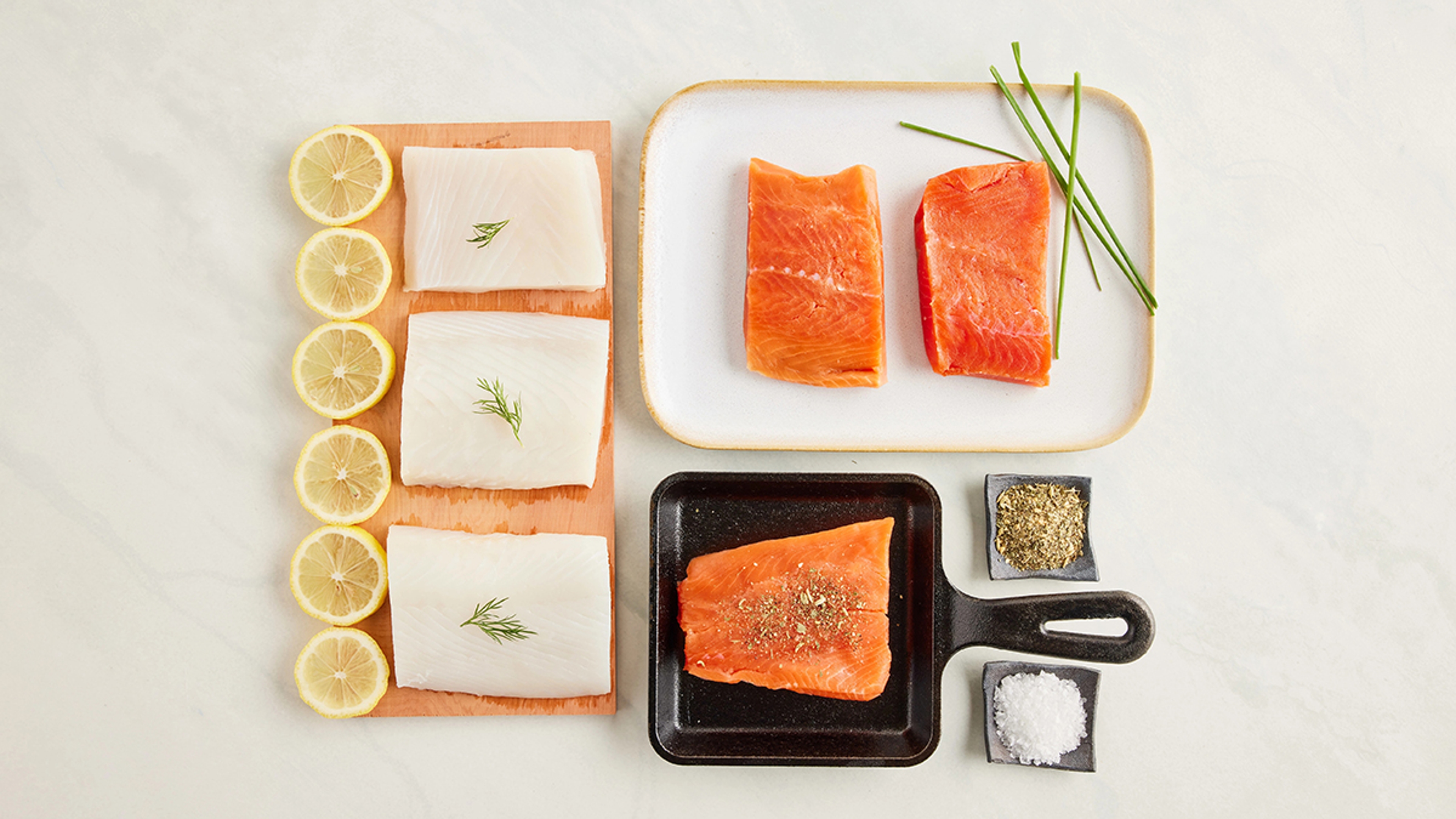
- Delicate fish — Thin white fish can fall apart and burn.
- Leafy greens — They wilt and char quickly; lower heat keeps them bright.
- Butter-forward sauces — Butter burns at high heat and turns bitter.
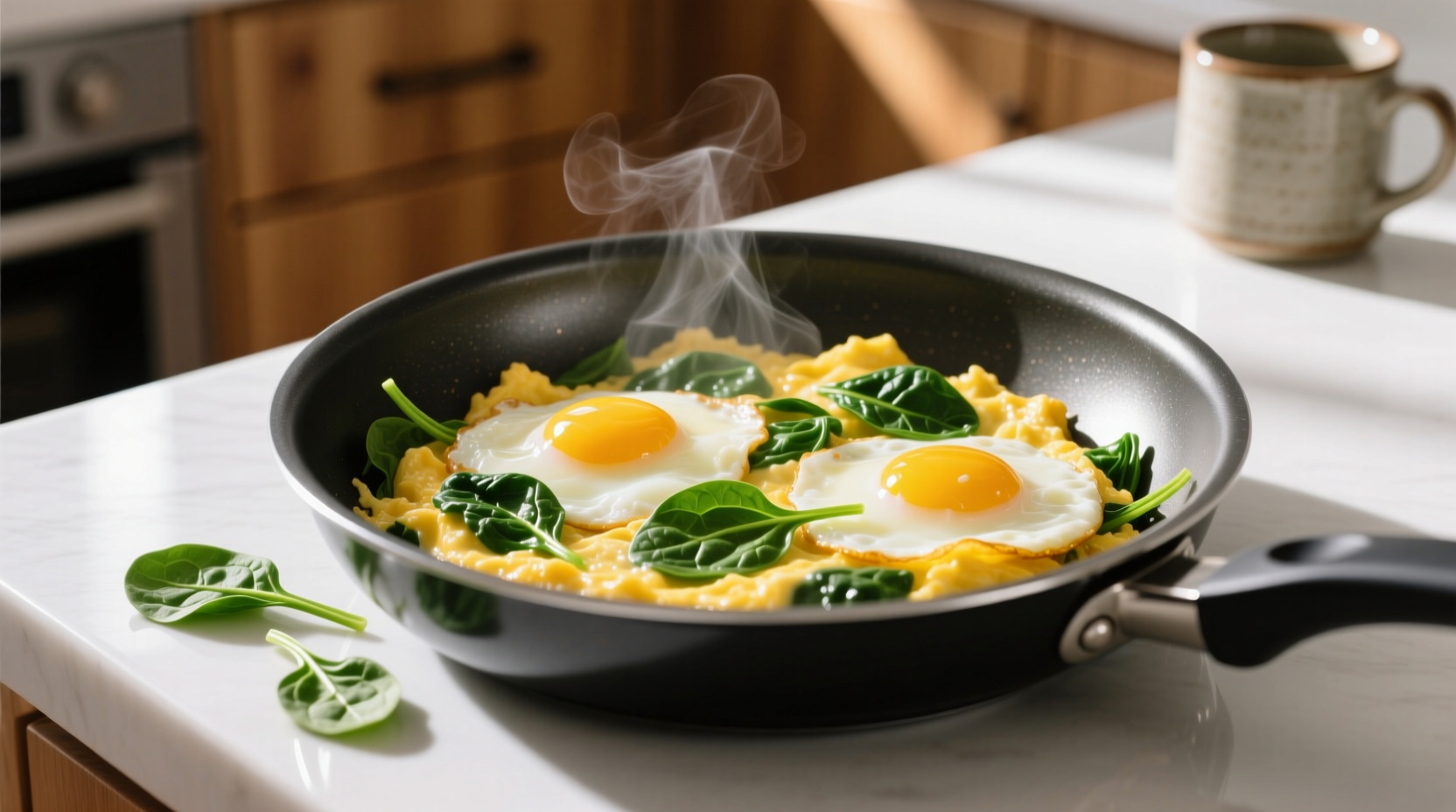
- Whole eggs in nonstick — The coating can be damaged at very high temperatures.
- Sugary marinades — They char fast and leave bitter black bits.
Knowing which foods avoid the direct flame reduces the chance of common mistakes while cooking on high heat.
:max_bytes(150000):strip_icc()/20251223-SEA-HighvsLowPrimeRib-VickyWasik-00-b2bf058c80e74595860dfa9349586048.jpg)
Personal experience: mistakes I made and lessons I learned
Early in my cooking, I seared salmon on too high heat with butter. The butter browned and then turned bitter. The salmon stuck and looked charred. I switched to a mix of refined oil and a small knob of butter added at the end. The fish finished with crisp skin and clean flavor.
I also used a nonstick pan for a steak once. The steak never formed a crust. I later learned to use cast iron for that job. These small changes came from repeating errors and then fixing them. They are the kind of real lessons that stop mistakes while cooking on high heat from happening again.
:max_bytes(150000):strip_icc()/Mistakes-To-Avoid-When-Grilling-Steak-FT-BLOG0622-2000-9470d6138120449885c7b91524c51cc4.jpg)
Quick checklist and troubleshooting for high-heat cooking
- Before you start
- Dry food and trim excess moisture.
- Choose a high-smoke-point oil.
- Preheat the pan properly.
- While cooking
- Work in batches to avoid crowding.
- Resist flipping too soon.
- Watch for smoke and lower heat if oils break down.
- If things go wrong
- Turn off heat, move the pan, and ventilate.
- Scrape burned bits from the pan and deglaze with a splash of liquid if salvageable.
- Adjust seasoning and finish at a lower heat.
This checklist helps you avoid and correct the most common mistakes while cooking on high heat.
Frequently Asked Questions of mistakes while cooking on high heat
What is the biggest mistake people make when cooking on high heat?
The biggest mistake is skipping prep and tossing wet food into a hot pan. Moisture causes steaming and prevents a proper sear. Drying and seasoning first fixes this fast.
Can I use olive oil for high-heat searing?
Unrefined olive oil smokes at moderate heat and can burn. Use refined oils or light olive oil for higher temps to avoid bitter flavors.
How do I know when a pan is hot enough for high heat?
Sprinkle a few drops of water; they should dance or evaporate quickly. A properly preheated pan gives an even sear and reduces sticking.
Will cast iron ruin my food at high heat?
Cast iron retains heat and promotes a good crust. It can overcook thin foods, so control heat and remove food once the crust forms to avoid overcooking.
Why does my sugar glaze burn on high heat?
Sugar caramelizes quickly and then burns. Add glazes near the end at lower heat and watch closely to prevent bitter charring.
Is smoke from high-heat cooking harmful?
Smoke from overheated oil contains compounds that taste bad and can irritate lungs. Use good ventilation and proper oils to reduce smoke.
How often should I flip meat when searing on high heat?
Flip meat only once or twice. Let a crust form before turning to keep juices in and develop flavor.
Conclusion
Avoiding mistakes while cooking on high heat is mostly about control, prep, and the right tools. Dry food, use stable oils, preheat your pan, work in small batches, and rely on a thermometer for accuracy. Small changes yield big rewards—better color, clean flavors, and less waste. Try one tip tonight and notice the difference; then come back and share your results or questions.
