

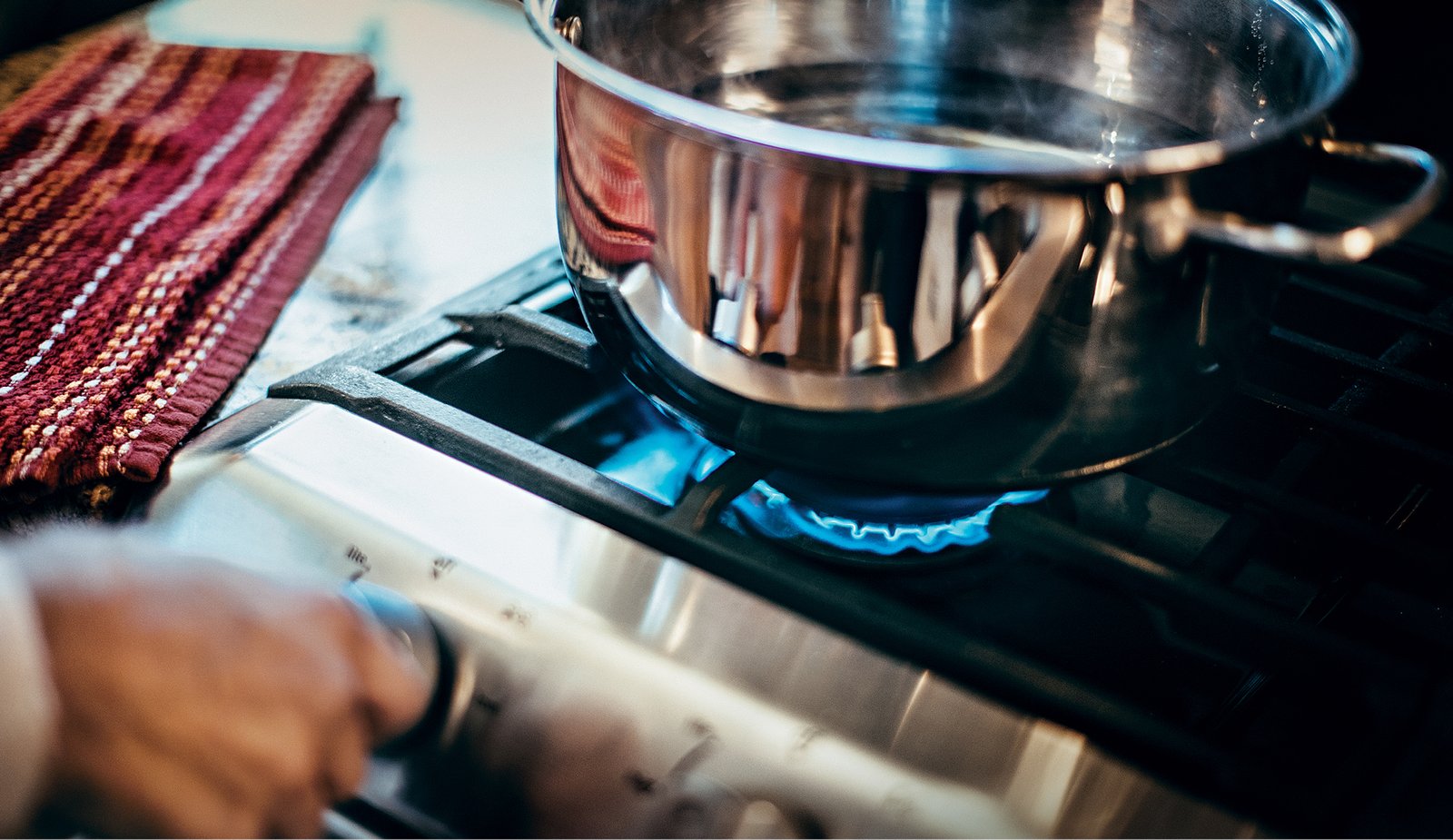
Control heat by matching flame, pan, and timing so food cooks evenly without burning.
I have cooked for years in home and pro kitchens, and I’ll show clear, tested ways to control heat while cooking. This guide covers tools, stove and oven techniques, common mistakes, and real tips I use daily. Read on to gain confidence and keep food consistent, safe, and delicious.
Why controlling heat matters
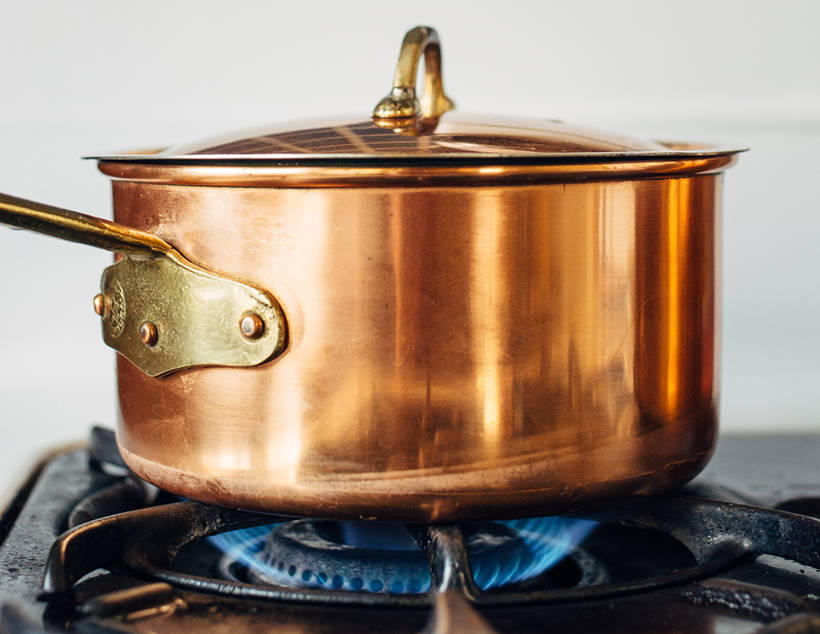
Controlling heat while cooking keeps food safe and tasty.
Good heat control prevents burning, undercooking, and loss of flavor.
When you learn how to control heat while cooking, meals turn out predictable and stress-free.

Essential tools to control heat
Use the right tools to control heat while cooking.
They help you dial in steady temperatures and react fast when things change.
- Heavy-bottomed pans distribute heat evenly and reduce hot spots.
- Cast iron holds heat well for searing and steady cooking.
- A good thermometer shows internal temperature for meat and candies.
- Burner diffusers soften high flames for gentle simmering.
- A splatter screen and lid let you trap heat and moisture safely.
Stovetop techniques for precise heat control
Learn quick moves to control heat while cooking on a stove.
- Start hot, then lower: Preheat a pan, then reduce flame to finish cooking. This prevents sticking and gives even browning.
- Use medium-low for most simmering. It keeps sauces gentle and avoids breaking emulsions.
- Move food to cooler zones: If a pan gets too hot, shift it to a back burner.
- Adjust oil and fat: Oil temperature changes how fast food browns. When oil smokes, lower heat immediately.
- Use lids to trap heat for faster cooking and consistent temperatures.
When I sauté vegetables, I sear on high for 30 seconds then drop to medium. That locks color and avoids sogginess. Practicing this habit made my weeknight dinners more predictable.

Pan size and placement
Choose pan size to match burner size.
A pan too small on a big burner will burn food at the center.
A pan too large on a small burner cooks unevenly.
Place pan center on the flame for balanced heat.
Flame types and gas vs. electric
Gas gives instant heat and quick control.
Electric takes longer to change temperature but holds steady.
Induction is fast and precise; it reacts quickly to adjustments.
Knowing your stove helps you learn how to control heat while cooking with less guesswork.

Oven and grill heat control tips
Ovens and grills need planning to control heat while cooking.
- Preheat fully and use an oven thermometer to confirm actual temperature.
- Use convection for even heat and faster cooking; reduce temperature by 25°F when needed.
- For grills, create heat zones: a hot direct side and a cooler indirect side. Move food between zones to control doneness.
- Tent meat with foil to slow heat loss and rest for more even internal temps.
I once ruined a roast by relying on the oven dial alone. Adding an oven thermometer solved that problem and taught me how to control heat while cooking reliably.

Managing heat in delicate dishes
Delicate foods need gentle, stable heat.
- Custards and sauces cook best in a double boiler to avoid curdling.
- Melt chocolate slowly over low heat and stir constantly.
- Poach eggs in water held just below simmer; bubbling water breaks them.
- Use a low oven for recipes that need slow, even heat.
Small changes in heat can ruin these dishes. I learned that slow patience beats raw speed for delicate work.

Common mistakes and how to avoid them
Avoid these frequent errors when you learn how to control heat while cooking.
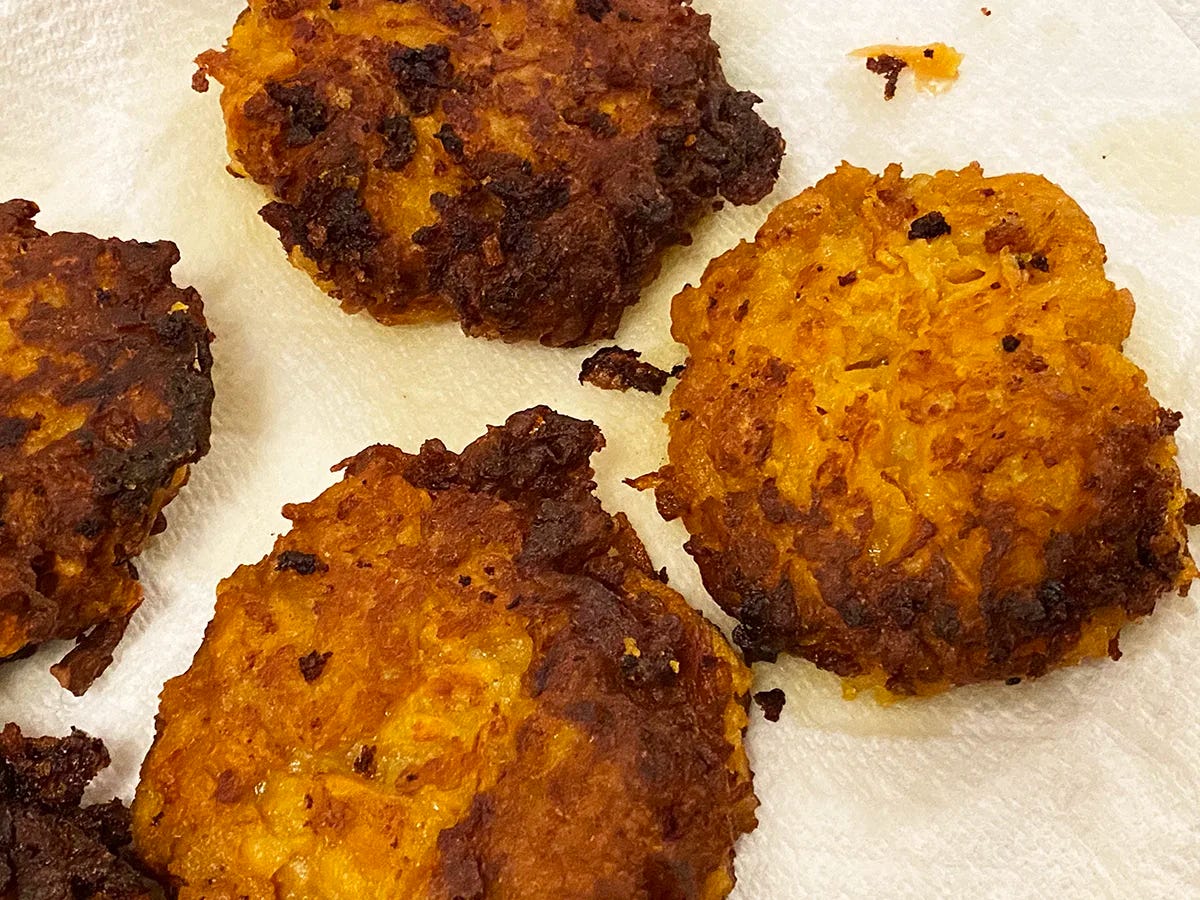
- Turning heat to high to rush cooking often burns the outside and leaves the inside raw.
- Overcrowding pans lowers surface temperature and makes food steam, not brown. Cook in batches.
- Relying on pan handles to test heat is risky; use visual cues and a thermometer.
- Ignoring smoke point of fats leads to bitter flavors; use oils suited to the heat.
I once crowded a skillet to save time and ended with soggy, pale chicken. Cooking in batches fixed the problem and taught me to respect pan space.

Personal tips and tested routines
Here are routines I recommend to practice how to control heat while cooking every day.
- Preheat pans for at least 2 minutes on medium before adding oil.
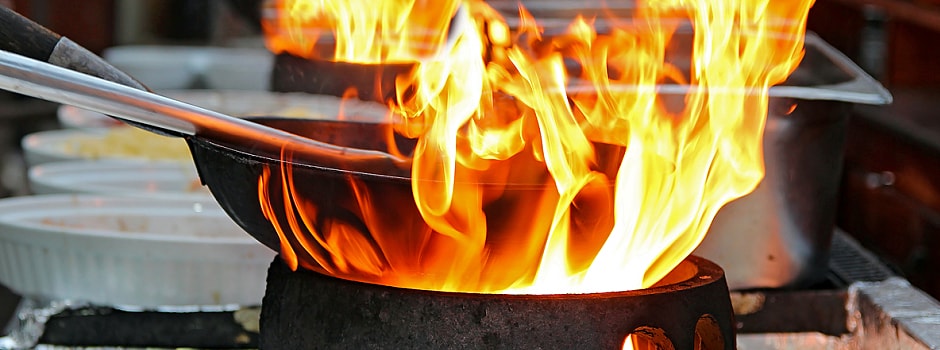
- Keep a small spray bottle of water to tame brief flare-ups on grill or stove.
- Label burners mentally: front-right for quick sears, back-left for keeping warm.
- Use a probe thermometer for roasts and set alerts to avoid overcooking.
- Taste and adjust often; small changes in heat and time matter.
These habits came from trial and error. They saved meals during busy nights and helped me teach others simple, reliable ways to control heat while cooking.
Frequently Asked Questions of how to control heat while cooking
How do I know when to lower the heat while cooking?
Watch for signs like smoke, oil shimmering too fast, or food browning too quickly. Lower heat when the pan looks too hot or when the food cooks faster than expected.
Can I use a single pan for both high heat and low heat cooking?
Yes, but wait between steps. Preheat for searing, then remove or lower flame before adding more delicate ingredients to prevent burning.
Is it better to use gas, electric, or induction to control heat?
Each has pros: gas is instant, electric is steady, and induction is fast and precise. Choose based on your cooking style and adjust habits accordingly.
How can I keep sauces from breaking when I adjust heat?
Lower heat and stir slowly. If a sauce starts to separate, remove from heat and whisk in a small splash of liquid to smooth it out.
What’s the easiest way to prevent burning when pan-frying?
Preheat the pan properly, use the right oil for the temperature, and do not overcrowd the pan. Flip food only when it releases easily from the surface.
Conclusion
Mastering how to control heat while cooking makes your food safer, tastier, and less stressful. Start with the right tools, learn your stove, and practice simple routines like preheating and using thermometers. Try one tip this week—cook one dish with careful heat changes and note the results. Share your wins or questions below and keep experimenting; steady heat control turns cooks into confident cooks.
