

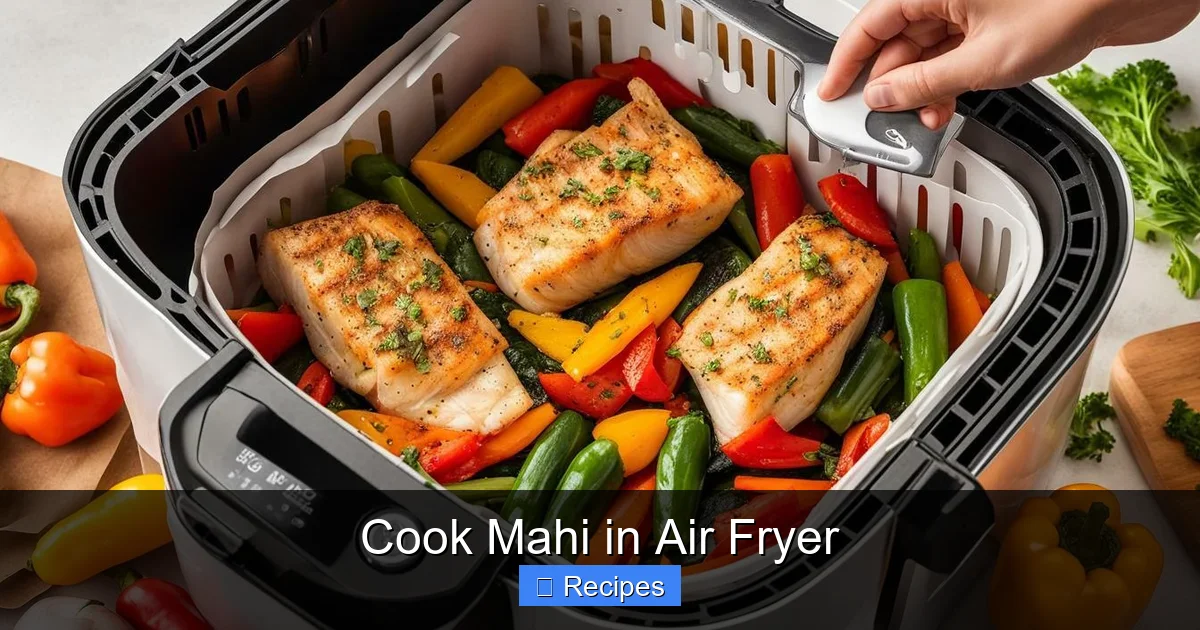
Cooking mahi in an air fryer is fast, healthy, and delivers restaurant-quality results every time. With minimal oil and just 10–12 minutes of cook time, you’ll get flaky, flavorful fish that’s perfect for tacos, salads, or served over rice.
If you’ve ever stood over a sizzling pan, trying to flip delicate fish without it falling apart, you’ll love how easy it is to cook mahi in an air fryer. This mild, firm white fish—also known as dolphinfish or dorado—is a favorite among seafood lovers for its sweet flavor and flaky texture. And when you use an air fryer, you skip the mess of oil splatters and the risk of overcooking. Instead, you get perfectly cooked fillets with a lightly crisped exterior and tender, juicy interior—all in under 15 minutes.
The air fryer’s convection heating circulates hot air around the fish, cooking it evenly from all sides. That means no more guessing whether the center is done or worrying about undercooked spots. Plus, because you use so little oil, it’s a much healthier option than pan-frying or deep-frying. Whether you’re feeding a family, meal prepping for the week, or just craving a light dinner, air-fried mahi is a smart, satisfying choice.
Key Takeaways
- Mahi cooks quickly in the air fryer: Most fillets are done in 10–12 minutes at 375°F (190°C), making it ideal for busy weeknights.
- Use minimal oil for crispy skin: A light spray or brush of oil helps achieve a golden crust without deep frying.
- Season simply for best flavor: Salt, pepper, garlic powder, and lemon zest enhance the fish’s natural taste without overpowering it.
- Pat fish dry before cooking: Removing excess moisture ensures even browning and prevents steaming.
- Don’t overcrowd the basket: Leave space between fillets so hot air can circulate and crisp the surface evenly.
- Check internal temperature: Safe to eat when the center reaches 145°F (63°C)—use a meat thermometer for accuracy.
- Great for meal prep: Cooked mahi stays moist for up to 3 days and works well in salads, bowls, or tacos.
📑 Table of Contents
Why Choose Mahi for Air Frying?
Mahi-mahi is one of the best fish for air frying thanks to its firm texture and mild flavor. Unlike more delicate fish like sole or flounder, mahi holds its shape well during cooking, so it won’t fall apart in the basket. Its natural oils also help keep it moist, even with minimal added fat.
Another big advantage? Mahi absorbs seasonings beautifully. A simple mix of salt, pepper, and citrus can transform it into a restaurant-worthy dish. And because it cooks so quickly, you can go from fridge to plate in less time than it takes to preheat a conventional oven. If you’re new to cooking fish at home, mahi is a forgiving and rewarding place to start.
Nutritional Benefits
Mahi is not only delicious—it’s packed with nutrients. A 3-ounce serving provides over 20 grams of high-quality protein, along with heart-healthy omega-3 fatty acids, vitamin B12, selenium, and niacin. It’s also naturally low in saturated fat and calories, making it a great option for health-conscious eaters.
When you cook mahi in an air fryer, you preserve more of these nutrients compared to deep-frying, which can degrade heat-sensitive vitamins. Plus, using less oil means fewer empty calories and a lighter meal overall.
Ingredients You’ll Need
One of the best things about this recipe is how simple it is. You don’t need fancy ingredients or hard-to-find spices. Here’s what you’ll need for 2 servings:
- 2 mahi-mahi fillets (about 6 ounces each), fresh or thawed
- 1 tablespoon olive oil or avocado oil (or cooking spray)
- ½ teaspoon salt
- ¼ teaspoon black pepper
- ½ teaspoon garlic powder
- ½ teaspoon paprika (optional, for a smoky hint)
- Zest of ½ lemon
- Juice of ½ lemon (added after cooking)
- Fresh herbs like parsley or cilantro (for garnish)
If you’re using frozen mahi, make sure to thaw it completely in the refrigerator overnight before cooking. Pat the fillets dry with paper towels—this step is crucial for getting that nice golden crust.
Optional Add-Ins
Want to switch things up? Try adding a pinch of cayenne for heat, a dash of cumin for depth, or a sprinkle of dried oregano for Mediterranean flair. You can also marinate the fish for 15–30 minutes in a mix of lime juice, olive oil, and chili powder for a zesty twist.
Step-by-Step Instructions
Ready to cook? Follow these easy steps for perfectly air-fried mahi every time.
1. Prep the Fish
Remove the mahi fillets from the fridge and pat them dry with paper towels. Drying the surface is essential—any moisture will steam instead of crisp. If the fillets are thick, you can gently score the skin side in a crisscross pattern to help them cook evenly.
2. Season Generously
In a small bowl, mix the salt, pepper, garlic powder, paprika, and lemon zest. Rub the spice blend evenly over both sides of each fillet. Drizzle or lightly brush with oil to help the seasoning stick and promote browning.
3. Preheat the Air Fryer
Set your air fryer to 375°F (190°C) and let it preheat for 3–5 minutes. Preheating ensures consistent cooking from the start, especially important for fish, which can dry out if the temperature isn’t right.
4. Arrange in the Basket
Place the fillets in the air fryer basket in a single layer, leaving at least ½ inch of space between them. Overcrowding traps steam and leads to soggy results. If your fillets are large, you may need to cook them in batches.
5. Cook and Check
Air fry for 10–12 minutes, flipping halfway through. The exact time depends on the thickness of your fillets—thicker pieces may need up to 14 minutes. The fish is done when it flakes easily with a fork and reaches an internal temperature of 145°F (63°C).
6. Rest and Serve
Let the mahi rest for 2–3 minutes after cooking. This allows the juices to redistribute, keeping the fish moist. Squeeze fresh lemon juice over the top and garnish with chopped herbs before serving.
Serving Suggestions
Air-fried mahi is incredibly versatile. Here are a few delicious ways to enjoy it:
- Fish Tacos: Flake the mahi into warm corn tortillas and top with cabbage slaw, avocado, and a drizzle of lime crema.
- Grain Bowls: Serve over quinoa or brown rice with roasted veggies and a tahini dressing.
- Salads: Add warm mahi to a bed of mixed greens, cherry tomatoes, cucumber, and feta for a protein-packed lunch.
- With Sides: Pair with air-fried zucchini, crispy broccoli, or garlic herb potatoes for a complete meal.
For a tropical vibe, serve with mango salsa or coconut rice. The mild flavor of mahi complements bold, fruity, and spicy accompaniments beautifully.
Tips for Success
Even simple recipes benefit from a few pro tips. Here’s how to make your air-fried mahi even better:
- Use a meat thermometer: Fish cooks fast, and overcooking leads to dryness. A quick check at 145°F ensures perfect doneness.
- Don’t skip the flip: Flipping halfway ensures even browning on both sides.
- Clean your air fryer regularly: Fish can leave behind residue that affects future cooks. Wipe the basket after each use.
- Experiment with marinades: Try a 15-minute soak in soy sauce, ginger, and honey for an Asian-inspired twist.
- Store leftovers properly: Keep cooked mahi in an airtight container in the fridge for up to 3 days. Reheat gently in the air fryer at 350°F for 3–4 minutes to restore crispness.
If you’re cooking for picky eaters, consider serving the mahi with a mild sauce like tartar or remoulade to boost appeal.
Common Mistakes to Avoid
Even experienced cooks can run into issues when air frying fish. Here are a few pitfalls to watch out for:
- Not drying the fish: Wet fillets steam instead of crisp. Always pat dry!
- Overcrowding the basket: This blocks airflow and leads to uneven cooking. Cook in batches if needed.
- Skipping preheating: Starting cold means the fish sits in a cool environment, increasing cook time and drying it out.
- Over-seasoning: Mahi has a delicate flavor. A little goes a long way—avoid heavy spice blends that mask the fish.
- Ignoring thickness: Thick fillets need more time. Adjust cook time based on size, not just a timer.
By avoiding these mistakes, you’ll consistently get tender, flavorful mahi with a satisfying crunch.
Conclusion
Cooking mahi in an air fryer is one of the easiest, healthiest ways to enjoy this delicious fish. With minimal prep, simple ingredients, and just 10–12 minutes of cook time, you can create a meal that’s both nutritious and full of flavor. Whether you’re making tacos, bowls, or a classic fish dinner, air-fried mahi delivers consistent results every time.
Give this method a try, and you might just find yourself reaching for your air fryer instead of the stovetop. It’s fast, clean, and delivers that perfect balance of crispy and tender—no deep fryer required. So next time you’re at the seafood counter, grab some mahi and fire up your air fryer. Your taste buds (and your weeknight schedule) will thank you.
Frequently Asked Questions
Can I cook frozen mahi in the air fryer?
Yes, but it’s best to thaw it first. If you must cook from frozen, increase the cook time by 3–5 minutes and check the internal temperature carefully to avoid overcooking the outside while the center remains cold.
How do I prevent the fish from sticking to the basket?
Lightly spray the air fryer basket with oil or use a parchment liner designed for air fryers. Avoid using regular parchment paper, as it can block airflow and cause uneven cooking.
Can I use skinless mahi fillets?
Absolutely! Skinless fillets work great. Just be sure to flip them gently to avoid breaking. The cooking time remains the same—10–12 minutes at 375°F.
What if my mahi is very thick?
Thicker fillets may need up to 14 minutes. Always check the internal temperature with a meat thermometer. If the outside is browning too quickly, reduce the temperature to 360°F and extend the cook time slightly.
Can I add a breading to mahi in the air fryer?
Yes! For crispy breaded mahi, dip fillets in flour, then egg, then panko or breadcrumbs. Lightly spray with oil and air fry at 375°F for 12–15 minutes, flipping halfway. It’s a healthier alternative to fried fish.
Is air-fried mahi healthy?
Yes! It’s lower in fat and calories than pan-fried or deep-fried fish, and retains more nutrients. Plus, it’s rich in protein and omega-3s, making it a smart choice for a balanced diet.
