

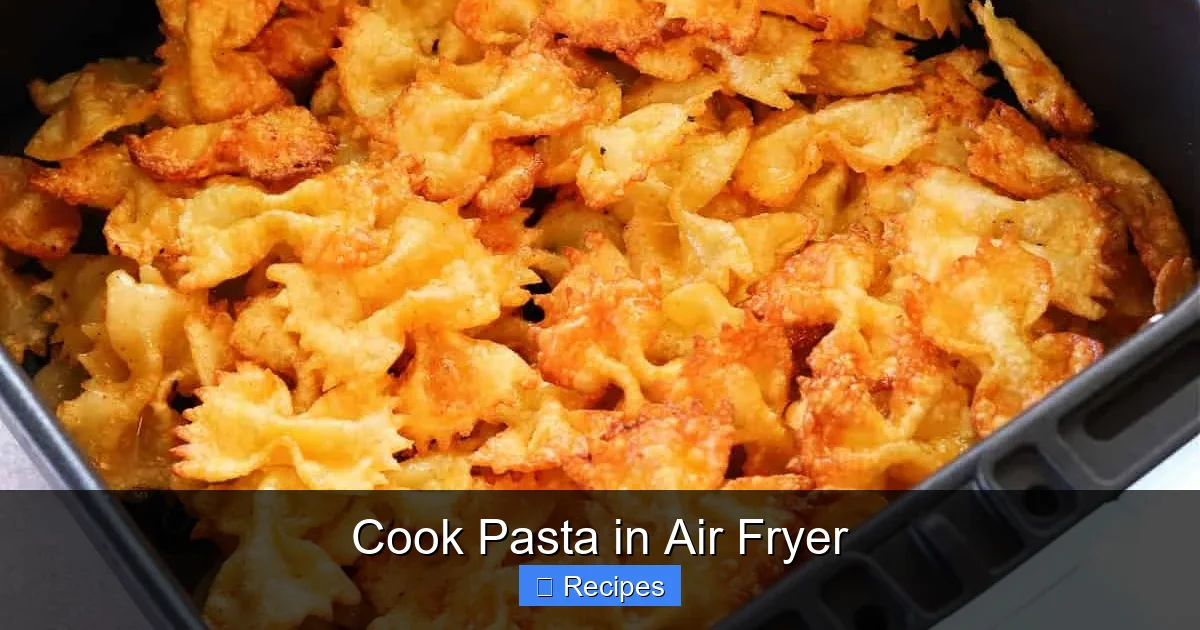
Cooking pasta in an air fryer is a game-changer for busy home cooks. It’s fast, requires little to no oil, and delivers perfectly al dente results with a satisfying texture. Whether you’re making baked ziti, garlic butter noodles, or cheesy casseroles, your air fryer can handle it all.
Key Takeaways
- Air fryers cook pasta quickly: Most pasta dishes take 10–15 minutes, saving time compared to stovetop boiling.
- No boiling water needed: You can cook dry pasta directly in the air fryer with just a little liquid and oil.
- Perfect for crispy-topped dishes: Air frying gives baked pasta a golden, crunchy finish that ovens often miss.
- Great for small batches: Ideal for 1–2 servings, making it perfect for singles or couples.
- Easy cleanup: One-pot cooking means fewer dishes and less mess.
- Versatile recipes: From garlic parmesan spaghetti to cheesy tortellini, the options are endless.
- Use caution with sauces: Thick sauces work best—watery ones can cause splattering or uneven cooking.
📑 Table of Contents
Can You Really Cook Pasta in an Air Fryer?
Yes—you absolutely can cook pasta in an air fryer, and it might just become your new favorite kitchen hack. While air fryers are best known for crispy fries and golden chicken wings, their hot circulating air makes them surprisingly effective for cooking pasta. Whether you’re short on time, out of pots, or just looking for a hands-off method, the air fryer delivers tender, flavorful noodles with minimal effort.
Unlike traditional boiling, which requires a large pot of water and constant monitoring, air frying uses dry heat to cook pasta directly in its final form. This means you can go from dry noodles to a complete meal in under 20 minutes. Plus, because there’s no boiling water, you avoid sticky spills and starchy messes. It’s especially great for one-pan meals like baked ziti, cheesy tortellini, or garlic butter spaghetti—all with that irresistible crispy top.
Why Cook Pasta in an Air Fryer?
You might be wondering: why bother with the air fryer when you’ve got a pot and stove? The answer lies in convenience, speed, and texture. Air fryers heat up fast—no waiting for water to boil—and they cook food evenly with a crisp exterior. This is perfect for pasta dishes that benefit from a little crunch, like baked casseroles or saucy noodles with a golden top.
Another major perk? Cleanup. Traditional pasta cooking often means scrubbing a sticky pot and dealing with splattered water. With the air fryer, everything cooks in one basket. Just toss in your ingredients, set the timer, and walk away. Plus, air fryers use little to no oil, making your pasta dishes lighter and healthier without sacrificing flavor.
Time-Saving Benefits
Imagine making a full pasta dinner in the time it takes to boil water. That’s the reality with an air fryer. Most recipes take between 10 and 15 minutes, depending on the type of pasta and desired doneness. For example, penne or rigatoni can go from dry to perfectly cooked in just 12 minutes with a splash of water and a drizzle of oil.
Energy Efficiency
Air fryers use less energy than stovetops or ovens, especially for small portions. Since they preheat quickly and cook faster, you’re saving both time and electricity. This makes them ideal for quick weeknight dinners or late-night snacks.
How to Cook Pasta in an Air Fryer: Step-by-Step Guide
Cooking pasta in an air fryer is simple, but it does require a few key steps to avoid mushy noodles or burnt edges. The secret is using the right ratio of liquid to pasta and choosing the correct cooking time. Here’s how to do it right every time.
Step 1: Choose the Right Pasta
Short, sturdy shapes work best in the air fryer. Think penne, fusilli, rotini, or rigatoni. These hold their shape and allow steam to circulate evenly. Long noodles like spaghetti or linguine can tangle and cook unevenly unless broken in half.
Step 2: Add Liquid and Oil
Place your dry pasta in the air fryer basket. Add just enough water or broth to cover the noodles—about 1 to 1.5 cups for 2–3 ounces of pasta. Stir in a teaspoon of oil (olive or avocado) to prevent sticking and promote even cooking. Too much liquid will make the pasta soggy; too little will leave it undercooked.
Step 3: Cook and Stir
Set your air fryer to 375°F (190°C) and cook for 8–10 minutes. Pause halfway through to stir the pasta gently. This ensures even exposure to heat and prevents clumping. If the liquid evaporates too quickly, add a splash more water.
Step 4: Add Sauce and Toppings
Once the pasta is al dente, drain any excess liquid (if needed), then stir in your sauce—marinara, Alfredo, or pesto work well. Add cheese, cooked meat, or veggies, then return to the air fryer for 2–3 minutes to melt and crisp the top.
Best Pasta Recipes for the Air Fryer
Now that you know the basics, let’s put your air fryer to work with some delicious, easy recipes. These dishes are perfect for weeknights, meal prep, or impressing guests with minimal effort.
Air Fryer Baked Ziti
This creamy, cheesy comfort food comes together in under 20 minutes. Start with 3 ounces of dry ziti, 1 cup marinara sauce, 1/2 cup ricotta, and a splash of water. Cook at 375°F for 10 minutes, stir, then top with mozzarella and cook 3 more minutes until bubbly and golden. Serve with a sprinkle of basil.
Garlic Butter Spaghetti
Break 2 ounces of spaghetti in half and place in the basket. Add 1 cup water, 1 tbsp butter, 2 minced garlic cloves, and a pinch of salt. Cook for 10 minutes, stir, then add 1/4 cup grated parmesan and a splash of pasta water. Toss and serve immediately for a rich, aromatic dish.
Cheesy Tortellini Bake
Use 4 ounces of frozen cheese tortellini—no thawing needed. Add 1 cup broth, 1/2 cup marinara, and a drizzle of olive oil. Cook at 375°F for 12 minutes. Stir, top with shredded mozzarella and breadcrumbs, then air fry 3 more minutes for a crispy, cheesy crust.
Tips for Perfect Air Fryer Pasta Every Time
Even with the best method, a few pro tips can elevate your air fryer pasta from good to great. These simple tricks ensure consistent results and delicious flavor.
Don’t Overcrowd the Basket
Give your pasta room to move. Overloading the basket traps steam and leads to uneven cooking. Cook in batches if needed, especially with larger portions.
Use Broth Instead of Water
For extra flavor, swap water for chicken or vegetable broth. It infuses the pasta with richness and depth, especially in creamy or tomato-based dishes.
Pre-Cook Meat and Veggies
If adding sausage, chicken, or vegetables, cook them first. Raw meat can release too much moisture, and dense veggies like broccoli need time to soften. Try our guide to cooking ground beef in air fryer for a quick, flavorful base.
Watch the Sauce Consistency
Thick sauces like Alfredo or pesto work best. Watery sauces can cause splattering or make the pasta soggy. If using marinara, reduce it slightly on the stove first or add a spoonful of tomato paste to thicken.
Finish with a Crisp
For that signature air fryer crunch, add breadcrumbs, grated cheese, or crushed crackers in the last 2–3 minutes. This creates a golden, satisfying topping that elevates any dish.
Common Mistakes to Avoid
Even experienced cooks can run into issues when trying something new. Here are the most common air fryer pasta pitfalls—and how to avoid them.
Using Too Much Liquid
It’s tempting to add extra water to prevent burning, but this leads to mushy pasta. Stick to just enough to cover the noodles, and stir halfway to redistribute moisture.
Skipping the Oil
Oil isn’t just for flavor—it prevents sticking and helps the pasta cook evenly. A teaspoon is usually enough for a small batch.
Ignoring the Stir
Pausing to stir halfway is crucial. Without it, the bottom layer can burn while the top remains undercooked. Set a timer so you don’t forget.
Choosing the Wrong Pasta Shape
Delicate shapes like angel hair or orzo can break down or cook unevenly. Stick to sturdy, short noodles for best results.
Not Adjusting for Frozen Pasta
Frozen tortellini or ravioli need a bit more liquid and time. Add an extra 1/4 cup of broth and extend cooking by 2–3 minutes. Check our guide to cooking frozen potstickers in air fryer for similar techniques.
Conclusion: A New Way to Love Pasta
Cooking pasta in an air fryer isn’t just a novelty—it’s a smart, efficient, and delicious way to enjoy your favorite comfort food. From quick garlic noodles to cheesy baked casseroles, the air fryer opens up a world of possibilities with minimal effort and maximum flavor. It’s perfect for small households, busy weeknights, or anyone looking to simplify their cooking routine.
So next time you’re craving pasta, skip the pot and reach for your air fryer. With a few simple ingredients and less than 20 minutes, you’ll have a hot, satisfying meal with that irresistible crispy finish. Whether you’re a seasoned air fryer pro or just getting started, pasta is a great place to experiment. And if you love quick, one-pot meals, you might also enjoy our guide to cooking hash browns in air fryer for another easy, crispy favorite.
Frequently Asked Questions
Can you cook dry pasta directly in an air fryer?
Yes, you can cook dry pasta directly in an air fryer. Just add enough liquid to cover the noodles, a little oil, and cook at 375°F for 8–12 minutes, stirring halfway through.
Do you need to boil pasta before air frying?
No, boiling is not necessary. The air fryer uses steam from the added liquid to cook the pasta fully, making it a one-step process.
What type of pasta works best in an air fryer?
Short, sturdy shapes like penne, rigatoni, fusilli, and tortellini work best. Avoid long, thin noodles unless broken in half.
Can you make baked pasta dishes in an air fryer?
Absolutely! Dishes like baked ziti, cheesy tortellini, and garlic butter spaghetti turn out perfectly with a crispy, golden top.
How much liquid should I use when cooking pasta in an air fryer?
Use just enough liquid to cover the pasta—about 1 to 1.5 cups for 2–3 ounces of dry noodles. Too much will make it soggy.
Is air fryer pasta healthier than boiled pasta?
It can be, especially if you use less oil and add veggies or lean protein. Air frying also avoids the starchy water used in boiling, which some prefer.
