

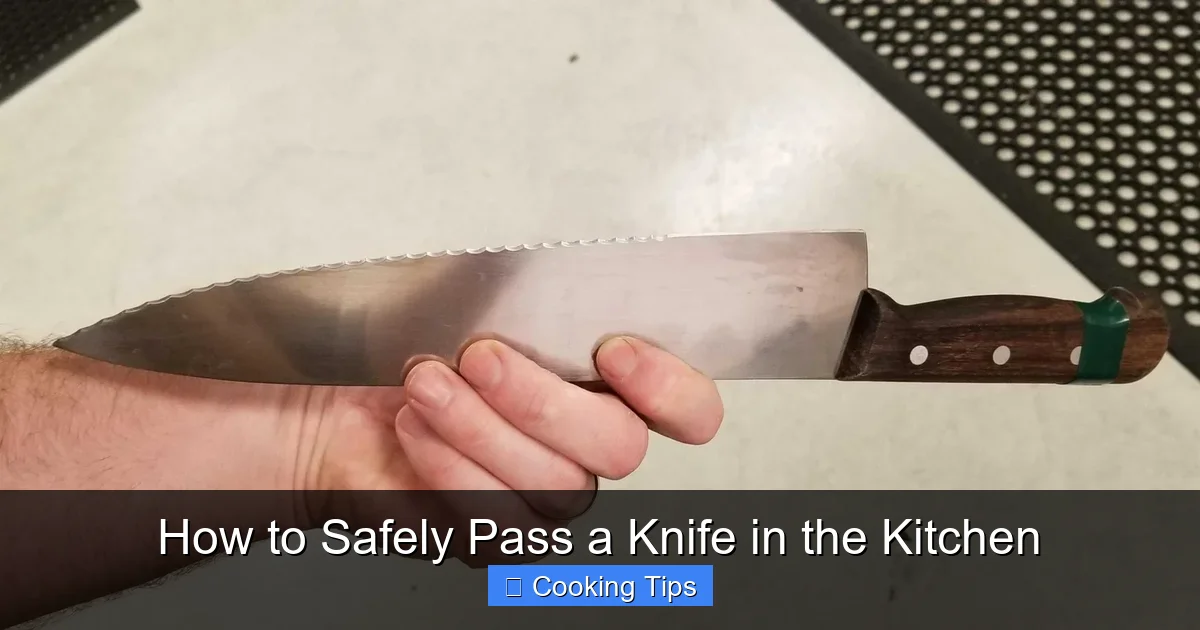
Passing a knife in the kitchen seems simple, but it’s a common cause of accidents. This guide provides clear, step-by-step instructions on how to safely pass a knife to another person, minimizing the risk of cuts and injuries. By following these simple techniques, you can ensure a safer cooking environment for everyone.
How to Safely Pass a Knife in the Kitchen
Welcome to our comprehensive guide on safely passing a knife in the kitchen! In the hustle and bustle of cooking, it’s easy to overlook simple safety protocols. However, passing a knife is one of those seemingly minor actions that can lead to significant accidents if not done correctly. This guide will equip you with the knowledge and techniques to pass knives safely, protecting yourself and others from cuts and injuries. Whether you’re a seasoned chef or a beginner home cook, mastering this skill is essential for a safer kitchen environment.
Key Takeaways
- Understand the Risk: Knives are sharp, and passing them improperly is a leading cause of kitchen injuries. Always treat knives with respect.
- The “Handle First” Method: This is the safest and most recommended way to pass a knife, ensuring the recipient has a secure grip on the handle.
- Clear Communication is Crucial: Announcing your intention to pass a knife prevents unexpected movements and surprises.
- Secure Grip for the Receiver: The person receiving the knife must always grasp the handle firmly, not the blade.
- Avoid Distractions: Both the passer and receiver should be focused on the task to prevent fumbling or misjudging distances.
- Know Your Surroundings: Be aware of other people and obstacles in the kitchen to avoid accidental collisions while passing.
Why Safe Knife Passing Matters
Knives are indispensable tools in any kitchen. Their sharp blades are designed for cutting, but this sharpness also makes them dangerous if mishandled. A moment of carelessness when passing a knife can result in deep cuts, nerve damage, or even more severe injuries. Statistics show that improper knife handling, including passing, is a frequent cause of kitchen accidents. Learning to pass a knife safely isn’t just about following rules; it’s about actively preventing harm and fostering a culture of safety in your kitchen. It ensures that everyone, from the most experienced cook to the youngest helper, can participate in meal preparation with confidence and security.
The Safest Method: The “Handle First” Technique
The most universally recommended and safest way to pass a knife is using the “handle first” method. This technique ensures that the person receiving the knife always has a secure grip on the handle, preventing their fingers from ever coming close to the blade. Let’s break down exactly how to do it.
Step-by-Step Guide to Safely Passing a Knife
Following these steps will make knife passing a natural and safe part of your kitchen routine.
Step 1: Secure the Knife
Before you even think about handing it over, you need to secure the knife. This means ensuring the blade is stable and not about to slip.
H3: Hold the Knife Properly
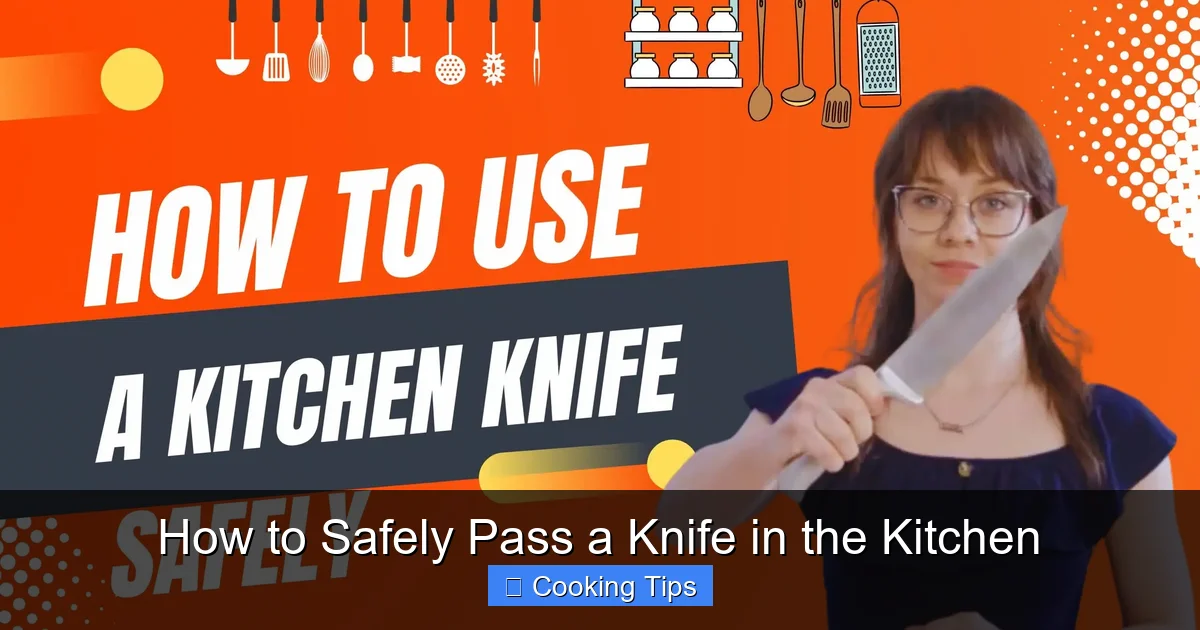
Grasp the knife firmly by the handle. Avoid holding it by the bolster (the part where the blade meets the handle) or, under no circumstances, the blade itself. Your grip should be firm but not so tight that your hand is shaking.
Visual guide about How to Safely Pass a Knife in the Kitchen
Image source: getgoally.com
Visual guide about How to Safely Pass a Knife in the Kitchen
Image source: mykitchenhints.com
Visual guide about How to Safely Pass a Knife in the Kitchen
Image source: jqrorwxhiqijjo5q.ldycdn.com
H3: Point the Blade Downwards
Once you have a secure grip, orient the knife so that the blade is pointing downwards, away from you and the person you are passing it to. This is a critical safety measure to prevent accidental nicks or cuts.
Step 2: Announce Your Intention
Never pass a knife without letting the other person know you are doing so. This might seem obvious, but in a busy kitchen, clear communication is vital.
H3: Verbally Announce “Knife!” or “Passing Knife!”
Clearly and loudly say “Knife!” or “Passing knife!” This alerts the other person that a sharp object is about to be transferred. It gives them a moment to prepare themselves and adjust their position if necessary.
H3: Make Eye Contact (If Possible)
If you can, make eye contact with the person you are passing the knife to. This confirms they have heard you and are ready to receive the knife. This simple gesture reinforces the communication.
Step 3: Offer the Knife Correctly
This is the core of the “handle first” technique. You need to present the knife in a way that allows the recipient to grab it safely.
H3: Extend the Handle
With the blade still pointing downwards and away from the recipient, extend the knife towards them by the handle. Offer the handle, not the blade. Imagine you are presenting an award – hold it by the part they are meant to take.
H3: Position for Easy Grasp
Position the knife so that the handle is easily within their reach and they can grasp it without having to awkwardly stretch or adjust their position. The goal is a smooth, natural transfer.
Step 4: The Receiver’s Role
The safety of passing a knife isn’t solely on the person giving it. The person receiving the knife also has a crucial role to play.
H3: Wait for the Offer
The receiver should wait until the knife is offered to them before reaching out to take it. They should not attempt to grab it prematurely.
H3: Grasp the Handle Firmly
The receiver must firmly grasp the handle of the knife. They should never touch the blade or the bolster. Their grip should be secure enough to control the knife immediately.
H3: Acknowledge Receipt
Once they have a firm grip, the receiver should acknowledge that they have safely received the knife. A simple nod or a verbal “Got it” is sufficient.
Step 5: Complete the Transfer
Once the receiver has a firm grip, you can let go.
H3: Release Your Grip
Only when you are certain the receiver has a secure hold on the handle should you release your grip.
H3: Move Away
Once the transfer is complete, both individuals should move away from each other to avoid any accidental contact with the knife or each other.
Common Mistakes to Avoid
Even with the best intentions, mistakes can happen. Here are some common pitfalls to be aware of:
- Tossing or Dropping the Knife: Never toss a knife, even if the person is standing right next to you. Dropping a knife is also extremely dangerous as it can bounce or land unpredictably.
- Handing Over Blade First: This is perhaps the most dangerous mistake. It forces the receiver to instinctively grab the handle, potentially slicing their hand.
- Passing While Distracted: If you or the receiver are distracted by conversation, other tasks, or rushing, the risk of an accident increases dramatically.
- Passing in a Crowded Space: Trying to pass a knife in a cramped kitchen increases the chance of bumping into someone or knocking the knife out of someone’s hand.
- Not Announcing the Transfer: A silent knife pass is an invitation for disaster. Always communicate.
- Using the Wrong Knife: For less dangerous tasks like passing a butter knife, the “handle first” method might seem overkill, but it’s a good habit to maintain for all knife transfers.
Alternative Scenarios and Considerations
While the “handle first” method is king, there are a few other scenarios and considerations:
Setting the Knife Down Instead of Passing
If possible, the safest option is often to simply place the knife on a stable, flat surface within the other person’s reach. This completely eliminates the risk of a transfer accident. If you need to set it down, ensure the blade is pointing away from any walkways and that it won’t roll off the surface.
Passing to a Child or Less Experienced Cook
When passing a knife to someone younger or less experienced, be extra vigilant. Ensure they understand the instructions and have a firm grip. You might even offer extra guidance or supervision.
Passing a Knife That is Not in Use
If a knife is not actively being used and needs to be moved, place it in a knife block, on a magnetic strip, or in a sheath before moving it or handing it to someone for storage.
Conclusion: Cultivating a Culture of Kitchen Safety
Mastering how to safely pass a knife in the kitchen is a fundamental skill that contributes significantly to overall kitchen safety. By consistently applying the “handle first” technique, communicating clearly, and being mindful of your surroundings, you can drastically reduce the risk of accidents. Remember, safety in the kitchen is a shared responsibility. Encourage these practices among everyone who uses your kitchen. A little bit of attention and consistent effort can prevent painful injuries and ensure that your time spent cooking is enjoyable and safe for everyone. So, the next time you need to pass a knife, remember: handle first, announce clearly, and proceed with care.
