

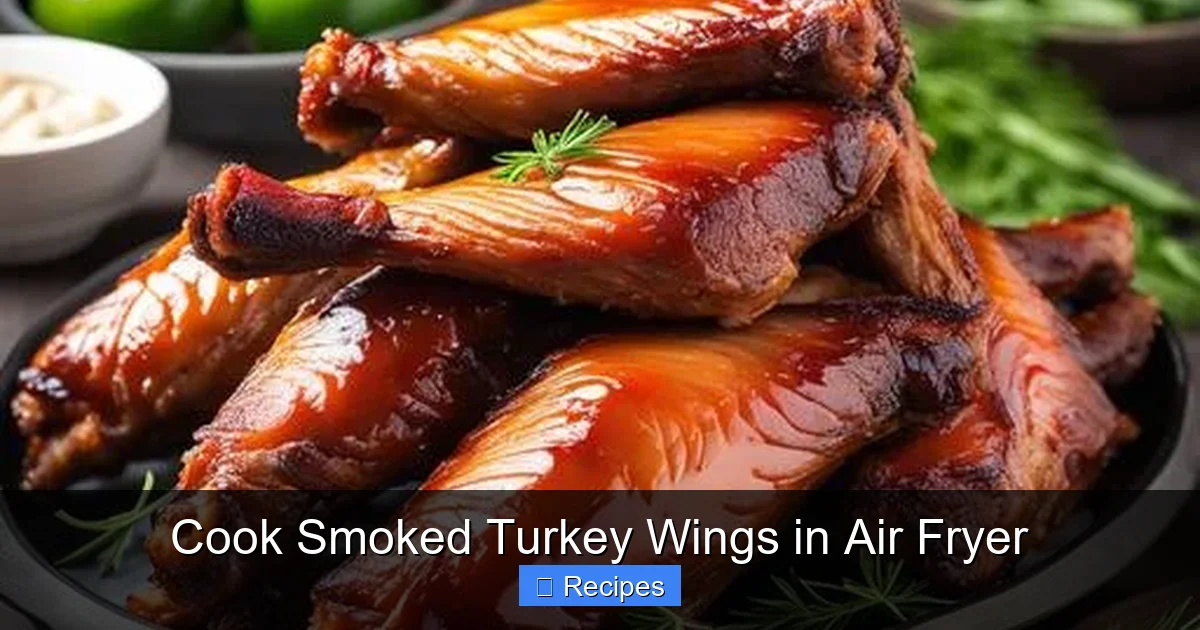
Cooking smoked turkey wings in an air fryer is a fast, healthy way to enjoy tender, smoky meat with crispy skin. This method cuts cooking time and delivers restaurant-quality flavor at home.
[FEATURED_IMAGE_PLACEHEROLDER]
If you’ve ever tried cooking smoked turkey wings in the oven, you know it can take over an hour—plus preheating and cleanup. But what if you could get that same rich, smoky flavor with crispy skin and fall-off-the-bone tenderness in half the time? That’s exactly what happens when you cook smoked turkey wings in an air fryer. This modern kitchen appliance isn’t just for fries and nuggets—it’s a game-changer for hearty cuts like turkey wings.
Smoked turkey wings are already fully cooked and infused with deep, savory flavor from the smoking process. That means your job isn’t to cook them through, but to reheat them while crisping the skin and warming the meat evenly. The air fryer excels at this. Its rapid air circulation technology surrounds the wings with hot air, cooking them quickly and evenly without drying them out. Whether you’re feeding a family, prepping for a holiday meal, or just craving something hearty and satisfying, this method delivers consistent, delicious results every time.
Key Takeaways
- Air frying saves time: Smoked turkey wings cook faster in an air fryer than in an oven, often in under 40 minutes.
- No need to thaw: You can cook frozen smoked turkey wings directly in the air fryer—just add a few extra minutes.
- Healthier than frying: Air frying uses little to no oil, reducing fat while keeping the meat juicy and flavorful.
- Easy cleanup: The air fryer basket catches drips, making post-cooking cleanup quick and simple.
- Perfect for meal prep: Cook a batch ahead of time and reheat easily for quick weeknight dinners.
- Great for beginners: This method requires minimal prep and no special skills—just season, place, and cook.
- Versatile seasoning: Use your favorite rubs or sauces to customize flavor, from smoky BBQ to spicy Cajun.
📑 Table of Contents
Why Use an Air Fryer for Smoked Turkey Wings?
The air fryer has become a kitchen staple for good reason. It combines the convenience of a countertop appliance with the performance of a convection oven—but faster and with less energy. When it comes to smoked turkey wings, the benefits are clear.
First, speed. Traditional oven methods can take 60–90 minutes, including preheating. In contrast, air-fried smoked turkey wings are ready in 30–40 minutes. That’s a huge time saver on busy weeknights. Second, texture. The intense heat and airflow create a crispy exterior that’s hard to achieve with conventional reheating methods. You get that satisfying crunch without deep-frying.
Another advantage is moisture retention. Because the wings are already smoked and cooked, they don’t need long exposure to dry heat. The air fryer reheats them gently while crisping the skin, preventing the meat from drying out. Plus, there’s no need to add extra oil—though a light spray can enhance crispiness if desired.
Finally, the air fryer is perfect for small batches. Whether you’re cooking two wings or six, it handles the job efficiently. And cleanup? Just remove the basket, give it a quick scrub, and you’re done. No greasy oven racks or splattered pans.
What You’ll Need
Before you start, gather your tools and ingredients. The beauty of this recipe is its simplicity.
Ingredients
- 2–4 smoked turkey wings (frozen or thawed)
- 1–2 teaspoons of your favorite seasoning blend (e.g., garlic powder, onion powder, paprika, black pepper, cayenne)
- Optional: 1 tablespoon olive oil or cooking spray for extra crispiness
- Optional: BBQ sauce, hot sauce, or honey glaze for finishing
Equipment
- Air fryer (3.5-quart or larger recommended)
- Tongs or silicone-tipped utensils
- Small bowl for seasoning
- Meat thermometer (optional but helpful)
Prep Tips
If using frozen wings, there’s no need to thaw—just add 5–7 minutes to the cooking time. For best results, pat the wings dry with a paper towel before seasoning. This helps the spices stick and promotes better browning. If you prefer extra crispy skin, lightly coat the wings with oil or cooking spray. A little goes a long way.
Step-by-Step Instructions
Follow these simple steps for perfectly cooked smoked turkey wings every time.
Step 1: Preheat the Air Fryer
Preheat your air fryer to 375°F (190°C) for 3–5 minutes. Preheating ensures even cooking and helps crisp the skin from the start. While it heats, prepare your wings.
Step 2: Season the Wings
In a small bowl, mix your seasonings. Rub the blend evenly over all sides of the wings. For a bolder flavor, let them sit for 10–15 minutes at room temperature. If you’re short on time, seasoning right before cooking still works well.
Step 3: Arrange in the Basket
Place the wings in the air fryer basket in a single layer. Avoid overcrowding—this ensures proper airflow and even cooking. If you have more wings than fit, cook in batches. Overlapping wings can lead to uneven heating and soggy spots.
Step 4: Cook the Wings
Air fry at 375°F (190°C) for 25–30 minutes if using thawed wings. For frozen wings, cook for 32–37 minutes. Halfway through, flip the wings using tongs to ensure both sides crisp evenly. This step is crucial for uniform browning.
Step 5: Check for Doneness
Smoked turkey wings are safe to eat when reheated to an internal temperature of 165°F (74°C). Use a meat thermometer to check the thickest part of the wing, avoiding the bone. If the skin is golden and crispy and the meat is hot throughout, they’re ready.
Step 6: Optional Glaze or Sauce
For extra flavor, brush the wings with BBQ sauce, honey mustard, or hot sauce during the last 5 minutes of cooking. This adds a glossy finish and a burst of flavor. Be careful not to add sauce too early—it can burn under high heat.
Tips for Best Results
Even simple recipes benefit from a few pro tips. Here’s how to take your air-fried smoked turkey wings to the next level.
Don’t Overcrowd the Basket
Airflow is key to crispy results. If the wings touch or overlap, steam builds up and prevents browning. Cook in batches if needed. Most air fryers can comfortably fit 2–3 large wings at a time.
Flip for Even Cooking
Flipping halfway ensures both sides get equal exposure to hot air. Use tongs to gently turn the wings without tearing the skin. This small step makes a big difference in texture.
Use a Meat Thermometer
While smoked turkey wings are pre-cooked, reheating them properly is important for food safety and taste. A thermometer takes the guesswork out of doneness. Aim for 165°F (74°C) in the center.
Experiment with Seasonings
Smoked turkey wings pair well with a variety of flavors. Try a smoky rub with brown sugar and chili powder, or go bold with Cajun seasoning. For a sweet twist, brush with a honey-garlic glaze in the final minutes.
Serve Immediately
Air-fried wings are best enjoyed hot and crispy. Serve them right out of the fryer with your favorite sides—mashed potatoes, collard greens, or cornbread make excellent companions.
Serving Suggestions and Pairings
Smoked turkey wings are hearty and flavorful, making them a centerpiece for any meal. Here are some delicious ways to serve them.
Classic Southern Style
Pair your wings with creamy mashed potatoes, buttery cornbread, and sautéed green beans. A drizzle of hot sauce or vinegar-based barbecue sauce adds a tangy kick.
Spicy BBQ Bowl
Serve over a bed of rice or quinoa with black beans, grilled corn, and a generous spoonful of smoky BBQ sauce. Top with fresh cilantro and a squeeze of lime.
Weeknight Dinner Plate
Keep it simple with roasted sweet potatoes and a crisp garden salad. The smoky flavor of the wings stands out beautifully against fresh, light sides.
Meal Prep Friendly
Cook a batch on Sunday and store in the fridge for up to 4 days. Reheat in the air fryer for 5–7 minutes at 375°F to restore crispiness. Perfect for quick lunches or dinners.
Common Mistakes to Avoid
Even the best cooks can run into issues. Here’s what to watch out for.
Skipping the Flip
Not flipping the wings can lead to one side being overcooked while the other stays pale. Always flip halfway through.
Adding Sauce Too Early
Sweet sauces like honey or molasses can burn quickly. Add them in the last 5 minutes to avoid charring.
Overcooking
Since the wings are already cooked, overcooking can dry them out. Stick to the recommended time and check with a thermometer.
Ignoring Airflow
Overloading the basket reduces airflow and leads to steaming instead of crisping. Cook in batches if necessary.
Conclusion
Cooking smoked turkey wings in an air fryer is a smart, fast, and delicious way to enjoy this Southern favorite. With minimal prep and maximum flavor, it’s a method that fits perfectly into modern kitchens. Whether you’re reheating leftovers or cooking from frozen, the air fryer delivers juicy meat and crispy skin every time. Try it once, and you might never go back to the oven. For more air fryer tips, check out our guide on how to cook wings in air fryer or explore how to cook frozen wings in air fryer for similar techniques. If you love turkey, don’t miss our post on how to cook turkey bacon in air fryer.
Frequently Asked Questions
Can I cook frozen smoked turkey wings in an air fryer?
Yes! You can cook frozen smoked turkey wings directly in the air fryer. Just increase the cooking time by 5–7 minutes and flip halfway through for even heating.
Do I need to add oil to the wings?
No, oil is optional. The wings have natural fat that helps crisp the skin. For extra crunch, lightly spray with oil before seasoning.
How do I prevent the wings from drying out?
Since they’re already cooked, avoid overcooking. Use a meat thermometer to check for 165°F (74°C) and remove them promptly when done.
Can I reheat leftover smoked turkey wings in the air fryer?
Absolutely! Reheat at 350°F (175°C) for 5–7 minutes until hot and crispy. This method works better than the microwave.
What temperature should I set the air fryer?
375°F (190°C) is ideal for crisping the skin while reheating the meat evenly. Avoid lower temperatures, as they may not crisp properly.
How many wings can I cook at once?
It depends on your air fryer size. Most 3.5-quart models fit 2–3 wings. Cook in batches if needed to avoid overcrowding.
