

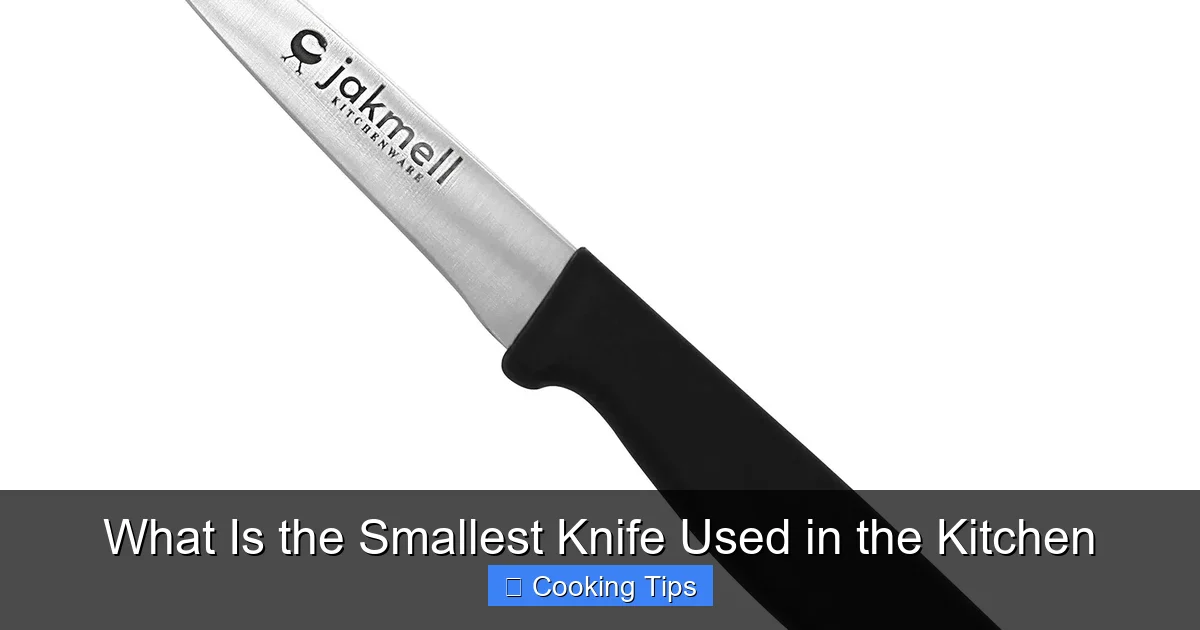
Uncover the secrets of the smallest knives in the kitchen! This guide dives deep into the world of petite blades, from paring knives to micro-planes. Discover their specific uses for intricate tasks, how to choose the right one, and essential care tips to keep them sharp and effective. Mastering these small wonders will elevate your culinary precision.
- The Paring Knife Reigns Supreme: Often considered the smallest *versatile* knife, a paring knife is crucial for detailed work like peeling, trimming, and coring.
- Beyond the Paring Knife: Explore even smaller specialized blades such as bird’s beak knives and microplanes, designed for highly specific culinary applications.
- Precision Over Size: The advantage of the smallest kitchen knives lies in their ability to perform intricate tasks with accuracy that larger knives simply cannot match.
- Choosing Your Tiny Tool: Factors like blade length, handle comfort, and material are vital when selecting the perfect small knife for your needs.
- Essential Care for Longevity: Proper cleaning, sharpening, and storage are paramount to ensure your smallest knives remain sharp and functional for years to come.
- Troubleshooting Tiny Troubles: Address common issues like dull blades or uncomfortable grips with practical, easy-to-implement solutions.
What Is the Smallest Knife Used in the Kitchen
Welcome to the wonderful world of miniature culinary tools! In the vast arsenal of kitchen gadgets, we often focus on the mighty chef’s knife or the sturdy bread knife. But what about the unsung heroes, the tiny titans that tackle the most delicate of tasks? In this guide, we’ll explore the smallest knives found in kitchens today, uncovering their unique purposes, how to choose them, and how to keep them in peak condition. By the end of this, you’ll understand why these little blades are indispensable for any serious home cook in 2026.
Defining “Smallest”
When we talk about the “smallest knife” in the kitchen, we’re generally referring to its blade length and overall size. This typically excludes novelty or decorative knives and focuses on functional tools designed for specific culinary tasks. We’re looking for precision instruments, not miniature versions of larger knives.
The Reigning Champion: The Paring Knife
The most common and arguably the most important of the smallest knives is the **paring knife**. Typically, a paring knife has a blade length of 2 to 4 inches. Its compact size and pointed tip make it perfect for detailed work.
Uses of a Paring Knife
The paring knife is your go-to for a multitude of intricate tasks that larger knives can’t handle with the same finesse.
- Peeling: Whether it’s apples, potatoes, or carrots, a paring knife allows you to remove skins with minimal waste, hugging the contours of the produce.
- Trimming and Deveining: Removing the core from tomatoes, hulling strawberries, or deveining shrimp are all tasks where a paring knife excels.
- Coring Fruits: Easily remove the core from apples or pears for baking or snacking.
- Garnishing: Creating decorative shapes and garnishes from fruits and vegetables is far easier with the precision of a paring knife.
- Small Slicing and Dicing: For very small ingredients or intricate cuts like mincing garlic or shallots when you only need a small amount, a paring knife is efficient.
Types of Paring Knives
Within the paring knife category, there are a few variations to consider:
- Straight Paring Knife: The most common type, with a straight, plain edge blade.
- Sheepsfoot Paring Knife: Features a curved blade with a blunt tip, ideal for slicing without piercing.
- Bird’s Beak Paring Knife: Also known as a tourné knife, this has a curved, pointed blade resembling a bird’s beak, perfect for intricate carving and shaping of fruits and vegetables.
Beyond the Paring Knife: Even Smaller Specialized Blades
While the paring knife is the smallest *versatile* knife, there are even more specialized, smaller tools designed for very specific purposes.
The Microplane Grater/Zester
While technically a grater, the microplane’s sharp, fine teeth are similar in function to a very fine blade and are often categorized alongside small knives for kitchen tasks. Its ultra-fine grating surface can transform ingredients.
Uses of a Microplane
- Zesting Citrus: Effortlessly remove the fragrant zest from lemons, limes, and oranges without the bitter white pith.
- Grating Hard Cheeses: Produce fluffy, delicate shavings of Parmesan, Pecorino, and other hard cheeses.
- Garlic and Ginger: Finely grate fresh garlic and ginger for sauces, marinades, and stir-fries, releasing their full flavor.
- Nutmeg: Grate whole nutmeg for a potent, fresh aroma and taste.
- Chocolate: Create delicate chocolate shavings for desserts.
Utility Knives and Steak Knives (with a caveat)
Sometimes, a small utility knife (typically 4-6 inches) or even a sharp steak knife (4-6 inches) can be used for tasks that might otherwise require a paring knife, especially if it’s all you have on hand. However, their primary design is different. Steak knives are designed for cutting cooked meat, and utility knives are a step up in size from paring knives. While they *can* do some of the same jobs, they lack the ultimate precision of a true paring knife.
Why Are Small Knives So Important?
The primary advantage of the smallest kitchen knives lies in their **precision**. Larger knives are built for bulk tasks like chopping large vegetables or slicing roasts. Small knives, on the other hand, are designed for intricate work where accuracy is paramount.
* **Control:** The compact size offers superior control, allowing you to make precise cuts without accidentally removing too much material or damaging the surrounding parts of your ingredient.
* **Maneuverability:** They can easily navigate around curves and uneven surfaces of fruits and vegetables.
* **Reduced Waste:** When peeling or trimming, a small, sharp blade allows you to remove only the absolute minimum needed, preserving more of the food.
* **Aesthetics:** For decorative elements and garnishes, the precision of a small knife is essential for creating professional-looking results.
Choosing Your Tiny Tool
When selecting a small knife, consider these factors:
1. Blade Material
* Stainless Steel: Durable, rust-resistant, and easy to maintain. A good all-around choice.
* High-Carbon Stainless Steel: Offers a good balance of sharpness retention and corrosion resistance.
* Ceramic: Extremely sharp and holds its edge for a long time, but can be brittle.
2. Blade Length
* For general paring tasks, 3 to 3.5 inches is ideal.
* If you plan on doing a lot of intricate peeling or coring, a slightly longer blade might be beneficial, but still within the paring knife range.
3. Handle Comfort and Material
* The handle should fit comfortably in your hand, providing a secure grip even when wet.
* Materials like wood, plastic, or synthetic composites are common. Ensure it’s non-slip.
4. Blade Type (Edge)
* Plain Edge: The most common and versatile for slicing and peeling.
* Serrated Edge: Less common for paring knives, but can be useful for slicing through tough skins like tomatoes without crushing the flesh.
5. Brand Reputation and Reviews
* Research reputable knife brands known for quality and durability.
* Read reviews from other cooks to get an idea of performance and longevity.
Essential Care for Longevity
To ensure your smallest knives remain sharp, effective, and safe for years to come, proper care is crucial.
1. Cleaning
* Hand Wash Only: Never put your small knives in the dishwasher. The harsh detergents, high heat, and banging around can dull the blade, damage the handle, and even cause rust or corrosion.
* Gentle Soap and Warm Water: Wash immediately after use with mild dish soap and warm water.
* Dry Thoroughly: Use a soft, dry towel to dry the blade and handle completely before storing. This prevents water spots and rust.
2. Sharpening
* **Regular Honing:** Use a honing steel regularly (even weekly or bi-weekly depending on use) to realign the microscopic teeth of the blade. This keeps it sharp between actual sharpening sessions.
* **Sharpening Stones or Electric Sharpeners:** When honing is no longer effective, it’s time to sharpen. Use a sharpening stone (whetstone) for the best results and control, or a good quality electric sharpener if you prefer speed and convenience. Aim to sharpen small knives every few months, or when you notice a decline in cutting performance.
* Professional Sharpening: If you’re not comfortable sharpening yourself, consider professional knife sharpening services.
3. Storage
* Knife Block: A dedicated knife block keeps blades protected and readily accessible.
* Magnetic Strip: A magnetic strip on the wall is a space-saving option, but ensure the knives are placed and removed carefully to avoid chipping the blades.
* Blade Guards: For drawer storage or travel, use protective blade guards (sheaths) to prevent accidents and protect the blade from damage.
* Avoid Loose Storage: Never toss your small knives loosely into a drawer with other utensils, as this can lead to dulling and dangerous situations.
Troubleshooting Tiny Troubles
Even the best small knives can encounter minor issues. Here’s how to fix them:
Problem: The Knife Feels Dull
* Solution: It’s likely time for sharpening. If you have a honing steel, try honing it first. If that doesn’t restore sharpness, use a sharpening stone or electric sharpener. For ceramic knives, ensure you are using a ceramic-specific sharpener.
Problem: The Handle is Loose or Damaged
* Solution: For wooden handles, sometimes a bit of food-grade mineral oil can help revive them. If the handle is significantly loose, it might require professional repair or replacement, though this is uncommon for quality knives. Damaged plastic handles usually mean it’s time for a new knife.
Problem: Rust Spots on the Blade
* Solution: Light rust can often be removed with a paste of baking soda and water, rubbed gently with a soft cloth. For more stubborn rust, a specialized rust remover for knives can be used. Always dry thoroughly afterward and consider a light coat of food-grade mineral oil on stainless steel blades if storing for extended periods.
Problem: The Blade is Chipped
* Solution: Small chips can sometimes be ground out during the sharpening process by a professional. If the chip is large or deep, the knife might be compromised and may need to be retired.
Conclusion
In the dynamic culinary landscape of 2026, mastering even the smallest tools in your kitchen is key to elevating your cooking. The smallest knives, primarily the versatile paring knife and specialized tools like the microplane, are not mere accessories; they are precision instruments that enable intricate work, reduce waste, and enhance the aesthetic appeal of your dishes. By understanding their uses, choosing wisely, and dedicating time to their proper care, you’ll find that these tiny titans unlock a new level of control and creativity in your kitchen. So, embrace the petite power of your smallest knives, and watch your culinary skills blossom!
