

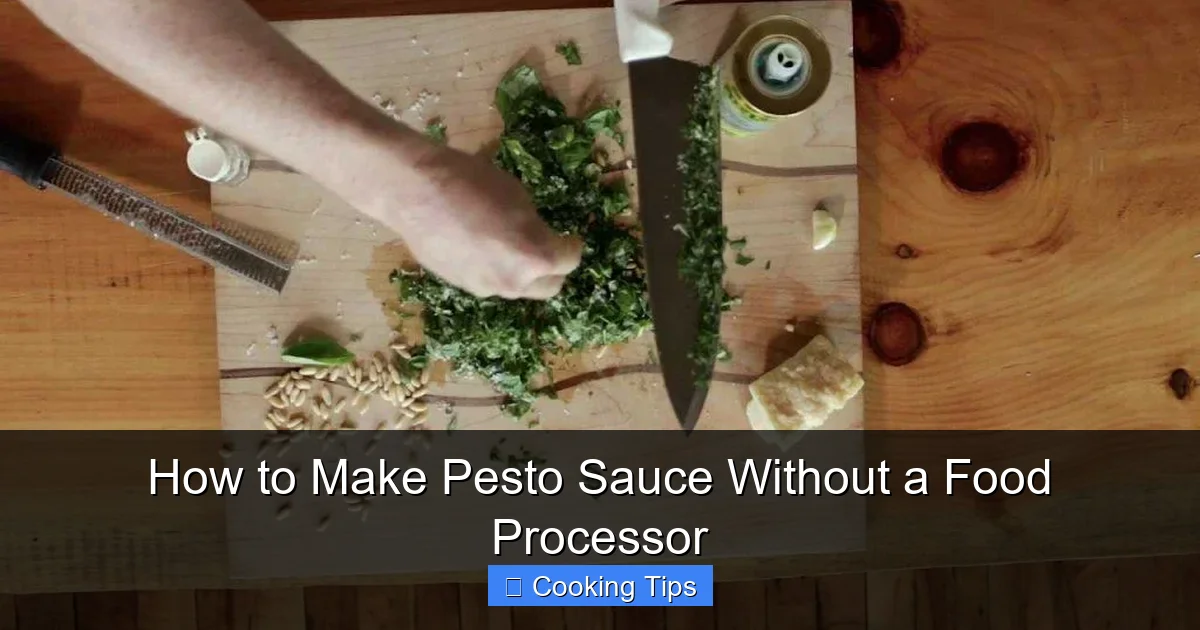
Discover the art of making delicious, fresh pesto sauce even without a food processor. This guide explores traditional methods like using a mortar and pestle or a sharp knife for finely chopping ingredients. You’ll learn how to achieve a perfect pesto texture and vibrant flavor, proving that homemade pesto is accessible to everyone, regardless of their kitchen appliances. Embrace the rewarding process of creating this classic Italian sauce from scratch.
How to Make Pesto Sauce Without a Food Processor
Welcome to 2026, where the joy of cooking is more accessible than ever! You might think that a food processor is essential for making that vibrant, herbaceous pesto sauce. Well, think again! This guide is here to show you how to create incredibly delicious, authentic pesto sauce using simple, time-tested methods. Whether you have a mortar and pestle collecting dust or just a good sharp knife, you’re about to unlock the secret to amazing homemade pesto, no fancy gadgets required. Get ready to impress yourself and your loved ones with a classic Italian condiment made the traditional way.
Key Takeaways
- Traditional Techniques are Key: Mastering the mortar and pestle or a sharp chef’s knife allows for authentic pesto creation without modern appliances.
- Ingredient Quality Matters: Fresh, high-quality basil, pine nuts, garlic, Parmesan cheese, and olive oil are crucial for a flavorful result.
- Patience is Rewarding: The mortar and pestle method requires more time and effort but yields a uniquely textured and intensely flavored pesto.
- Knife Skills for Efficiency: Finely mincing ingredients with a knife offers a quicker alternative to the mortar and pestle, still producing excellent results.
- Customization is Encouraged: Feel free to experiment with different nuts, cheeses, and herbs to personalize your pesto.
- Proper Storage is Important: Learn how to store your homemade pesto to maintain its freshness and flavor for longer.
Why Make Pesto Without a Food Processor?
In today’s fast-paced world, convenience often takes center stage. Food processors offer speed and ease. However, there’s a special magic in reverting to older, more manual techniques. Using a mortar and pestle not only gives you a unique texture but also allows you to truly connect with the ingredients. The gentle grinding releases the essential oils from the basil and nuts in a way that a blender or food processor can sometimes pulverize. It’s a mindful cooking experience that results in a superior pesto. Similarly, a sharp knife allows for precise control over the chop, ensuring you achieve the perfect consistency. Let’s dive into these rewarding methods!
Method 1: The Classic Mortar and Pestle Technique
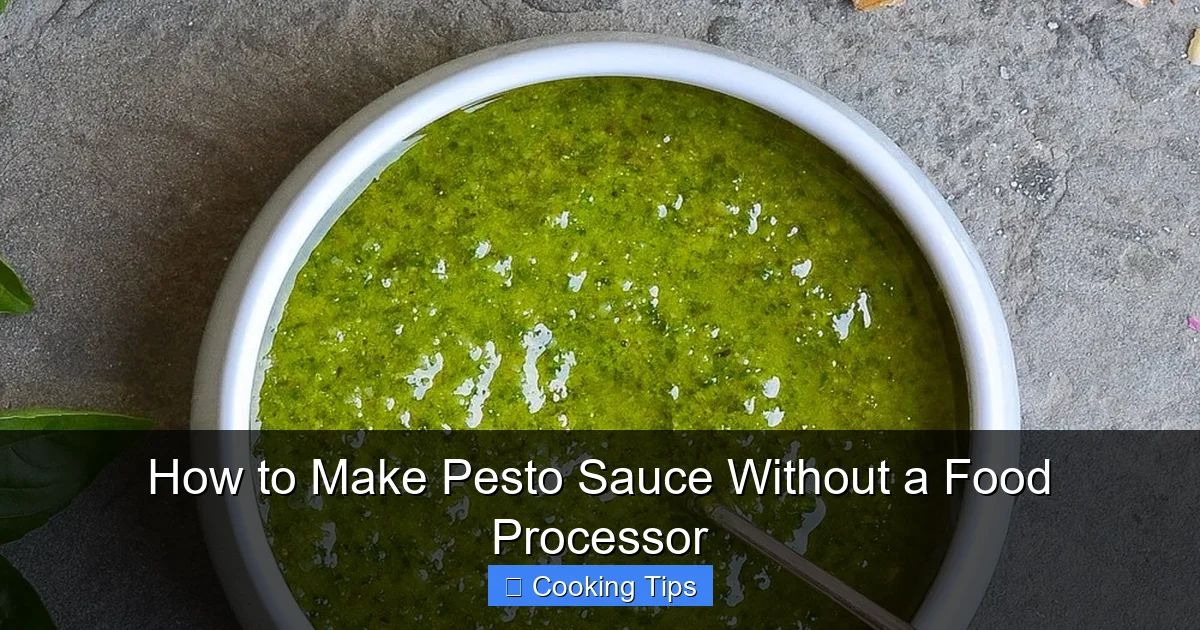
Visual guide about How to Make Pesto Sauce Without a Food Processor
Image source: onceuponachef.com
This is the most traditional way to make pesto. It takes more time and effort, but the results are truly exceptional. The rhythmic grinding process breaks down the ingredients, releasing their flavors and creating a beautifully textured sauce.
Gather Your Ingredients
Before you begin, make sure you have the freshest ingredients possible. This will make a huge difference in your final pesto.
* Fresh Basil: About 2 cups of packed fresh basil leaves. Use sweet basil for the most classic flavor.
* Garlic: 2-3 cloves, depending on your preference for garlic intensity.
* Pine Nuts: About 1/4 cup. Toasting them lightly beforehand enhances their flavor.
* Parmesan Cheese: 1/2 cup finely grated. Use good quality Parmigiano-Reggiano for the best taste.
* Extra Virgin Olive Oil: About 1/2 cup, or more, to reach your desired consistency.
* Salt: To taste.
* Black Pepper: Freshly ground, to taste.
Step-by-Step Pesto Creation
1. Prepare the Garlic:
* Peel the garlic cloves.
* Place them in the mortar.
* Add a pinch of salt. The salt acts as an abrasive and helps break down the garlic more easily.
* Use the pestle to grind the garlic into a fine paste. Work in a circular motion, pressing down and rotating the pestle against the sides of the mortar.
2. Add the Pine Nuts:
* Add the pine nuts to the mortar with the garlic paste.
* Continue to grind and pound until the pine nuts are also well broken down and have formed a coarse paste with the garlic.
3. Incorporate the Basil:
* Add the fresh basil leaves to the mortar. It’s best to add them in batches if your mortar is small.
* Start to pound and grind the basil. This is where the technique really comes into play. Use a combination of pounding straight down and a twisting motion with the pestle.
* The goal is to break down the leaves without bruising them too much. You’ll want a roughly chopped, textured consistency. Keep working until you’ve incorporated all the basil and it has released its vibrant green color and aroma.
4. Mix in the Cheese:
* Add the finely grated Parmesan cheese to the mortar.
* Gently stir and grind the cheese into the basil mixture. You’re not looking to make a smooth paste here, but rather to incorporate the cheese evenly.
5. Emulsify with Olive Oil:
* Slowly drizzle in the extra virgin olive oil, a little at a time, while stirring with the pestle or a spoon.
* Continue adding olive oil until the pesto reaches your desired consistency. It should be thick but spreadable, not oily or watery.
* Taste and season with salt and freshly ground black pepper. Remember that the Parmesan cheese is salty, so season carefully.
Method 2: The Sharp Knife Technique
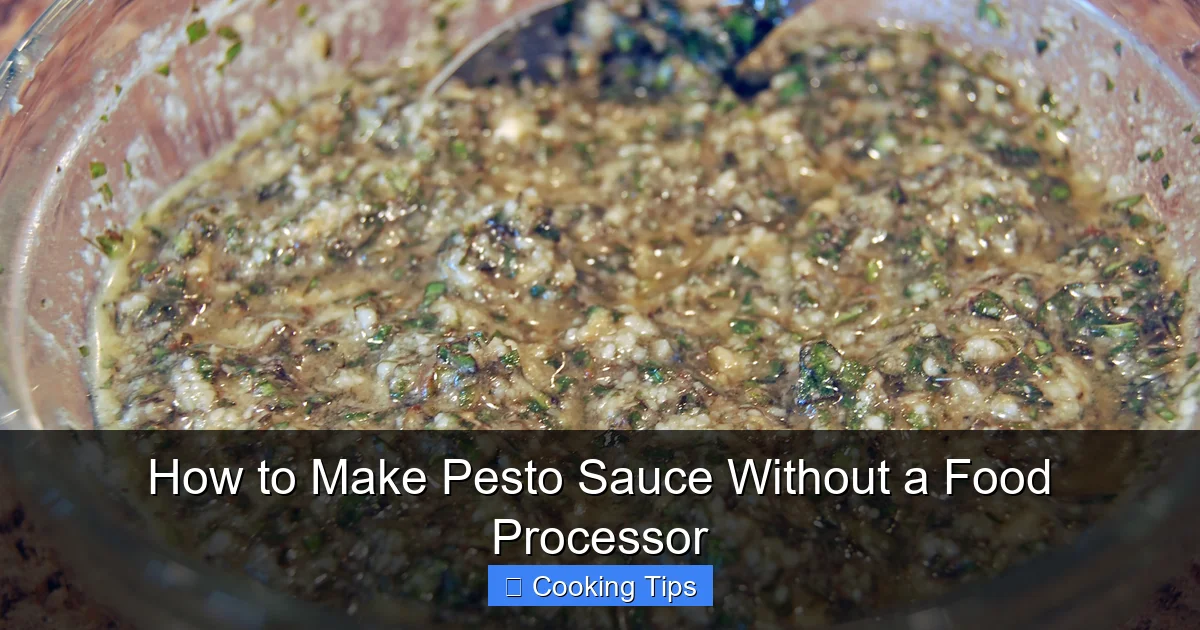
Visual guide about How to Make Pesto Sauce Without a Food Processor
Image source: eatathomecooks.com
If you don’t have a mortar and pestle, or if you’re short on time, a sharp chef’s knife can be your best friend for making pesto. This method focuses on achieving a very fine chop for all your ingredients.
Gather Your Ingredients
The ingredients are the same as for the mortar and pestle method:
* Fresh Basil (2 cups packed)
* Garlic (2-3 cloves)
* Pine Nuts (1/4 cup, lightly toasted)
* Parmesan Cheese (1/2 cup finely grated)
* Extra Virgin Olive Oil (about 1/2 cup, or more)
* Salt (to taste)
* Black Pepper (freshly ground, to taste)
Step-by-Step Pesto Creation
1. Prepare Your Workspace:
* Find a large, stable cutting board.
* Ensure your chef’s knife is very sharp. This is crucial for a fine chop and safety.
2. Finely Mince the Garlic:
* Peel the garlic cloves.
* Mince them as finely as possible. You can chop them, then use the side of your knife to “smash” and mince them further until they resemble a coarse paste.
3. Chop the Pine Nuts:
* Add the toasted pine nuts to the minced garlic on the cutting board.
* Use your knife to chop them finely. You want them to be broken down into small pieces, releasing some of their oils.
4. Finely Chop the Basil:
* Wash and thoroughly dry your basil leaves. Excess water will dilute your pesto.
* Pile the basil leaves together on the cutting board.
* Begin to finely chop them. Use a rocking motion with your knife, going over the basil repeatedly until it is very finely minced. Aim for a texture similar to what you’d achieve with a food processor.
5. Combine and Mix:
* Gather the minced garlic, pine nuts, and chopped basil into a pile in the center of your cutting board.
* Add the finely grated Parmesan cheese to the pile.
* Using your knife or a spoon, gently mix these ingredients together.
6. Emulsify with Olive Oil:
* Begin drizzling in the extra virgin olive oil, mixing as you go.
* Use your spoon to thoroughly combine everything. Continue adding olive oil until the pesto reaches your desired consistency. It should be a thick, emulsified sauce.
* Taste and season with salt and freshly ground black pepper.
Tips for Success
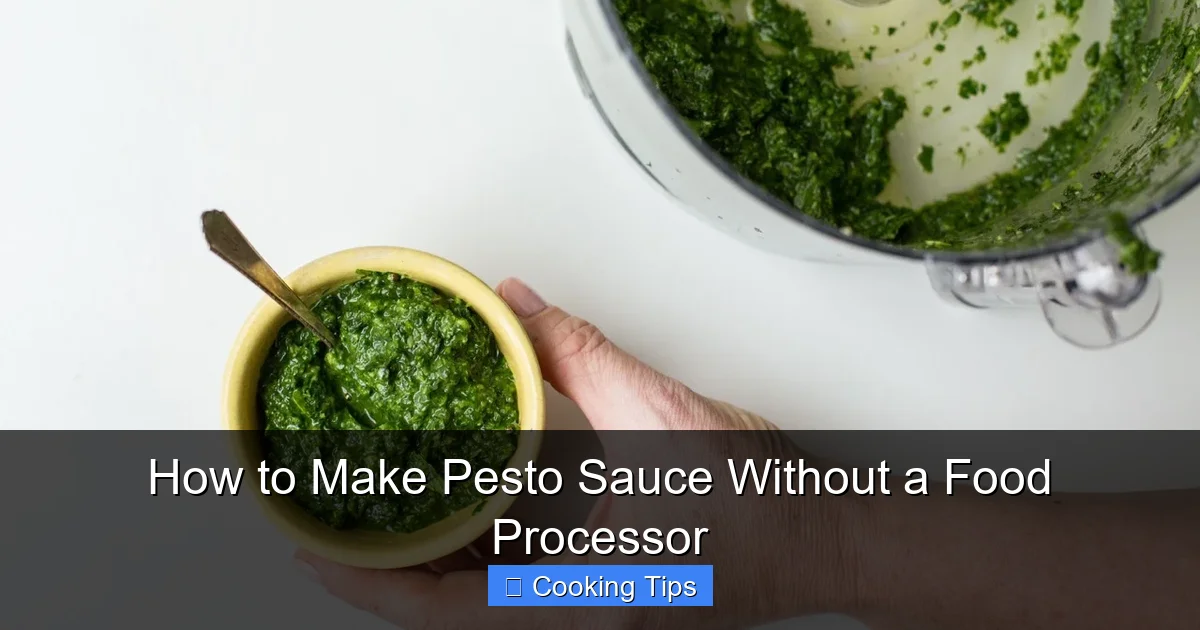
Visual guide about How to Make Pesto Sauce Without a Food Processor
Image source: storables.com
* Toast Your Pine Nuts: This step is optional but highly recommended. Toast them in a dry skillet over medium-low heat for 3-5 minutes, stirring constantly, until fragrant and lightly golden. Let them cool completely before using.
* Use Fresh, High-Quality Ingredients: The flavor of your pesto is directly related to the quality of its components. This is especially true for basil and olive oil.
* Don’t Overwork the Basil (Mortar & Pestle): The goal is to break down the basil, not to mash it into a bitter paste. Be firm but gentle.
* Control the Consistency: You can adjust the amount of olive oil to make your pesto thicker or thinner. Start with less and add more as needed.
* Experiment with Variations: Don’t be afraid to swap out ingredients! Walnuts or almonds can be used instead of pine nuts. Pecorino Romano can be mixed with or replace Parmesan. Try adding a pinch of red pepper flakes for a bit of heat. Arugula or spinach can be added for a different flavor profile.
Troubleshooting Common Pesto Problems
* **Pesto is Bitter:** This can happen if the basil is over-processed or if you used older, bruised basil. With the mortar and pestle, be gentle. With the knife, ensure it’s sharp and chop cleanly. Ensure you’re using fresh, vibrant basil leaves.
* **Pesto is Too Oily:** You’ve likely added too much olive oil. You can try to remedy this by adding a little more grated cheese or a few more pine nuts to absorb some of the excess oil. However, it’s often best to just use it as is, perhaps drizzling it over dishes where a slightly oilier consistency won’t be an issue.
* **Pesto is Too Dry:** Simply add more olive oil, a tablespoon at a time, stirring until you reach your desired consistency.
* **Pesto is Bland:** Taste and adjust seasoning. You might need more salt, pepper, or even a squeeze of lemon juice for brightness. Ensure you’re using good quality garlic and cheese.
Storing Your Homemade Pesto
Proper storage will help keep your delicious pesto fresh for longer.
* Refrigeration: Transfer the pesto to an airtight container. To prevent browning, pour a thin layer of olive oil over the surface of the pesto before sealing the container. It should last for about 5-7 days in the refrigerator.
* Freezing: Pesto freezes beautifully! You can freeze it in an airtight container or, for convenient single servings, freeze it in ice cube trays. Once frozen, transfer the pesto cubes to a freezer bag. Frozen pesto can last for several months. When you’re ready to use it, thaw overnight in the refrigerator or gently warm it on the stovetop.
Conclusion
Making pesto sauce without a food processor is not only possible but also a deeply satisfying culinary experience. Whether you choose the meditative rhythm of the mortar and pestle or the efficient precision of a sharp knife, the result is a flavorful, vibrant pesto that truly sings. Embrace these traditional methods, savor the process, and enjoy the unparalleled taste of homemade. So, the next time you crave that classic Italian flavor, don’t let a lack of a food processor deter you. You’ve got this!
