

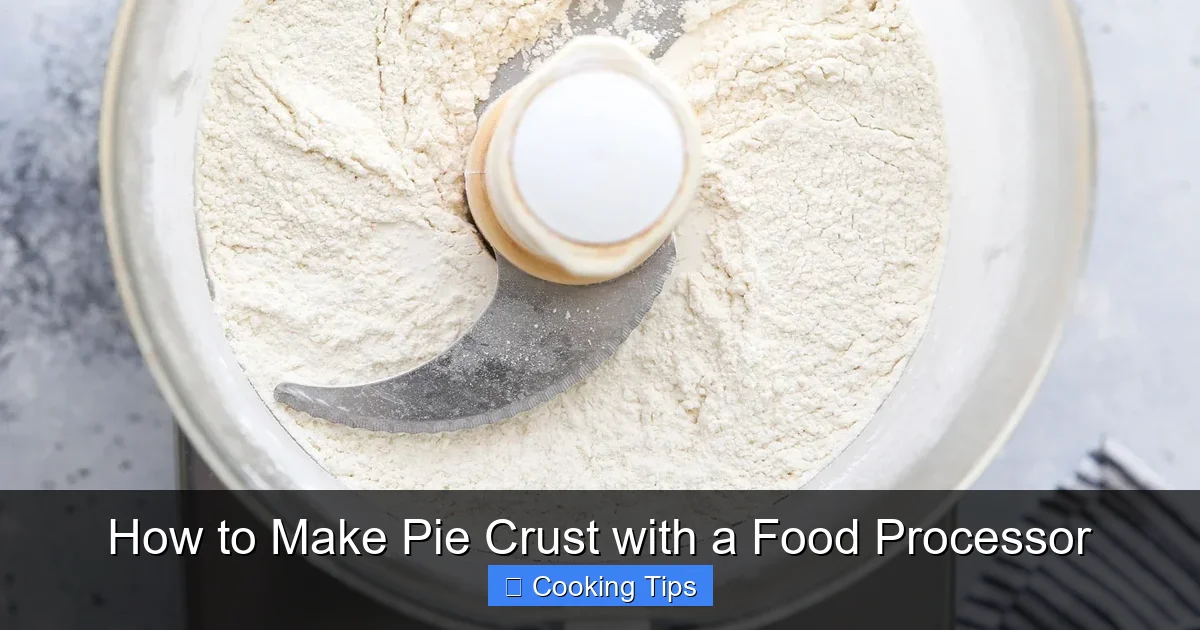
Unlock the secret to effortlessly flaky pie crust with this comprehensive guide to using a food processor. You’ll learn how to achieve the perfect dough texture, from combining ingredients to chilling, ensuring your homemade pies are always a showstopper. Save time and effort while elevating your baking game with this simple yet effective method.
Key Takeaways
- Precise Ingredient Measurement is Crucial: Accurately measuring flour and fat is the foundation for a tender, flaky pie crust.
- Cold Ingredients are Your Best Friend: Using ice-cold butter and water prevents the fat from melting too soon, creating those desirable flaky layers.
- The Food Processor Method is Fast and Efficient: It quickly cuts the butter into the flour, minimizing gluten development for a tender crust.
- Don’t Over-Process the Dough: Pulsing until just combined is key to avoiding a tough crust. Look for a coarse, crumbly texture.
- Chilling is Non-Negotiable: Resting the dough in the refrigerator allows the gluten to relax and the fat to firm up, making it easier to handle and bake.
- Gentle Handling is Essential: Once chilled, handle the dough as little as possible to maintain its tenderness.
Mastering Pie Crust with Your Food Processor: Your Ultimate Guide
Welcome, fellow bakers and pie enthusiasts! Are you tired of wrestling with sticky dough, unevenly cut butter, and crusts that turn out tough instead of tender? In 2026, we have the tools to make baking easier and more delicious than ever. Today, we’re diving into the wonderful world of homemade pie crust, specifically how to make it with the magic of your food processor.
Forget the old-school methods that leave your hands covered in flour and your patience tested. The food processor is a game-changer for pie crust, offering speed, consistency, and incredible flakiness. By the end of this guide, you’ll be confident in creating a perfect pie crust every single time, ready to cradle your favorite sweet or savory fillings. We’ll cover everything from the essential ingredients and equipment to the step-by-step process, plus some handy tips and troubleshooting advice.
Why Use a Food Processor for Pie Crust?
Before we get our hands (or rather, our processors) dirty, let’s talk about why this method is so brilliant. A food processor excels at rapidly cutting cold fat (like butter or shortening) into the flour. This creates small, distinct pieces of fat that, when baked, melt and create steam, puffing up the dough and forming those signature flaky layers we all love. It also minimizes the time the flour is in contact with moisture, which is crucial for a tender, not tough, crust.
Gather Your Ingredients and Equipment
The beauty of a classic pie crust lies in its simplicity. You only need a few basic ingredients, but their quality and temperature are paramount.
Ingredients You’ll Need:
- All-Purpose Flour: About 2 ½ cups. This is the backbone of your crust.
- Salt: 1 teaspoon. It enhances flavor.
- Unsalted Butter: 1 cup (2 sticks), very cold and cut into ½-inch cubes. This is where the magic of flakiness comes from!
- Ice Water: 6 to 8 tablespoons. Using ice water is crucial to keep the butter cold.
Essential Equipment:
- Food Processor: Your star player! Make sure it’s clean and dry.
- Measuring Cups and Spoons: For accuracy.
- Spatula: For scraping down the sides of the bowl.
- Plastic Wrap: For chilling the dough.
- Rolling Pin: For shaping the dough.
- Pie Plate: To hold your delicious creation.
Step-by-Step: Making Your Pie Crust with a Food Processor
Now, let’s get to the fun part! Follow these simple steps for pie crust perfection.
Step 1: Combine Dry Ingredients
First things first, let’s get our dry ingredients ready.
H3: Combine Flour and Salt
- Place the 2 ½ cups of all-purpose flour and 1 teaspoon of salt into the bowl of your food processor.
- Pulse a few times (about 5-10 short pulses) to combine the flour and salt evenly. This ensures your salt is distributed throughout the flour for consistent flavor.
Step 2: Add the Cold Butter
This is where the food processor really shines. We want to cut the butter into the flour to create those flaky layers.
H3: Cut in the Butter
- Add the very cold, cubed unsalted butter to the food processor.
- Now, pulse the mixture. This is a key step, and you need to be attentive. You want to pulse until the butter is cut into the flour, creating a mixture that resembles coarse crumbs with some pea-sized pieces of butter still visible. This usually takes about 10-15 pulses.
- Tip: Avoid over-processing here. You don’t want a fine, sandy texture. Those visible butter pieces are essential for flakiness. If you accidentally over-process, your crust might be tougher.
Step 3: Incorporate the Ice Water
The ice water binds the dough together, but it’s crucial to add it gradually.
H3: Gradually Add Ice Water
- With the food processor running on a low speed, slowly drizzle in the ice water, one tablespoon at a time.
- Continue processing just until the dough begins to come together. You’re looking for a dough that clumps up. It might still look a little shaggy, and that’s perfectly fine.
- Tip: You might not need all the water, or you might need a little more. The exact amount can depend on the humidity and the flour. Stop adding water as soon as the dough starts to form clumps. Overwatering will make your crust tough.
Step 4: Form and Chill the Dough
Once the dough is just coming together, it’s time to give it a rest. This step is vital for a tender and manageable crust.
H3: Gather and Divide the Dough
- Turn the dough out onto a lightly floured surface.
- Gently gather the dough together with your hands or a spatula until it forms a cohesive mass. Don’t knead it like bread! Just bring it together.
- If you’re making a single-crust pie, divide the dough in half. If you’re making a double-crust pie, divide it into two slightly unequal halves (one slightly larger for the bottom crust).
H3: Shape and Wrap for Chilling
- Form each half into a flat disc, about 1 inch thick. This shape makes it easier to roll out later.
- Wrap each disc tightly in plastic wrap.
- Refrigerate the dough for at least 30 minutes, or up to 2 days. Chilling allows the gluten to relax and the butter to firm up, making the dough much easier to roll out and preventing it from shrinking excessively during baking.
Step 5: Rolling and Shaping Your Pie Crust
After chilling, your dough is ready for its final transformation.
H3: Rolling the Dough
- Remove one disc of dough from the refrigerator. Let it sit at room temperature for about 5-10 minutes if it feels too stiff to roll.
- Lightly flour your work surface and your rolling pin.
- Begin rolling from the center of the disc outwards, rotating the dough occasionally to prevent sticking and ensure an even shape. If the dough cracks at the edges, gently press it back together.
- Roll the dough to about a 12-inch circle for a standard 9-inch pie plate.
H3: Transferring to the Pie Plate
- Carefully transfer the rolled-out dough to your pie plate. You can do this by gently folding it in half, then in quarters, placing it in the pie plate, and unfolding, or by rolling it loosely around your rolling pin and unrolling it over the plate.
- Gently press the dough into the bottom and up the sides of the pie plate. Trim any excess dough, leaving about a 1-inch overhang.
- Crimp the edges as desired.
- If you’re making a double-crust pie, repeat the rolling and shaping process with the second disc of dough for the top crust.
Practical Tips for Perfect Pie Crust
* Keep Everything Cold: This cannot be stressed enough! Cold butter, cold water, even a cold food processor bowl can make a difference.
* Don’t Overwork the Dough: The less you handle the dough, the more tender it will be. The food processor helps with this, but don’t go overboard when gathering it.
* Blind Baking: If your recipe calls for blind baking (pre-baking the crust), make sure to prick the bottom of the crust all over with a fork. This prevents puffing. You may also want to line it with parchment paper and fill it with pie weights or dried beans.
* Storage: Unbaked pie crust dough can be stored in the refrigerator for up to 2 days or frozen for up to 3 months. Thaw frozen dough in the refrigerator overnight before using.
Troubleshooting Common Pie Crust Problems
Even with the best intentions, sometimes things don’t go as planned. Here are a few common issues and how to fix them:
* Crust is Tough: This usually means the dough was overmixed, over-watered, or overworked during rolling. In the future, be more gentle and use less water.
* Crust Shrinks Excessively: This often happens when the gluten in the flour isn’t allowed to relax. Ensure you chill the dough thoroughly and try not to stretch it too much when transferring it to the pie plate.
* Crust is Crumbly and Falls Apart: You might not have used enough water, or the butter wasn’t cut in enough, leaving too much large fat. Try adding a tiny bit more ice water, or ensure you have some smaller butter pieces.
* Butter is Visible in Large Puddles: This means your butter was too warm or processed for too long. Next time, make sure your butter is thoroughly chilled and pulse more briefly.
Conclusion: Your Homemade Pie Crust Awaits!
Making pie crust with a food processor is a straightforward and rewarding process that will elevate your baking from good to truly spectacular. By following these steps and paying attention to the details – especially keeping your ingredients cold and not overworking the dough – you’ll consistently achieve a flaky, tender crust that will impress your friends and family. So, grab your food processor, preheat your oven, and get ready to bake the pie of your dreams! Happy baking!
