


Food turns oily after cooking because fats melt, separate, and rise to the surface.
As a chef and kitchen scientist, I’ll explain why food becomes oily after cooking and how to stop it. I draw on years of test cooks, pan trials, and science-backed explanations to give clear, practical steps you can use today. Read on to learn the main causes, how ingredients and methods matter, and easy fixes you can try right away.

Physical and chemical causes of oily food
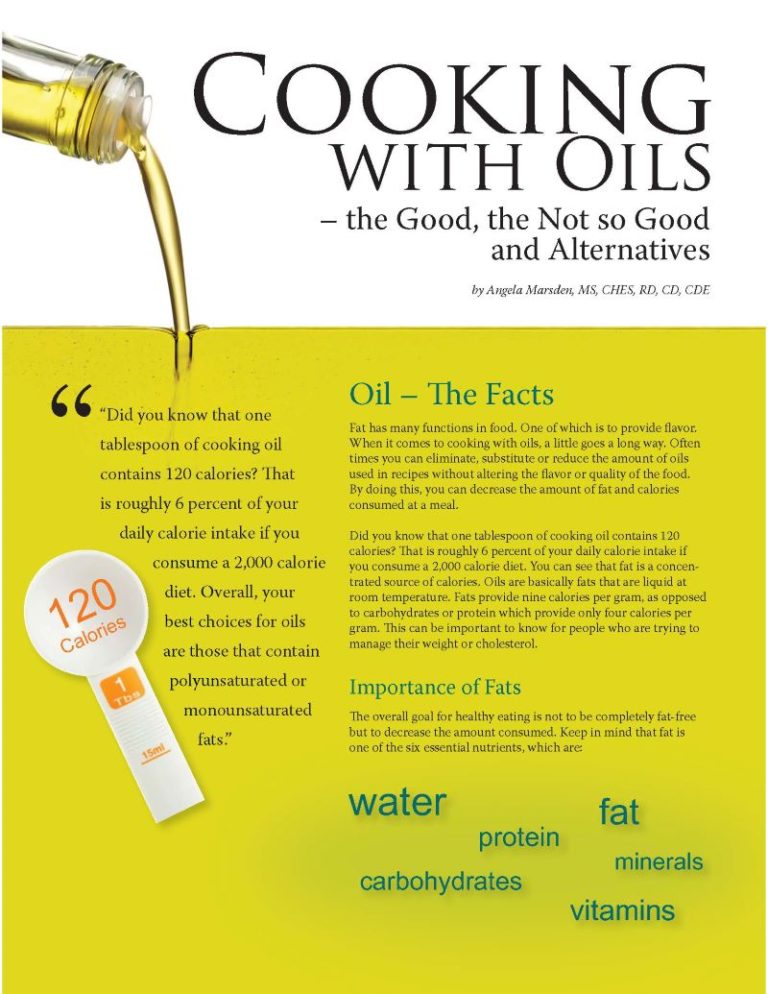
Understanding why food becomes oily after cooking starts with the behavior of fat. When heat is applied, fats in ingredients melt and turn liquid. Liquid fat separates from solids and water and often floats to the surface. Emulsions like sauces can break when heated too fast or when too much fat is present, which makes oil pool or slick.
Proteins also play a role. As protein fibers tighten with heat, they squeeze out water and fat. This expelled fluid mixes and can look oily. Simple chemistry and physics explain most cases of why food becomes oily after cooking.
How ingredients influence oiliness
Different foods release fat differently, and that explains why food becomes oily after cooking in some dishes more than others. Fatty cuts of meat shed a lot of melted fat during roasting or pan-frying. Processed foods and ready-made sauces often contain added oils that separate when heated.
Starches and thickeners matter too. A well-emulsified gravy made with flour or cornstarch traps fat and hides oil. Poorly thickened sauces let oil float free. Even vegetables soak up and then release oil depending on their cell structure and water content.

Cooking methods that make food oily
The way you cook changes how fat behaves and clarifies why food becomes oily after cooking. High-heat frying melts fat and creates oil splatter and surface oil. Slow braises let fat slowly render and collect at the top of the pot. Overcrowding a pan traps steam and stops evaporation, which can leave oil pooled on top of food.
Microwaving can make sauces separate or make meat release sudden bursts of oil. Using the wrong pan or wrong temperature often causes more oil to appear. Small method tweaks often cut oiliness dramatically.
Practical techniques to reduce oiliness
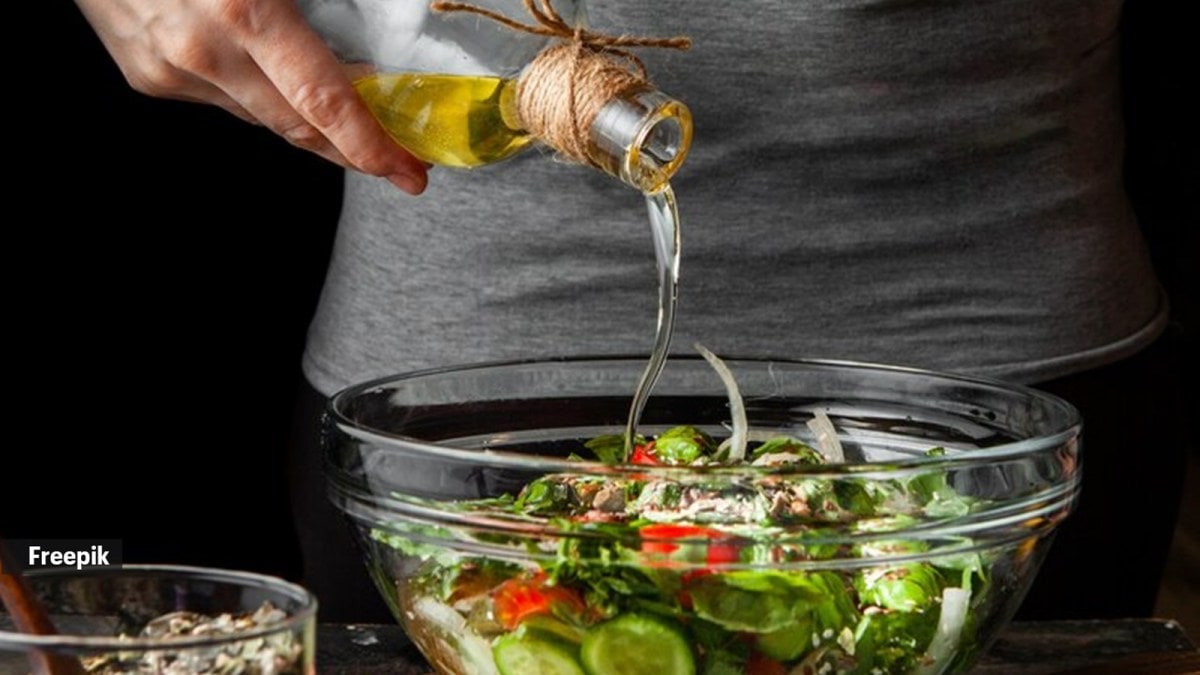
If you want to stop oily results, use practical steps that work in every kitchen. Control temperature by using medium heat for rendering and high heat only for quick sears. Drain and rest meats on paper towels or a rack to let excess fat escape. Skim fat from stews and soups as they cool to remove the top oil layer.
Use emulsifiers like mustard, egg yolk, or a small amount of liquid to bind fat into sauce. Add thickeners such as flour or cornstarch to trap oil and create a smoother texture. Choose leaner cuts, trim visible fat, or cook on a rack to lower how much fat ends up in the finished dish. These approaches explain how to prevent why food becomes oily after cooking.
:max_bytes(150000):strip_icc()/__opt__aboutcom__coeus__resources__content_migration__serious_eats__seriouseats.com__images__2015__03__20150320-cooking-olive-oil-vicky-wasik-3-3666952dafbb4a7ebacbe27d17f469bc.jpg)
Personal experiments and kitchen lessons
I’ve run simple tests to see why food becomes oily after cooking. In one test, I roasted a fatty pork shoulder and compared results when I trimmed 30 percent of the fat versus leaving it intact. The trimmed roast produced a leaner pan and less surface oil. That taught me trimming works.
I also learned that rapid temperature shifts break emulsions. One time I added cold cream to a hot tomato sauce and the sauce separated. Re-emulsifying with a whisk and a splash of hot liquid fixed it. These small trials made my advice practical and reliable.
Troubleshooting common scenarios
Here are quick fixes for dishes that turn oily during cooking.
- Pan-fried meats with oil on the surface
- Rest on a rack, blot excess oil, or finish in an oven to render more fat.
- Soups and stews with a slick top
- Chill and skim the solidified fat, or use a fat separator ladle.
- Sauces that break and ooze oil
- Re-emulsify with an immersion blender, add a spoon of mustard or egg yolk, or slowly whisk in warm water.
- Stir-fries that look greasy
- Use less oil, cook in smaller batches, and toss at high heat for a short time.
- Baked goods with oily crumb
- Reduce added fat slightly and avoid overmixing, which can release fat and liquid.
Why emulsions fail and how to save them
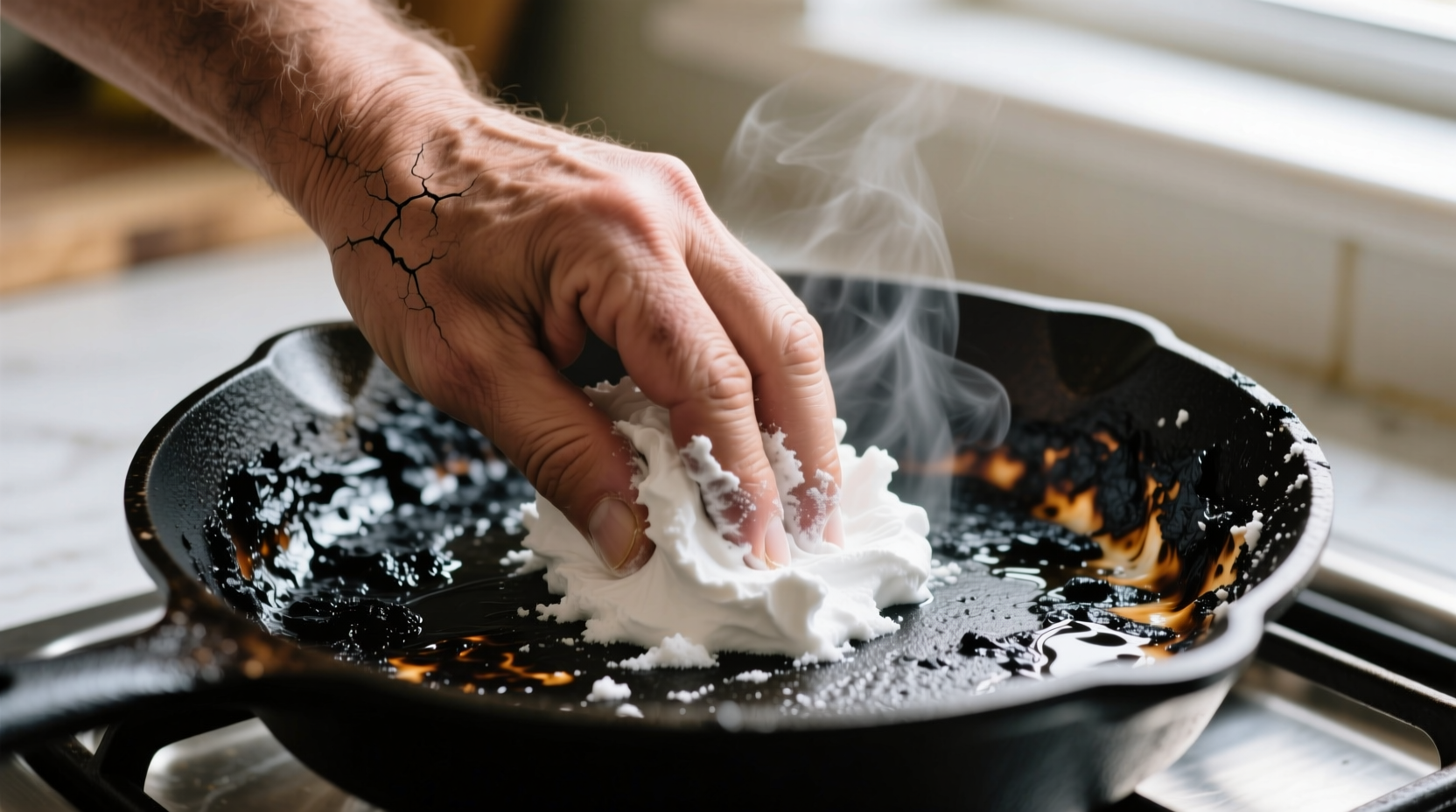
Emulsions fail for predictable reasons, which explains why food becomes oily after cooking in mayonnaise-like dishes. Too much fat, not enough emulsifier, or a sudden temperature change causes separation. Adding fat too quickly overwhelms the binder and oil collects.
To save a broken emulsion, start a fresh base with one egg yolk or a spoon of mustard and slowly whisk in the broken sauce a drop at a time. This rebuilds the emulsion and prevents oil from floating free. Small technique choices like this make a big visual and textural difference.

Long-term habits to avoid oily results
Good habits reduce oil long term and answer why food becomes oily after cooking before it happens. Trim fat from meats before cooking. Use a thermometer to cook at steady, correct temps. Measure oil rather than free-pouring into a pan. Learn which tools help: racks, fat separators, slotted spoons, and paper towels are simple but effective.
Meal planning helps too. Pick lean proteins or add acidic elements like vinegar or lemon to cut perceived oiliness. With practice, you’ll instinctively choose methods that lower unwanted oil.
Frequently Asked Questions about why food becomes oily after cooking
Why does my fried chicken look oily after I drain it?
Fried chicken looks oily when excess frying oil clings to the crust. Drain on a wire rack and blot gently with paper towels to remove surface oil while keeping crispness.
Can overcooking cause a dish to become oily?
Yes. Overcooking can break down tissues and release more fat and moisture, which can combine and look oily. Cook to the recommended internal temperature to limit excess fat release.
Does the type of oil affect how oily the dish becomes?
The type of oil changes flavor and smoke point, but oil quantity and cooking method affect oiliness more. Oils with low smoke points can break down and feel greasier if heated too high.
How do I fix a sauce that has separated and is oily?
To fix a separated sauce, set aside a small base like a spoon of mustard or egg yolk and whisk the sauce in slowly. An immersion blender also helps to re-emulsify and bind the oil back in.
Is it safe to eat oily food if I remove the surface oil?
Yes. Removing surface oil reduces fat content and often improves texture. However, the dish still contains dissolved fats and calories, so moderation is wise.
Why do vegetables sometimes release oil while cooking?
Vegetables release water and can absorb then release oil depending on heat and cell structure. Cooking at moderate heat and avoiding excess oil helps keep them less oily.
Conclusion
Fat melts, separates, and collects when heat, ingredients, and method allow it to do so — that is why food becomes oily after cooking. You can stop or reduce oiliness by trimming fat, controlling temperature, using emulsifiers, and draining or skimming after cooking. Try one simple change on your next meal, like resting meat on a rack or whisking sauces slowly, and notice the difference. If this helped, leave a comment with your experience, subscribe for more kitchen tips, or try the small tests I described to see what works best for you.
