

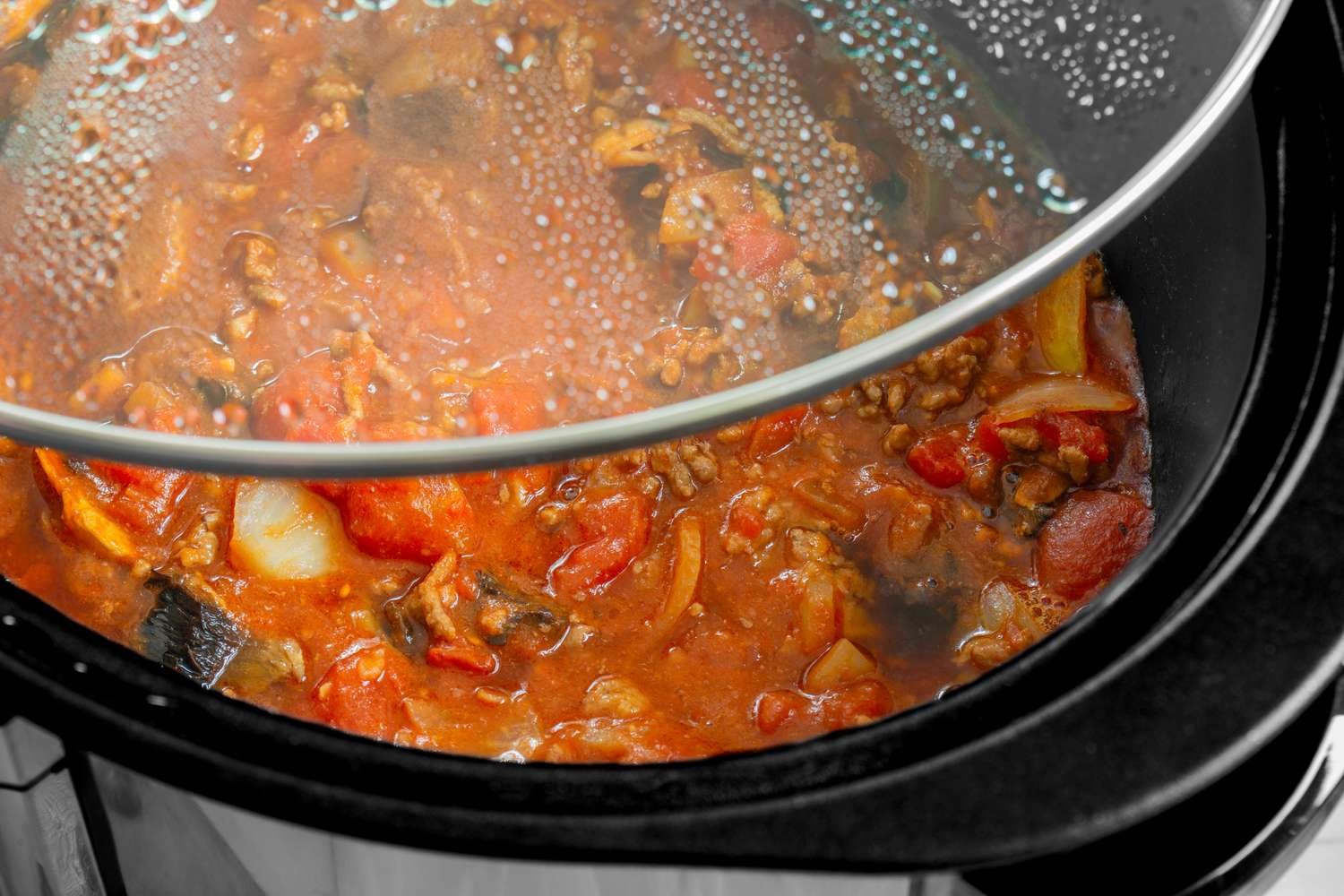
Most mistakes while cooking daily meals come from poor planning and rushed techniques.
I’ve cooked for families, worked in small kitchens, and tested simple recipes for years. I know the common pitfalls and how small fixes improve taste, time, and health. This guide explains mistakes while cooking daily meals, why they matter, and easy steps you can use tonight.

Common cooking mistakes in daily meals
Here are the errors I see most often when people cook for work nights and family dinners. Each mistake is simple to fix.
- Not planning meals
- You skip a plan and buy random items. This leads to wasted food and stress. Mistakes while cooking daily meals often start with no plan.
- Rushing recipes
- You skip steps or cut cooking times. Rushed food tastes bland or stays undercooked.
- Skipping seasoning until the end
- Salt and acid build flavor as food cooks. Waiting until the final moment makes food taste flat.
- Overcrowding the pan
- Too much food lowers the pan’s heat. Food steams instead of browns.
- Using dull knives
- Dull knives slow prep and can cause accidents. Sharp knives make cooking faster and safer.
- Ignoring temperature control
- Heat that is too high or too low changes texture and doneness. Many mistakes while cooking daily meals are about poor heat control.
- Misreading recipes
- Quick scans miss key steps or timings. Small misreads cause big problems.
- Poor ingredient substitutions
- Swapping ingredients without thought can alter texture and flavor drastically.
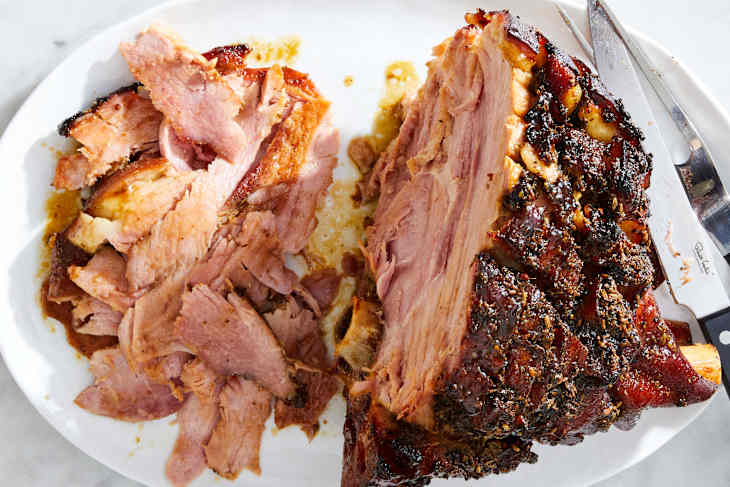
Why these mistakes matter
Understanding why mistakes while cooking daily meals matter helps you change habits.
- Flavor loss
- Mistakes lower flavor and make food taste boring. Small fixes restore depth.
- Wasted money
- Buying wrong items or tossing burnt food costs you. Less waste saves cash.
- Time lost
- Reruns and retries eat evenings. Better planning frees time.
- Health risks
- Undercooked food or poor hygiene can cause illness. Food safety is essential.
Practical fixes and simple habits to avoid mistakes while cooking daily meals
Use these clear steps tonight. They are easy to follow and save stress.
- Plan a simple menu
- Pick two or three dishes for the week. Write a shopping list and stick to it.
- Prep ingredients before cooking
- Chop, measure, and set out spices. Cooking flows when everything is ready.
- Taste as you go
- Adjust salt and acid in small steps. Tasting prevents bland food.
- Use timers and thermometers
- Timers stop overcooking. A meat thermometer ensures safe doneness.
- Learn basic seasoning
- Salt, pepper, lemon, and vinegar lift most dishes. Start small and build.
- Clean as you cook
- A tidy kitchen reduces mistakes and stress. Wash utensils during downtime.
- Read the recipe fully first
- Know the steps, timing, and tools. This prevents surprises.

Time-saving meal prep strategies to prevent mistakes while cooking daily meals
Small prep rituals cut mistakes and speed up nights.
- Batch-cook staples
- Make rice, beans, or roasted veggies ahead. Use them across meals.
- Use one-pot or sheet-pan methods
– Fewer steps and pans means fewer chances for error. - Prep components, not full meals
- Chop vegetables and marinate proteins ahead. Finish quickly at dinner time.
- Double recipes wisely
- Cook once, eat twice. Freeze half for a no-stress night.
- Keep a short recipe list
- Use a rotation of 6–8 go-to meals. Familiarity reduces errors.

Essential tools and ingredient habits that reduce mistakes while cooking daily meals
Right tools and smart buying make a big difference.
- Invest in sharp knives and stable cutting board
- Knife work is faster and safer with good blades.
- Use a reliable skillet and baking sheet
- Even heat cuts the chance of hot spots and uneven cooking.
- Store ingredients properly
- Keep spices sealed and veggies crisp. Fresh ingredients lower mistakes.
- Keep common pantry staples stocked
- Salt, olive oil, garlic, lemon, canned tomatoes, and broth rescue many meals.
- Use clear labeling and dates
- Mark leftovers and prepped items. This stops confusion and waste.

Food safety and hygiene mistakes to avoid
Safety means fewer health risks and less food waste.
- Cross-contamination
- Use separate boards for raw meat and produce. Wash hands often.
- Improper storage
- Cool cooked food quickly and refrigerate. Don’t leave perishable items at room temp.
- Wrong thawing methods
- Thaw in the fridge or under cold water. Never thaw on the counter.
- Incorrect cooking temperatures
- Use a thermometer for meat and poultry. Ensure safe internal temps.
- Poor hand hygiene
- Wash hands after handling raw items, garbage, or pets.

Personal experiences and lessons learned
I started cooking quick meals for a busy home. I burned a tray of roasted veggies by crowding the pan. That night taught me to spread food out and watch heat. Another time I under-salted a stew and blamed the recipe. After tasting and adjusting during cooking, the dish came alive.
Here are lessons from those nights:
- Taste early and often
- Tasting stops dull food and prevents wasted time.
- Small steps beat big fixes
- Adjust seasoning slowly and test. It saves retries.
- Build a habit, not a perfect plan
- Do simple prep nightly. Habits reduce stress and mistakes.
- Keep favorites on hand
- A few go-to recipes cut decision fatigue.
Frequently Asked Questions of mistakes while cooking daily meals
Why do I always overcook vegetables?
Overcrowding pans or using too-high heat often causes overcooking. Cook in batches and watch color and texture to avoid this mistake.
How can I stop wasting ingredients?
Plan meals and buy only what you need, then store items properly. Batch cooking and clear labels greatly reduce waste.
Is seasoning early really important?
Yes. Seasoning during cooking builds layers of flavor that tasting at the end cannot replace. Start with a little and adjust as the dish cooks.
What is the easiest way to avoid undercooked meat?
Use a reliable meat thermometer to check internal temperatures. It removes guesswork and prevents undercooking.
How can I save time without sacrificing quality?
Prep components ahead and use one-pot methods on busy nights. A short rotation of simple recipes keeps quality high and stress low.
Can swapping ingredients ruin a recipe?
Yes, some swaps change texture or moisture content significantly. Understand the role of each ingredient before substituting to avoid issues.
Conclusion
Avoiding mistakes while cooking daily meals comes down to simple habits: plan, prep, taste, and learn your tools. Small changes save time, improve flavor, and protect health. Start with one habit this week—prep one ingredient in advance or use a thermometer—and build from there. Try a tip tonight, share your results, and subscribe or comment to join the conversation.
