

Choosing the right wood for your cutting board is crucial for durability, hygiene, and knife longevity. This guide explores the top wood types, their pros and cons, and what to look for. Learn how to select the best wood that balances functionality with a beautiful kitchen aesthetic, ensuring your cutting board is a joy to use for years to come.
What Is the Best Wood for a Cutting Board
Welcome to the ultimate guide on selecting the best wood for your cutting board! In the heart of any kitchen, a reliable cutting board is an indispensable tool. But with so many options available, how do you know which wood will serve you best? This guide will walk you through everything you need to know, from wood properties to construction styles, helping you make an informed decision for a cutting board that’s both functional and beautiful, especially in 2026.
Key Takeaways
- Hardwoods are superior: Dense hardwoods like maple, walnut, and cherry offer excellent durability and are gentler on knife edges compared to softwoods.
- Grain matters: Edge grain and end grain construction significantly impact a cutting board’s performance, with end grain being the most knife-friendly and durable.
- Hygiene is key: Naturally antimicrobial woods and proper maintenance are essential for a safe cutting surface.
- Aesthetics are personal: Different woods offer unique colors and grain patterns, allowing you to choose a board that complements your kitchen style.
- Avoid certain woods: Porous woods like oak and ash, as well as treated woods, are generally not suitable for cutting boards due to hygiene and safety concerns.
Why Wood Is the Best Choice for Cutting Boards
Before diving into specific wood types, let’s understand why wood reigns supreme in the cutting board world. While plastic and other materials have their place, wood offers a unique combination of benefits that are hard to beat.
Durability and Longevity
High-quality hardwoods are incredibly durable. They can withstand the rigors of daily chopping, slicing, and dicing without showing excessive wear. A well-maintained wooden cutting board can last for decades, making it a sustainable and economical choice.
Knife Friendliness
One of the most significant advantages of wooden cutting boards is their gentleness on your knives. The wood fibers have a slight give, which helps to maintain the sharpness of your knife blades. This contrasts with materials like glass or hard plastic, which can quickly dull your knives.
Natural Antimicrobial Properties
Many hardwoods possess natural antimicrobial properties. While no cutting board is entirely self-sanitizing, certain woods can inhibit the growth of bacteria, contributing to a more hygienic cooking environment. Proper cleaning and maintenance are still paramount, of course.
Aesthetic Appeal
Let’s not forget beauty! Wooden cutting boards add warmth and a touch of rustic elegance to any kitchen. They are often considered decorative pieces as much as they are tools.
What to Look for in Cutting Board Wood
Not all woods are created equal when it comes to cutting boards. Several factors determine a wood’s suitability.
Hardness and Density
The best woods for cutting boards are hardwoods that are dense enough to resist deep knife marks but not so hard that they will damage your knives. The Janka hardness scale is a good indicator, but more importantly, you want a wood that offers a balance.
Porosity
Porous woods, like open-grained hardwoods such as red oak or ash, can trap food particles and bacteria, making them difficult to clean and potentially unhygienic. Closed-grain woods are generally preferred.
Grain Type
The way the wood is cut and assembled into a cutting board also plays a significant role. We’ll explore this further in the “Construction Styles” section.
Safety and Food-Friendliness
It’s vital to choose woods that are non-toxic and have not been treated with harmful chemicals. All the woods recommended below are food-safe.
The Best Woods for Cutting Boards
Now, let’s get to the stars of the show – the types of wood that consistently rank as the best for cutting boards.
1. Maple (Hard Maple/Sugar Maple)
Maple is arguably the most popular choice for cutting boards, and for good reason. It’s a classic for a reason!
Visual guide about What Is the Best Wood for a Cutting Board
Image source: static.thedaringkitchen.com
Visual guide about What Is the Best Wood for a Cutting Board
Image source: m.media-amazon.com
* Pros: Hard, dense, and has a fine, closed grain. It’s incredibly durable, gentle on knives, and possesses natural antimicrobial qualities. Its light color makes it versatile and it doesn’t impart flavors or odors to food.
* Cons: Can be prone to staining if not properly sealed and maintained.
* Best For: All-purpose chopping, everyday use, and those who appreciate a clean, bright aesthetic.
2. Walnut (Black Walnut)
Walnut is a beautiful and highly functional choice, offering a rich, sophisticated look.
* Pros: Moderately hard with a slightly softer feel than maple, making it excellent for knife edges. It has a beautiful, deep brown color and a pleasing grain pattern. It’s also quite durable and naturally resistant to bacteria.
* Cons: Can be more expensive than maple. The darker color might show some scratches more readily than lighter woods.
* Best For: Those who desire a luxurious look and a superb user experience. Great for general prep work.
3. Cherry
Cherry wood offers a warm, inviting hue and ages beautifully over time.
* Pros: Moderately hard and dense with a fine, closed grain. It’s durable, gentle on knives, and has a lovely reddish-brown color that deepens with age. It doesn’t absorb flavors or odors.
* Cons: Slightly softer than maple, meaning it might show very fine scratches a bit more over time, but this is often considered patina.
* Best For: A blend of beauty and function. Ideal for serving boards as well as chopping.
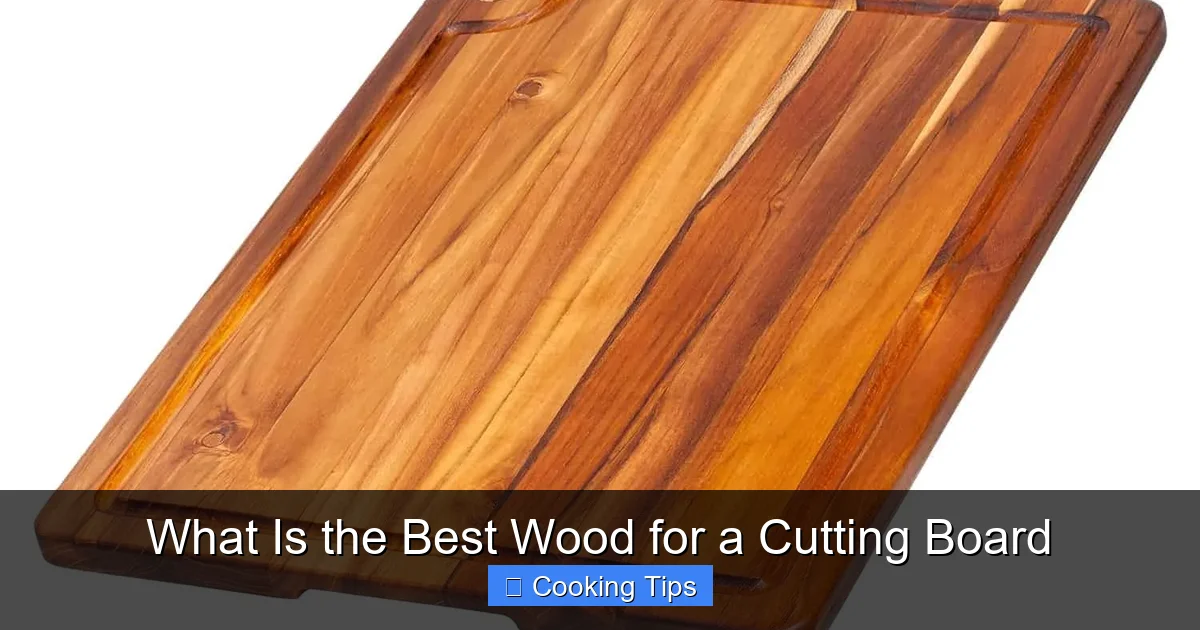
4. Teak
Teak is renowned for its natural oils, which make it incredibly resistant to moisture and bacteria.
* Pros: Naturally water-resistant and durable due to its high oil content. It’s hard enough to resist knife marks but still relatively kind to blades. Its rich, golden-brown color is also very attractive.
* Cons: Can be more expensive than maple or cherry. Some individuals may have sensitivities to teak oil, though it is generally food-safe.
* Best For: Kitchens prone to high humidity or for those who want a very low-maintenance, water-resistant board.
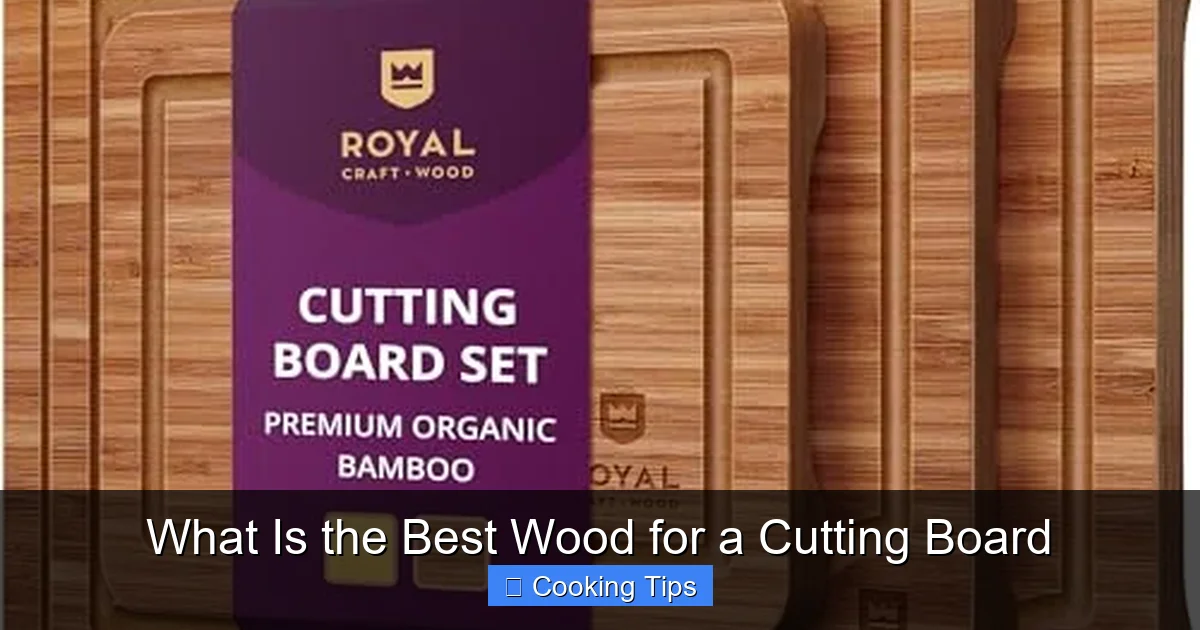
5. Bamboo
While technically a grass, bamboo is often used like wood and is a popular eco-friendly option.
* Pros: Bamboo is a rapidly renewable resource, making it an environmentally conscious choice. It’s very hard and durable, and it’s naturally resistant to moisture and bacteria. It is also lightweight.
* Cons: Its extreme hardness can be quite tough on knife edges, leading to faster dulling compared to maple or walnut. It’s also prone to cracking if not properly cared for, especially with drastic temperature changes.
* Best For: Eco-conscious consumers looking for a durable and affordable option, provided they are mindful of knife sharpening.
Woods to Avoid for Cutting Boards
Certain woods are best left off your cutting board list.
1. Softwoods (Pine, Fir, Spruce)
Softwoods are simply too soft for a cutting board.
Visual guide about What Is the Best Wood for a Cutting Board
Image source: contentgrid.homedepot-static.com
* Why Avoid: They will quickly become deeply scored by knives. These deep cuts create havens for bacteria, making them unhygienic and short-lived.
2. Open-Grained Hardwoods (Red Oak, Ash)
While hardwoods, their structure is their downfall.
* Why Avoid: Their large pores trap food particles and moisture, making them difficult to clean thoroughly and prone to harboring bacteria.
3. Engineered Woods or Particle Board
These materials lack the integrity needed.
* Why Avoid: They are not designed for the stresses of chopping and will likely delaminate or break down quickly. They can also contain adhesives that are not food-safe.
Construction Styles: Edge Grain vs. End Grain
Beyond the type of wood, how the board is constructed is crucial. The two main styles are edge grain and end grain.
Edge Grain Cutting Boards
These are the most common type of wooden cutting board you’ll find.
* How it’s made: Long strips of wood are glued together along their edges to form the surface.
* Pros: More affordable, very durable, and stable. The fibers run parallel to the cutting surface.
* Cons: Can be slightly harder on knife edges compared to end grain. Scratches are more visible as they cut across the grain.
* Best For: General cooking tasks, everyday use, and budget-conscious buyers.
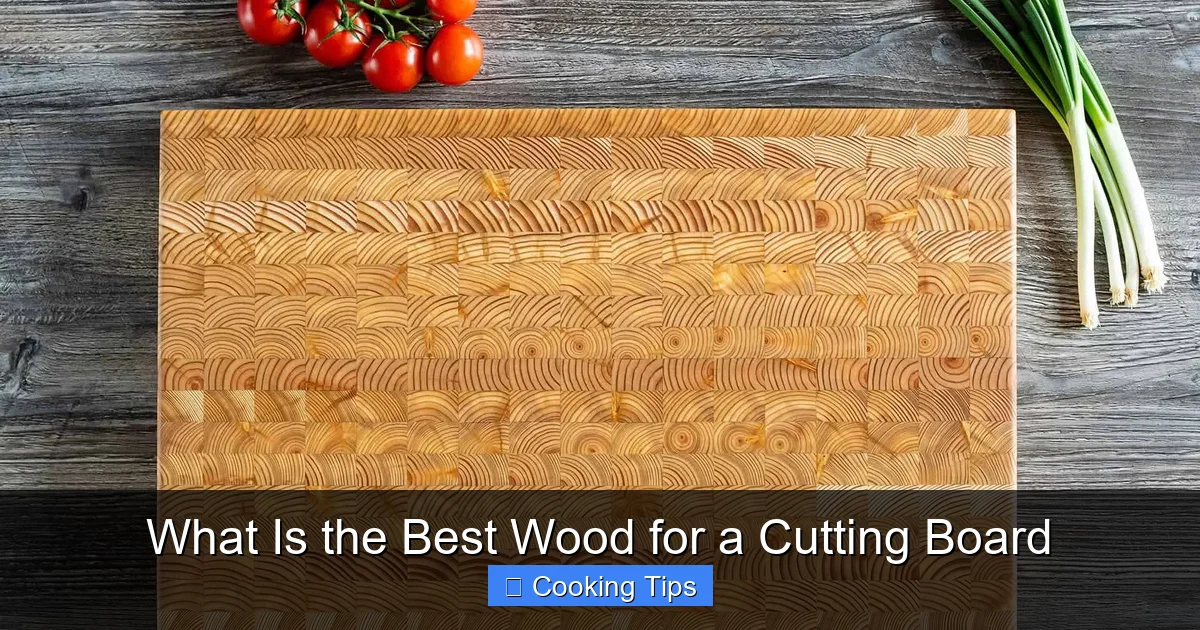
End Grain Cutting Boards
These are considered the premium choice for serious cooks.
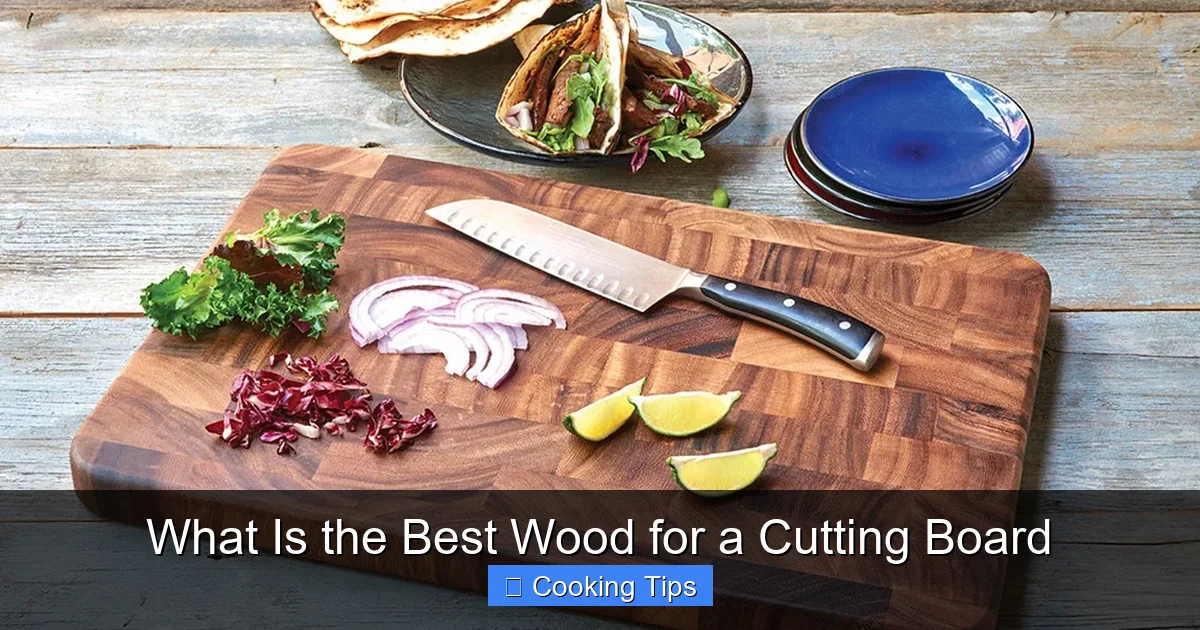
* How it’s made: Short pieces of wood are cut so the wood grain faces upwards, creating a checkerboard pattern. These pieces are then glued together.
* Pros: Exceptionally gentle on knife edges. When a knife blade hits the end grain, it pushes between the wood fibers, which then close back up. This self-healing property also makes them more durable and less prone to showing knife marks.
* Cons: Significantly more expensive due to the complex construction. Can be more susceptible to warping if not properly maintained.
* Best For: Professional chefs, serious home cooks, and anyone who wants the ultimate in knife care and longevity.
Caring for Your Wooden Cutting Board
Regardless of the wood you choose, proper care is essential for its longevity and hygiene.
Cleaning Your Board
* Immediate Cleanup: Wash your cutting board with hot, soapy water immediately after each use.
* Scrape and Rinse: Use a bench scraper or stiff brush to remove food bits, then rinse thoroughly.
* Dry Thoroughly: Never let your cutting board soak in water. Always dry it completely with a clean towel and allow it to air dry upright.
Sanitizing Your Board
* Vinegar or Lemon Juice: For light sanitizing, you can use white vinegar or lemon juice. Apply, let sit for a few minutes, then rinse and dry.
* Hydrogen Peroxide (Carefully): For deeper sanitizing, especially after handling raw meat, you can use a 3% hydrogen peroxide solution. Apply, let it bubble for a few minutes, then rinse and dry. Avoid prolonged contact.
Oiling and Conditioning
This is the secret to a long-lasting, beautiful board.
* Frequency: Oil your board at least once a month, or more often if it looks dry or is used frequently.
* What to Use: Use food-grade mineral oil. Avoid vegetable oils like olive oil, as they can become rancid. Walnut oil is also a good option if you don’t have nut allergies.
* How to Apply: Apply a generous amount of oil to the entire surface of the board. Let it soak in for several hours or overnight, then wipe off any excess. You can also use a cutting board conditioner, which is typically a blend of mineral oil and beeswax.
Storing Your Board
Proper storage prevents warping and moisture issues.
* Upright Storage: Store your board on its edge, allowing air to circulate around it. Avoid laying it flat, especially on damp surfaces.
Troubleshooting Common Cutting Board Issues
Even with the best wood and care, you might encounter minor issues.
My Board Looks Dry and Dull
This is a clear sign it needs oiling.
* Solution: Apply a generous coat of food-grade mineral oil and let it soak in overnight. Repeat if necessary until the wood looks replenished.
There Are Minor Scratches on the Surface
This is normal wear and tear.
* Solution: For edge grain boards, light sanding with fine-grit sandpaper (220 grit or higher) can help reduce the visibility of scratches. Follow up with oiling. For end grain boards, the self-healing properties should minimize this, but light sanding can also be effective.
My Board Smells Like Food
While wood is somewhat absorbent, strong odors can be managed.
* Solution: Try scrubbing with a paste of baking soda and water, then rinse and dry thoroughly. Ensure you are sanitizing your board regularly. For persistent odors, consider dedicated cutting board cleaners.
Conclusion
Choosing the best wood for your cutting board is a decision that impacts your cooking experience, the longevity of your knives, and the hygiene of your kitchen. For 2026 and beyond, hardwoods like maple, walnut, and cherry remain top contenders due to their perfect balance of hardness, density, and knife-friendliness. End grain construction offers the ultimate in knife care and durability, while edge grain provides a robust and cost-effective alternative.
By understanding the properties of different woods and committing to proper care, your wooden cutting board will become a cherished and indispensable tool in your kitchen for years to come. Happy chopping!
