

Choosing the right cutting board material is crucial for your kitchen. This guide explores the best options available in 2026, weighing the pros and cons of wood, plastic, bamboo, and more. Learn about durability, hygiene, knife care, and maintenance to make an informed decision that fits your cooking style and budget. Invest in a cutting board that enhances your culinary experience and lasts for years.
What Is the Best Material for a Cutting Board?
As home cooks continue to refine their culinary skills in 2026, the humble cutting board is no longer an afterthought. It’s a vital kitchen tool that impacts everything from knife longevity to food safety. But with so many options on the market – wood, plastic, bamboo, composite, and even stone – how do you know which is the best material for a cutting board? This comprehensive guide will break down the pros and cons of each, helping you make an informed decision that perfectly suits your cooking needs and lifestyle. We’ll dive deep into what makes each material unique, how they perform in the kitchen, and how to care for them.
Key Takeaways
- Wood (Hardwood) is a top contender: Offers excellent knife-edge preservation and a natural aesthetic, but requires more maintenance and is porous.
- Plastic cutting boards offer superior hygiene: They are non-porous, dishwasher-safe, and resistant to bacteria, making them a practical choice for many kitchens.
- Bamboo is a sustainable and durable option: It’s harder than many woods, naturally antimicrobial, and eco-friendly, though it can be harder on knife edges.
- Composite cutting boards combine strengths: These materials mimic wood’s look and feel while offering the durability and hygiene of plastic.
- Consider your primary use: Different materials excel for different tasks, from chopping vegetables to carving meat.
- Maintenance is key for longevity: Regardless of material, proper cleaning and care will extend the life of your cutting board.
Understanding the Cutting Board Criteria
Before we explore specific materials, let’s establish what makes a cutting board “good.” We’re looking for a material that balances several key factors:
Knife-Friendliness
This refers to how gentle the board is on your knife’s edge. A board that’s too hard can dull your knives quickly, requiring more frequent sharpening.
Hygiene and Safety
A good cutting board should resist harboring bacteria and be easy to clean and sanitize, especially when dealing with raw meats. Porosity is a major factor here.
Durability and Longevity
You want a cutting board that can withstand daily use without significant damage, such as deep knife marks or warping.
Maintenance Requirements
Some materials need more attention than others, like oiling or special cleaning methods. Consider how much time you’re willing to dedicate to upkeep.
Aesthetics and Kitchen Style
While not always the most practical factor, the look of your cutting board can contribute to your kitchen’s overall appeal.
Cost
Cutting boards range from budget-friendly to investment pieces. Your budget will naturally influence your choices.
The Contenders: A Deep Dive into Cutting Board Materials
Now, let’s examine the most popular cutting board materials available in 2026.
Wood Cutting Boards
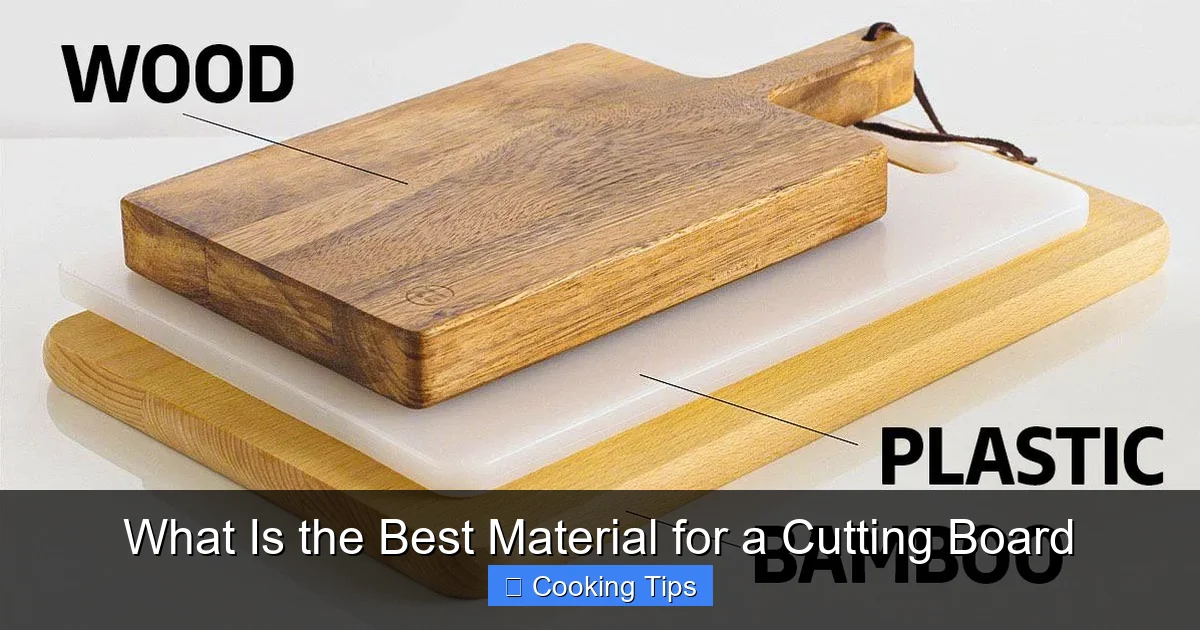
Wood has been a kitchen staple for centuries, and for good reason. Its natural warmth and beauty are undeniable. However, not all wood is created equal when it comes to cutting boards.
Hardwood: The Champion of Wood
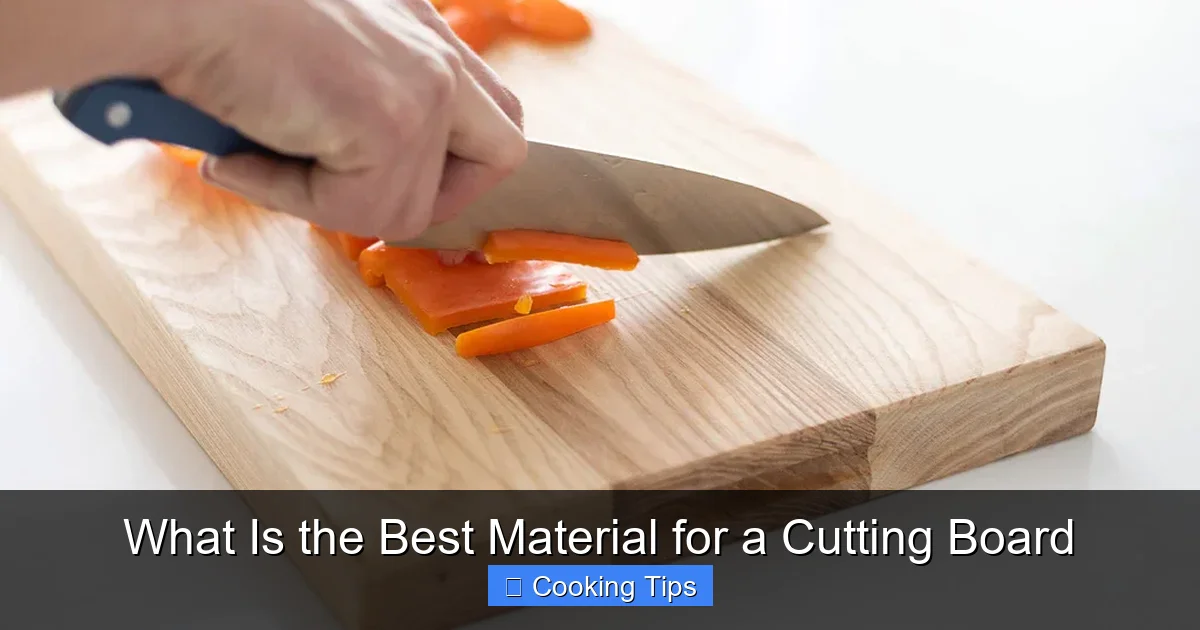
When we talk about wood cutting boards, we’re usually referring to hardwoods like maple, walnut, cherry, and teak. These woods are dense and tight-grained, making them excellent choices.
Pros of Hardwood Cutting Boards
- Knife Edge Preservation: Hardwoods offer a good balance of hardness and give, meaning they are relatively gentle on your knife’s edge.
- Natural Antibacterial Properties: Many hardwoods, particularly maple and teak, possess natural antibacterial qualities that help inhibit bacterial growth.
- Aesthetic Appeal: They add a touch of elegance and warmth to any kitchen countertop.
- Durability: With proper care, a good hardwood cutting board can last for decades.
Cons of Hardwood Cutting Boards
- Porosity and Staining: Wood is porous and can absorb liquids, leading to staining and potential odor transfer.
- Requires Maintenance: Wood boards need regular oiling (with food-grade mineral oil or a specialized board cream) to prevent drying, cracking, and warping.
- Not Dishwasher Safe: The harsh conditions of a dishwasher can ruin a wood board, causing it to warp, crack, or split.
- Can Harbor Bacteria if not Cared For: While naturally antibacterial, deep knife marks can create crevices for bacteria if not properly cleaned and maintained.
Wood Construction Types: Edge Grain vs. End Grain
Within hardwood cutting boards, you’ll find two primary construction methods:
Edge Grain
This is the most common and often the most affordable type of wood cutting board. Strips of wood are glued together along their edges.
- Pros: More affordable, generally thinner and lighter.
- Cons: Shows knife marks more readily over time compared to end grain.
End Grain
These boards are made by gluing together blocks of wood so that the wood fibers are facing upwards. This construction resembles a chessboard.
- Pros: Exceptionally kind to knife edges as the knife edge slides between the wood fibers. Self-healing properties; minor knife marks tend to close up on their own.
- Cons: More expensive, typically thicker and heavier, requires consistent maintenance to prevent drying.
Plastic Cutting Boards
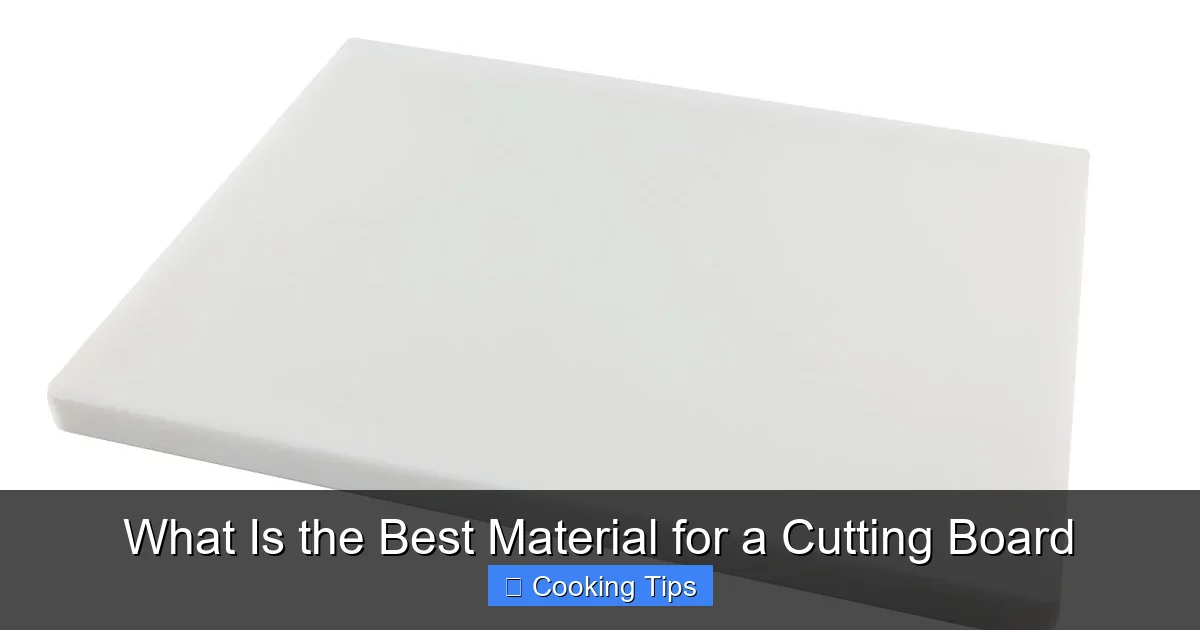
Plastic cutting boards, usually made from polyethylene or polypropylene, have become incredibly popular for their practicality and ease of use.
Pros of Plastic Cutting Boards
- Excellent Hygiene: They are non-porous, meaning they don’t absorb liquids and are less likely to harbor bacteria.
- Dishwasher Safe: Most plastic boards can be safely cleaned in the dishwasher, making sanitization a breeze.
- Affordable: Plastic cutting boards are generally very budget-friendly.
- Lightweight and Easy to Handle: This makes them convenient for everyday use.
Cons of Plastic Cutting Boards
- Can Damage Knives: Some plastics are quite hard and can dull your knife edges more quickly than wood.
- Deep Grooves and Scratches: They are prone to developing deep knife marks and scratches, which can trap bacteria if not replaced regularly.
- Less Aesthetically Pleasing: They lack the natural beauty and warmth of wood.
- Environmental Concerns: The production and disposal of plastic can have environmental impacts.
Bamboo Cutting Boards
Bamboo has gained significant traction as a sustainable and attractive alternative in the kitchen. It’s technically a grass, not a wood, but it shares many of wood’s desirable qualities.
Pros of Bamboo Cutting Boards
- Sustainable and Eco-Friendly: Bamboo grows rapidly and is a renewable resource.
- Naturally Antimicrobial: Bamboo has natural antimicrobial properties that help resist bacteria.
- Durable and Hard: It’s a very hard material, making it resistant to deep knife marks.
- Water-Resistant: Bamboo is naturally somewhat water-resistant, though it still requires care.
Cons of Bamboo Cutting Boards
- Can be Hard on Knives: Its hardness means it can dull knife edges faster than softer hardwoods.
- Can Warp or Crack: While water-resistant, prolonged exposure to moisture or extreme temperature changes can cause warping or cracking.
- Requires Oiling: Like wood, bamboo benefits from regular oiling to maintain its condition and prevent drying.
- Potential for Splintering: Over time, some bamboo boards can develop small splinters.
Composite Cutting Boards
Composite cutting boards are a newer innovation, often made from a blend of wood fibers and resins or plastics. They aim to combine the best features of different materials.
Pros of Composite Cutting Boards
- Durable and Low Maintenance: They are typically very resistant to stains, odors, and moisture.
- Dishwasher Safe: Many composite boards are dishwasher safe, offering easy cleaning.
- Good Knife Edge Retention: Some are designed to be less abrasive on knives than pure plastic.
- Aesthetic Options: They can mimic the look of wood without the extensive maintenance.
Cons of Composite Cutting Boards
- Can be Expensive: High-quality composite boards can be a significant investment.
- Material Variability: The exact composition varies, so performance can differ between brands.
- Not as Natural as Wood: Some users prefer the feel and natural properties of pure wood.
Other Materials to Consider
While the above are the most common, you might also encounter:
Glass Cutting Boards
- Pros: Extremely hygienic, easy to clean, and non-porous.
- Cons: Extremely hard on knives (will dull them very quickly), noisy, and can shatter. Generally not recommended for everyday use.
Marble or Stone Cutting Boards
- Pros: Beautiful, heavy, and good for pastry work due to their cool surface.
- Cons: Very heavy, can chip or break, porous and can stain, and very hard on knives.
Making Your Choice: What’s Best for You?
The “best” cutting board material ultimately depends on your priorities.
For the Home Chef Who Values Knife Care and Aesthetics:
A **hardwood cutting board**, particularly an end-grain maple or walnut, is likely your best bet. Be prepared for the commitment of regular oiling and gentle hand washing.
For the Busy Cook Prioritizing Hygiene and Ease of Cleaning:
A **plastic cutting board** is an excellent, practical choice. Have multiple boards to avoid cross-contamination between raw meats and vegetables, and replace them when they show significant wear.
For the Eco-Conscious Cook Seeking Durability and Sustainability:
A **bamboo cutting board** offers a great balance. Remember to oil it regularly and be mindful of its hardness on your knives.
For Those Wanting the Best of Both Worlds (Durability and Style):
A **high-quality composite cutting board** can be a fantastic option, offering many of the benefits of wood with the ease of maintenance associated with plastic.
Caring for Your Cutting Board
No matter which material you choose, proper care is essential for its longevity and hygiene.
General Cleaning Steps
- Immediate Cleaning: Clean your cutting board as soon as possible after use.
- Washing: Wash with hot, soapy water. For wood and bamboo, avoid soaking.
- Sanitizing: For plastic and wood, you can use a diluted bleach solution (1 tablespoon bleach per gallon of water) or a vinegar spray. Rinse thoroughly.
- Drying: Always dry your cutting board completely after washing. Stand wooden boards on their edge to allow air circulation on all sides.
Material-Specific Care
Wood and Bamboo
- Oiling: Apply a food-grade mineral oil or a specialized cutting board conditioner every 1-3 months, or whenever the board looks dry. Apply liberally, let it soak in for a few hours or overnight, then wipe off excess.
- Avoid Soaking: Never submerge wooden or bamboo boards in water.
- No Dishwasher: Always hand wash.
Plastic
- Dishwasher: Most can go in the dishwasher.
- Replace When Damaged: Discard plastic boards that have deep grooves or significant scoring, as these can harbor bacteria.
Troubleshooting Common Cutting Board Issues
My wooden board is drying out and cracking.
This is a clear sign it needs more oil. Apply a generous coat of food-grade mineral oil or cutting board conditioner. Make this a regular part of your maintenance routine.
Visual guide about What Is the Best Material for a Cutting Board
Image source: cookit.guru
Visual guide about What Is the Best Material for a Cutting Board
Image source: images-na.ssl-images-amazon.com
Visual guide about What Is the Best Material for a Cutting Board
Image source: cdn.shopify.com
My plastic board smells like garlic after washing.
Plastic can sometimes retain odors. Try a paste of baking soda and water to scrub the board, or use a diluted bleach or vinegar solution for sanitizing.
My bamboo board has small splinters.
This can happen with age. Gently sand down the affected area with fine-grit sandpaper. Then, re-oil the board thoroughly.
Conclusion
Choosing the best material for your cutting board in 2026 is a decision that blends practicality, hygiene, and personal preference. Whether you opt for the timeless appeal of hardwood, the effortless hygiene of plastic, the sustainable charm of bamboo, or the innovative blend of composite materials, understanding the unique properties and care requirements of each will ensure you make the right choice. A well-chosen and well-maintained cutting board is an investment that will serve you faithfully in your culinary adventures for years to come. Happy chopping!
