

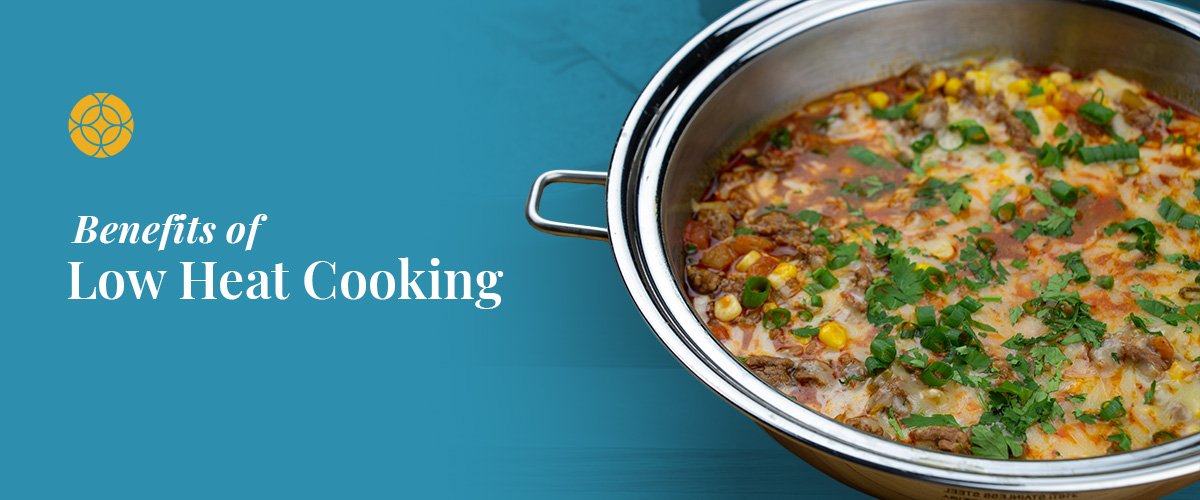
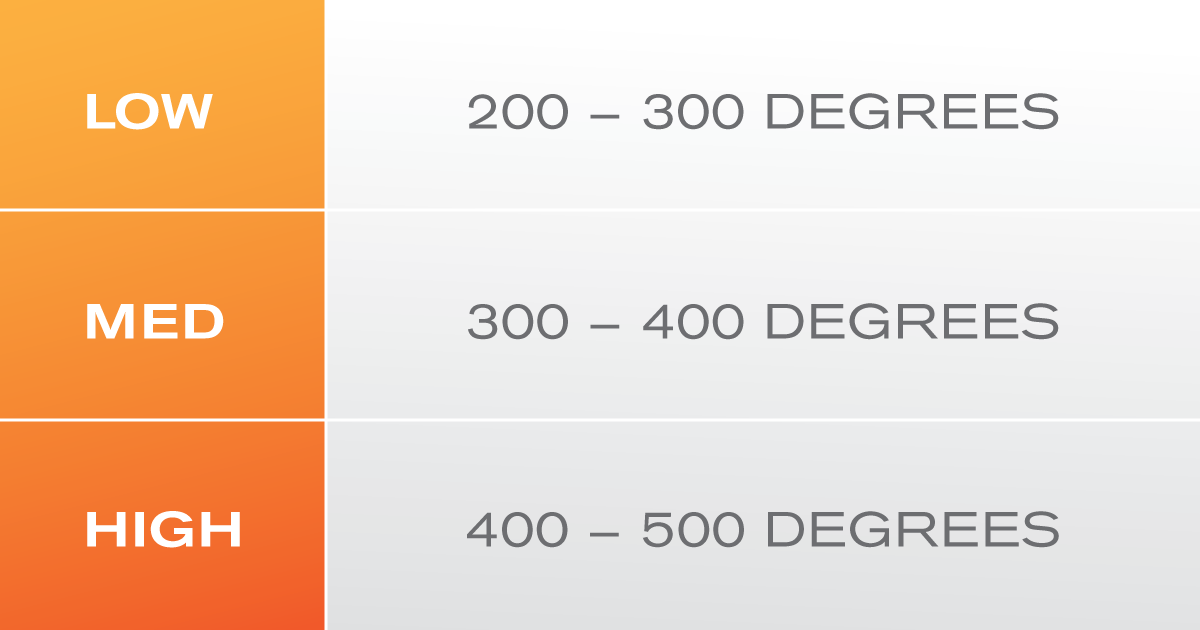
Low heat cooking generally means temperatures between 200°F and 300°F (93°C–149°C).
As a chef and home cook with years of hands-on experience, I will walk you through exactly what temperature is low heat cooking, why it matters, and how to use it safely and effectively. This guide blends practical tips, simple science, and tested recipes so you can control texture, flavor, and moisture with confidence when you choose low heat cooking.
Understanding what temperature is low heat cooking
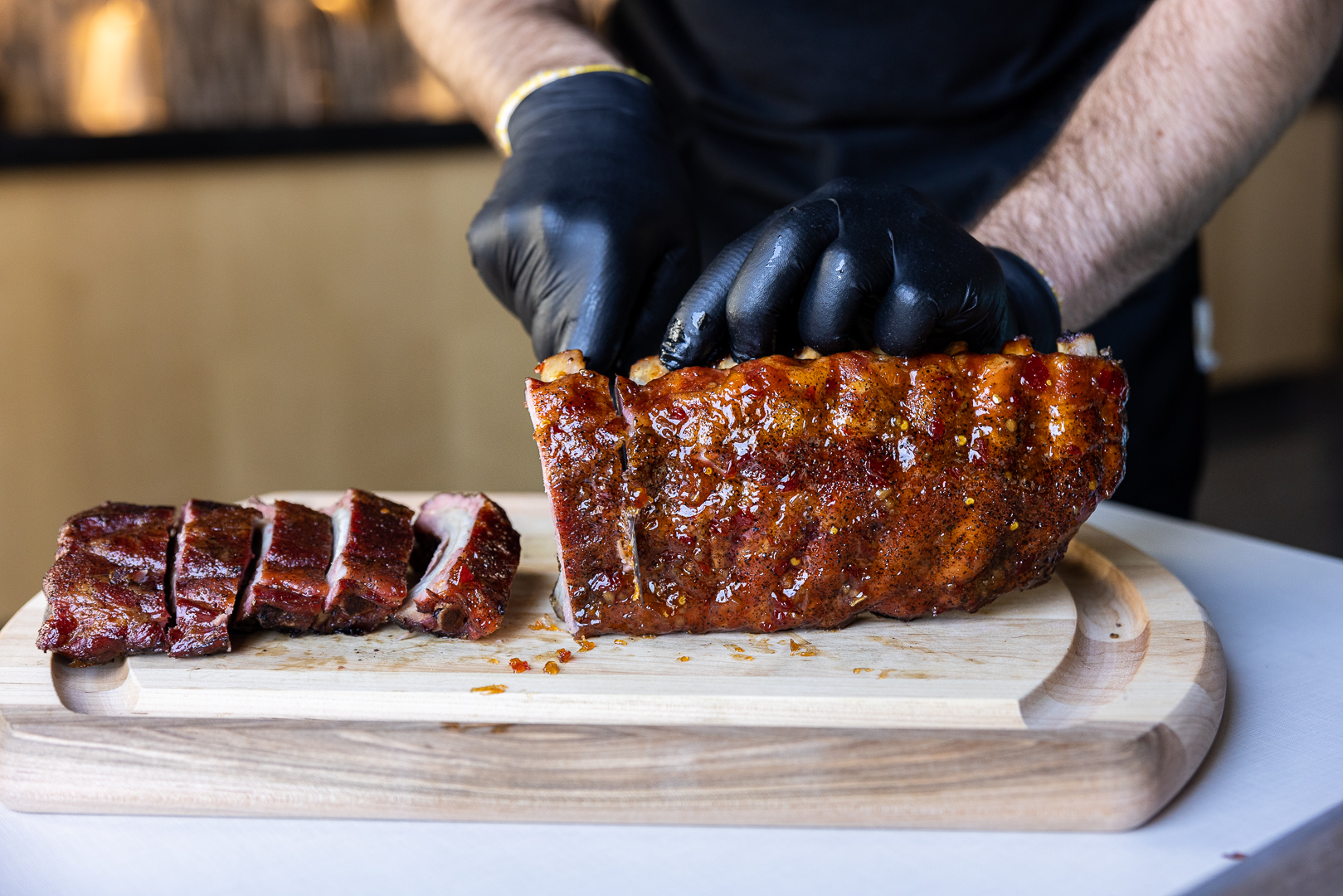
Low heat cooking refers to gently applying heat below the usual high-temperature range. It uses steady, moderate warmth to break down connective tissue and soften ingredients without burning them. Many cooks use low heat for slow roasts, braises, custards, and delicate sauces.
what temperature is low heat cooking matters because it affects texture, flavor, and food safety. At the right temperature, proteins relax, collagen converts to gelatin, and sugars caramelize slowly to develop richer taste. Too low and food may stay tough; too high and you lose moisture or risk burning.
what temperature is low heat cooking is not a single number. Instead, it’s a range that shifts by method and ingredient. Understanding that range helps you make better choices in the kitchen.
Common temperature ranges: oven, stovetop, and slow cooker
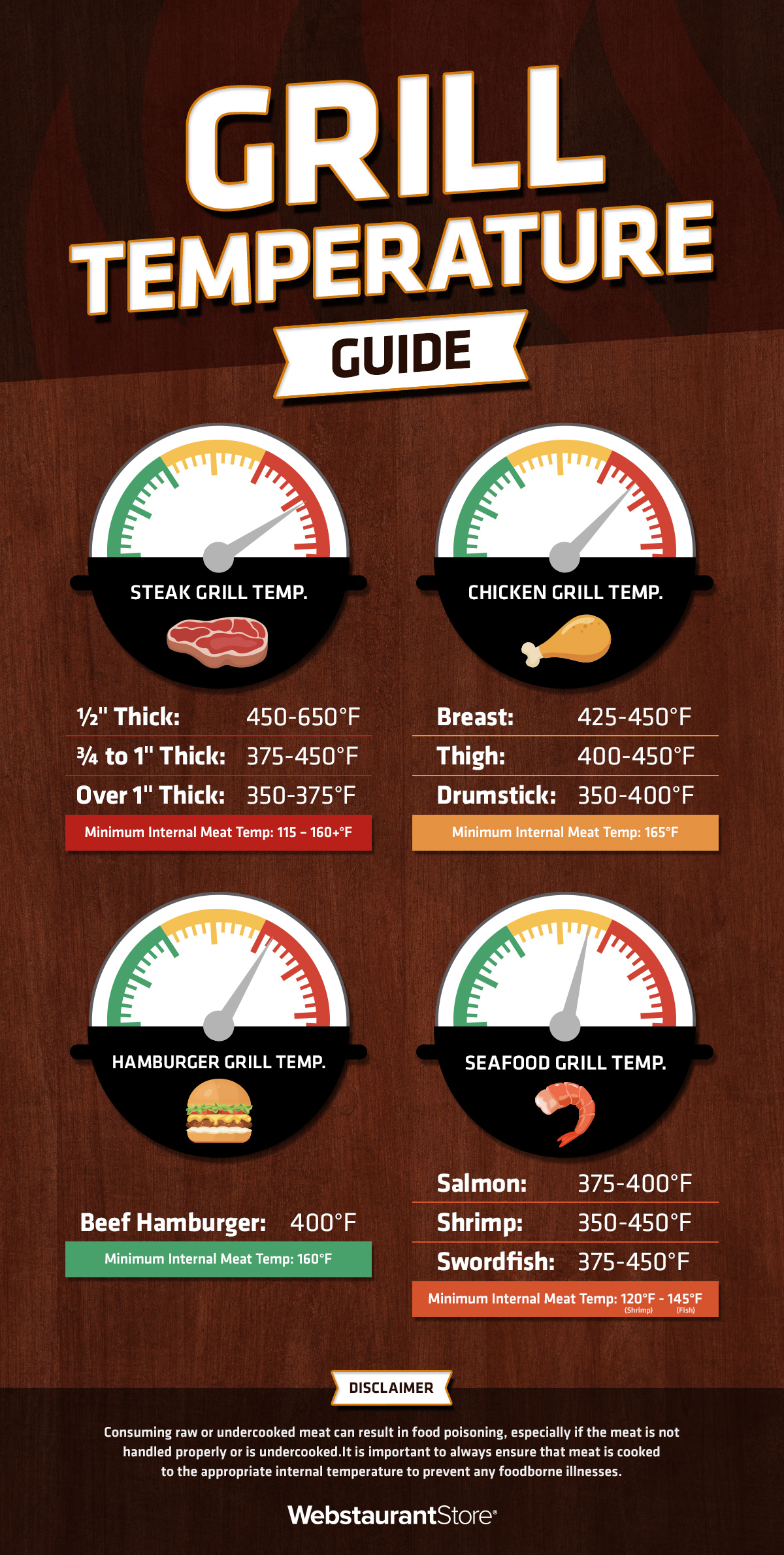
Different tools use low heat differently. Below are common ranges to guide you.
- Oven low heat
- 200°F to 300°F (93°C to 149°C) for slow roasting and drying.
- Stovetop low heat
- Low on a dial usually sits around 200°F to 250°F (93°C to 121°C) at the pan surface.
- Slow cooker low setting
- Often holds 190°F to 200°F (88°C to 93°C), ideal for long braises and stews.
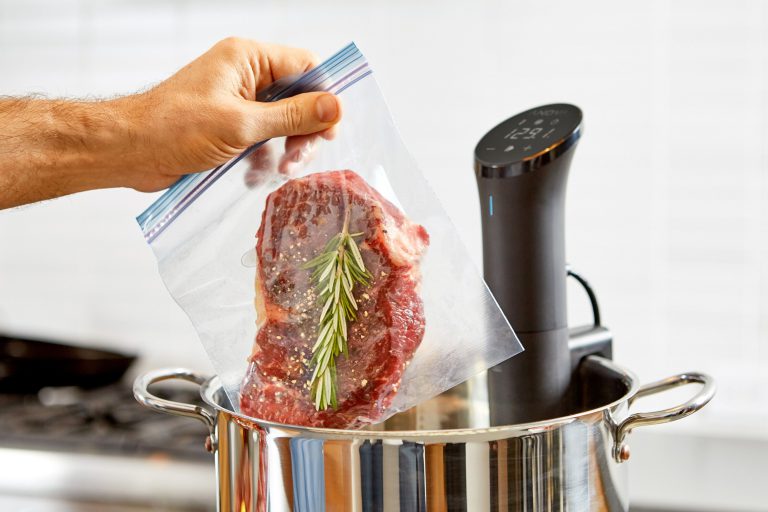
- Sous vide and low-precision tools
- Precise sous vide temps often range from 120°F to 160°F (49°C to 71°C) for proteins.
To answer what temperature is low heat cooking: oven and stovetop low heat mostly live between 200°F and 300°F, while gentle methods like sous vide or slow-simmering may use lower, precise temps.
How low heat cooking works: the science in simple terms
Low heat triggers slow changes in food chemistry. Here are the basics.
- Protein transformation
- Proteins unwind and firm at moderate temps. Slow heat helps them relax evenly.
- Collagen to gelatin
- Tough cuts with collagen soften when held at low heat for long times. This yields tender meat.
- Moisture retention
- Lower temps reduce moisture loss, making food juicy rather than dry.
- Flavor development
- Slow caramelization and Maillard reactions at moderate temps build deeper flavors over time.
Knowing what temperature is low heat cooking means knowing how long to hold food at a given temp. Time and steady temperature do most of the work.

Low heat cooking methods and when to use them
Choose a method based on the ingredient and desired result. Here are practical options.
- Slow roasting
- Use when you want even doneness and a tender interior on large cuts.
- Braising
- Best for tough meats; combine liquid and low heat for hours.
- Simmering
- Use gentle simmer for soups, beans, and delicate custards.
- Sous vide
- Provides pinpoint control for proteins and vegetables.
- Low-and-slow smoking
- For smoky flavor and tender texture in barbecue.
Each technique answers what temperature is low heat cooking in its own way. Match method to food for best outcomes.
Foods best suited for low heat cooking
Low heat works well with many ingredients. Use it for these categories.
- Tough cuts of meat
- Short ribs, brisket, shoulder become silky with prolonged low heat.
- Poultry
- Whole chickens roast evenly and stay moist at lower temps.
- Fish and shellfish
- Gentle heat keeps texture delicate; sous vide shines here.
- Eggs and dairy
- Custards, crème brûlée, and hollandaise need steady low heat.
- Beans and legumes
- Slow simmering gives uniform texture and easy digestion.
- Vegetables
- Root vegetables and winter squash soften and sweeten under low heat.
Consider what temperature is low heat cooking relative to the ingredient. Tough items need longer time; delicate ones need precise control.
Equipment and thermometer tips
Good tools make low heat cooking consistent. Here’s what I recommend.
- Use an oven thermometer
- Ovens vary. A thermometer ensures you hit the correct low temp.
- Invest in a probe or instant-read thermometer
- Check internal temps for meats to avoid undercooking.
- Try a slow cooker or sous vide
- These devices hold steady low temps for hours with little monitoring.
- Choose heavy pans and Dutch ovens
- They distribute low heat evenly and reduce hot spots.
Knowing what temperature is low heat cooking means verifying it with a thermometer, not guesswork. I often found ovens set to 250°F running 20°F off—so check early.
:max_bytes(150000):strip_icc()/medium-high-heat-GettyImages-1794295531-5de9e86b2d294661b643512f2f6621c5.jpg)
Safety, timing, and food-holding guidelines
Low heat can be safe if managed properly. Keep this in mind.
- Food safety temps
- Poultry should reach 165°F (74°C). Ground meats must hit safe internal temps too.
- Hot-holding
- Keep held foods above 140°F (60°C) to prevent bacterial growth.
- Time control
- Long cooks require attention to liquid levels and lid use to prevent drying.
- Chill and store promptly
- If you cool leftovers, do so quickly to limit time in the danger zone.
When someone asks what temperature is low heat cooking, remind them safety comes first. Time plus temp equals safe food.

Practical tips, common mistakes, and personal lessons
I learned a lot from early mistakes. Here are tips I use every day.
- Don’t rush tough cuts
- Low temperature and time break down collagen. Rushing makes them tough.
- Layer flavors early
- Season and add aromatic liquids at the start. Flavors need time to meld.
- Check, don’t prod
- Lifting lids wastes heat. Use a thermometer instead of guesswork.
- Account for carryover
- Meat continues to cook after removal. Remove a few degrees shy of target.
- Use controlled experiments
- Test one variable at a time—temperature or time—to learn what works.
I once roasted a pork shoulder at too low a temp for a short time and ended with rubbery meat. That taught me that knowing what temperature is low heat cooking and matching time is crucial.

Sample low heat settings and simple recipes
Here are quick starting points you can try at home.
- Slow-roasted chicken
- Set oven to 275°F, roast until internal temp 160°F, rest to 165°F.
- Braised short ribs
- Sear, then braise at 300°F for 3 to 4 hours until fork-tender.
- Custard (bain-marie)
- Bake at 300°F until just set, about 30–40 minutes.
- Sous vide salmon
- 125°F for 30–45 minutes for tender, flaky fish.
Use these as templates while you explore what temperature is low heat cooking for specific dishes. Adjust time for size and thickness.
Troubleshooting quick guide
If your low-heat dish has issues, try these fixes.
- Food too tough
- Extend the cook time at the same low temperature.
- Too dry
- Add a splash of stock or cover with foil for part of the cook.
- Uneven cooking
- Use a heavy pan or shift dish position to reduce hot spots.
- Flavor weak
- Finish with acid or fresh herbs to brighten tastes at the end.
These steps come from both testing and kitchen hours. They help salvage many low-heat cooks.
Frequently Asked Questions of what temperature is low heat cooking
What exactly is considered low heat for an oven?
Low heat for an oven generally ranges from 200°F to 300°F (93°C to 149°C). This range fits slow roasting, braising, and gentle baking.
Is simmering the same as low heat cooking?
Simmering is a form of low heat cooking on the stovetop where liquid bubbles gently, usually around 185°F to 205°F (85°C to 96°C). It’s ideal for soups, stews, and braises.
Can I slow-cook meat at 200°F safely?
Yes. Slow-cooking at 200°F is safe if the meat reaches the required internal temperature and you follow hot-holding guidelines. Use a thermometer to confirm doneness.
How does sous vide fit into low heat cooking?
Sous vide uses precise low temperatures, often lower than traditional low-heat ranges, with long times to achieve uniform doneness. It offers exact control for delicate items.
Will low heat always make meat tender?
Low heat usually helps tenderize collagen-rich cuts, but it must be held long enough. Lean meats can dry out if cooked too long at low temperature.
Conclusion
Low heat cooking gives you control over texture, moisture, and flavor by relying on steady, moderate temperatures. Mastering what temperature is low heat cooking—typically between 200°F and 300°F for many methods—lets you turn tough cuts into silky dishes, keep proteins tender, and create reliable results. Start small: try a slow roast or braise, use a thermometer, and take notes on time and temp. You’ll learn fast and gain confidence.
Try one low-heat recipe this week, share your results, and subscribe or comment to join the conversation and learn more tips.
