

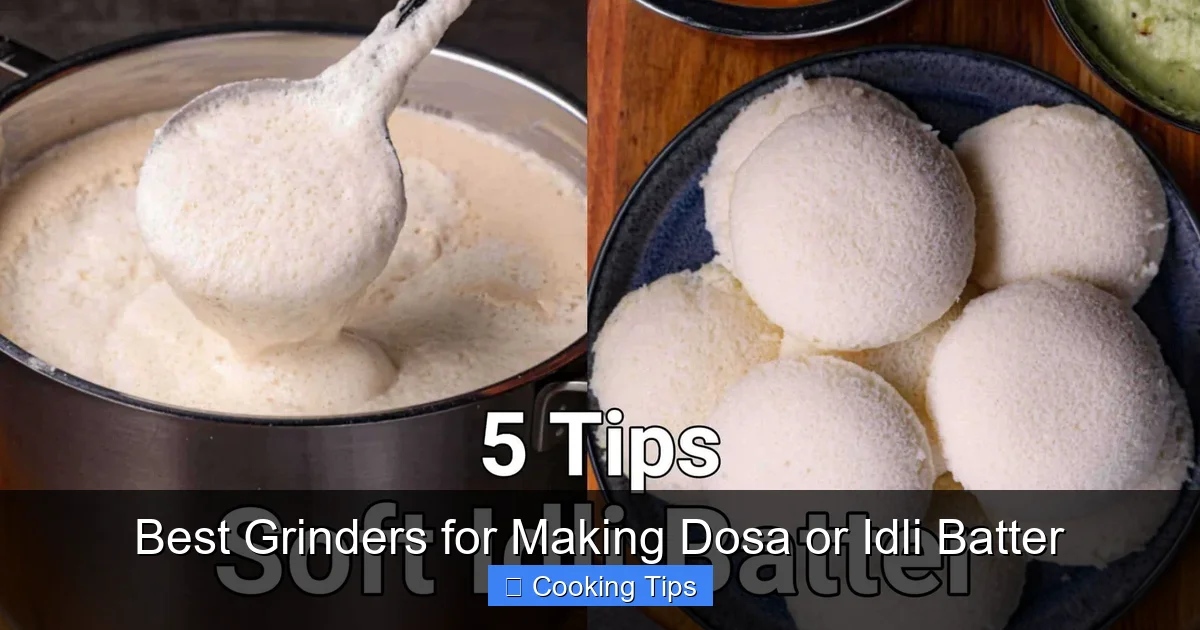
Master the art of making authentic dosa and idli batter with our 2026 guide to the best grinders. We explore different types of grinders, from traditional wet grinders to modern blenders, and offer expert tips to achieve that perfect, fluffy texture. Get ready to elevate your South Indian culinary creations with the right equipment and techniques.
Best Grinders for Making Dosa or Idli Batter
Making delicious, authentic dosas and fluffy idlis starts with one crucial element: the batter. While some might think it’s all about the rice and lentils, the tool you use to grind them plays an equally important role. In 2026, we have more options than ever, but how do you choose the *best* grinder for your South Indian culinary adventures? This comprehensive guide will walk you through everything you need to know, from understanding what makes perfect batter to selecting the ideal grinder for your needs, and even how to troubleshoot common issues.
Key Takeaways
- Understanding Batter Consistency: The ideal dosa and idli batter is smooth, airy, and has a slightly thick, yet pourable consistency. The right grinder is crucial for achieving this.
- Wet Grinders: The Gold Standard: For authentic results, tilting drum wet grinders are highly recommended due to their ability to grind lentils and rice to a fine, fluffy texture while maintaining aeration.
- Alternatives to Wet Grinders: High-powered blenders can be a viable option, especially those with dedicated “atta” or “batter” functions, but may require more attention to avoid overheating.
- Key Grinder Features to Consider: Look for durability, motor power, capacity, ease of cleaning, and noise levels when choosing your grinder.
- Grinding Process Matters: Proper soaking of ingredients, the right ratio of ingredients, and gradual addition during grinding are essential for optimal batter.
- Maintenance for Longevity: Regular cleaning and proper storage will ensure your chosen grinder lasts for years, consistently producing excellent batter.
- Troubleshooting Common Issues: Learn how to fix overly thick or thin batter, gritty texture, or batter that doesn’t ferment properly.
What Makes Perfect Dosa and Idli Batter?
Before we dive into grinders, let’s quickly define what we’re aiming for. Dosa and idli batter is a fermented mixture of rice and urad dal (black gram lentils). The magic lies in its texture: it should be smooth, airy, and slightly fluffy, not dense or watery. This airy quality is what allows idlis to steam up beautifully and dosas to spread thinly and crisp up. The grinding process is key to developing this texture, as it breaks down the grains and lentils while incorporating air.
Understanding Your Grinder Options
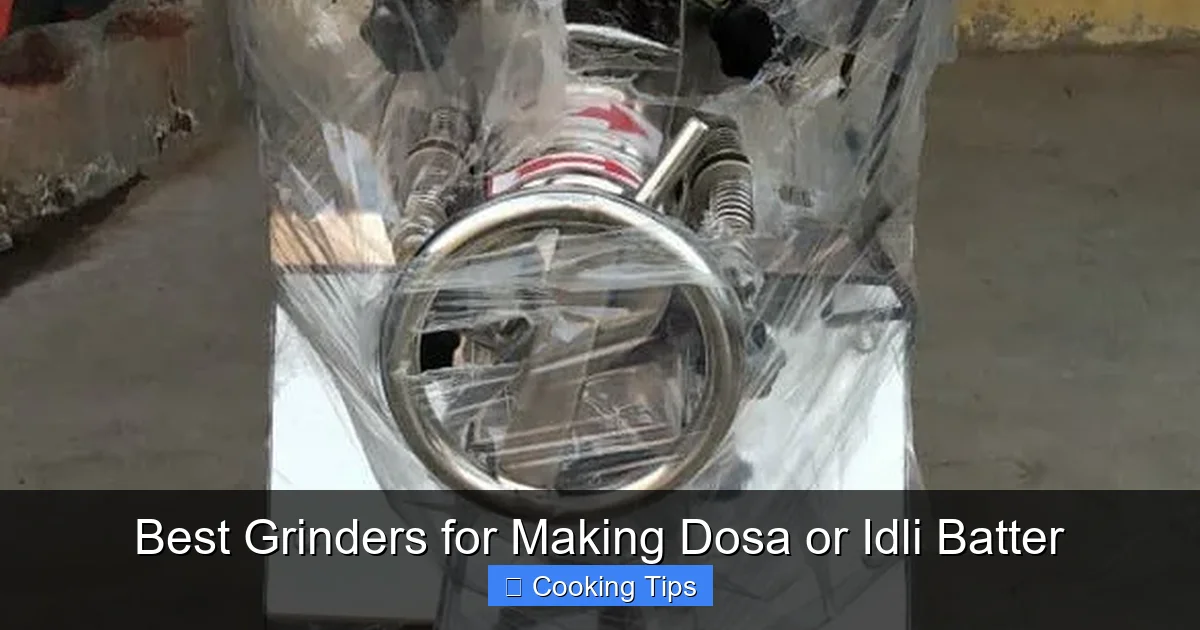
Visual guide about Best Grinders for Making Dosa or Idli Batter
Image source: 5.imimg.com
The market offers a few main types of grinders that can be used for batter making. Each has its pros and cons.
1. Wet Grinders: The Traditional Champion
When most South Indian households think of batter, they picture a wet grinder. These appliances are specifically designed for grinding grains and lentils with water, hence the name “wet grinder.”
Tilting Drum Wet Grinders
These are the most popular and often considered the gold standard. They feature two grinding stones, typically made of hard, durable material like granite. The top stone rotates against the bottom stone, grinding the soaked ingredients into a batter.
Key Features of Tilting Drum Wet Grinders:
- Efficient Grinding: The stones effectively break down the grains and lentils into a fine paste.
- Aeration: The design allows for the incorporation of air, leading to a fluffy batter.
- Durability: High-quality machines are built to last for many years.
- Uniformity: They produce a consistent batter texture.
Capacity: Wet grinders come in various capacities, usually measured in liters (e.g., 1.5L, 2L, 3L). Consider how much batter you typically make. For a family of 4, a 2-liter capacity is often sufficient.
Motor Power: Look for a motor power of at least 150 watts. Higher wattage generally means a more robust machine that can handle longer grinding times without overheating.
Materials: The stones should be hard and dense. The body of the grinder should be made of sturdy plastic or stainless steel.
Tabletop Wet Grinders
These are smaller, more compact versions of tilting drum wet grinders, often suitable for smaller kitchens or individuals. They function similarly but might have a slightly lower grinding capacity and motor power.
Other Types of Wet Grinders (Less Common for Batter)
You might encounter drum-style wet grinders or those with multiple stones. While they can grind, the tilting drum design is generally preferred for its balance of efficiency and ease of use for dosa/idli batter.
2. High-Powered Blenders/Mixers: The Modern Alternative
In recent years, high-powered blenders have become a popular alternative. Many modern blenders are powerful enough to grind grains and lentils.
Key Features of High-Powered Blenders:
- Speed: Blenders can grind ingredients very quickly.
- Versatility: They can be used for many other kitchen tasks, like making smoothies and sauces.
- Compact Size: They take up less counter space than traditional wet grinders.
What to Look For in a Blender for Batter:
- Motor Power: Aim for blenders with at least 1000 watts. The more powerful, the better it can handle grinding tough ingredients without struggling.
- Blade Design: Look for robust stainless steel blades designed for grinding. Some blenders come with specific grinding jars.
- “Atta” or “Batter” Settings: Some high-end blenders have pre-programmed settings for making batter, which can be very helpful.
- Overload Protection: This is crucial to prevent the motor from burning out when grinding for extended periods.
- Cooling System: A good blender should have an effective cooling system to prevent the motor from overheating, especially during the longer grinding times required for batter.
Important Note on Blenders: Grinding batter in a blender requires careful attention. You often need to add water incrementally and grind in short bursts to avoid overheating the motor and to achieve the right consistency. Blenders tend to aerate less than wet grinders, so you might need to let the batter ferment a bit longer for that fluffy texture.
3. Stone Grinders (Manual): The Traditionalist’s Choice
Before electric appliances, grinding was done manually on stone slabs (similar to a ‘sil batta’ or ‘ammi kal’). This method is very labor-intensive but yields excellent results if done correctly. It’s not practical for most modern kitchens but is worth mentioning for its authenticity.
How to Choose the Best Grinder for You
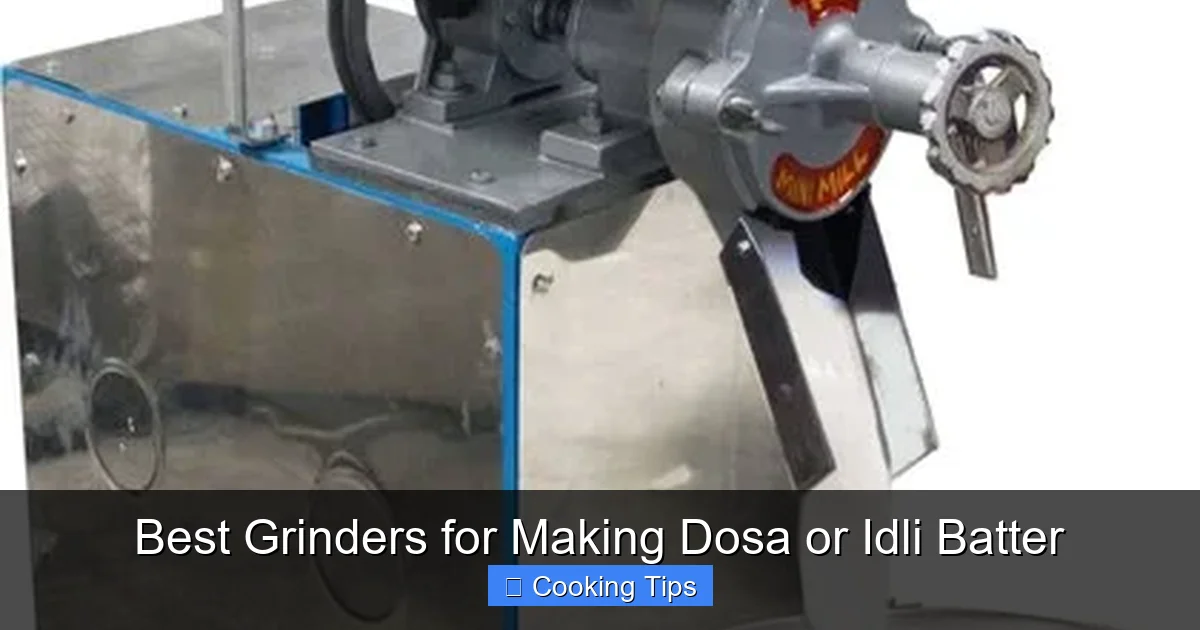
Visual guide about Best Grinders for Making Dosa or Idli Batter
Image source: 5.imimg.com
The “best” grinder is subjective and depends on your needs, budget, and kitchen space. Here’s a breakdown to help you decide:
* For Authenticity and Effortless Batter: If you’re serious about authentic South Indian cooking and want the easiest way to achieve that perfect, fluffy batter every time, a **tilting drum wet grinder** is your best bet. They are an investment, but their longevity and consistent results make them worthwhile.
* For Space-Saving and Versatility: If you have limited counter space or already own a high-powered blender that you use for other tasks, a **powerful blender** can be a good option. Just be prepared for a slightly different grinding process and potentially more hands-on attention.
* For Budget-Conscious Beginners: A good quality, mid-range wet grinder or a powerful blender might be within reach. Consider the long-term value of a wet grinder versus the immediate cost of a blender.
* **For Large Families or Frequent Cookers:** Opt for a wet grinder with a larger capacity (2 liters or more) and a powerful motor.
The Grinding Process: Tips for Success
Visual guide about Best Grinders for Making Dosa or Idli Batter
Image source: cdn.grofers.com
Regardless of the grinder you choose, the grinding process itself is critical for achieving excellent batter.
Step-by-Step Grinding with a Wet Grinder
1. Soaking: Soak your urad dal and rice separately for at least 4-6 hours (or overnight). Some people soak them together. Experiment to see what works best for you.
2. Draining: Drain the soaked ingredients thoroughly.
3. Grinding Urad Dal: Start by grinding the urad dal. Add water *gradually* as the stones turn. The goal is a very smooth, light, and fluffy paste. This usually takes about 15-20 minutes. Scrape down the sides of the drum periodically.
4. Grinding Rice: Once the urad dal is done, remove it and set it aside. Grind the soaked and drained rice. Again, add water *gradually*. You want a slightly coarser texture than the urad dal, but still smooth. This might take 10-15 minutes.
5. Mixing: Combine the ground urad dal and rice batter in a large bowl. Mix well by hand for a few minutes. This step is crucial for incorporating air and ensuring even fermentation.
6. Fermentation: Cover the bowl and let the batter ferment in a warm place for 8-12 hours, or until it doubles in volume and looks airy.
Step-by-Step Grinding with a High-Powered Blender
1. Soaking: Soak urad dal and rice as described above.
2. Draining: Drain well.
3. Grinding Urad Dal: Add the urad dal to your blender jar. Add a *small amount* of water initially. Blend until smooth and frothy. You may need to stop and scrape down the sides. If the blender struggles, add a tablespoon more water at a time. Avoid overcrowding the jar. Grind in short bursts to prevent overheating.
4. Grinding Rice: Rinse the blender jar. Grind the soaked and drained rice with a *small amount* of water until it reaches a slightly coarser, yet smooth consistency.
5. Mixing: Combine the urad dal and rice batter in a large bowl. Mix thoroughly by hand.
6. Fermentation: Ferment as described above.
Troubleshooting Common Batter Issues
Even with the best grinder, you might encounter challenges. Here’s how to fix them:
Batter is too thick:
* Cause: Not enough water added during grinding, or too much rice relative to dal.
* **Fix:** Add a tablespoon of water at a time to the batter and mix well. Be cautious not to make it too watery. If it’s due to ingredient ratio, you might need to adjust next time.
Batter is too thin:
* Cause: Too much water added during grinding, or excess fermentation.
* **Fix:** This is trickier. You can try adding a small amount of rice flour (roasted or raw) and mixing well. Alternatively, let it ferment for a bit longer; the thicker batter might firm up slightly. For future batches, use less water.
Batter is gritty:
* **Cause:** Ingredients were not ground long enough, or the grinder stones are worn out.
* **Fix:** With a wet grinder, try grinding for a few more minutes. With a blender, you might need to grind in smaller batches or for longer, but watch for overheating. If it’s a recurring issue with a wet grinder, consider having the stones dressed or replaced.
Batter did not ferment properly:
* Cause: The temperature was too cold, the starter culture from the urad dal was insufficient, or salt was added too early (salt can inhibit fermentation).
* **Fix:** Ensure the batter is kept in a warm place (e.g., inside a slightly warm oven that’s turned off, or near a heater). Ensure you used fresh urad dal. Add salt *after* fermentation.
Maintenance for Longevity
To ensure your grinder, whether a wet grinder or a high-powered blender, lasts and performs well, follow these maintenance tips:
* **Clean Immediately:** Wash the grinding stones, drum, and blades immediately after use. Residual batter can harden and be difficult to remove, and it can also lead to odor.
* **Dry Thoroughly:** Ensure all parts are completely dry before reassembling or storing.
* **Store Properly:** Store wet grinders with the lid slightly ajar or in a well-ventilated area to prevent mustiness.
* **Check Stones (Wet Grinders):** Periodically inspect your wet grinder stones for any chips or wear. Professional servicing might be needed every few years.
* **Motor Care (Blenders):** Always ensure your blender has adequate ventilation and never force it to grind when it’s struggling.
Conclusion
Choosing the right grinder for your dosa and idli batter is a significant step towards culinary success. For those seeking the most authentic and consistently superior results with minimal fuss, a tilting drum wet grinder remains the top choice in 2026. However, for the space-conscious and versatile cook, a powerful blender can be a good alternative, provided you understand its nuances. Whichever you choose, remember that proper soaking, gradual water addition, and mindful grinding are just as crucial as the appliance itself. With the right tools and techniques, you’ll be whipping up perfectly fluffy idlis and crisp dosas that will impress everyone!
