

Choosing between a mixer grinder and a blender can be confusing, as both are kitchen workhorses. This guide clarifies the fundamental differences, helping you understand their unique functions, power capabilities, and ideal use cases. Whether you need to grind spices or create silky smooth smoothies, learn which appliance is the perfect fit for your culinary adventures.
Key Takeaways
- Unique Functions: Mixer grinders excel at dry grinding spices and wet grinding batters, while blenders are designed for liquefying and blending soft ingredients.
- Motor Power & Speed: Mixer grinders typically have more powerful motors designed for tough grinding tasks, often with multiple speed settings. Blenders prioritize speed for smooth results.
- Blade Design: The blades in mixer grinders are sturdier and designed for crushing and grinding, whereas blender blades are sharper and angled for efficient liquefaction.
- Jar Capacity & Type: Mixer grinders come with specialized jars for different tasks (dry, wet, chutney), often made of stainless steel. Blenders usually have a single, larger jar, often glass or plastic.
- Versatility Spectrum: While blenders are limited to blending and liquefying, mixer grinders offer a broader range of capabilities, including grinding, mixing, and pureeing.
- Ideal Applications: Use a mixer grinder for making flours, masalas, idli/dosa batter, and chutneys. Use a blender for smoothies, soups, sauces, and milkshakes.
Mixer Grinder Vs Blender: What Is The Difference?
Welcome to the ultimate guide on deciphering the difference between a mixer grinder and a blender! In the bustling world of modern kitchens, these two appliances often sit side-by-side, promising to make our cooking and preparation tasks easier. But when it comes to their actual capabilities, they are distinct tools designed for specific jobs. Understanding these differences is crucial for making an informed purchase and ensuring you have the right appliance for every culinary need. By the end of this guide, you’ll be an expert on when to use your mixer grinder and when to reach for your blender, along with practical tips to get the most out of each.
In 2026, kitchen appliances are more advanced than ever, but the core functionality of a mixer grinder and a blender remains their defining characteristic. Let’s dive in!
Understanding the Core Functions
The primary distinction between a mixer grinder and a blender lies in their intended purpose and the types of tasks they are best suited for. Think of them as specialized tools, each with its own area of expertise.
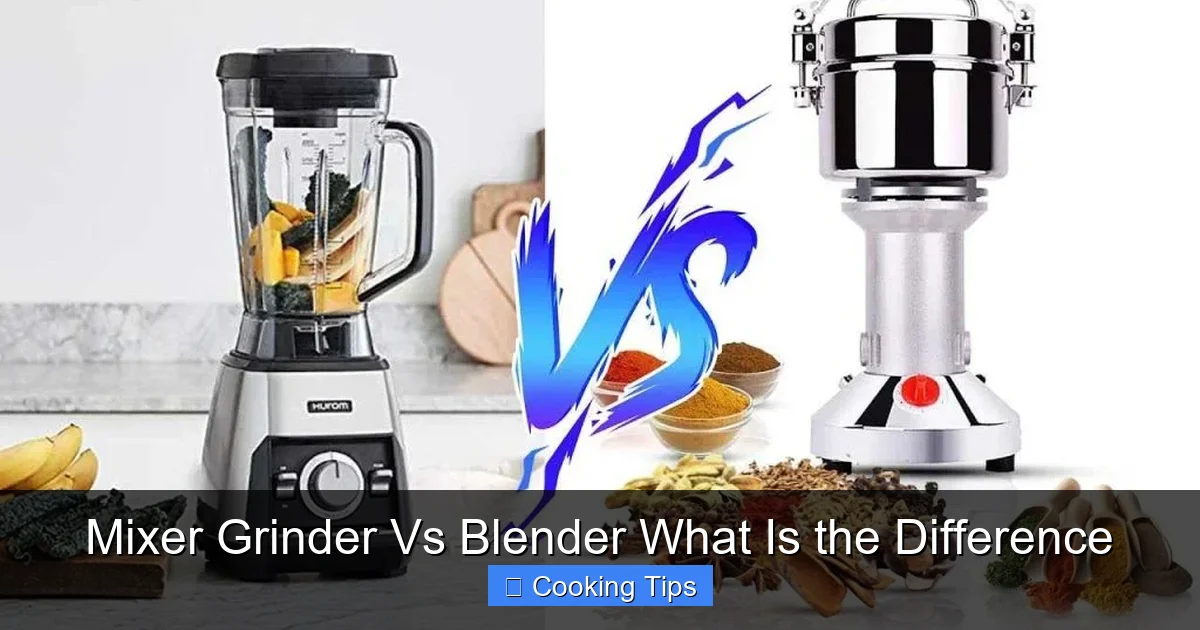
Visual guide about Mixer Grinder Vs Blender What Is the Difference
Image source: kitchenadvising.com
Mixer Grinder: The Powerhouse for Dry and Wet Grinding
A mixer grinder is designed to handle a wider range of grinding and mixing tasks, particularly those requiring significant force. Its primary strengths lie in:
- Dry Grinding: This is where mixer grinders truly shine. They can efficiently grind hard spices like turmeric, cumin, coriander, and even tougher ingredients like nuts and dried herbs into fine powders.
- Wet Grinding: They are also adept at wet grinding, which involves blending softer ingredients with a small amount of liquid. This is essential for making batters for dishes like idli, dosa, and vada.
- Making Pastes and Chutneys: From ginger-garlic paste to spicy chutneys, a mixer grinder can achieve a smooth, thick consistency.
- Kneading Dough: Some powerful mixer grinder models can even handle light dough kneading.
Blender: The Master of Liquefying and Pureeing
A blender, on the other hand, is primarily focused on achieving smooth, liquidized results. Its core functions include:
- Liquefying: Its main job is to break down ingredients into a smooth liquid. This is perfect for making smoothies, milkshakes, and juices.
- Pureeing: Blenders are excellent for pureeing cooked vegetables for soups, sauces, and baby food.
- Crushing Ice: Many blenders can crush ice effectively for frozen drinks.
- Blending Soft Ingredients: They can also be used for lighter mixing tasks, like combining salad dressings or emulsifying sauces.
Key Differences in Design and Mechanics
The functional differences between these appliances are directly rooted in their design, motor power, and blade configuration.
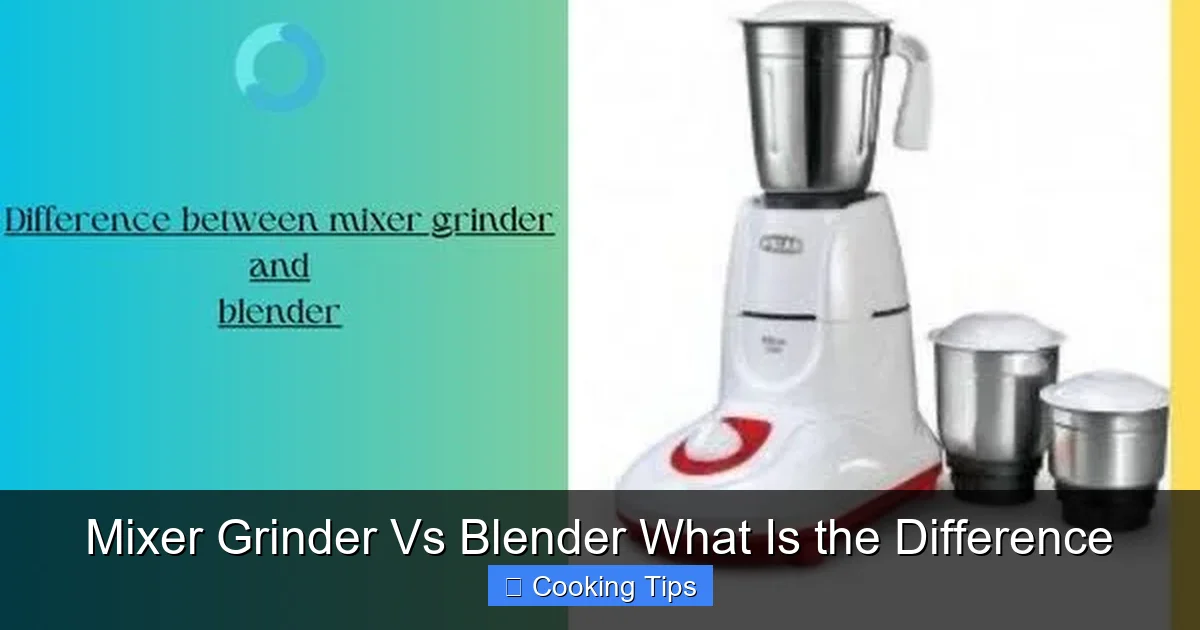
Visual guide about Mixer Grinder Vs Blender What Is the Difference
Image source: bestcustomerguide.com
Motor Power and Speed
Mixer grinders generally boast higher wattage motors compared to blenders. This increased power is necessary to tackle the resistance of grinding hard spices or thick batters. They often have multiple speed settings that allow for controlled grinding, from coarse to fine. Blenders, while also having varying power, often prioritize speed to achieve a smooth, homogenous mixture quickly. The emphasis is on rapid blade rotation for liquefaction rather than sustained power for grinding.
Blade Design: The Crucial Component
This is perhaps the most significant differentiator.
- Mixer Grinder Blades: The blades in a mixer grinder are typically sturdier, thicker, and designed for a crushing and grinding action. They are often made of hardened stainless steel and are specifically shaped to break down tough ingredients.
- Blender Blades: Blender blades are generally sharper, thinner, and angled in a way that creates a vortex to draw ingredients down into the blades for efficient liquefaction. They are optimized for cutting and blending rather than pulverizing.
Jar Capacity and Material
Mixer grinders usually come with a set of specialized jars, each designed for a particular task:
- Dry Grinding Jar: Smaller, sturdier, and often with flatter blades for effective grinding.
- Wet Grinding Jar: Larger, with more robust blades for handling batters and pastes.
- Chutney Jar: A smaller, compact jar for making chutneys and grinding small quantities of spices.
These jars are almost always made of durable stainless steel. Blenders typically come with a single, larger jar, which can be made of glass, BPA-free plastic, or even Tritan. This jar is designed to hold larger volumes of liquid ingredients.
When to Use Which Appliance: Practical Applications
Knowing the strengths of each appliance will help you choose the right tool for your specific culinary task. Here’s a breakdown of common uses:
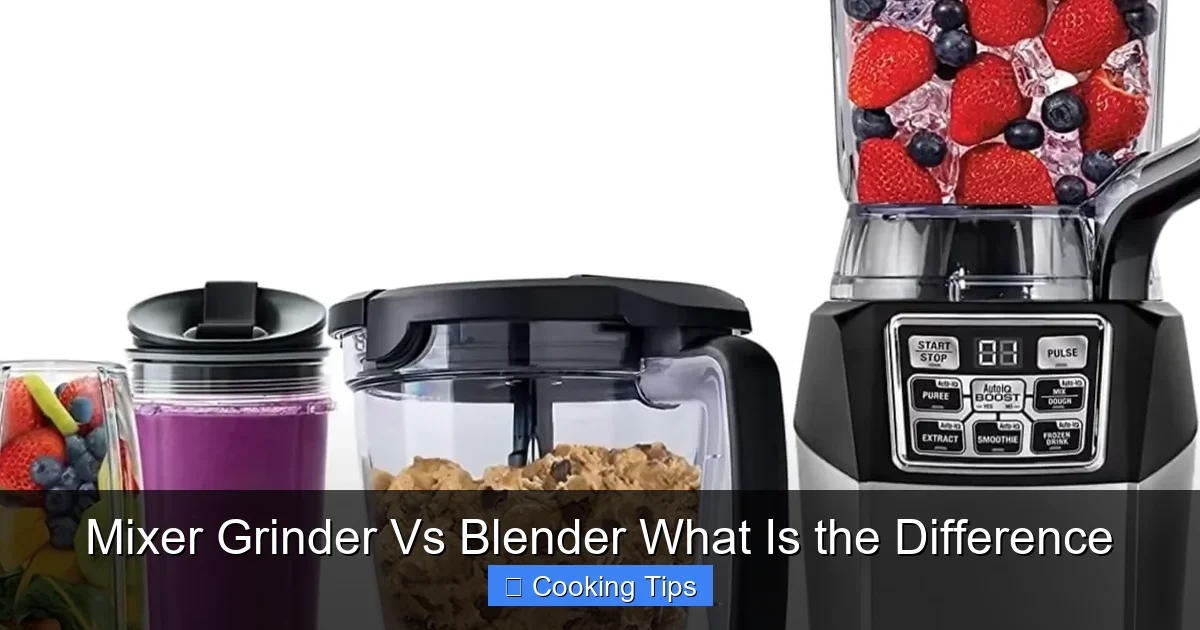
Visual guide about Mixer Grinder Vs Blender What Is the Difference
Image source: canyoumix.com
Using Your Mixer Grinder
- Making Indian Masalas: Grind whole spices like cumin seeds, coriander seeds, and peppercorns into fine powders.
- Preparing Idli and Dosa Batter: Soak rice and lentils, then grind them together with water to achieve the perfect smooth yet slightly coarse batter consistency.
- Creating Chutneys: Grind fresh herbs, chilies, garlic, and other ingredients for flavorful chutneys.
- Grinding Flour: Mill grains like wheat or rice into flour for baking and cooking.
- Making Nut Butters: Grind roasted nuts into smooth butters (though some high-powered blenders can also do this).
Using Your Blender
- Whipping Up Smoothies: Blend fruits, vegetables, yogurt, and liquids into a creamy, drinkable consistency.
- Making Soups: Puree cooked vegetables and broth for velvety smooth soups.
- Creating Sauces and Dressings: Emulsify ingredients for salad dressings, marinades, and smooth sauces.
- Preparing Milkshakes: Blend ice cream, milk, and flavorings for a classic treat.
- Making Baby Food: Puree cooked fruits and vegetables into a fine, digestible texture for infants.
- Crushing Ice: Many blenders can effectively crush ice for cocktails and cold beverages.
Troubleshooting Common Issues
Even with the right appliance, you might encounter a few hiccups. Here are some common problems and solutions:
Mixer Grinder Issues
- Overheating: If your mixer grinder motor feels too hot, it might be due to overloading or grinding for too long. Allow it to cool down. Ensure you’re using the correct jar for the task.
- Uneven Grinding: For dry grinding, pulse the ingredients a few times rather than running continuously. Add a teaspoon of water for wet grinding if ingredients aren’t moving.
- Leaking: Ensure the jar lid is securely fastened before operating. Check the gasket for wear and tear.
Blender Issues
- Ingredients Not Blending Smoothly: You might need to add more liquid. Chop larger ingredients into smaller pieces. Ensure the blender jar is not overfilled.
- Motor Smells Burnt: This often indicates the motor is straining. Don’t overload the blender and ensure you’re not trying to blend excessively hard ingredients that a mixer grinder is meant for.
- Blades Not Spinning: Check if the jar is properly seated on the base. Some blenders have safety interlocks that prevent operation if not assembled correctly.
Choosing the Right Appliance for Your Kitchen in 2026
As we look towards 2026, the kitchen landscape continues to evolve, but the fundamental roles of these appliances remain. If your cooking involves a lot of Indian cuisine, baking from scratch, or making homemade spice powders and batters, a mixer grinder is an indispensable tool. Its robust design and powerful motor are built for these demanding tasks. For those who primarily focus on beverages, soups, sauces, and quick purees, a good blender will be your go-to appliance. It’s designed for speed and achieving smooth, consistent liquid textures.
Many households find value in owning both, as they complement each other perfectly. However, if you need to choose just one, carefully consider your most frequent cooking activities. A mixer grinder offers a broader range of grinding capabilities, while a blender excels at liquefying and creating smooth textures. Invest in quality brands and models that fit your budget and kitchen space, and you’ll find these appliances become invaluable assets in your culinary journey.
Conclusion
The mixer grinder and blender, while both rotating blades within a container, are fundamentally different appliances. The mixer grinder is your go-to for tough grinding, creating batters, and making pastes, powered by robust motors and specialized blades. The blender is your champion for smooth liquids, purees, and beverages, prioritizing speed and efficient liquefaction. By understanding their unique strengths and limitations, you can confidently select the appliance that best suits your needs, enhancing your efficiency and creativity in the kitchen.
