

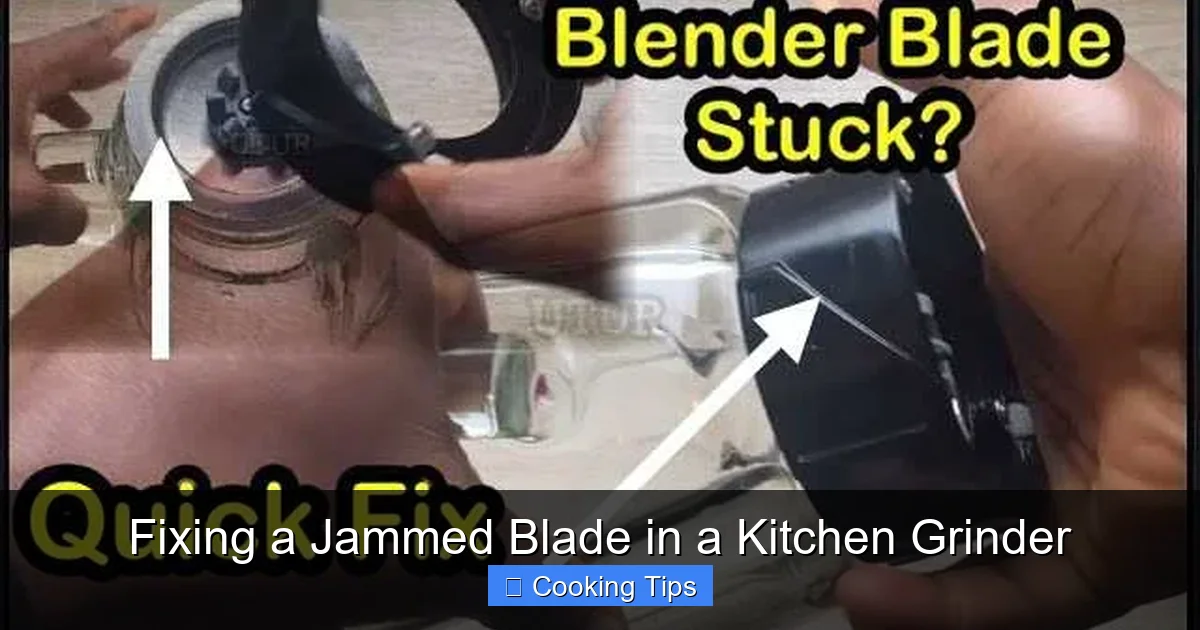
A jammed blade in your kitchen grinder can halt your culinary prep. This comprehensive guide provides clear, step-by-step instructions for safely and effectively fixing a jammed grinder blade. We’ll cover common causes, essential safety precautions, and practical methods to get your grinder back to its best performance, along with tips to prevent future jams.
When your kitchen grinder’s blade gets jammed, it can feel like a culinary emergency. Whether you’re trying to grind spices, nuts, coffee beans, or even meat, a stuck blade stops everything in its tracks. But don’t worry, most grinder jams are fixable! This guide, updated for 2026, will walk you through exactly how to safely and effectively tackle a jammed blade, getting your kitchen grinder back to its efficient self in no time. We’ll cover everything from simple tricks to more involved fixes, along with preventative measures to keep your grinder happy and jam-free.
Key Takeaways
- Prioritize Safety: Always unplug the grinder before attempting any fix to prevent accidental activation and injury.
- Identify the Cause: Determine if the jam is due to oversized food, overloading, a foreign object, or blunt blades.
- Gentle Intervention: Start with the least invasive methods, like shaking or using a wooden utensil, before resorting to more direct approaches.
- Proper Disassembly (if needed): If accessible, carefully disassemble parts of the grinder to access and dislodge the jammed blade.
- Blade Maintenance is Key: Regular cleaning and sharpening of grinder blades significantly reduce the likelihood of future jams.
- Know When to Seek Help: If the blade remains jammed or if you encounter any damage, it’s safer to consult a professional or consider replacing the grinder.
Understanding Why Your Grinder Blade is Jammed
Before you dive into fixing the jam, it’s helpful to understand what might have caused it. Identifying the root cause can make the fix easier and prevent future issues. Common culprits include:
- Oversized or Tough Ingredients: Trying to grind very large pieces of food or exceptionally tough items can overwhelm the motor and blade.
- Overloading the Grinder: Filling the grinder beyond its recommended capacity forces ingredients to pack too tightly, leading to jams.
- Foreign Objects: Sometimes, a small pit, a bone fragment, or even a stray piece of plastic can get lodged in the blade mechanism.
- Dull Blades: When blades aren’t sharp, they struggle to cut effectively, forcing them to push and tear at ingredients, which can easily lead to a jam.
- Incorrect Assembly: If the grinder parts aren’t put together properly, it can create misalignment and cause the blade to bind.
Safety First: Essential Precautions
Working with kitchen appliances, especially those with sharp blades, requires a serious commitment to safety. Before you do anything else, follow these crucial steps:
Unplug the Grinder
This is the absolute first and most important step. Never attempt to fix a jam while the grinder is plugged into a power outlet. Accidental activation of the grinder with your hands or tools nearby could lead to severe injury. Ensure the power cord is completely detached from the wall socket.
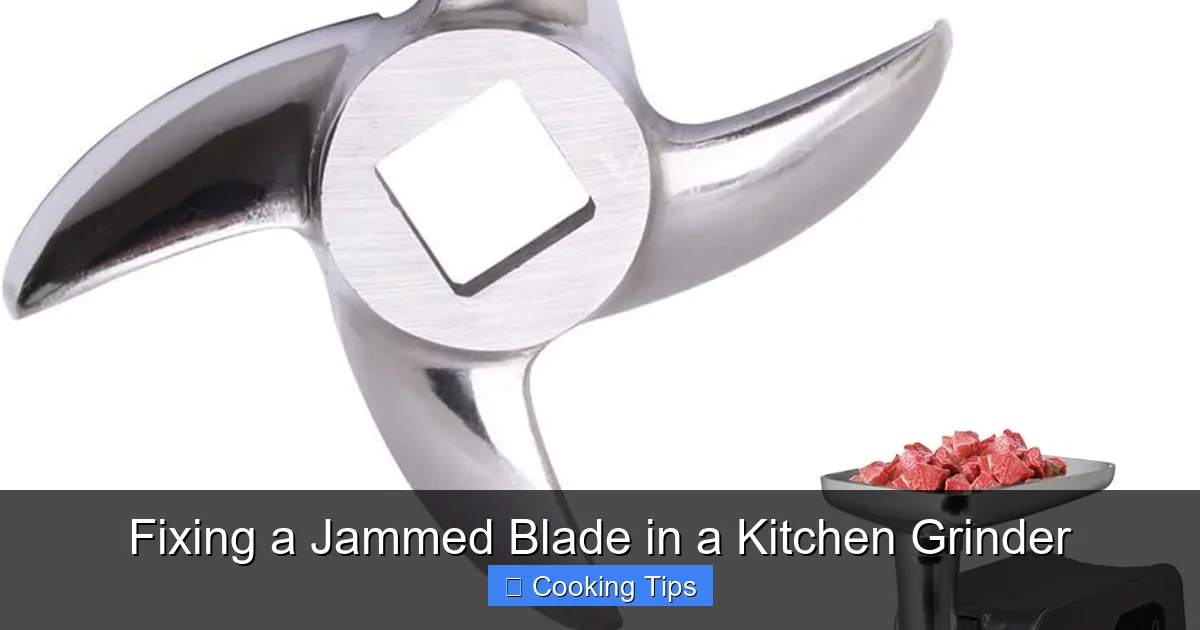
Visual guide about Fixing a Jammed Blade in a Kitchen Grinder
Image source: m.media-amazon.com
Visual guide about Fixing a Jammed Blade in a Kitchen Grinder
Image source: content.instructables.com
Let it Cool Down
If you’ve been using the grinder, the motor and blades might be hot. Allow the appliance to cool down completely before touching any internal components. This prevents burns.
Visual guide about Fixing a Jammed Blade in a Kitchen Grinder
Image source: content.instructables.com
Clear the Area
Make sure the area around your grinder is clear of clutter. You’ll need space to work and to avoid knocking anything over.
Step-by-Step Guide to Fixing a Jammed Grinder Blade
Now that safety is covered, let’s get to the fixes! We’ll start with the simplest methods and move to more involved ones.
Method 1: The Gentle Shake and Prod
Often, a minor jam can be resolved with a bit of gentle persuasion.
Turn and Shake
With the grinder unplugged, try gently turning the blade assembly by hand. If it moves slightly, try to jiggle the grinder to dislodge the offending ingredient. Sometimes, a slight shift in position is all it needs.
Use a Wooden Utensil
If you can see a piece of food clearly causing the obstruction, use a wooden spoon, spatula, or chopstick to try and gently push it away from the blade. Avoid using metal utensils, as they can chip the blades or damage the grinder housing.
Tip:
Be patient. Forcing the utensil can make the jam worse or damage the components. Work slowly and deliberately.
Method 2: Clearing Obstructions from the Top
If the jam is visible from the top opening of the grinder, this method might be effective.
Access the Blade
Carefully remove the lid or grinding chamber if possible (ensure the grinder is unplugged!). You should be able to see the blades and the jammed material.
Remove Loose Debris
If there are loose pieces of food or debris around the blade, use a dry cloth or a soft brush to gently sweep them away. A small vacuum attachment might also be useful for picking up small particles.
Gentle Prodding (Revisited)
Using your wooden utensil, try to carefully push the jammed ingredient out or away from the blade. Work from the edges inward to try and free up the material.
Method 3: Disassembly (If Possible and Safe)
Many modern kitchen grinders are designed with removable parts for easier cleaning and maintenance. If your grinder allows for disassembly, this can be the most effective way to clear a stubborn jam.
Consult Your Manual
Before attempting to disassemble, always refer to your grinder’s user manual. It will detail how to safely take apart and reassemble the appliance.
Remove Removable Parts
Typically, you’ll need to detach the grinding chamber, the blade assembly, and any other removable components. Do this carefully, keeping track of any small parts like gaskets or O-rings.
Inspect and Clean
Once disassembled, you can clearly see the blade and the area where the jam occurred. Remove any food particles, foreign objects, or debris that are causing the blockage. Clean the blades and the chamber thoroughly.
Reassemble Carefully
Put the grinder back together according to your manual’s instructions. Ensure all parts are securely in place and aligned correctly. A misaligned part can cause future jams.
Method 4: The “Loosening” Trick
This is a slightly more advanced technique that can work for deeply lodged jams.
Secure the Grinder
Place the grinder on a stable surface. You might want to hold it firmly with one hand.
Gentle Tapping
Using the handle of a wooden spoon or a rubber mallet (used very lightly), gently tap the base or sides of the grinder. The vibrations can sometimes help to loosen the jammed material without causing damage.
Combined with Turning
While gently tapping, try to slowly rotate the blade assembly by hand. The combination of vibration and slight rotation can be effective.
Caution:
Do not hit the grinder forcefully. The goal is to create vibrations, not to cause impact damage. If you hear any cracking or feel significant resistance, stop immediately.
Troubleshooting Common Issues
Even with the best intentions, sometimes a jam persists. Here’s how to handle those stubborn situations.
Blade Won’t Turn At All
If the blade assembly is completely seized and won’t budge even with gentle force, it’s likely a significant obstruction or a mechanical issue. Double-check that the grinder is unplugged and that you haven’t missed any debris during disassembly. If it still won’t move, there might be internal damage.
Motor Seems Stuck, Not the Blade
If you can rotate the blades freely by hand, but the motor makes a strange noise or doesn’t engage when plugged in, the issue might be with the motor itself or the drive mechanism. This is often a sign of a more serious problem and may require professional repair or replacement.
Persistent Jams
If your grinder jams frequently, it’s a strong indicator of underlying issues. This could be due to dull blades, a worn-out motor, or consistently overloading the appliance. Consider sharpening or replacing the blades, or re-evaluating how you use the grinder.
Preventing Future Grinder Jams
Prevention is always better than cure, especially when it comes to your kitchen tools. Here are some tips to keep your grinder running smoothly:
- Cut Ingredients to Size: Always cut larger ingredients into smaller, manageable pieces before putting them into the grinder.
- Don’t Overload: Adhere to the grinder’s capacity limits. Grind in batches if necessary.
- Check for Foreign Objects: Before grinding, quickly inspect your ingredients for pits, seeds, bones, or any other hard objects that could damage the blade or cause a jam.
- Maintain Your Blades: If your grinder has removable blades, clean them thoroughly after each use. For grinders with fixed blades, ensure the cleaning brush reaches all nooks and crannies. Consider sharpening or replacing blades if they appear dull or nicked.
- Proper Assembly: Always ensure all parts of the grinder are assembled correctly and securely before operation.
- Clean Regularly: Food residue can build up over time, potentially contributing to jams. Regular cleaning prevents this buildup.
Conclusion
Dealing with a jammed grinder blade might seem daunting, but with the right approach, it’s usually a manageable problem. Remember to always prioritize safety by unplugging the appliance, and then work through the gentle methods first. Identifying the cause, being patient, and employing proper disassembly when necessary are key to a successful fix. By following these steps and incorporating preventative maintenance into your routine, you can ensure your kitchen grinder remains a reliable and efficient tool in your culinary arsenal for years to come, ready for whatever you need to grind.
