

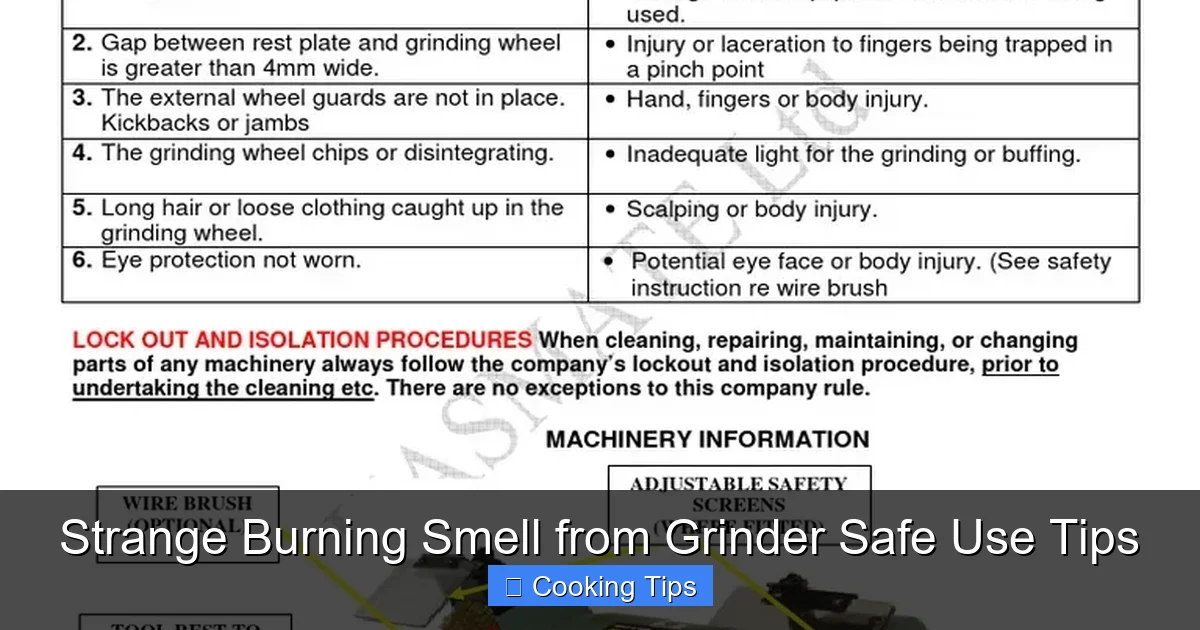
Encountering a strange burning smell from your grinder can be alarming, but it’s often a sign of minor issues that can be easily addressed. This guide provides comprehensive, 2026-relevant safe use tips to help you identify the cause of the burning odor, from overheating to food debris, and offers practical solutions to ensure your grinder operates safely and efficiently. Understanding common causes and implementing preventative maintenance are key to avoiding this unpleasant and potentially hazardous situation.
Strange Burning Smell from Grinder Safe Use Tips
It’s a common household appliance, and a culinary workhorse: the grinder. Whether you’re grinding coffee beans, spices, nuts, or even meat, a grinder simplifies many kitchen tasks. But what happens when you notice a strange burning smell emanating from your trusty appliance? This isn’t just an unpleasant odor; it can be a warning sign that something isn’t quite right with your grinder’s operation. In 2026, understanding how to safely use and maintain your grinder is more important than ever, as appliances become more sophisticated and kitchen habits evolve. This comprehensive guide will walk you through identifying the potential causes of that burning smell and provide you with essential safe use tips to keep your grinder running smoothly and safely for years to come.
Key Takeaways
- Identify the Source: Determine if the burning smell is coming from the motor, the blades, or accumulated food residue.
- Overheating is Common: Prolonged use or overloading can cause the motor to overheat, leading to a burning odor. Take breaks!
- Cleanliness is Crucial: Food particles left in the grinder can burn, producing a strong smell. Regular cleaning is essential.
- Blade Sharpness Matters: Dull blades require the motor to work harder, increasing the risk of overheating. Keep blades sharp.
- Proper Assembly Prevents Issues: Ensure all parts are correctly assembled to avoid friction and strain on the motor.
- Inspect for Damage: Check for any signs of wear and tear on the cord, plug, or internal components that could cause a burning smell.
- Consult the Manual: Always refer to your grinder’s user manual for specific operating instructions and troubleshooting.
Understanding the Burning Smell: What It Could Mean
That acrid, burning scent can be unsettling. Before you panic, let’s break down the most likely culprits. The smell typically originates from one of three main areas: the motor, the blades, or accumulated food residue.
Motor Overheating
The motor is the heart of your grinder. Like any motor, it generates heat when it works. If you’re using the grinder for too long, grinding too much at once, or trying to process ingredients that are too tough, the motor can overheat. This overheating can lead to a burning smell, often described as an electrical burning odor. This is a common issue with many electric appliances.
Food Debris and Residue
When food particles, especially oily or starchy ones, aren’t completely removed after each use, they can accumulate in hard-to-reach places within the grinder. As you use the grinder again, these residues can heat up and burn, producing a distinct smell that might be more like burnt food than burning plastic or electrical components.
Blade Friction and Dullness
Blades that are dull or not properly seated can cause the motor to work harder. This increased strain can lead to friction and heat buildup, potentially resulting in a burning smell. This is particularly true for grinders designed for tougher ingredients.
Safe Use Tips to Prevent the Burning Smell
Prevention is always better than cure. By adopting good usage habits and performing regular maintenance, you can significantly reduce the chances of encountering that dreaded burning smell.

Visual guide about Strange Burning Smell from Grinder Safe Use Tips
Image source: royalegarage.com
Tip 1: Respect the Duty Cycle (Don’t Overwork It!)
Most grinders, especially home models, are not designed for continuous operation. They have a “duty cycle,” which is the maximum amount of time they can run before needing a cool-down period. Overloading the grinder or running it for too long without breaks is a primary cause of motor overheating and that associated burning smell.
- For Coffee Grinders: Grind in short bursts. Many coffee grinders are designed for a maximum of 30 seconds of continuous use followed by a minute or two of rest.
- For Food Grinders: Avoid forcing tough ingredients through. If you’re grinding meat, ensure it’s not overly fatty or sinewy, as this can strain the motor.
- Observe the Heat: If the grinder housing feels excessively hot to the touch, stop using it immediately and let it cool down.
Tip 2: Clean Your Grinder Thoroughly After Every Use
This cannot be stressed enough! Food debris is a major culprit for burning smells. Even small amounts can bake onto the blades and internal components over time.
- Disassemble Carefully: Most grinders can be partially disassembled for cleaning. Refer to your user manual for specific instructions on how to safely take apart your model.
- Wash Removable Parts: Wash all removable parts (blades, containers, lids) with warm, soapy water. Ensure they are completely dry before reassembling.
- Brush Away Residue: Use a small brush (an old toothbrush works well for nooks and crannies) to remove any stubborn food particles from the grinder housing and motor base (avoid getting the motor wet, of course!).
- Avoid Submerging the Motor: Never immerse the motor unit in water. Wipe it down with a damp cloth only.
Tip 3: Ensure Proper Assembly
A grinder that isn’t assembled correctly can lead to increased friction and strain. For example, if the blade isn’t securely locked in place, it might not rotate efficiently, causing the motor to work harder.
- Follow the Manual: Always refer to your grinder’s instruction manual for correct assembly.
- Check for Snug Fits: Ensure all parts, especially the blades and locking mechanisms, are securely in place before operating.
Tip 4: Use the Right Grinder for the Job
Not all grinders are created equal. Using a coffee grinder to process hard spices or small nuts might seem efficient, but it can put undue stress on a motor not designed for such tasks.
- Identify Your Grinder’s Purpose: Understand what your grinder is designed to do. A spice grinder is different from a coffee grinder, which is different from a meat grinder or a food processor.
- Don’t Force It: If an ingredient feels too hard or dense for your grinder, it’s best to use a different tool or preparation method.
Tip 5: Keep Blades Sharp
Sharp blades cut through ingredients with ease, requiring less effort from the motor. Dull blades, on the other hand, can shred and tear, creating more resistance and heat.
- Regular Sharpening: For grinders with removable blades (like some food processors), consider sharpening them periodically. Consult your manual for recommendations or professional sharpening services.
- Blade Replacement: If your grinder’s blades are damaged or excessively dull and cannot be sharpened, it may be time to consider replacing them.
Tip 6: Inspect for Damage
Before and after use, take a moment to visually inspect your grinder, paying attention to the power cord and plug.
- Check the Cord and Plug: Look for any fraying, cuts, or exposed wires on the power cord and plug. Damaged electrical components can cause overheating and a burning smell. If you find any damage, do not use the grinder and seek professional repair or replacement.
- Listen for Unusual Noises: While not directly related to smell, strange grinding or whirring noises can indicate mechanical issues that might eventually lead to overheating.
Troubleshooting the Burning Smell
If you’re already experiencing a burning smell, don’t ignore it. Here’s a quick troubleshooting guide:

Visual guide about Strange Burning Smell from Grinder Safe Use Tips
Image source: royalegarage.com
Step 1: Immediately Stop Using the Grinder. Unplug it from the power source.
Step 2: Let It Cool Down Completely. This could take 30 minutes to an hour, depending on how long it was running.
Step 3: Inspect for Obvious Residue. Open the grinder and look for any burnt-on food particles. If you find any, clean them thoroughly as described in “Tip 2.”
Step 4: Check for Motor Strain. Did you recently grind something very dense or run it for an extended period? This is likely the cause.
Step 5: Examine the Power Cord and Plug. Ensure there is no visible damage.
Step 6: Consult Your User Manual. Many manuals have a troubleshooting section that can help diagnose specific issues related to your model.
Step 7: If the Smell Persists or You Suspect Electrical Issues: If the burning smell returns shortly after cleaning and gentle use, or if you suspect an electrical problem, it’s best to contact the manufacturer’s customer support or a qualified appliance repair technician. Do not continue to use a malfunctioning appliance, as it can be a fire hazard.
Conclusion
A strange burning smell from your grinder is a signal that requires attention. By understanding the common causes – overheating motor, food residue, and blade issues – and diligently following safe use tips, you can prevent this unpleasant odor and ensure the longevity and safety of your appliance. Regular cleaning, respecting the grinder’s limits, and proper maintenance are your best defenses. In 2026, with a focus on sustainability and appliance lifespan, these simple practices are more crucial than ever. So, keep your grinder clean, use it wisely, and enjoy all the delicious results it helps you create, free from the worry of a burning smell.

Visual guide about Strange Burning Smell from Grinder Safe Use Tips
Image source: zera.co.zw
