

Overloading your grinder can cause serious damage to its motor, leading to costly repairs or premature replacement. This guide provides essential techniques to prevent motor strain. Learn to recognize the signs of overload, prepare ingredients correctly, and use proper grinding techniques to ensure your grinder’s longevity and maintain its optimal performance.
Avoid Overloading the Grinder to Protect the Motor
In today’s fast-paced kitchens of 2026, our appliances are our culinary allies. From crafting homemade flours to perfecting spice blends and preparing fresh ground meats, grinders are indispensable tools. However, like any hardworking machine, your grinder’s motor needs care. One of the most common ways users inadvertently damage their grinders is by overloading them. This not only shortens the lifespan of your appliance but can also lead to frustrating breakdowns mid-recipe. This comprehensive guide will teach you how to avoid overloading your grinder, ensuring its motor stays healthy and your kitchen adventures continue smoothly.
- Understand Motor Strain: Recognize the physical and auditory cues that indicate your grinder’s motor is under too much pressure.
- Prepare Ingredients Properly: Cut ingredients into appropriately sized pieces before grinding to reduce the workload on the motor.
- Grind in Batches: Avoid stuffing the grinder full; process ingredients in smaller, manageable portions.
- Use the Right Speed Settings: Employ lower speeds for tougher ingredients and higher speeds for finer grinds, matching the task to the motor’s capability.
- Listen and Observe: Pay close attention to the grinder’s sound and your manual’s instructions to know when to stop.
- Regular Maintenance is Key: Keeping your grinder clean and in good working order helps prevent issues that can lead to overloading.
Why Overloading Your Grinder is a Problem
Think of your grinder’s motor like the engine in your car. If you ask it to do too much, too soon, or with too much resistance, it will struggle, overheat, and eventually wear down faster. When you overload a grinder, the motor has to work much harder to turn the grinding mechanism. This increased effort generates more heat and puts excessive stress on the motor’s components.
In the long run, consistently overloading your grinder can lead to:
- Motor Burnout: The motor can overheat to the point where its internal components are permanently damaged.
- Reduced Performance: Even if it doesn’t fail completely, an overworked motor might become weaker, resulting in less efficient grinding.
- Increased Noise: A struggling motor often becomes louder, a clear indicator of strain.
- Premature Wear and Tear: Seals, bearings, and other parts can wear out faster due to the excessive force and vibration.
- Safety Hazards: In extreme cases, an overloaded motor could potentially pose a fire risk due to overheating.
Understanding Your Grinder’s Limits
Every grinder is designed with specific power and capacity limits. These are not arbitrary numbers; they represent the optimal operating parameters for the motor. Consulting your grinder’s manual is the first step to understanding its capabilities. Modern grinders, especially those designed for high-performance culinary tasks, often have features to prevent overheating, but they are not invincible.
Visual guide about Avoid Overloading the Grinder to Protect the Motor
Image source: i.ytimg.com
Read Your Manual
Your grinder’s user manual is your best friend. It will detail:
- Maximum Capacity: How much of a particular ingredient the grinder can handle at once.
- Recommended Ingredients: What types of food the grinder is best suited for.
- Speed Settings: How to use different speeds for different grinding tasks.
- Maintenance Instructions: How to keep your grinder in top condition.
Recognize the Signs of Strain
Your grinder will often tell you when it’s struggling. Learning to interpret these signs is crucial for preventing damage:
- Unusual Noises: A change in the motor’s sound – a straining, whining, or groaning noise – is a classic sign of overload. A healthy motor typically has a consistent hum.
- Slowdown: If the grinding mechanism noticeably slows down, even when processing ingredients that should be easy to grind, the motor is likely under too much duress.
- Overheating: The grinder housing might feel unusually warm to the touch. Some high-end models may have an indicator light for overheating.
- Smell of Burning: This is a critical warning sign. If you smell burning plastic or electrical components, stop the grinder immediately.
Practical Steps to Avoid Overloading
Now that you understand the risks and warning signs, let’s dive into the practical techniques you can use every time you operate your grinder.
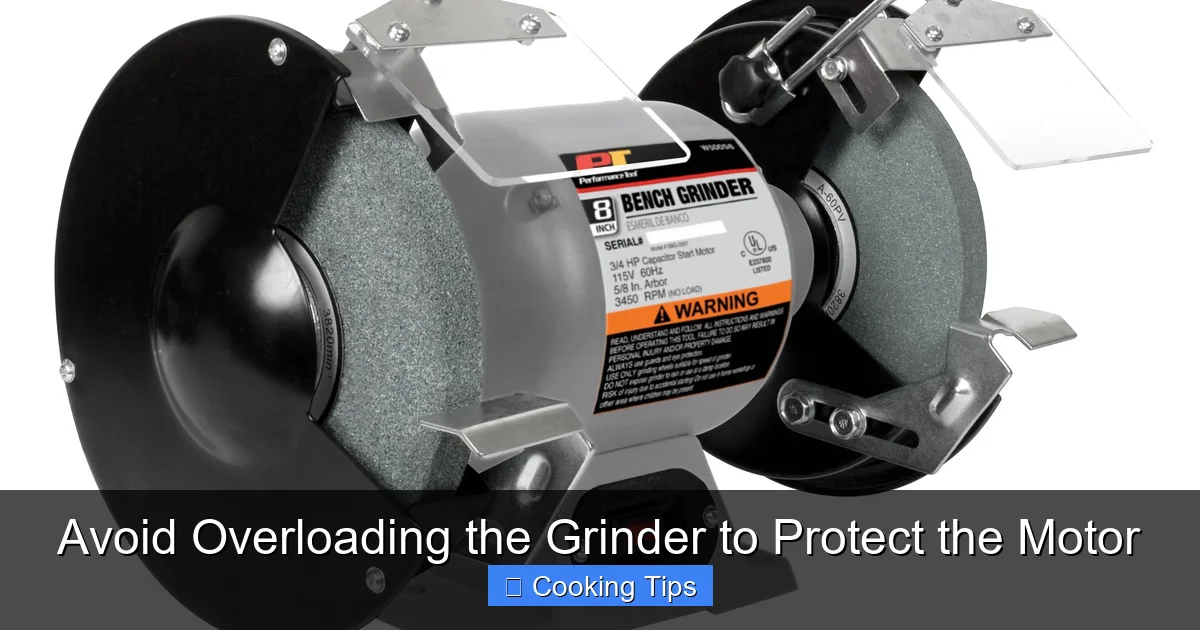
Visual guide about Avoid Overloading the Grinder to Protect the Motor
Image source: m.media-amazon.com
Step 1: Prepare Your Ingredients Wisely
The single most effective way to prevent motor strain is to prepare your ingredients before they even enter the grinder. This reduces the resistance the motor has to overcome.
Cut into Manageable Sizes
This is especially important for hard items like coffee beans, nuts, or tough meats. Instead of feeding whole items, cut them into smaller, uniform pieces. For example, if you’re grinding meat, cut it into cubes about 1-2 inches. For spices, break larger pods or seeds into halves or quarters.
Remove Tough Stems or Pits
For herbs or certain spices, remove any hard stems or pits that could jam the grinder or put undue stress on the blades and motor.
Consider Ingredient Moisture
Extremely wet ingredients can sometimes make grinding more difficult, potentially leading to strain, especially if they clump. Ensure ingredients have the appropriate moisture content for your specific grinder type.
Step 2: Grind in Appropriate Batches
Even if you have a powerful grinder, it has its limits. Overfilling the hopper or grinding chamber is a sure way to overload the motor.
Don’t Stuff It Full
This is a common mistake. Resist the urge to fill the grinder to its maximum capacity, especially if you’re working with dense or tough ingredients. It’s always better to run the grinder multiple times with smaller batches than to risk damaging it with one overloaded run.
Work in Stages
If you have a large quantity of ingredients, plan to grind them in several smaller batches. This allows the motor to rest and cool down between cycles.
Step 3: Utilize Speed Settings Correctly
Many modern grinders come with variable speed settings. Using these settings appropriately can significantly reduce strain on the motor.
Lower Speeds for Tough Ingredients
For hard items like whole spices, coffee beans, or tough cuts of meat, start with a lower speed setting. This allows the grinder to process the ingredients more gradually and with less force, reducing the initial shock on the motor.
Higher Speeds for Finer Grinds
Once the ingredients are partially processed at a lower speed, you can gradually increase the speed if you’re aiming for a finer texture. However, always listen to the motor. If it starts to strain, revert to a lower speed or stop and empty the grinder.
Step 4: Be Patient and Mindful
Grinding is not always an instantaneous process. Patience is key to protecting your appliance.
Listen to the Sound
As mentioned earlier, the sound of the motor is a crucial indicator. If you hear it laboring, stop immediately. It’s better to stop and adjust your technique than to push it too far.
Observe the Process
Watch how the ingredients are being processed. If they’re not moving freely, or if the grinding mechanism seems to be getting clogged, it’s a sign of overload. Stop and clear any blockages.
Allow for Cooling
If you’re grinding large quantities or working with ingredients that require prolonged grinding, give your grinder breaks. Let the motor cool down between batches. Running an appliance until it’s hot significantly increases the risk of damage.
Step 5: Clean Your Grinder Regularly
A clean grinder operates more efficiently. Residual ingredients can build up, creating friction and making the motor work harder.
Disassemble and Clean
Follow your manual’s instructions for disassembling your grinder. Clean all parts thoroughly after each use. Pay special attention to the grinding chamber and blades.
Check for Blockages
Ensure there are no hidden obstructions in the grinding mechanism that could cause strain during operation.
Troubleshooting Common Overload Scenarios
Even with the best intentions, you might encounter situations that test your grinder’s limits. Here’s how to handle them:

Visual guide about Avoid Overloading the Grinder to Protect the Motor
Image source: i.ytimg.com
Scenario: The grinder suddenly slows down and makes a strained noise.
Solution: Immediately release the power button or switch. If possible, remove some of the unground ingredients. Re-evaluate if the ingredients are cut small enough or if you’re grinding too much at once. Try again with a smaller batch.
Scenario: I smell a burning odor.
Solution: Turn off the grinder and unplug it from the power source immediately. Allow it to cool down completely. If the smell persists after cooling, or if the grinder shows any signs of visible damage, it’s best to have it inspected by a professional or consider replacement. Never attempt to use a grinder that smells like it’s burning.
Scenario: The grinder seems to be vibrating excessively.
Solution: This can indicate uneven loading or a blockage. Stop the grinder, unplug it, and check the grinding chamber for any trapped pieces or unevenly distributed ingredients. Ensure the grinder is placed on a stable, flat surface.
Conclusion
Protecting your grinder’s motor is about understanding its capabilities and treating it with respect. By following these simple yet effective techniques – preparing ingredients properly, grinding in manageable batches, using speed settings wisely, being attentive to the grinder’s cues, and maintaining it diligently – you can significantly extend its lifespan and ensure consistent, high-quality results in your kitchen. A well-cared-for grinder is a reliable partner for countless culinary creations, from the simplest spice blend to the most complex homemade ingredient.
