

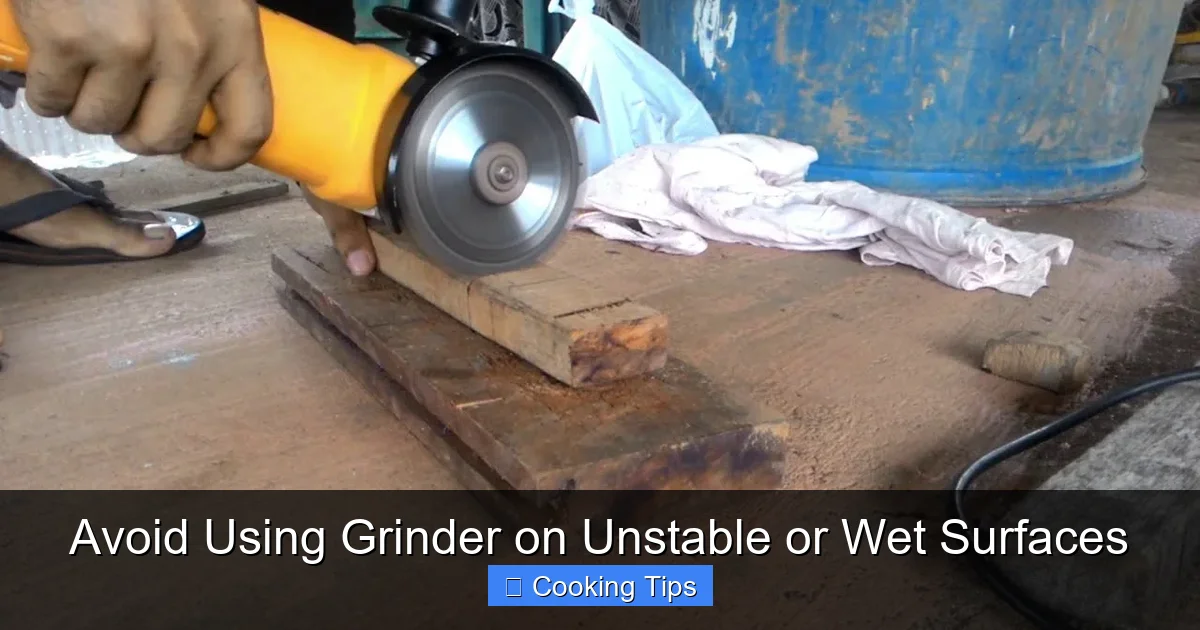
This guide emphasizes the critical importance of never using kitchen grinders on unstable or wet surfaces. We’ll explore the significant risks involved, from equipment damage to severe injuries. Learn practical steps to ensure a stable, dry workspace, protecting yourself and your valuable kitchen tools. Prioritize safety for stress-free food preparation in 2026.
Avoid Using Grinder on Unstable or Wet Surfaces
Welcome to our essential guide for 2026 on a crucial aspect of kitchen safety that often gets overlooked: the surfaces we use our grinders on. Whether you’re a seasoned home chef or just starting your culinary journey, you likely have a kitchen grinder – perhaps an electric coffee grinder, a spice grinder, or even a food grinder attachment for your stand mixer. These tools are invaluable for enhancing flavor and freshness in your cooking. However, their effectiveness and, more importantly, your safety, are heavily reliant on the environment in which they operate.
This guide will equip you with the knowledge to understand why using your grinder on unstable or wet surfaces is a recipe for disaster. We’ll delve into the risks, explore the best practices for preparing your workspace, and offer practical solutions to ensure every grinding session is as safe and efficient as possible. By the end of this article, you’ll be confident in creating a secure grinding zone, protecting yourself, your kitchen, and your valuable appliances.
Key Takeaways
- Stability is Paramount: An unstable surface can cause the grinder to shift or tip, leading to accidents and damage.
- Moisture is the Enemy: Wet surfaces create a slippery environment, increasing the risk of the grinder sliding unexpectedly.
- Electrical Hazard: Water and electricity are a dangerous combination. Using a grinder on a wet surface poses a serious shock risk.
- Compromised Grinding Performance: Instability can lead to uneven grinding, affecting the texture and quality of your ingredients.
- Protect Your Investment: Following these safety guidelines helps prolong the life of your kitchen grinder by preventing damage.
- Prepare Your Workspace: Always dedicate a clean, dry, and sturdy area for grinding operations.
- Regular Maintenance: Ensure your grinder is in good working order and free from water before each use.
Understanding the Risks: Why Surface Matters
It might seem like a minor detail, but the surface your grinder rests on plays a pivotal role in its safe operation. Let’s break down the dangers associated with unstable and wet environments.
The Peril of Instability
Imagine trying to balance a delicate piece of machinery on a wobbly table or a sloped countertop. That’s essentially what you’re doing when you use a grinder on an unstable surface.
- Unpredictable Movement: Grinders, especially electric ones, can vibrate during operation. On an unstable surface, this vibration can cause the entire unit to shift, slide, or even tip over. This sudden movement is a primary cause of accidents.
- Loss of Control: If the grinder moves unexpectedly, you might lose your grip or be startled, potentially leading to dropped ingredients, spills, or even injuries.
- Damage to the Grinder: A fall from a countertop or a sudden impact due to tipping can severely damage your grinder, rendering it useless or requiring costly repairs. Internal components can be shaken loose, and casings can crack.
- Compromised Grinding Quality: For consistent results, the grinder needs to remain stationary. If it’s moving around, the grinding process will be uneven, resulting in inconsistently sized particles and affecting the overall texture of your ground ingredients.
The Dangers of Wet Surfaces
Water and electricity are a notoriously dangerous combination. Beyond the obvious electrical shock risk, wet surfaces introduce a host of other hazards.
- Slipping Hazard: A wet countertop or cutting board becomes incredibly slippery. This makes it easy for the grinder’s base to slide out from under it, even with minimal vibration.
- Electrical Shock Risk: If water seeps into the grinder’s motor or electrical components, it can create a direct path for electricity to flow. Touching the grinder or anything connected to it while standing on a wet surface can result in a severe, potentially fatal, electric shock. This is a risk that cannot be overstated.
- Corrosion and Damage: Moisture can lead to corrosion of metal parts within the grinder, especially in its motor or blades. This can degrade performance over time and shorten the lifespan of your appliance.
- Hygiene Concerns: A wet environment can also promote the growth of bacteria and mold, which is unsanitary for food preparation.
Creating a Safe Grinding Zone: Your Step-by-Step Approach
Now that we understand the risks, let’s focus on how to create a safe and effective workspace for all your grinding needs. This proactive approach will prevent accidents and ensure optimal performance from your kitchen grinder.
Step 1: Assess Your Workspace
Before you even plug in your grinder or load it with ingredients, take a moment to evaluate the area where you intend to work.
H3: Checking for Stability
- Countertops: Ensure your countertops are sturdy and level. Avoid using the very edge of a counter, as this offers less stability.
- Tables: If using a separate table, confirm it’s designed for heavy use and doesn’t wobble. Test its stability by applying gentle pressure.
- Islands: Kitchen islands can be good surfaces, but again, check for any looseness or instability in their construction.
- Portable Surfaces: If you’re using a portable cutting board or a tray, make sure it has non-slip grips and is placed on a stable base.
H3: Ensuring Dryness
- Wipe Down Surfaces: Thoroughly wipe down your chosen workspace with a dry cloth to remove any moisture. Pay attention to nooks and crannies.
- Check for Leaks: Inspect nearby appliances like sinks or dishwashers for any signs of leaks that could affect your grinding area.
- Avoid Washing Dishes Nearby: If you’re about to grind ingredients, consider postponing tasks that involve water, like washing dishes, until you’re finished.
Step 2: Prepare the Grinder Itself
The grinder itself needs to be in optimal condition and free from any residual moisture.
H3: Cleaning and Drying
- Exterior Check: Ensure the exterior of your grinder is clean and completely dry.
- Interior Check: If you’ve recently washed any parts of the grinder (like a removable grinding bowl), make absolutely sure they are bone dry before reassembling and using. Even a small amount of moisture can be problematic.
- Cord Inspection: While not directly related to surface moisture, it’s always wise to check the power cord for any signs of damage and ensure it’s also dry and free from kinks.
Step 3: Optimize Placement
Once your workspace is ready, it’s time to position the grinder correctly.
H3: Central Placement
- Center of the Surface: Place the grinder in the most stable and central part of your prepared surface. This minimizes the risk of it being knocked or sliding off.
- Clearance: Ensure there’s enough space around the grinder for your hands and ingredients, but not so much that it encourages clutter or accidental bumps.
H3: Using Non-Slip Aids
- Silicone Mats: A silicone mat or a dedicated non-slip mat can provide excellent grip and absorb some of the grinder’s vibration, further enhancing stability.
- Damp Cloth (Carefully): In some situations, a slightly damp (but not wet!) cloth placed *under* a very stable, non-metallic grinder base might add a touch of friction. However, this is generally less recommended than a dedicated non-slip mat due to the slight moisture risk if not managed perfectly. Stick to proper non-slip mats whenever possible.
Step 4: Operate Safely
With everything in place, focus on the actual grinding process.
H3: Gradual Operation
- Start Slowly: If your grinder has speed settings, begin with a lower speed and gradually increase it if necessary. This allows you to feel how the grinder is handling the load and whether the surface is holding firm.
- Listen to the Grinder: Pay attention to any unusual noises or excessive vibrations. If something feels off, stop the grinder immediately and re-evaluate your setup.
H3: Focused Attention
- Stay Present: Give your full attention to the grinding task. Avoid distractions like your phone or other conversations that could lead to a lapse in concentration.
- Keep Hands Clear: Always keep your hands and fingers away from the grinding mechanism while the unit is in operation.
Troubleshooting Common Grinding Surface Issues
Even with the best intentions, sometimes things don’t go as planned. Here are a few common issues and how to address them.
My grinder still seems to be vibrating excessively on my countertop. What can I do?
First, double-check that the countertop itself is completely stable and free from any unevenness. Ensure the grinder’s feet are all making even contact with the surface. If the vibration persists, consider using a thicker, high-quality silicone mat beneath the grinder. These mats are designed to absorb vibrations and provide superior grip.
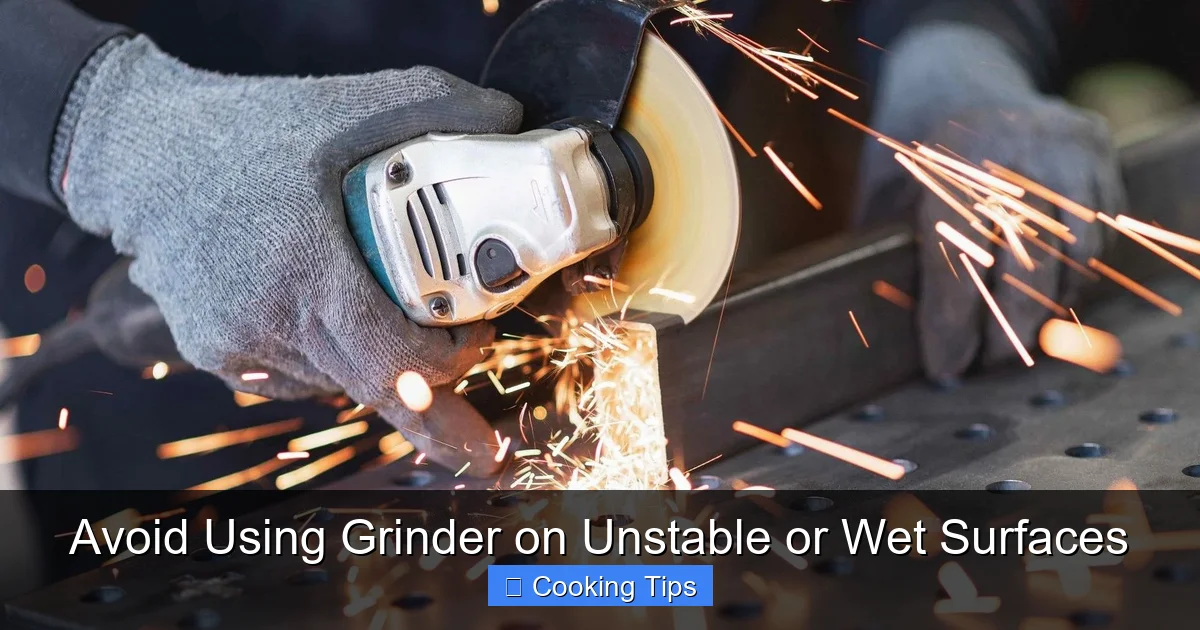
Visual guide about Avoid Using Grinder on Unstable or Wet Surfaces
Image source: cutmy.co.uk

Visual guide about Avoid Using Grinder on Unstable or Wet Surfaces
Image source: geotech.hr

Visual guide about Avoid Using Grinder on Unstable or Wet Surfaces
Image source: product-images.tcgplayer.com
I accidentally spilled some water near my grinder. Should I keep using it?
Absolutely not. If any water has come into contact with the grinder, especially near the motor or power cord, unplug it immediately. Do not use it until you are certain it is completely dry. For electric grinders, it’s best to err on the side of caution. If you suspect water has entered the motor housing, it might be advisable to have it inspected by a professional.
My grinder keeps sliding even on what I thought was a dry surface. What’s wrong?
This can happen if the surface is extremely smooth (like polished granite or stainless steel) or if the grinder’s feet are worn. Try placing a grippy silicone mat underneath. Also, check the grinder’s feet; sometimes, a bit of accumulated dust or residue can reduce their friction. Clean the feet and the surface thoroughly.
Conclusion: Prioritize Safety for Superior Results
In the fast-paced world of modern kitchens in 2026, it’s easy to overlook the fundamentals. However, the surface on which you operate your kitchen grinder is not a trivial matter. It directly impacts your safety, the longevity of your appliance, and the quality of your ingredients. By consciously choosing stable, dry surfaces and taking a few simple preparatory steps, you are not just preventing potential accidents; you are also setting yourself up for a more enjoyable and efficient cooking experience.
Remember, a secure foundation leads to a smoother operation, better results, and peace of mind. Treat your kitchen grinder with the respect it deserves by providing it with a safe working environment. Happy grinding!
