

Food burns on high heat because surface sugars and proteins char faster than heat disperses.
I have cooked professionally and at home for years, so I know why food burns on high heat and how to stop it. This article explains the science behind burning, shows common causes, and gives hands-on tips you can use tonight. Expect clear steps, real-life examples from my kitchen, and simple fixes to keep your food from charring while still getting great sear and flavor.

Why food burns on high heat: the simple science
High heat speeds chemical reactions. When you apply high heat, surface sugars, proteins, and starches change fast. The Maillard reaction browns and tastes great at medium-high heat but turns to carbon and bitter smoke at too-high heat. Oil also reaches a smoke point and breaks down. Burnt bits form where heat is higher than the food's ability to absorb it.
Heat moves by conduction from pan to food. Thin foods heat through quickly and can burn on the outside before the center cooks. Moisture loss raises surface temperature, which makes sugars and proteins burn sooner. That is why understanding heat, time, and moisture stops burning.
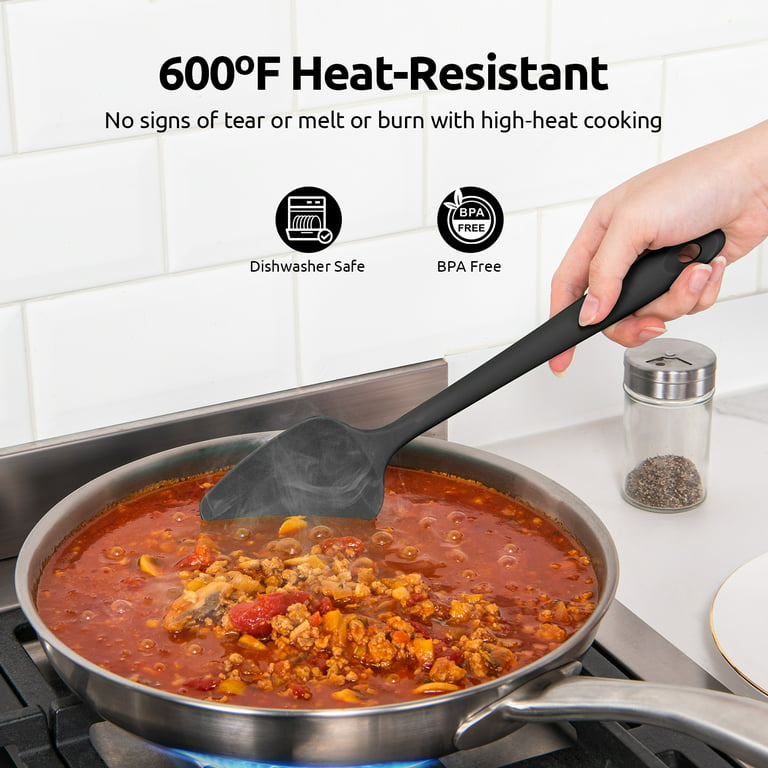
Key factors that cause food to burn on high heat
- Temperature control — Cooking at higher-than-needed temperature makes food burn fast.
- Pan hot spots — Uneven heat in the pan causes local burning.
- Oil smoke point — Oils that hit their smoke point break down and burn food.
- Sugar content — Sugary marinades and sauces caramelize then burn quickly.
- Thin cuts and small pieces — These cook very fast and can char on high heat.
- Crowding the pan — Crowding reduces moisture evaporation control and creates uneven heat.
- Lack of fat or moisture — Dry surfaces reach burning point sooner.
- Cooking time — Even very hot pans need short contact times to avoid burning.
Why food burns on high heat often comes down to one or more of these factors acting together. Fixing one factor usually prevents the problem.

Common foods that burn quickly on high heat and why
- Garlic and fresh herbs — Small size and sugar make them burn in seconds.
- Thin fish fillets — Thin flesh cooks fast and the outside chars sooner.
- Eggs — Whites coagulate and then brown fast if heat is too high.
- Sugar-based sauces and glazes — Sugar carmelizes and then turns to black carbon.
- Leafy greens — Thin leaves lose water and burn quickly on hot pans.
- Thin-cut meats — Edges and thin parts overcook while centers remain rare.
I learned to add garlic late in cooking. That cut down on burnt bits in my stir-fries. This shows how timing matters when you cook at high heat.
Practical techniques to prevent burning on high heat
- Control heat rather than guessing. Start at medium-high, then adjust.
- Preheat pan properly but not excessively. A good test is a drop of water that dances.
- Use oils with a high smoke point when cooking hot, like refined avocado or grapeseed.
- Add aromatics later. Add garlic and herbs near the end of cooking.
- Use room-temperature food for even cooking of big pieces. Cold center skews heat balance.
- Thin items benefit from very short, high-heat contact, then move to lower heat.
- Keep a little moisture or fat in the pan to slow surface temp rise.
- Stir, flip, or move food often to avoid hot spots and burning.
- Deglaze with stock, wine, or water to lift browned bits and stop burning.
- Use a thermometer to avoid overcooking with guesswork.
My tip: when searing a steak, hit it with high heat for a short time, then finish in the oven. This gives a sear without burning the outside while the inside cooks.

Best cookware and tools for high-heat cooking
- Cast iron — Holds heat and gives an even sear, but needs oil and attention to avoid burning.
- Stainless steel — Great for browning; use enough fat and preheat correctly.
- Nonstick — Safer for low-to-medium heat and delicate foods; avoid very high heat.
- Heavy-bottom pans — Reduce hot spots and lower the chance food will burn.
- Kitchen thermometer — Know the food’s internal temp; avoid overcooking.
- Splatter guard and lid — Control heat and moisture to prevent burning and splatter.
I switched to a thicker pan after many burnt stir-fries. The extra mass cut down on sudden temperature spikes and saved many dinners.
Troubleshooting and salvage tips when food burns on high heat
- Stop cooking immediately and move food off the heat. This stops charring.
- Remove burnt pieces promptly to avoid bitter flavor transfer.
- Add liquid to the pan and scrape gently to lift brown bits if you want a sauce.
- For slightly burnt flavors, mask them with acidity like lemon or vinegar.
- If a dish is very burnt, it’s kinder to start over; some burnt flavors cannot be fixed.
I once saved a sauce by deglazing with stock and adding butter and lemon. The burnt edge came off and the sauce was rescued.
Personal lessons and mistakes to avoid
- Mistake: heating a dry pan too long. Lesson: preheat briefly and add oil before food.
- Mistake: adding garlic too early. Lesson: add it later or use whole cloves.
- Mistake: using low smoke point oil. Lesson: pick the right oil for high heat.
- Mistake: crowding the pan to rush dinner. Lesson: cook in batches for even heat and no burning.
These lessons come from burnt dinners and rescued meals. They are simple fixes that work.
Frequently Asked Questions of why food burns on high heat
Why does food burn so quickly on high heat?
Food burns quickly because the surface heats and dries out fast. Surface sugars and proteins react rapidly, creating char and bitter compounds.
Can I use high heat without burning food?
Yes. Use quick contact times, proper oil, and heavy pans. Control time and move food off heat when needed.
Does the pan material affect burning?
Yes. Thin pans get hot in spots and burn food. Heavy pans like cast iron or thick stainless steel spread heat more evenly.
Why does garlic burn faster than onions?
Garlic has more exposed sugars and smaller pieces, so it browns and then burns faster than chunky onions.
How does moisture prevent burning on high heat?
Moisture keeps surface temperature near boiling until it evaporates. This delays sugar and protein from reaching burning temperatures.
Conclusion
High heat gives great flavor when you manage time, oil, and cookware. Understanding why food burns on high heat helps you use heat confidently and avoid charred meals. Try a small change tonight: lower your pan temp slightly, add aromatics later, or pick a better oil. Share your results, ask a question, or subscribe for more practical kitchen tips to cook with less burn and more joy.
