

Induction cooking temperature guide: match cooktop levels to precise temperatures for reliable results.
I’ve worked with induction cooktops for years and tested dozens of recipes across different brands. This induction cooking temperature guide breaks down how induction heat works, how to read cooktop settings, and which temperatures suit common dishes. Read on for clear, tested advice, practical charts, and tips you can use the next time you cook.
How induction cooktops control temperature
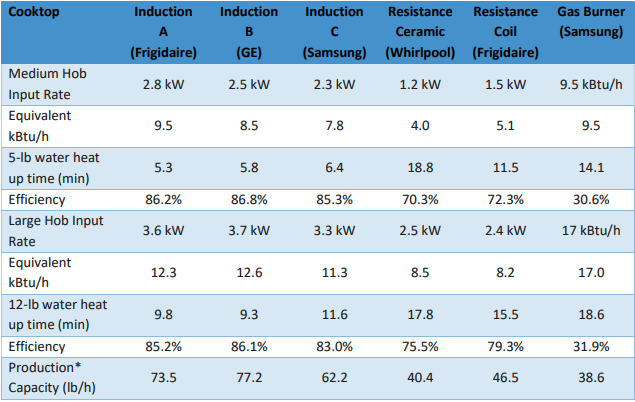
Induction cooktops heat cookware directly with magnetic fields. The cooktop itself stays relatively cool because the energy goes into the pan. This makes temperature control fast and efficient.
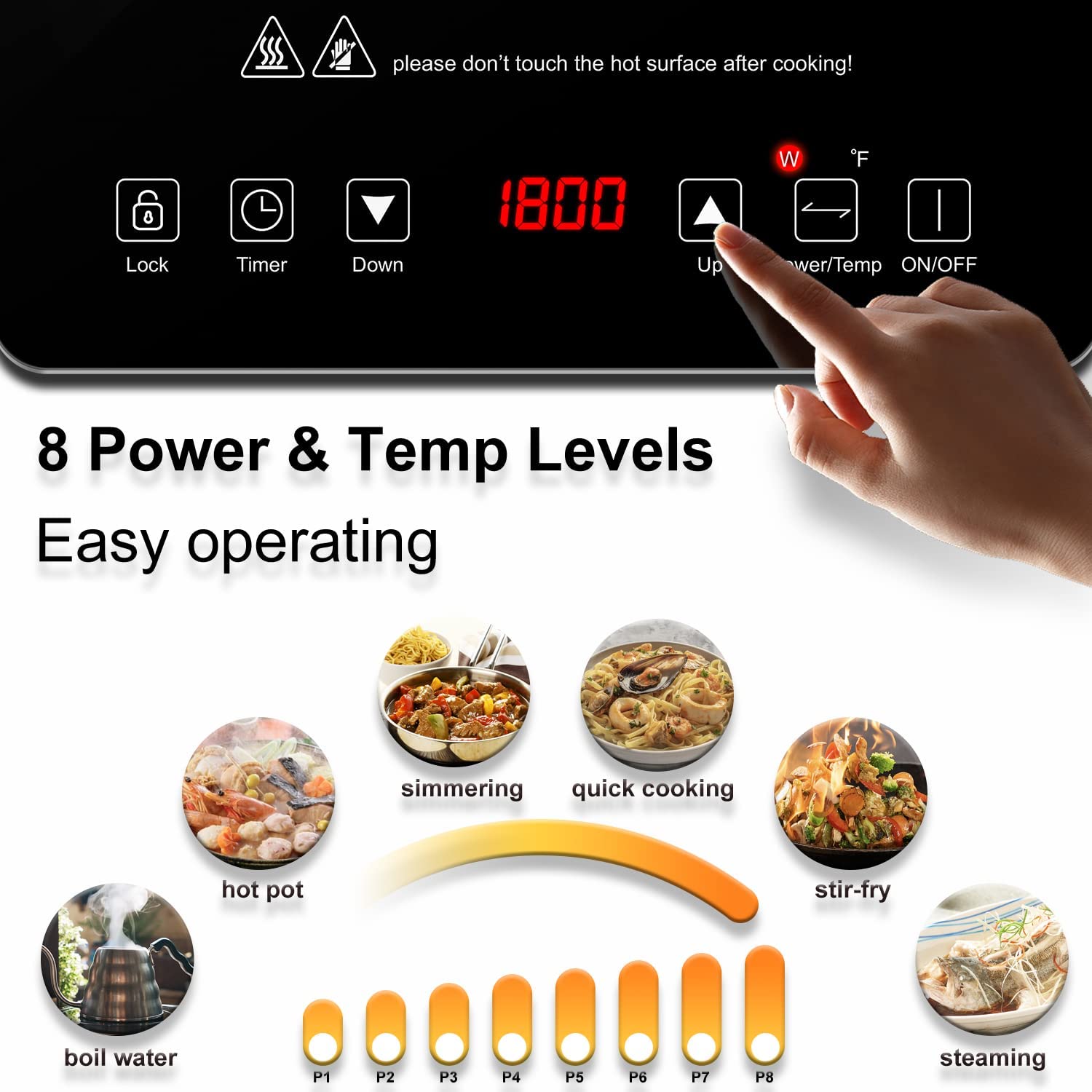
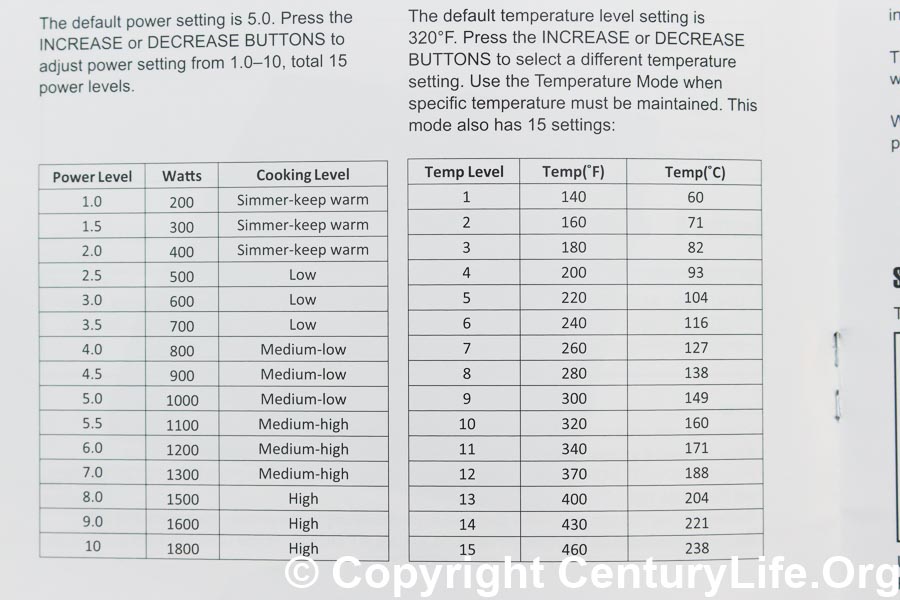
Induction panels use power levels or precise temperature sensors on higher-end models. Low settings produce a gentle simmer, and high settings reach rapid boil quickly. Knowing how your model maps levels to actual temperatures is key, so this induction cooking temperature guide helps you translate settings into real heat ranges.
Temperature equivalents: induction settings to actual temperatures
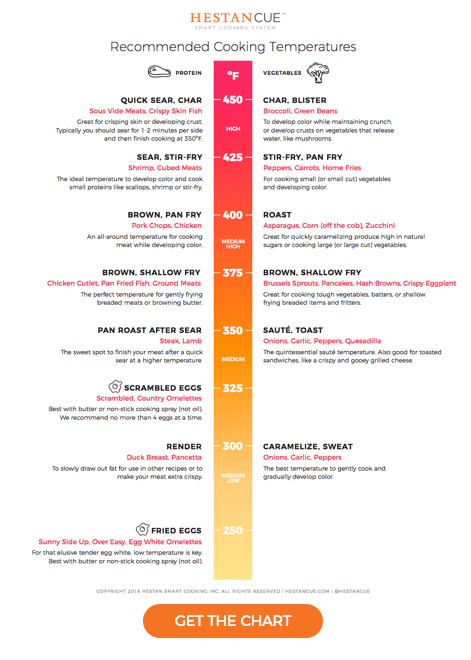
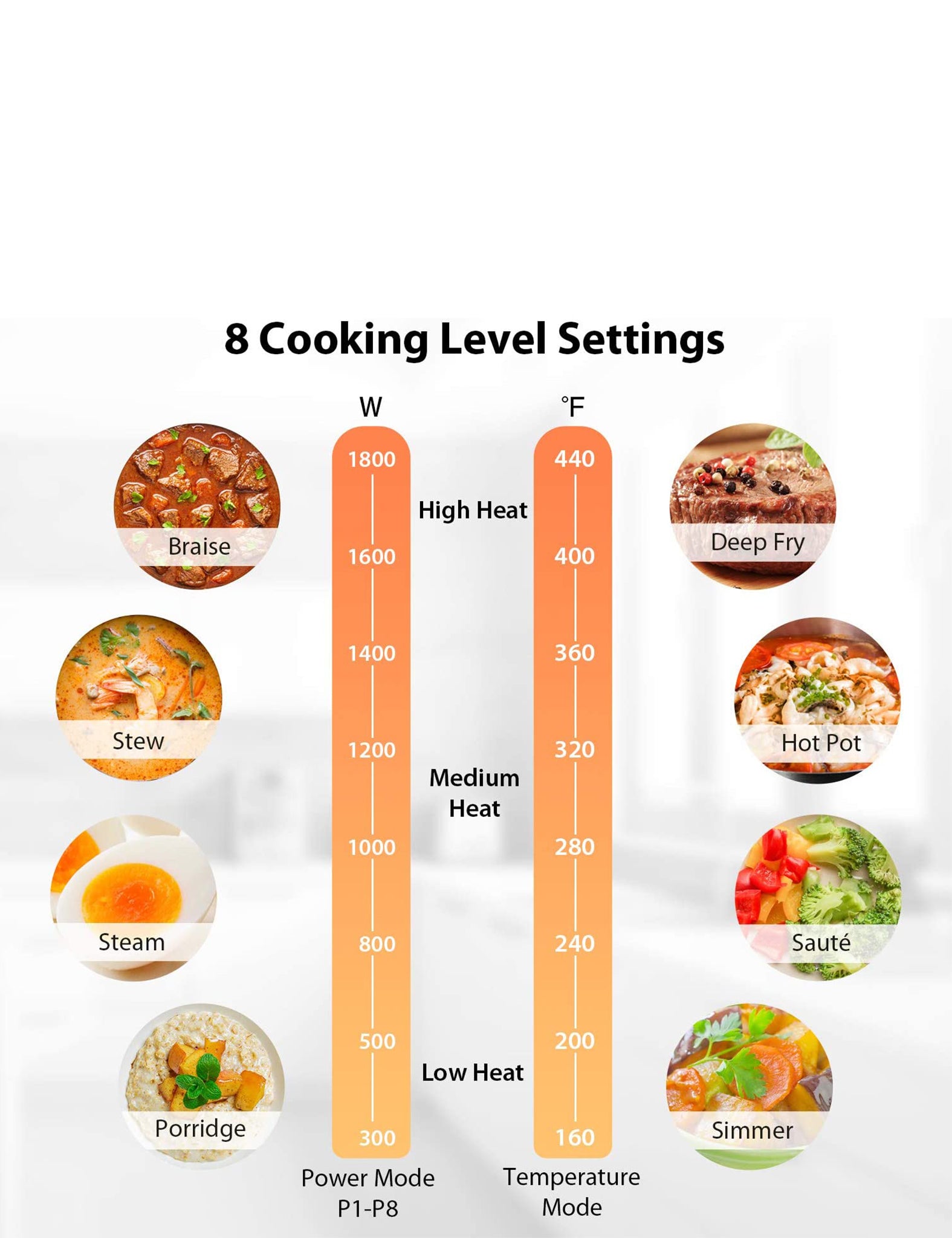
Most induction units use numeric power levels or simple low/medium/high labels. Below is a general conversion you can use as a starting point. Always test with your own cookware and thermometer.
- Power level 1 to 2: 120°F to 175°F (49°C to 79°C) — very low, gentle warm and slow melting.
- Power level 3 to 4: 175°F to 225°F (79°C to 107°C) — low simmer, slow sauces, chocolate melting.
- Power level 5 to 6: 225°F to 275°F (107°C to 135°C) — medium-low, gentle simmer, rice.
- Power level 7 to 8: 275°F to 325°F (135°C to 163°C) — medium, sauté, eggs.
- Power level 9 to 10: 325°F to 400°F (163°C to 204°C) — medium-high, sear, stir-fry.
- Boost/High: 400°F to 500°F+ (204°C to 260°C+) — rapid boil, quick sear.
Use this induction cooking temperature guide as a baseline. Many cooktops list temperature modes; cross-check with an infrared thermometer for accuracy.
Practical cooking techniques and recommended temperatures
Below are common tasks with target temperatures and practical tips from real kitchen testing.
- Soft melting and tempering chocolate: 90°F to 110°F (32°C to 43°C). Use low power and a wide pan. Stir often to avoid hot spots.
- Poaching eggs: 160°F to 180°F (71°C to 82°C). Keep water below a simmer; use power level 3–4.
- Simmering soups and stews: 190°F to 205°F (88°C to 96°C). Use power level 4–6 depending on pot size.
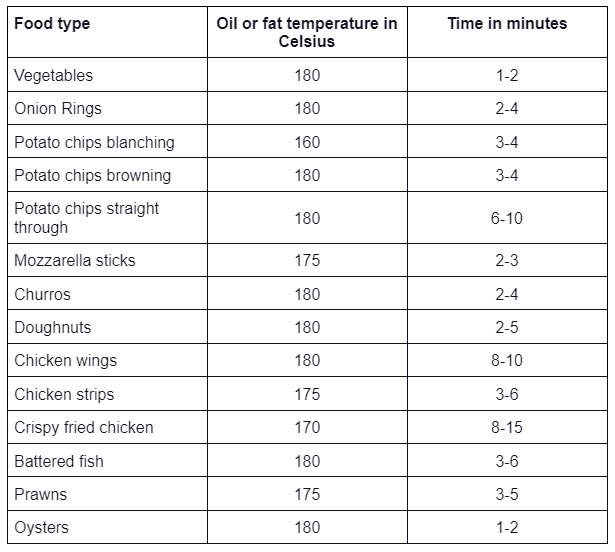
- Pan-searing steak: 400°F to 500°F (204°C to 260°C). Preheat pan on high for a minute, then add oil and steak. Use heavy-bottom cookware for even sear.
- Stir-fry: 375°F to 450°F (190°C to 232°C). High heat and quick movement; use a flat-bottomed heavy pan for stable contact.
- Boiling water: 212°F (100°C). Induction reaches boil faster; watch for boil-over.
This induction cooking temperature guide helps you choose the right level for each job. I learned early on to lower power as the pan thickness changes; thin pans heat faster and need gentler settings.
Cookware and its effect on temperature control
Cookware quality changes how the cooktop feels and performs. Induction needs ferrous material. Heavy, flat-bottom pans distribute heat evenly and keep temperature steady.
- Use stainless-steel with a magnetic base or cast iron for best stability.
- Thin aluminum with magnetic layer heats quickly but may create hot spots.
- Ceramic and non-magnetic cookware won’t work unless they have an induction plate.
From my tests, a good stainless-clad pan narrows the gap between displayed setting and actual temperature. This induction cooking temperature guide emphasizes matching cookware to cooking style for consistent results.
Tips, common mistakes, and troubleshooting
Small habits make a big difference when following an induction cooking temperature guide.
- Tip: Preheat on medium-high briefly, then drop to working temperature for steady cooking. This prevents overshoot.
- Mistake: Relying only on numbers. Different brands assign power levels differently. Use a thermometer at first for calibration.
- Troubleshooting: If food cooks unevenly, check pan flatness and contact with the cooktop. Replace warped pans.
- Tip: Use a silicone or wooden spatula for delicate finishes to protect pans and the cooktop surface.
- Mistake: Expect identical behavior across burners. Front and rear elements or bridge elements may differ in output.
I once scorched a sauce because I left the cooker on the same high level after reducing the pan size. Lesson learned: always reduce power when you change cookware or reduce volume.

How to calibrate your induction cooktop at home
A quick calibration step helps you map power levels to temperatures for your kitchen.
- Fill a wide pot with a known amount of water.
- Use an accurate kitchen thermometer or infrared probe.
- Start from low and slowly increase power, noting temperatures at each level.
- Record results in a simple table for future reference.
This simple calibration makes this induction cooking temperature guide personal and reliable. Keep a small chart on the fridge for go-to recipes.
Energy efficiency and safety considerations
Induction is efficient because energy goes into the pan. That reduces wasted heat and speeds up cooking. Safety is improved because the cooktop stays cooler and often includes automatic shut-offs.
- Efficiency: Faster boil times lower energy use.
- Safety: Auto-pan detection prevents heat without proper cookware.
- Cautions: Use caution with pacemakers and certain medical devices; consult manufacturer guidance.
In my experience, using lids and matching pan size to the element further improves efficiency and consistency.

Frequently Asked Questions of induction cooking temperature guide
What is the best power level for simmering on induction?
Use low to medium-low settings, about power level 3 to 4, to maintain a gentle simmer without boiling over.
Can I get a proper sear on induction?
Yes. Use a heavy pan and high power (levels 9–10 or boost) to reach 400°F to 500°F for a good sear.
How do I know the actual temperature from my induction setting?
Calibrate with a kitchen thermometer. Test water or oil at different power levels and record temperatures for your cooktop and pans.
Does cookware type affect temperature accuracy?
Yes. Heavy, flat-bottomed ferrous cookware gives the most accurate and even temperatures on induction surfaces.
Is induction faster than gas or electric for boiling?
Generally yes. Induction heats cookware directly and brings water to a boil faster than gas or conventional electric elements.
Will induction damage my pots or pans?
No, not when used correctly. Avoid sliding heavy pans across the glass surface and use the proper power for the pan size to prevent warping.
Conclusion
This induction cooking temperature guide gives you a clear path from theory to kitchen practice. You now know how induction heats, how to map power levels to real temperatures, and which settings work for common cooking tasks. Take one small step: calibrate your own cooktop with a thermometer and a pot of water. That quick chart will save you time and improve results. Try it, tweak it, and share what works in the comments — or subscribe for more hands-on cooktop tips.
