

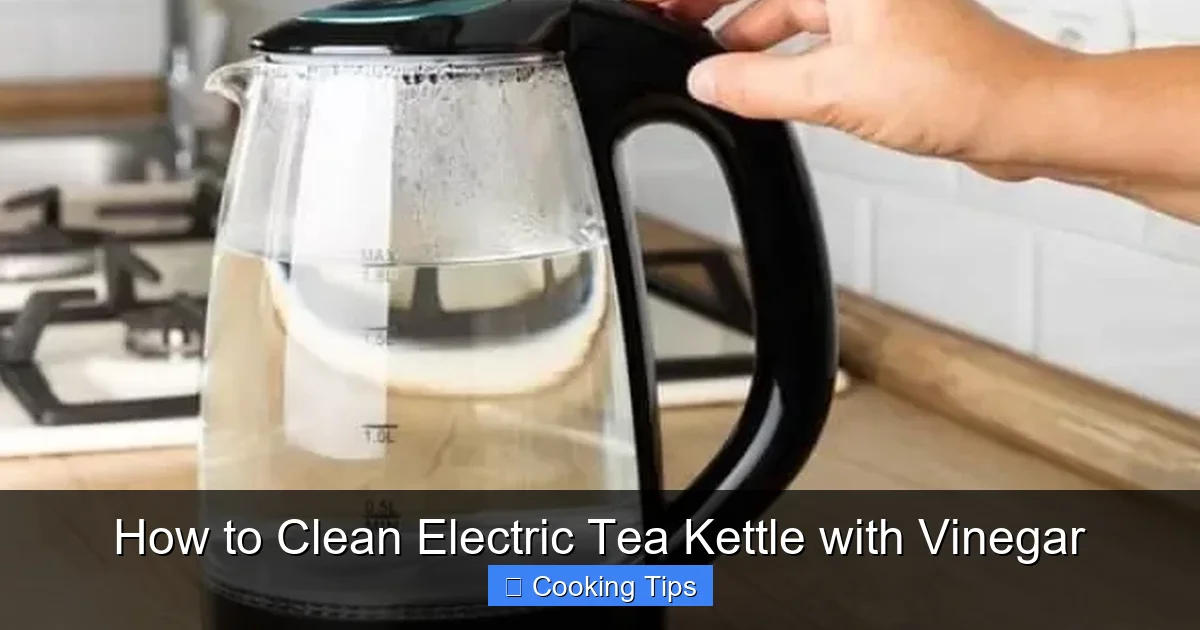
This guide provides a comprehensive, step-by-step method for cleaning your electric tea kettle using common household vinegar. You’ll learn how to safely remove stubborn limescale and mineral deposits, ensuring your kettle functions optimally and your water tastes fresh. Following these simple steps will help prolong the life of your appliance and maintain its aesthetic appeal.
Key Takeaways
- Vinegar is a natural descaler: Its acidic properties effectively break down mineral deposits like limescale.
- Safety first: Always ensure the kettle is unplugged and cool before cleaning.
- Simple ratios work best: A 1:1 ratio of white vinegar to water is generally sufficient for most cleaning needs.
- Patience is key: Allowing the vinegar solution to sit can significantly improve its cleaning power.
- Rinse thoroughly: Multiple rinses are essential to remove any residual vinegar smell or taste.
- Regular cleaning prevents buildup: Frequent descaling makes future cleaning easier and more effective.
How to Clean Electric Tea Kettle with Vinegar
Welcome to your ultimate guide on how to clean an electric tea kettle with vinegar! If you’ve noticed a white, chalky residue inside your kettle, or if your water just doesn’t taste as pure as it used to, it’s likely time for a good descaling. Mineral deposits, often called limescale, are a common problem, especially in areas with hard water. These deposits can not only make your kettle look unsightly but can also affect its heating efficiency and the taste of your beverages.
The good news is that you don’t need harsh chemicals or expensive cleaning products to tackle this issue. White vinegar, a staple in most kitchens, is a fantastic and natural descaler. Its acetic acid works wonders in dissolving these stubborn mineral buildups. In this guide, we’ll walk you through the entire process, from gathering your supplies to enjoying a sparkling clean kettle. Let’s get your electric tea kettle back in top shape!
Why Use Vinegar to Clean Your Electric Tea Kettle?
Before we dive into the “how,” let’s quickly touch on the “why.” Vinegar is a budget-friendly, readily available, and environmentally friendly cleaning agent. Its natural acidity is potent enough to break down the calcium and magnesium deposits that form limescale. Unlike harsh chemical descalers, vinegar is food-safe and leaves no harmful residues, provided you rinse thoroughly. Regular cleaning with vinegar can also help prevent these deposits from becoming too thick, which can otherwise reduce the kettle’s energy efficiency and lifespan.
What You’ll Need
Gathering your supplies beforehand makes the process smooth and efficient. For this cleaning task, you’ll need:
- White vinegar (standard distilled white vinegar is perfect)
- Water
- A soft cloth or sponge
- Dish soap (optional, for exterior cleaning)
Step-by-Step Guide to Cleaning Your Electric Tea Kettle with Vinegar
Follow these simple steps to achieve a spotless electric tea kettle:
Step 1: Ensure Safety First – Unplug and Cool Down
Your safety is paramount. Before you do anything else, make sure your electric tea kettle is unplugged from the power outlet. It’s also crucial that the kettle has cooled down completely. Cleaning a hot kettle can be dangerous, and the vinegar solution will be more effective on a cool surface.
Step 2: Prepare the Vinegar Solution
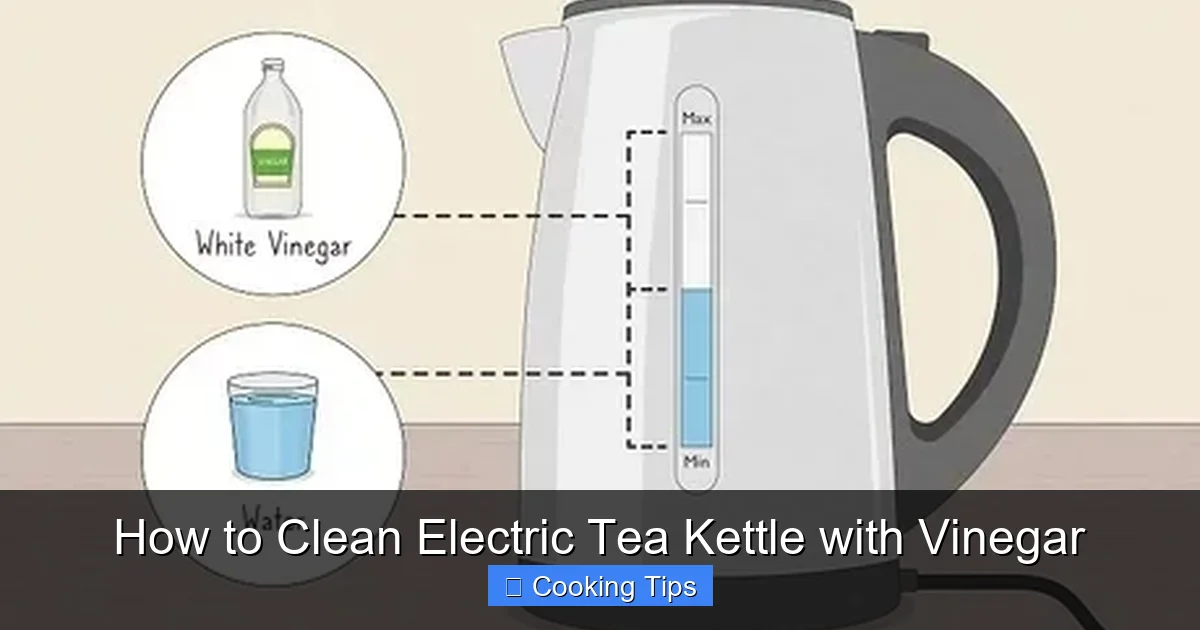
This is where the magic happens! The most common and effective ratio for descaling with vinegar is a 1:1 mixture of white vinegar and water.
Measure Your Ingredients
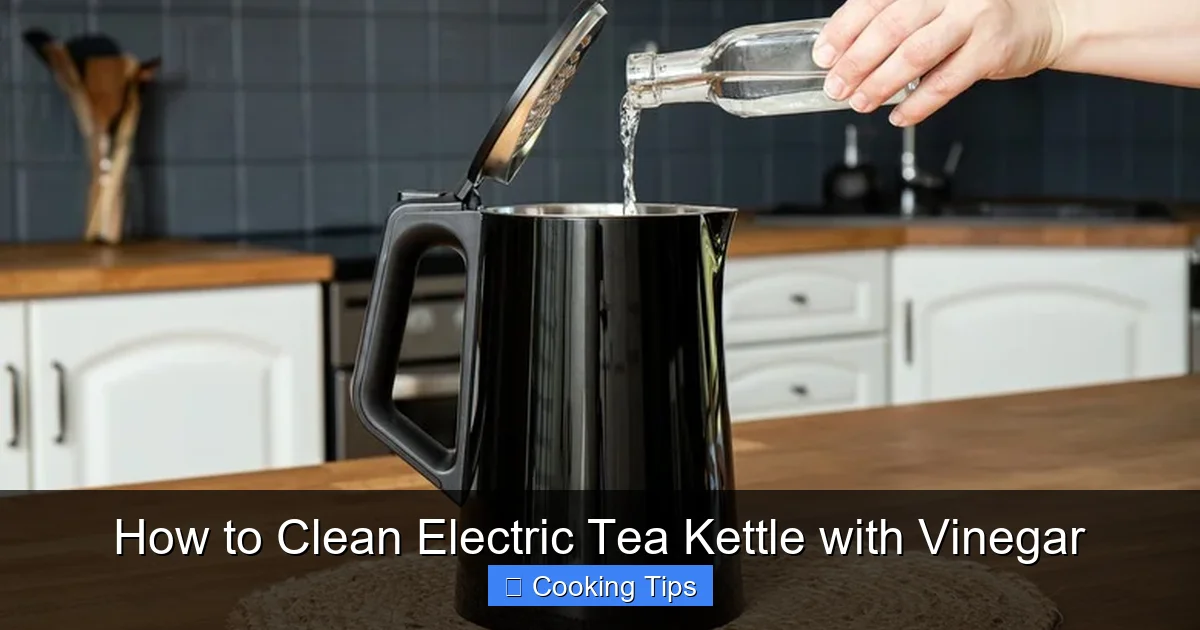
For a standard-sized electric tea kettle (typically 1 to 1.7 liters), you’ll want to fill the kettle about halfway with your vinegar-water solution. For example, if your kettle has a 1.5-liter capacity, you might use 750ml of white vinegar and 750ml of water.
Visual guide about How to Clean Electric Tea Kettle with Vinegar
Image source: foodie.com
Visual guide about How to Clean Electric Tea Kettle with Vinegar
Image source: irrorwxhiqijjr5q.ldycdn.com
Adjust for Severity of Buildup
If your kettle has particularly stubborn limescale, you can increase the proportion of vinegar slightly, perhaps to a 2:1 ratio of vinegar to water. However, for regular maintenance, the 1:1 ratio is usually sufficient.
Step 3: Let the Vinegar Solution Work its Magic
Once you’ve filled the kettle with the vinegar-water solution, it’s time to let it sit and work.
Add the Solution to the Kettle
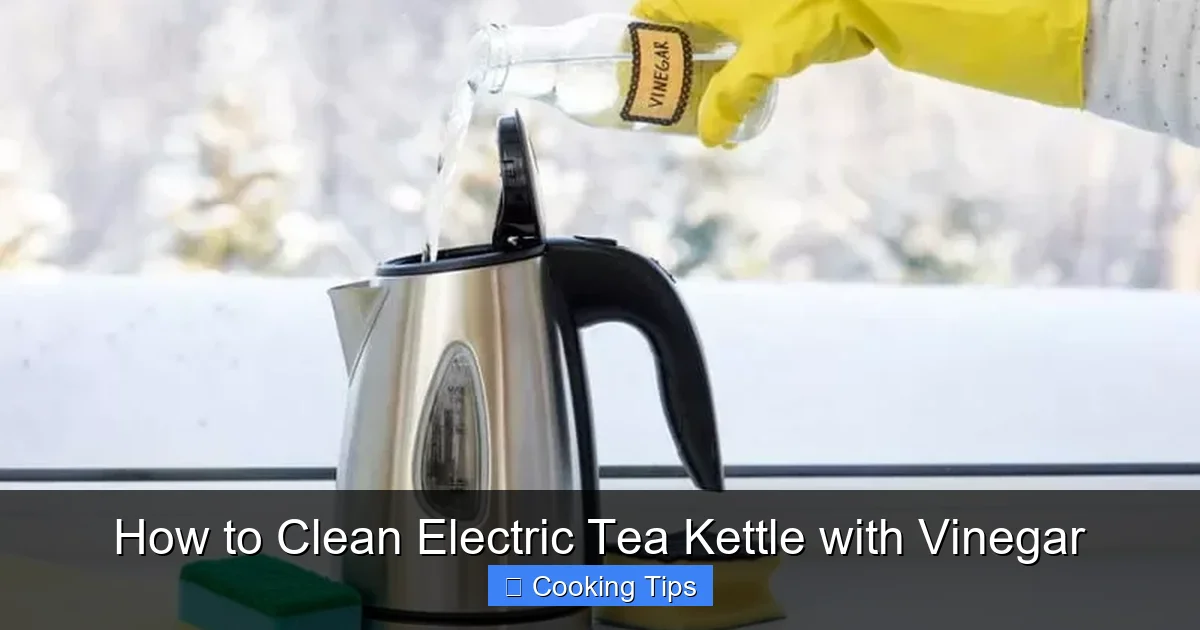
Carefully pour the prepared vinegar and water mixture into your electric tea kettle. Ensure the solution covers all the areas with visible mineral deposits. Do not fill the kettle beyond its maximum fill line.
Visual guide about How to Clean Electric Tea Kettle with Vinegar
Image source: wikihow.com
Allow it to Soak
This is a critical step for effective descaling. Turn on the electric tea kettle and let it boil the vinegar-water solution. Once it has boiled, turn it off and let the hot solution sit inside the kettle for at least 30 minutes to an hour. For very heavy limescale, you can even leave it overnight. The heat helps the vinegar break down the mineral deposits more efficiently.
Avoid Boiling the Vinegar Alone
It’s important to note that you should never boil pure vinegar without diluting it with water first. Boiling pure vinegar can create strong, unpleasant fumes and potentially damage the heating element or interior of your kettle.
Step 4: Empty and Scrub (if necessary)
After the soaking period, it’s time to remove the loosened mineral deposits.
Carefully Pour Out the Solution
Pour the vinegar-water solution from the kettle down the drain. You should already see a significant reduction in limescale.
Gentle Scrubbing
Use a soft cloth or sponge to gently wipe the inside of the kettle. For most light to moderate buildup, the deposits should wipe away easily. If you encounter any remaining stubborn spots, you can use the soft side of a sponge or a non-abrasive cleaning pad. Avoid using steel wool or abrasive scrubbers, as these can scratch the interior of your kettle.
Handle with Care
Be mindful of the heating element at the bottom of the kettle. While it’s usually quite durable, gentle cleaning is always best.
Step 5: Rinse, Rinse, and Rinse Again!
This is arguably the most important step after the descaling itself. You want to ensure no trace of vinegar remains, both for taste and for the longevity of your kettle.
Initial Rinse
Fill the kettle with fresh, clean water and bring it to a boil. Once boiled, discard the water. This initial rinse helps to wash away any remaining loosened debris and some of the vinegar smell.
Repeat Rinsing
You will likely need to repeat this boiling and discarding process at least two to three more times. Fill with fresh water, boil, and discard. Continue until you can no longer detect any vinegar smell or taste when boiling water.
Taste Test (Carefully)
After several rinses, you can boil a small amount of plain water and carefully taste it. If there’s still a hint of vinegar, perform another rinse. The goal is perfectly neutral-tasting water.
Step 6: Clean the Exterior
While you’re focused on the interior, don’t forget the outside of your electric tea kettle.
Wipe Down the Exterior
Use a damp cloth to wipe down the exterior of the kettle. For tougher grime or fingerprints, you can use a small amount of mild dish soap on your damp cloth, followed by a clean, damp cloth to remove any soap residue.
Dry Thoroughly
Ensure the exterior is completely dry to prevent water spots or potential corrosion, especially if your kettle has stainless steel components.
Troubleshooting Common Issues
* Stubborn Limescale Remains: If, after following these steps, you still have some stubborn limescale, you can try a more concentrated vinegar solution (like 2 parts vinegar to 1 part water) or leave the solution to soak for a longer period, perhaps even overnight. You might also need to repeat the entire process.
* Persistent Vinegar Smell/Taste: This usually means the rinsing wasn’t thorough enough. Continue boiling fresh water and discarding it until the smell/taste is completely gone. Some users find that boiling a kettle full of just plain water once more after all the vinegar rinses can help neutralize any lingering odors.
* Kettle Still Not Heating Efficiently: While vinegar cleaning helps with limescale buildup that hinders heating, if the problem persists, it might indicate an issue with the heating element itself or an internal electrical problem. In such cases, consult your kettle’s manual or consider professional repair or replacement.
How Often Should You Clean Your Electric Tea Kettle?
The frequency of cleaning depends on how often you use your kettle and the hardness of your water.
- Regular Use (Daily): If you use your kettle daily, especially in an area with hard water, it’s a good idea to descale it every 1 to 2 months.
- Occasional Use: If you only use your kettle a few times a week, you might be able to get away with cleaning it every 3 to 4 months, or whenever you notice visible signs of limescale.
- Visible Buildup: The best indicator is your own observation. If you see white, chalky deposits forming, it’s time for a clean, regardless of the calendar.
Regular, preventative cleaning will make each descaling session much easier and quicker.
Conclusion
Cleaning your electric tea kettle with vinegar is a simple, effective, and budget-friendly way to keep it in excellent working order. By following these steps, you’ll not only remove unsightly mineral deposits but also ensure that every cup of tea or coffee you make tastes its best. A clean kettle heats more efficiently, saving energy and prolonging the life of your appliance. So, next time you notice that tell-tale white film, reach for the vinegar – your kettle (and your taste buds) will thank you! Enjoy your pure, clean water and your delicious hot beverages.
