

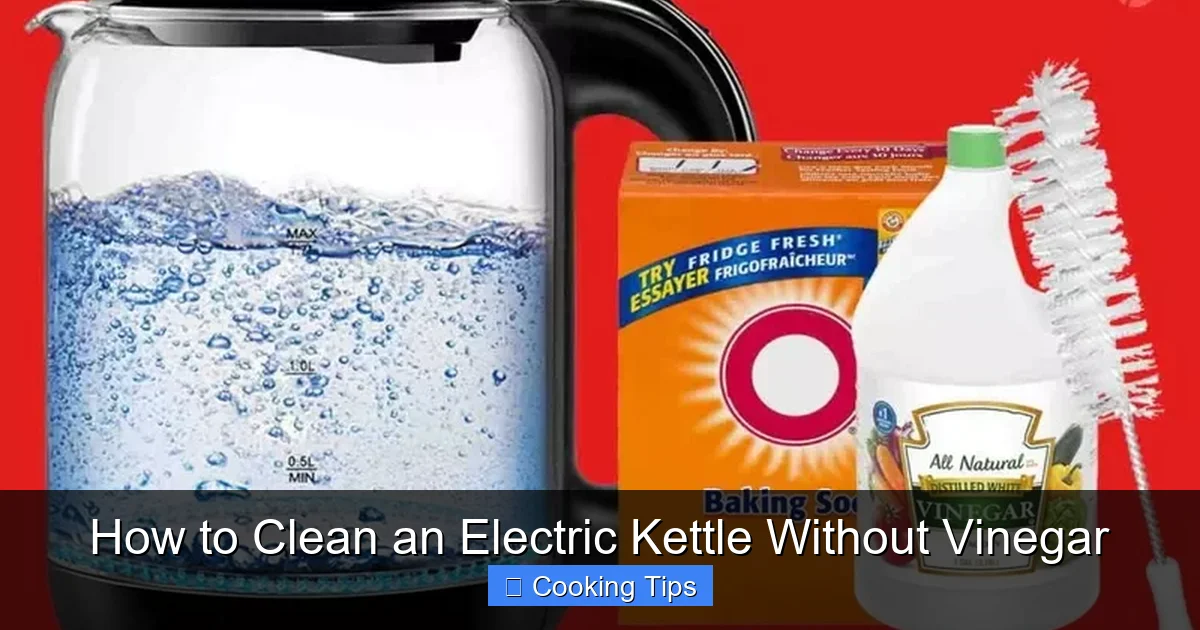
Tired of the strong smell of vinegar when cleaning your electric kettle? This guide offers effective, vinegar-free alternatives for tackling limescale and grime. Learn how to use common household items to restore your kettle’s shine and ensure your beverages taste their best. Keep your electric kettle pristine with these simple and safe cleaning methods.
How to Clean an Electric Kettle Without Vinegar
As much as we love our electric kettles for their speed and convenience, they can quickly become victims of limescale buildup. Those unsightly white, chalky deposits aren’t just unattractive; they can also affect the taste of your beloved tea and coffee and even reduce the efficiency of your appliance. While vinegar is a popular go-to for descaling, its potent smell isn’t for everyone. Fortunately, there are several effective and easy ways to clean your electric kettle without resorting to vinegar. In this guide, we’ll walk you through these methods, helping you maintain a sparkling clean kettle that brews perfect beverages every time.
- Utilize Baking Soda for Gentle Scrubbing: Baking soda acts as a mild abrasive and deodorizer, effectively removing minor stains and mineral deposits.
- Lemon Juice as a Natural Descaler: The citric acid in lemon juice is excellent for breaking down limescale without the harshness of vinegar.
- Citric Acid Powder for Stubborn Limescale: For tougher build-up, pure citric acid powder provides a potent, yet safe, descaling solution.
- Dish Soap for Exterior Cleaning: A simple solution of dish soap and water is ideal for cleaning the outside of your electric kettle, leaving it gleaming.
- Regular Maintenance Prevents Buildup: Consistently rinsing and wiping down your kettle prevents significant limescale accumulation.
- Always Unplug and Cool Down: Safety first! Ensure your kettle is unplugged and completely cool before starting any cleaning process.
Why Clean Your Electric Kettle?
Before we dive into the cleaning methods, let’s quickly touch on why it’s important to keep your electric kettle clean.
Over time, minerals present in tap water, primarily calcium and magnesium, accumulate inside your kettle. This mineral deposit is known as limescale. When you boil water, these minerals are left behind, forming a hard, white crust on the heating element and the interior walls of the kettle. This limescale buildup can:
- Affect the taste of your drinks: Limescale can impart a chalky or metallic taste to your tea, coffee, or other hot beverages.
- Reduce heating efficiency: A thick layer of limescale acts as an insulator, meaning your kettle has to work harder and longer to boil water, consuming more energy.
- Shorten the lifespan of your kettle: Persistent limescale can damage the heating element and other internal components, leading to premature failure.
- Cause unsightly appearance: Let’s face it, a kettle covered in white gunk isn’t pleasant to look at.
Cleaning your electric kettle regularly ensures optimal performance, better-tasting drinks, and a longer lifespan for your appliance.
Safety First: Preparation is Key
No matter which cleaning method you choose, always start with safety.
- Unplug the kettle: Ensure the kettle is disconnected from the power outlet. This is crucial to prevent any electrical hazards.
- Let it cool down: If you’ve recently used the kettle, allow it to cool down completely. Cleaning a hot kettle can lead to burns.
- Empty the kettle: Discard any remaining water.
- Gather your supplies: Have your chosen cleaning agent and cleaning tools ready before you begin.
Method 1: The Power of Baking Soda
Baking soda is a fantastic, natural cleaner that’s readily available in most kitchens. It’s a mild abrasive that can help scrub away mineral deposits and also acts as a deodorizer.
Step-by-Step Baking Soda Cleaning
- Prepare the solution: Add 1 to 2 tablespoons of baking soda to your electric kettle.
- Add water: Fill the kettle about halfway or two-thirds full with fresh water.
- Boil and steep: Close the lid and boil the water as you normally would.
- Let it sit: Once the water has boiled, turn off the kettle and let the baking soda solution sit inside for at least 30 minutes to an hour. For tougher limescale, you can let it sit for a few hours or even overnight.
- Empty and scrub: Pour out the baking soda solution. You should see that some of the limescale has loosened. Use a soft sponge or a non-abrasive cloth to gently scrub away any remaining deposits. You can also use a soft brush, like an old toothbrush, to get into corners.
- Rinse thoroughly: Fill the kettle with fresh water and boil it. Discard this water. Repeat this rinsing process at least twice to ensure all baking soda residue is removed.
- Final wipe: Wipe the inside of the kettle with a clean, damp cloth and then dry it.
Tip: If you have stubborn spots, you can make a paste of baking soda and water, apply it directly to the spot, let it sit for 15-20 minutes, then scrub and rinse.
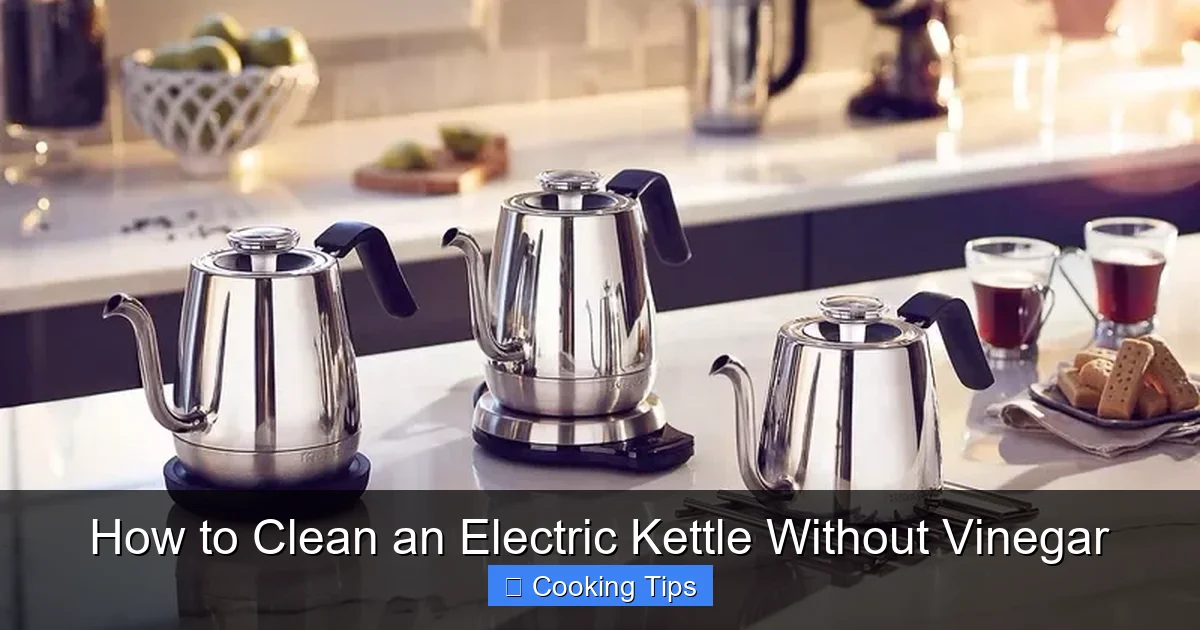
Visual guide about How to Clean an Electric Kettle Without Vinegar
Image source: irrorwxhiqijjr5q.ldycdn.com
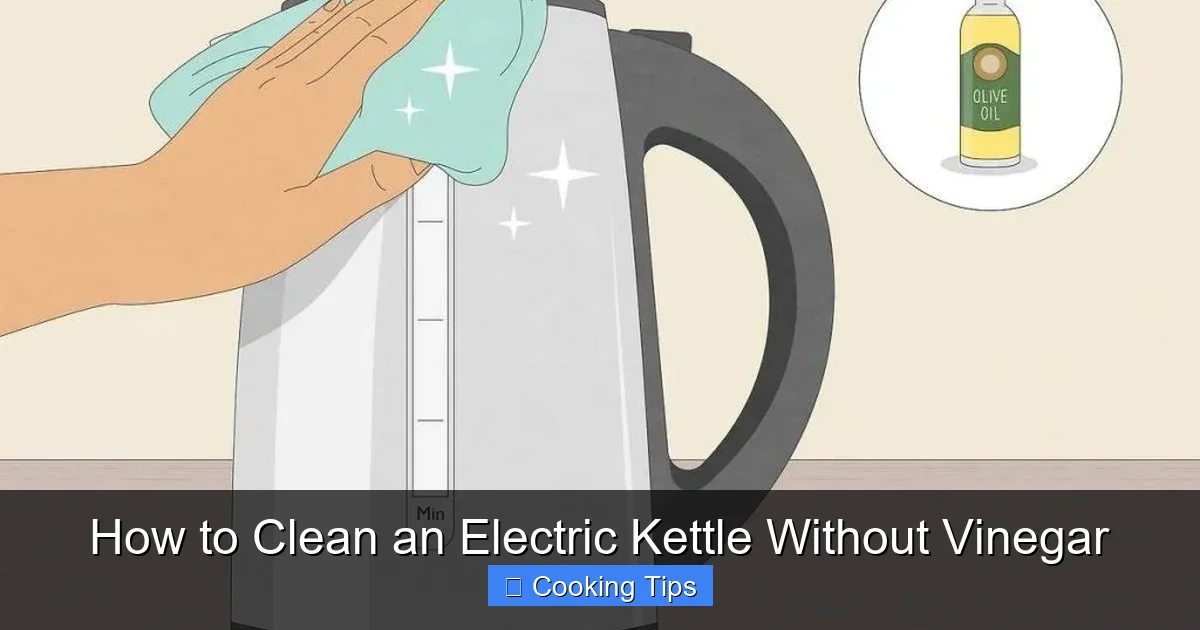
Visual guide about How to Clean an Electric Kettle Without Vinegar
Image source: kitchenadvising.com
Method 2: The Zesty Clean of Lemon Juice
Lemon juice is another excellent natural descaler, thanks to its citric acid content. It’s effective at breaking down limescale and leaves your kettle smelling fresh and clean.
Step-by-Step Lemon Juice Cleaning
- Prepare the lemon mixture: Squeeze the juice of one to two fresh lemons into the kettle. Alternatively, you can use about 1/2 cup of bottled lemon juice.
- Add water: Fill the kettle about halfway or two-thirds full with fresh water.
- Boil and steep: Close the lid and bring the water to a boil.
- Let it sit: Once boiling, turn off the kettle and let the lemon solution sit in the kettle for at least 30 minutes to an hour. For significant limescale, letting it sit for a couple of hours can be more effective.
- Empty and wipe: Pour out the lemon water. Use a soft sponge or cloth to wipe away any loosened limescale. The acidity of the lemon should have made it easier to remove.
- Rinse well: Fill the kettle with fresh water and boil it. Discard this water. Repeat the rinsing process a couple of times to remove any residual lemon flavor.
- Dry: Wipe the inside dry with a clean cloth.
Tip: For an extra boost, you can add the lemon rinds to the kettle along with the lemon juice and water before boiling.
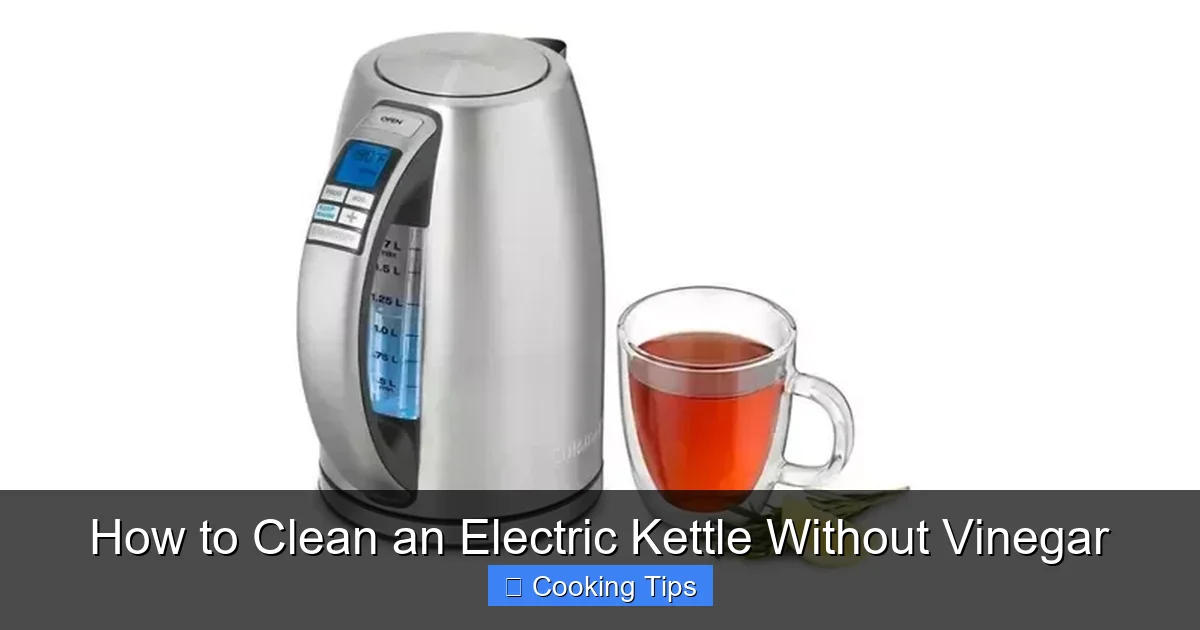
Visual guide about How to Clean an Electric Kettle Without Vinegar
Image source: irrorwxhiqijjr5q.ldycdn.com
Method 3: Citric Acid Powder – The Powerful Descaler
If you have particularly stubborn limescale, citric acid powder is a highly effective and readily available option that doesn’t involve vinegar. You can often find citric acid powder in the baking aisle of supermarkets or in health food stores.
Step-by-Step Citric Acid Cleaning
- Prepare the solution: Add 1 to 2 tablespoons of citric acid powder to your kettle.
- Add water: Fill the kettle about halfway with cold water.
- Boil and steep: Close the lid and bring the water to a boil.
- Let it sit: Once boiled, turn off the kettle and let the citric acid solution sit for at least 15-30 minutes. You should start to see the limescale breaking down. For very heavy buildup, you might need to let it sit longer, up to an hour.
- Empty and scrub: Pour out the citric acid solution. Use a soft cloth or sponge to wipe away any loosened limescale. You might need to gently scrub some areas.
- Rinse thoroughly: Fill the kettle with fresh water and boil it. Discard this water. Repeat the boiling and discarding process at least two or three times to ensure all traces of citric acid are gone.
- Final dry: Wipe the inside of your kettle dry with a clean cloth.
Important Note: Citric acid is more potent than lemon juice. Always follow the rinsing instructions carefully to avoid any lingering taste.
Cleaning the Exterior of Your Electric Kettle
While the interior is prone to limescale, the exterior can accumulate dust, water spots, and general grime.
Step-by-Step Exterior Cleaning
- Ensure it’s unplugged and cool: As always, safety first.
- Prepare a cleaning solution: Mix a few drops of mild dish soap with warm water in a bowl.
- Wipe down: Dip a soft cloth into the soapy water, wring it out well so it’s damp, not dripping. Wipe down the exterior of the kettle, paying attention to any smudges or marks.
- For stubborn marks: For tougher stains, you can use a soft brush (like an old toothbrush) dipped in the soapy water.
- Rinse the cloth: Rinse your cleaning cloth thoroughly with clean water and wring it out.
- Wipe away soap residue: Wipe down the kettle again with the damp, clean cloth to remove any soap residue.
- Dry and polish: Use a dry, soft cloth to buff the exterior and restore its shine. Avoid getting water into any electrical outlets or vents on the base of the kettle.
Never immerse the base of an electric kettle in water. The base contains electrical components and should only be wiped down with a damp cloth.
Troubleshooting Common Kettle Cleaning Issues
* Persistent Limescale: If one cleaning cycle doesn’t remove all the limescale, don’t despair! You can repeat the chosen vinegar-free method. For heavily scaled kettles, using citric acid powder is usually the most effective option.
* Unpleasant Odors: If your kettle retains an odor after cleaning, it might be due to lingering residue. Thorough rinsing is key. Boiling with just plain water a few extra times can help. Leaving a few drops of vanilla extract in the kettle with water and boiling it can also help neutralize odors (followed by a good rinse).
* Scratches on the Interior: Always use soft cloths, sponges, or non-abrasive brushes to clean the inside of your kettle to avoid scratching the interior surface.
How Often Should You Clean Your Electric Kettle?
The frequency of cleaning depends on the hardness of your water and how often you use the kettle.
- Hard water areas: If you live in an area with hard water, you might need to clean your kettle as often as once a month.
- Soft water areas: In areas with soft water, cleaning every 2-3 months might be sufficient.
- Visual inspection: The best indicator is to check your kettle regularly. If you start to see visible limescale buildup, it’s time for a clean.
Consistent, regular cleaning is much easier than tackling a heavily scaled kettle.
Conclusion
Keeping your electric kettle clean is essential for enjoying pure-tasting beverages and ensuring the longevity of your appliance. While vinegar is a popular choice, the methods outlined above – using baking soda, lemon juice, or citric acid powder – provide effective and pleasant-smelling alternatives. By following these simple steps, you can easily remove limescale and keep your kettle looking and functioning at its best. Remember to prioritize safety by unplugging and cooling your kettle before cleaning, and you’ll be enjoying perfectly brewed drinks in no time!
