

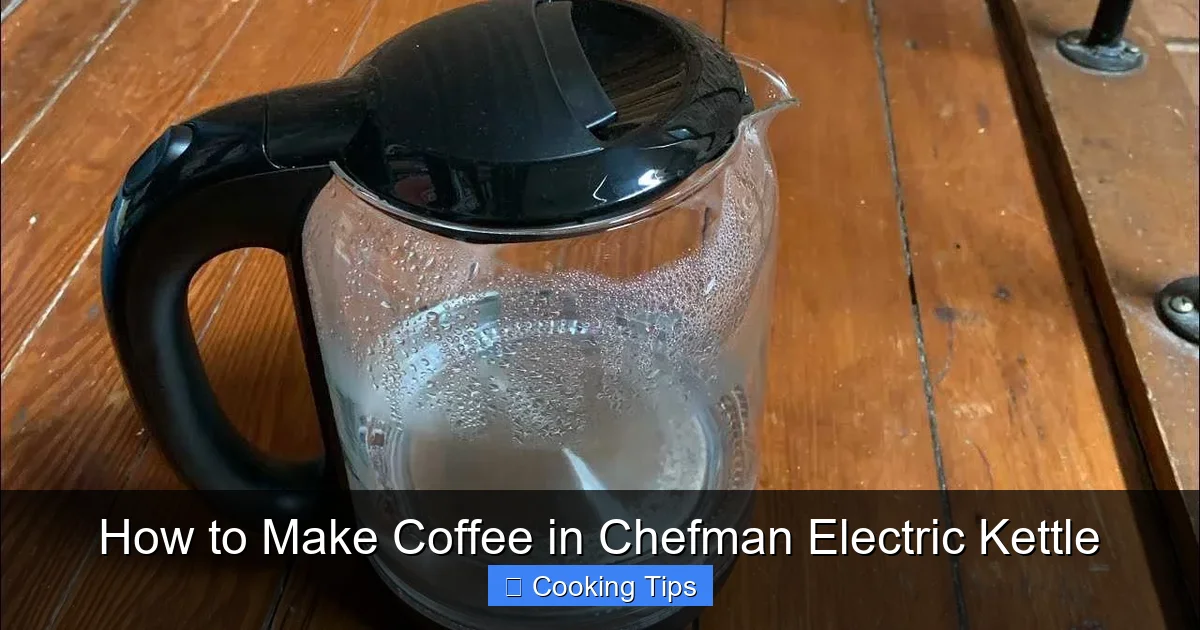
Learn to brew delicious coffee using your Chefman electric kettle with this comprehensive guide. We’ll walk you through each step, from heating water to the final pour, ensuring you get a perfect cup every time. Discover practical tips and troubleshooting advice for a flawless coffee experience. Elevate your morning routine with expertly brewed coffee made effortlessly.
How to Make Coffee in Chefman Electric Kettle
Welcome to the ultimate guide on brewing fantastic coffee using your trusty Chefman electric kettle! In today’s fast-paced world, a delicious cup of coffee is often the perfect start to our day or a welcome midday pick-me-up. While many associate electric kettles with simply boiling water for tea, they are incredibly versatile tools that can elevate your coffee-making game. Forget complicated machines; with just a few simple steps and your Chefman electric kettle, you can brew barista-quality coffee right in your own kitchen.
This guide will walk you through everything you need to know. We’ll cover the essential equipment, the step-by-step process of heating water to the perfect temperature, and how to adapt this process for various popular brewing methods like pour-over, French press, and Aeropress. We’ll also share some practical tips to ensure your coffee is always rich, flavorful, and exactly to your liking. So, grab your favorite coffee beans, and let’s get brewing!
Key Takeaways
- Precise Water Temperature: Chefman electric kettles allow for accurate water heating, crucial for optimal coffee extraction and flavor.
- Simplicity and Speed: Electric kettles offer a quick and straightforward method for boiling water, significantly reducing brewing time compared to stovetop methods.
- Versatile Brewing Methods: This guide covers adapting your Chefman kettle for various coffee brewing techniques, including pour-over, French press, and Aeropress.
- Essential Equipment: Beyond the kettle, you’ll need fresh coffee beans, a grinder, and your preferred brewing device.
- Coffee-to-Water Ratio: Understanding the right balance of coffee grounds to water is key to achieving your desired taste.
- Troubleshooting Common Issues: Learn how to address potential problems like weak coffee or bitterness for a consistently great cup.
Understanding the Importance of Water Temperature
Before we dive into the brewing process, it’s vital to understand why water temperature is so critical for making great coffee. Coffee extraction is a delicate process where hot water dissolves the soluble compounds within the coffee grounds. If the water is too cold, the extraction will be incomplete, resulting in a weak, sour, or underdeveloped flavor. Conversely, if the water is too hot, it can scald the coffee grounds, leading to a bitter, burnt, or astringent taste. The ideal brewing temperature for most coffee falls between 195°F and 205°F (90.5°C and 96°C).
Your Chefman electric kettle is a fantastic asset here because many models offer precise temperature control. This feature takes the guesswork out of brewing, allowing you to set the exact temperature for optimal extraction, ensuring you consistently achieve the best possible flavor from your coffee beans.
Essential Equipment for Brewing
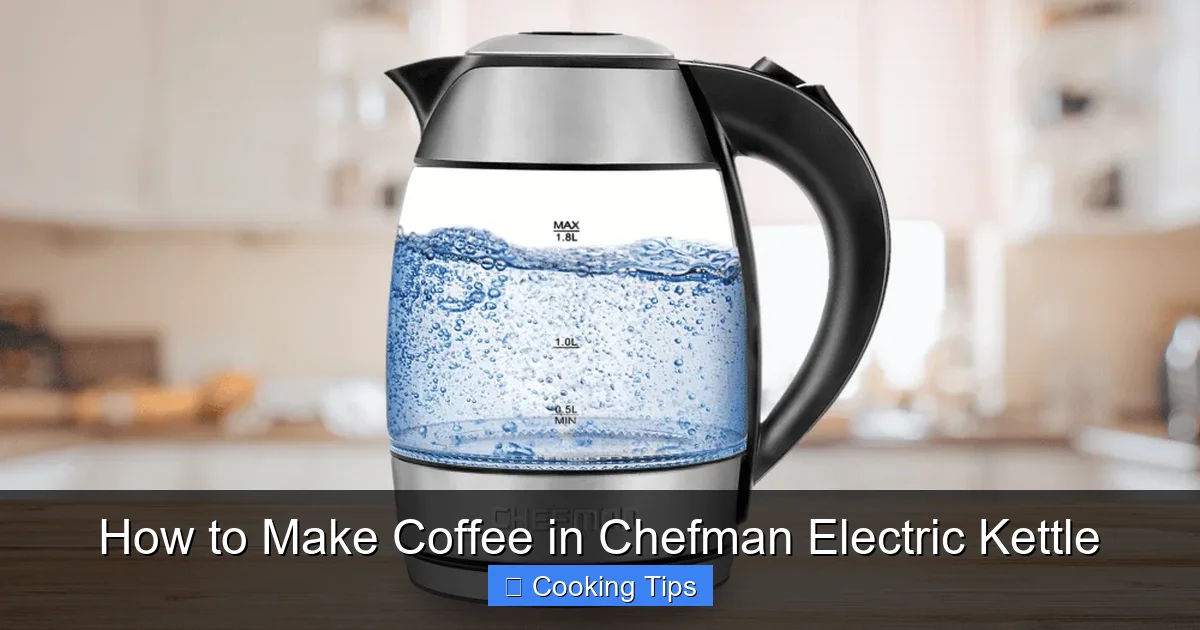
To make coffee using your Chefman electric kettle, you’ll need a few key items:
Visual guide about How to Make Coffee in Chefman Electric Kettle
Image source: missvickie.com
- Chefman Electric Kettle: Your star player! Make sure it’s clean and ready to go.
- Fresh Coffee Beans: The quality of your beans directly impacts the final taste. Opt for freshly roasted beans if possible.
- Coffee Grinder: A burr grinder is recommended for a consistent grind size, which is crucial for even extraction.
- Brewing Device: This could be a pour-over cone (like a V60 or Kalita), a French press, an Aeropress, or even a simple drip coffee maker if you’re just heating water for it.
- Filtered Water: Good water makes good coffee. Use filtered water to avoid off-flavors from tap water.
- Scale: For precise measurements of coffee grounds and water, a digital kitchen scale is invaluable.
- Timer: To track your brewing time.
Step-by-Step Guide to Making Coffee
Now that you have your equipment ready, let’s get to the fun part: brewing!
Visual guide about How to Make Coffee in Chefman Electric Kettle
Image source: cdn.shouldit.com
Step 1: Prepare Your Coffee Grounds
The grind size of your coffee beans depends on your chosen brewing method. A coarser grind is generally used for French presses, while a medium-fine grind is ideal for pour-overs and Aeropress.
Visual guide about How to Make Coffee in Chefman Electric Kettle
Image source: 9meters.com
Measure Your Beans
A common starting point for the coffee-to-water ratio is 1:15 or 1:16. This means for every gram of coffee, you use 15 to 16 grams of water. For example, if you want to make 300ml (approximately 300g) of coffee, you would use about 19-20 grams of coffee beans (300g / 15.5 = 19.35g).
Grind Your Beans
Grind your coffee beans just before brewing for the freshest flavor. If you’re using a manual grinder, grind until you achieve the desired consistency for your brewing method. If you have an electric grinder, follow its instructions.
Step 2: Heat Your Water with the Chefman Electric Kettle
This is where your Chefman electric kettle shines.
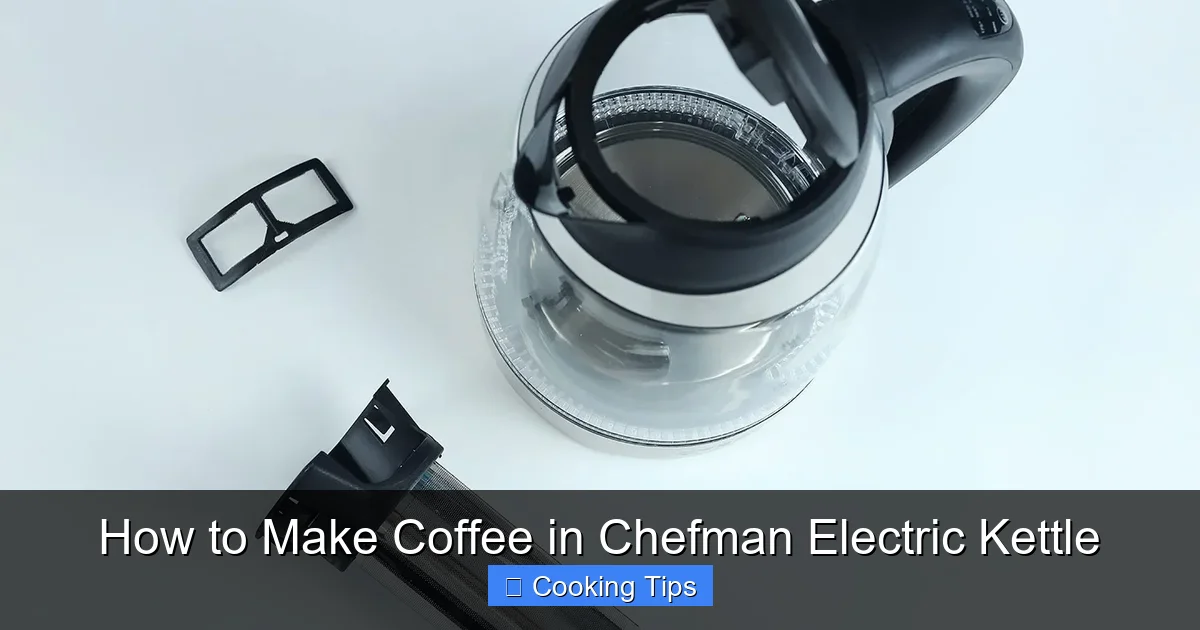
Fill the Kettle
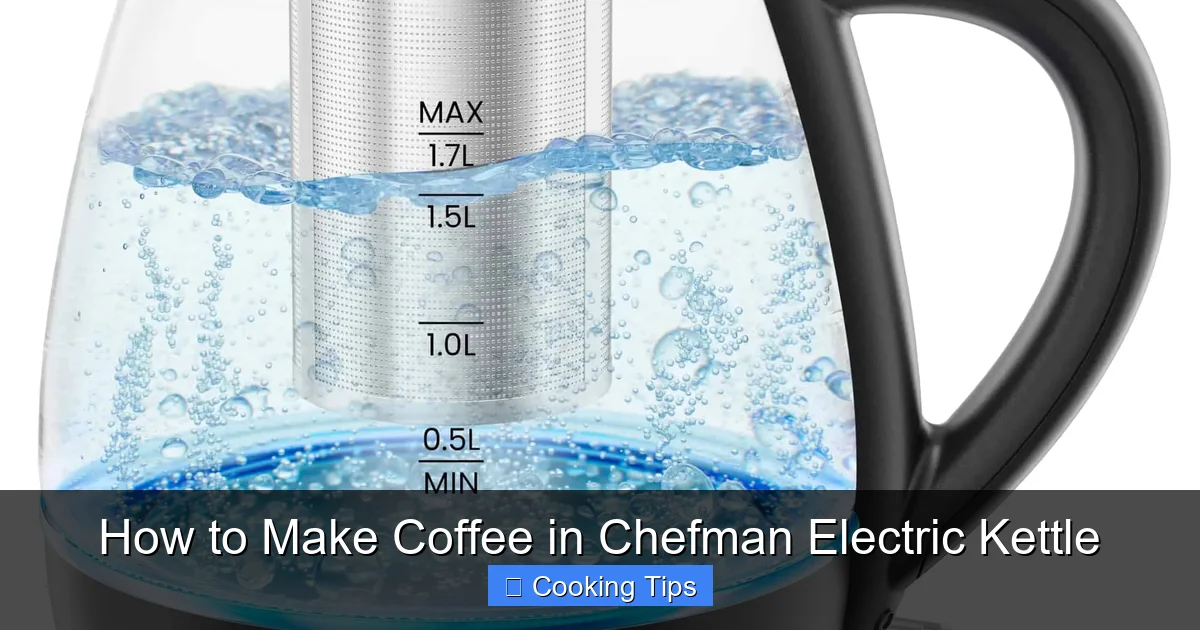
Open the lid of your Chefman electric kettle and fill it with the desired amount of filtered water. Be sure not to overfill it; check the maximum fill line indicated on your kettle.
Set the Temperature
If your Chefman kettle has temperature control settings, select the ideal temperature for your coffee. As mentioned, 195°F to 205°F (90.5°C to 96°C) is the sweet spot. If your kettle only has an on/off switch, you’ll need to monitor the temperature using a thermometer or learn to recognize when the water is at the right stage of boiling.
Tip: For kettles without precise temperature control, boil the water and then let it sit for about 30-60 seconds before pouring. This usually brings it into the ideal range.
Boil the Water
Close the lid, ensure the kettle is properly seated on its base, and press the power button. Your Chefman kettle will quickly heat the water to your selected temperature and may even keep it warm for a set period, depending on the model.
Step 3: Prepare Your Brewing Device
While your water is heating, set up your chosen brewing method.
For Pour-Over:
- Place the paper filter into your pour-over cone.
- Rinse the filter with hot water to remove any papery taste and to preheat the cone and carafe. Discard the rinse water.
- Add your ground coffee to the filter, ensuring an even bed of grounds.
For French Press:
- Add your coarsely ground coffee directly into the French press carafe.
For Aeropress:
- Assemble your Aeropress according to your preferred method (standard or inverted).
- Place the filter in the cap and rinse with hot water, then attach the cap to the chamber.
- Add your ground coffee to the chamber.
Step 4: The Bloom and Brewing
This is the crucial step where water meets coffee.
The Bloom (for Pour-Over and Aeropress)
Once your water is at the correct temperature, carefully pour a small amount of water over the coffee grounds, just enough to saturate them. You’ll see the grounds expand and release carbon dioxide – this is the “bloom.” Let it bloom for about 30 seconds. This step helps to release trapped gases, leading to a more even extraction.
Pouring
For Pour-Over: Begin pouring the hot water slowly and steadily in a circular motion, starting from the center and moving outwards, then back towards the center. Avoid pouring directly down the sides of the filter. Aim to keep the water level consistent, ensuring all grounds are saturated. Continue pouring until you reach your desired coffee volume.
For French Press: Gently pour the hot water over the grounds, ensuring all are saturated. Stir gently if needed. Place the lid on top, but don’t press the plunger down yet.
For Aeropress: After the bloom, continue to pour the remaining hot water into the chamber. Stir gently if recommended by your Aeropress method.
Step 5: Steeping and Pressing
The final stages of extraction.
For French Press:
Let the coffee steep for about 4 minutes. Once the steeping time is complete, slowly and steadily press the plunger all the way down. This separates the grounds from the brewed coffee.
For Aeropress:
After pouring the water, let it steep for the recommended time (usually 1-2 minutes depending on your method). Then, slowly and steadily press the plunger down. This will force the coffee through the filter.
For Pour-Over:
The water will drip through the grounds and filter naturally. Once the dripping slows to an infrequent drip, your coffee is ready.
Step 6: Serve and Enjoy
Pour your freshly brewed coffee into your favorite mug. Savor the aroma and the rich, satisfying taste. Remember, coffee is best enjoyed immediately after brewing.
Practical Tips for Better Coffee
- Use Freshly Roasted Beans: Coffee beans are at their peak flavor within a few weeks of roasting.
- Grind Right Before Brewing: Pre-ground coffee loses its flavor much faster than whole beans.
- Experiment with Ratios: Don’t be afraid to adjust the coffee-to-water ratio to find what you like best.
- Keep Your Kettle Clean: Regular cleaning prevents mineral buildup and ensures pure-tasting water.
- Preheat Your Mug: A preheated mug will keep your coffee warmer for longer.
- Water Quality Matters: If your tap water has a strong taste, use filtered or bottled water.
Troubleshooting Common Coffee Issues
Even with the best equipment, you might occasionally encounter less-than-perfect coffee. Here are some common problems and how to fix them:
Coffee is too weak or sour:
Cause: Under-extraction. This can be due to water that was too cool, grind size that was too coarse, or not enough coffee grounds.
Solution: Ensure your water is at the correct temperature (195°F-205°F). Try a finer grind size, or increase the amount of coffee grounds slightly.
Coffee is too bitter or astringent:
Cause: Over-extraction. This can be due to water that was too hot, grind size that was too fine, or brewing for too long.
Solution: Lower your water temperature slightly. Try a coarser grind size, or reduce your brewing time.
Coffee tastes “off” or unpleasant:
Cause: Stale beans, poor water quality, or a dirty kettle/brewing equipment.
Solution: Use fresh beans, filtered water, and ensure all your coffee-making tools are thoroughly cleaned.
Conclusion
Making delicious coffee with your Chefman electric kettle is remarkably simple and rewarding. By understanding the importance of water temperature, using fresh ingredients, and following these straightforward steps, you can consistently brew a cup of coffee that rivals your favorite cafe. Your Chefman electric kettle isn’t just for boiling water; it’s a gateway to a superior coffee experience. Experiment, adjust, and most importantly, enjoy the journey of perfecting your brew. Happy brewing!
