

Do air fryers use a lot of electricity? This guide breaks down their energy consumption for 2026. While they typically use less electricity than a full-sized oven for most tasks, understanding their wattage and usage patterns is key. Discover how to maximize efficiency and save on your energy bills by following practical tips and comparing their energy use to other kitchen appliances.
Do Air Fryers Use a Lot of Electricity? Your 2026 Guide
In 2026, as we continue to embrace smarter, more efficient kitchen gadgets, the air fryer has cemented its place as a must-have appliance. Its promise of crispy, delicious food with less oil is incredibly appealing. But a common question that pops up is: “Do air fryers use a lot of electricity?” Many people worry about a sudden spike in their energy bills. This guide is here to demystify air fryer energy consumption.
We’ll explore how much electricity these popular appliances actually use, how they stack up against your traditional oven and microwave, and most importantly, how you can use your air fryer in the most energy-efficient way possible. By the end of this guide, you’ll feel confident about incorporating your air fryer into your cooking routine without undue concern about your electricity usage.
Key Takeaways
- Air Fryers vs. Ovens: Air fryers generally use less electricity than conventional ovens for smaller portions or quicker cooking tasks due to their smaller size and faster preheating times.
- Wattage Matters: The primary factor determining an air fryer’s electricity usage is its wattage. Higher wattage appliances consume more power when in use.
- Cooking Time and Temperature: Shorter cooking times and lower temperatures naturally result in less electricity consumption. Air fryers excel at these.
- Portion Size is Key: For small to medium portions, air fryers are often more energy-efficient than heating up a large oven. For large batches, an oven might be comparable or even more efficient per serving.
- Efficient Usage Habits: To minimize electricity use, preheat only when necessary, avoid overfilling the basket, and consider batch cooking.
- Other Appliances: Compared to microwaves, air fryers generally use more electricity per minute. However, their superior cooking results for many foods make them a worthwhile trade-off for many users.
- Energy Efficiency in 2026: While technology advances, the fundamental principles of wattage and cooking time remain the core determinants of air fryer electricity usage.
Understanding Air Fryer Electricity Consumption
The primary factor that dictates how much electricity an air fryer uses is its wattage. Wattage is a measure of power. The higher the wattage, the more electricity an appliance consumes when it’s running.
What is Wattage?
Most air fryers on the market in 2026 range from about 1,000 watts to 1,800 watts. Some larger, more powerful models might go a bit higher. To put this into perspective, a standard toaster oven might be around 1,200 to 1,500 watts, while a large conventional oven can have a total wattage of 3,000 watts or more, though not all elements are active simultaneously.
How Wattage Affects Your Bill
Electricity is typically billed in kilowatt-hours (kWh). One kilowatt-hour is equal to using 1,000 watts of power for one hour. So, if your air fryer is rated at 1,500 watts and you use it for 30 minutes (0.5 hours), you’ll use 1.5 kW * 0.5 h = 0.75 kWh.
The cost of electricity varies by region and your utility provider. To calculate the exact cost, you’ll need to know your per-kWh rate. For example, if your rate is $0.15 per kWh, then running your 1,500-watt air fryer for 30 minutes would cost $0.75 kWh * $0.15/kWh = $0.1125, or about 11 cents.
Air Fryer vs. Other Kitchen Appliances
To truly understand if air fryers use a lot of electricity, it’s best to compare them to the appliances you might use for similar cooking tasks.

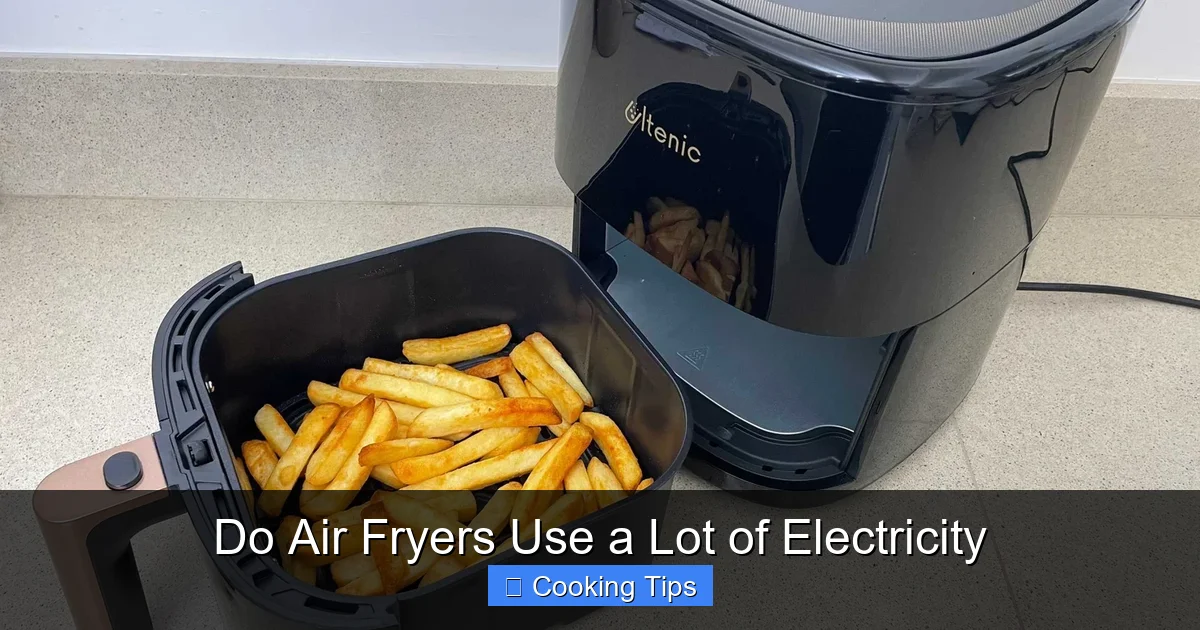
Visual guide about Do Air Fryers Use a Lot of Electricity
Image source: recipethis.com
Air Fryer vs. Conventional Oven
This is where air fryers often shine in terms of energy efficiency. Here’s why:
- Size: Ovens are designed to heat a much larger space. Even when cooking a small portion, you’re heating the entire oven cavity. Air fryers have a much smaller internal chamber.
- Preheating: Ovens take a significant amount of time to reach their set temperature, and during this preheating phase, they’re drawing a lot of power. Air fryers, due to their size and often more powerful heating elements relative to their volume, preheat much faster. Some recipes don’t even require preheating for air fryers.
- Cooking Time: The circulating hot air in an air fryer cooks food more quickly than in a conventional oven for many items, especially smaller ones. Shorter cooking times mean less overall electricity used.
Practical Example: Cooking a few chicken tenders. A conventional oven might take 10-15 minutes to preheat and then 20-25 minutes to cook. Total time: 30-40 minutes. An air fryer might take 2-3 minutes to preheat (or no preheat needed) and 15-20 minutes to cook. Total time: 17-23 minutes. In this scenario, the air fryer is clearly more energy-efficient.
However, for large batches of food that would fill an entire oven rack or more, a conventional oven might become more comparable or even slightly more efficient per item cooked because you’re utilizing its full capacity. But for everyday cooking of smaller meals, the air fryer is generally the winner.
Air Fryer vs. Microwave
This comparison is a bit different. Microwaves are extremely energy-efficient for reheating and cooking certain foods quickly. They use a different technology (magnetrons) to heat food.
- Energy Usage Per Minute: A microwave typically uses less electricity per minute of operation than an air fryer. For instance, a microwave might be 800-1200 watts, while an air fryer is 1000-1800 watts.
- Cooking Results: The trade-off is the cooking result. Microwaves are not ideal for achieving crispy textures. Air fryers excel at creating that desirable crispiness.
When to Choose Which: For reheating leftovers or cooking something like a baked potato quickly, a microwave is your energy-saving champion. For making fries, chicken wings, or anything that needs a crispy exterior, the air fryer is superior, even if it uses a bit more power per minute.
Maximizing Air Fryer Energy Efficiency
Now that we understand the basics, let’s get into the practical tips for using your air fryer without breaking the bank on electricity.

Visual guide about Do Air Fryers Use a Lot of Electricity
Image source: airfryerparts.com
1. Preheat Wisely
While many air fryer recipes call for preheating, it’s not always essential, especially for smaller items or when you’re cooking from frozen.
- When to Preheat: Preheating is most beneficial when you need a consistent, high temperature from the moment the food enters the basket, like for searing or achieving maximum crispiness on raw items.
- When to Skip: For items that cook quickly or from frozen (like frozen fries or nuggets), you can often place them directly into a cold air fryer and let it heat up with the food. This saves precious minutes of electricity use.
2. Don’t Overfill the Basket
This is crucial for both cooking results and energy efficiency.
- Even Cooking: When you overcrowd the air fryer basket, the hot air cannot circulate properly around the food. This leads to uneven cooking, with some parts being burnt while others remain undercooked.
- Longer Cooking Times: To compensate for poor circulation, you’ll likely need to cook the food for longer. This directly translates to more electricity consumption.
- Batch Cooking: If you’re cooking for a larger group, it’s more energy-efficient to cook in batches, ensuring each batch cooks properly in a reasonable amount of time, rather than trying to cram everything in and extending the total cooking duration.
3. Choose the Right Size Air Fryer for Your Needs
In 2026, air fryers come in various sizes, from compact 2-quart models perfect for singles or couples to large 6-quart or even dual-basket models for families.
- Smaller is Better for Small Portions: If you’re typically cooking for one or two people, a smaller air fryer will heat up faster and use less electricity per cooking cycle than a larger model.
- Consider Your Household Size: If you regularly cook for a family of four or more, a smaller air fryer might lead to excessive batch cooking, potentially negating its energy efficiency benefits. In such cases, a larger capacity air fryer or even a combination oven/air fryer might be a better fit.
4. Clean Your Air Fryer Regularly
This might seem unrelated to electricity usage, but a clean air fryer performs better.
- Optimal Airflow: Food debris can clog vents and hinder proper airflow, requiring the appliance to work harder and longer to cook your food.
- Efficient Heating: A buildup of grease and food particles on the heating element could potentially affect its efficiency over time.
5. Use Accessories Wisely
Many air fryers come with racks, skewers, or baking pans. These can be useful for cooking certain foods, but be mindful of how they affect cooking.
- Don’t Block Airflow: Ensure any accessories you use don’t block the essential airflow within the basket.
- Consider If Necessary: For many simple air-fried foods, the basket itself is all you need. Adding extra racks might slightly increase the air fryer’s internal volume that needs to be heated.
Troubleshooting: High Electricity Bills with Air Fryer Use?
If you’ve implemented these tips and are still concerned about your electricity bill, here are a few things to check:
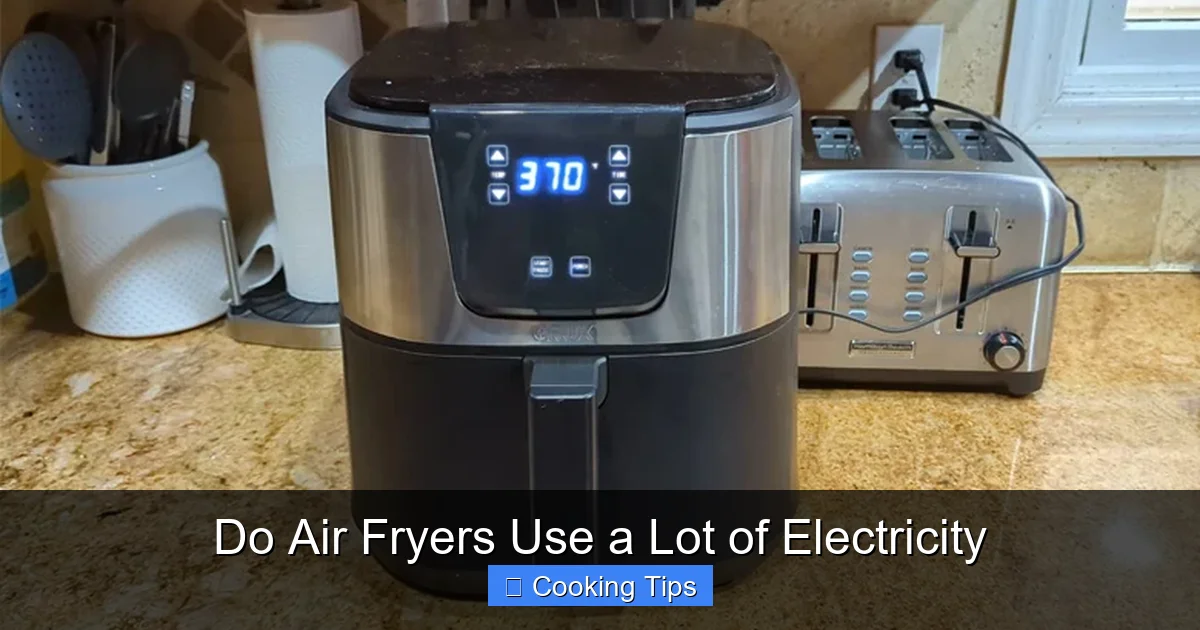
Visual guide about Do Air Fryers Use a Lot of Electricity
Image source: realfitrealfoodmom.com
- Check Appliance Wattage: Double-check the wattage of your air fryer. Is it on the higher end of the spectrum?
- Review Your Usage Habits: Are you frequently preheating for long periods? Are you cooking very large batches that require multiple cycles?
- Consider Other Appliances: Is it possible that your air fryer use is coincidentally timed with increased use of other high-demand appliances like an electric oven, dryer, or air conditioning unit?
- Professional Assessment: If you suspect an underlying electrical issue with your air fryer or your home’s wiring, it’s best to consult a qualified electrician. While rare, faulty appliances can sometimes draw more power than they should.
Conclusion
So, do air fryers use a lot of electricity? In 2026, the answer is generally no, not excessively, especially when compared to the energy consumption of a conventional oven for most everyday cooking tasks. Their efficiency stems from their smaller size, rapid preheating, and quicker cooking times.
By understanding the wattage of your appliance and adopting smart usage habits – like preheating only when necessary, not overcrowding the basket, and batch cooking efficiently – you can confidently enjoy the convenience and delicious results of air frying without a significant impact on your electricity bill. Embrace your air fryer as the energy-smart cooking tool it is!
