

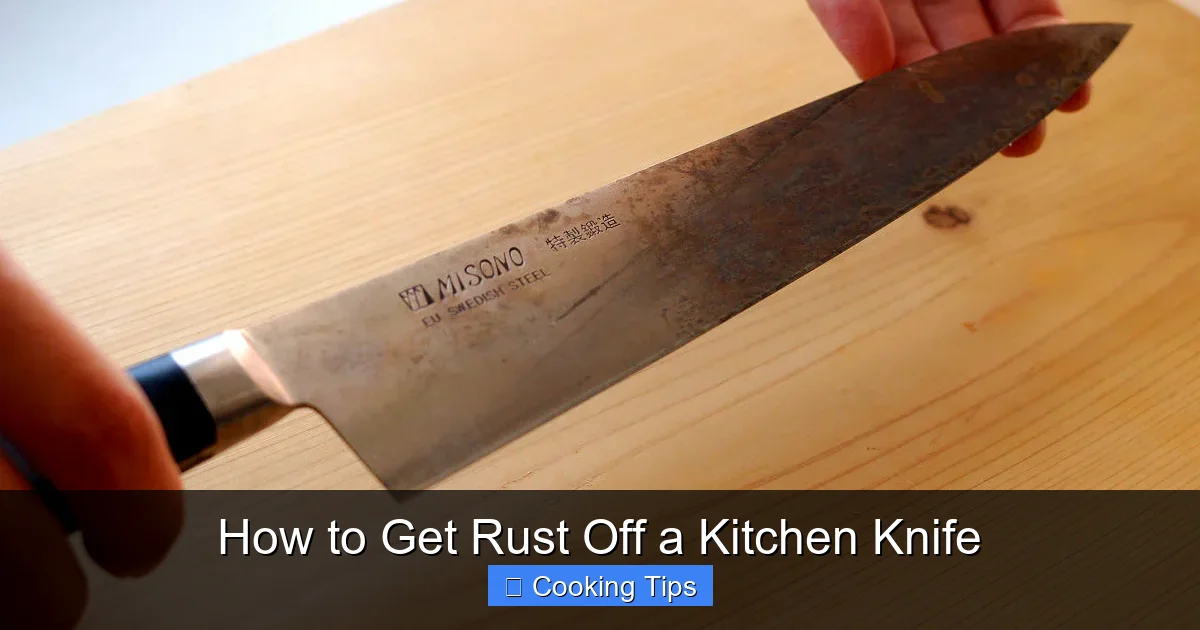
Don’t let rust ruin your favorite kitchen knives! This comprehensive guide explains the best methods for effectively removing rust, from gentle household items to more robust solutions. We’ll walk you through each step, ensuring your knives are not only rust-free but also well-maintained and ready for all your culinary adventures. Get your knives gleaming again and extend their lifespan with these simple techniques.
Key Takeaways
- Gentle Methods First: Always start with the mildest rust removal techniques, like using baking soda or vinegar, to avoid damaging the knife blade.
- Abrasive Power: For tougher rust, consider mild abrasives like a fine-grit sandpaper or steel wool, used carefully to prevent scratching.
- Natural Solutions are Effective: Common kitchen staples like lemon juice, potatoes, and onions can surprisingly tackle light rust.
- Lubrication is Key: After rust removal, it’s crucial to dry and oil your knife to prevent future rust formation.
- Prevention is Best: Proper washing, drying, and storage are the most effective ways to keep rust at bay.
- Know Your Knife: Different blade materials might require slightly different approaches to rust removal.
How to Get Rust Off a Kitchen Knife
Your trusty kitchen knife is an essential tool for any home cook. But over time, even the best blades can fall victim to rust. Seeing those orange-brown spots can be disheartening, but don’t worry! Getting rust off a kitchen knife is a straightforward process, and with the right techniques, you can restore your blade to its former glory. In this guide, we’ll explore various effective methods for rust removal, from using common household items to employing slightly more specialized tools. By the end of this guide, you’ll have a clear understanding of how to tackle rust and, more importantly, how to prevent it from returning, ensuring your knives stay sharp and reliable for years to come.
Why Do Kitchen Knives Rust?
Before we dive into the removal process, let’s quickly understand why rust happens. Rust, or iron oxide, forms when iron or its alloys (like steel) are exposed to moisture and oxygen. In the kitchen, this is a common occurrence.
- Moisture: Leftover water from washing, condensation in the air, or even food particles can provide the necessary moisture.
- Acids: Acidic foods can accelerate the rusting process.
- Improper Drying: Not drying your knife thoroughly after washing is a primary culprit.
- Dishwashers: The harsh detergents and prolonged exposure to water in a dishwasher can be brutal on knife blades.
- Salt: Salt can also contribute to corrosion.
Understanding these causes will help you implement preventative measures later.
Methods for Removing Rust
There are several ways to remove rust from your kitchen knives. We’ll start with the gentlest methods and move towards those that are a bit more aggressive if needed. Always remember to work gently and test methods on an inconspicuous area if you’re unsure.
Method 1: Baking Soda Paste
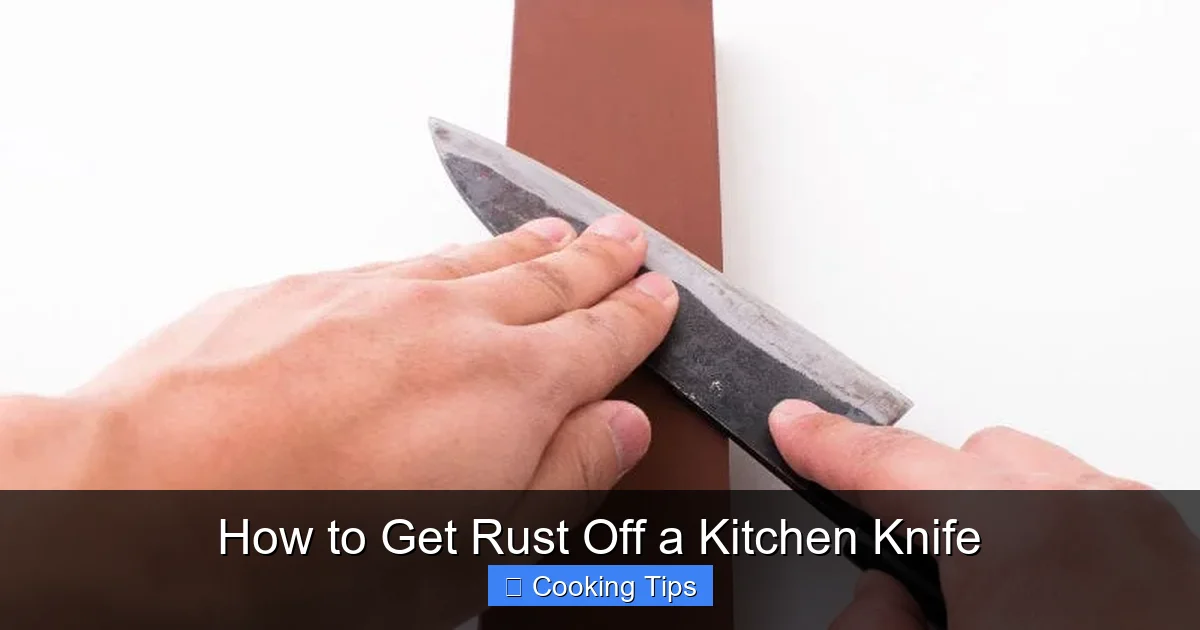
Visual guide about How to Get Rust Off a Kitchen Knife
Image source: magicarustremover.com
Baking soda is a mild alkali and a fantastic natural cleaner. Its gentle abrasive properties make it ideal for removing light rust without scratching your blade.
Step 1: Prepare the Baking Soda Paste
* In a small bowl, mix baking soda with a little water.
* You want to create a thick paste, similar in consistency to toothpaste. It shouldn’t be too watery, or it won’t stick to the blade effectively.
Step 2: Apply the Paste
* Using your fingers or a soft cloth, apply the baking soda paste generously to the rusted areas of your knife blade.
* Make sure to cover all the rust spots.
Step 3: Let it Sit
* Allow the paste to sit on the rust for about 30 minutes to an hour. This gives the baking soda time to work on breaking down the rust.
Step 4: Scrub Gently
* After the sitting time, use a soft cloth, sponge (the non-abrasive side!), or an old toothbrush to gently scrub the rusted areas.
* Work in the direction of the blade’s grain, if visible, to minimize any potential for micro-scratches.
* You should start to see the rust lifting away.
Step 5: Rinse and Dry
* Rinse the knife thoroughly under warm water to remove all the baking soda paste and rust residue.
* Immediately and completely dry the knife with a clean, soft towel. This is a critical step to prevent new rust from forming.
Method 2: White Vinegar
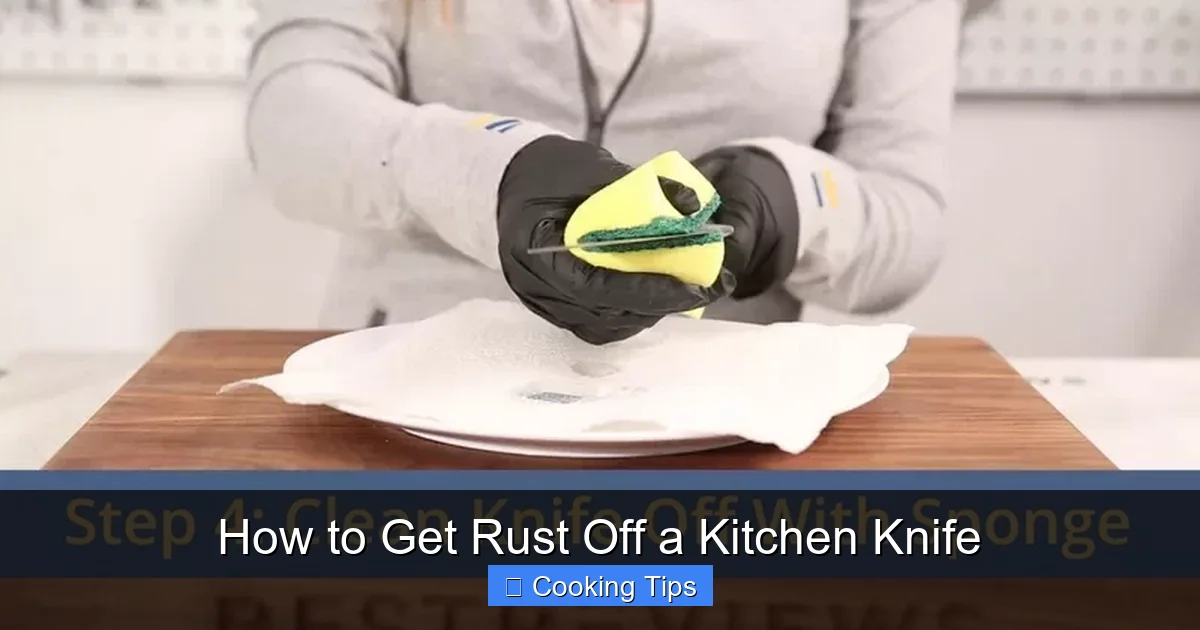
Visual guide about How to Get Rust Off a Kitchen Knife
Image source: iororwxhiqijjo5q.ldycdn.com
White vinegar is acidic and works by dissolving rust. It’s a very effective, yet still relatively gentle, method for tackling more stubborn rust spots.
Step 1: Prepare for Soaking
* Pour enough white vinegar into a glass or small bowl to submerge the rusted part of the knife blade.
Step 2: Soak the Blade
* Place the knife in the vinegar, ensuring the rusted areas are fully covered.
* Do not leave the knife in the vinegar for too long, as the acid can start to etch the metal if left for extended periods. Start with 5-10 minutes.
Step 3: Check and Scrub
* After 5-10 minutes, remove the knife from the vinegar.
* Use a soft cloth, sponge, or an old toothbrush to gently scrub away the loosened rust. You might need to repeat the soaking and scrubbing process for more stubborn rust, but limit each soak to under 15 minutes initially.
Step 4: Rinse, Dry, and Oil
* Rinse the knife thoroughly under cold water to neutralize the vinegar.
* Dry the knife completely with a soft towel.
* To protect the blade, apply a thin layer of food-grade mineral oil or a specialized knife oil. This will help prevent future rust.
Method 3: Lemon Juice and Salt
Visual guide about How to Get Rust Off a Kitchen Knife
Image source: cookeryspace.com
The citric acid in lemon juice, combined with the mild abrasive nature of salt, makes for another effective natural rust remover.
Step 1: Apply Salt
* Sprinkle a generous amount of table salt onto the rusted areas of the knife blade.
Step 2: Add Lemon Juice
* Squeeze fresh lemon juice over the salt until it’s thoroughly moistened.
Step 3: Let it Sit and Scrub
* Let the mixture sit on the rust for about 30 minutes to an hour.
* Once the time is up, use the lemon rind or a soft cloth to scrub away the rust. The salt acts as a gentle abrasive, and the lemon juice helps dissolve it.
Step 4: Rinse and Dry Thoroughly
* Rinse the knife clean with water.
* Crucially, dry the knife completely with a soft towel.
Method 4: Potato Power
This might sound strange, but the oxalic acid in potatoes can help break down rust. It’s a super gentle method for very light rust.
Step 1: Cut a Potato
* Cut a raw potato in half.
Step 2: Rub the Rust
* Rub the rusted area of the knife blade against the cut surface of the potato. The oxalic acid in the potato will begin to work on the rust.
* You might need to repeat this a few times, changing the potato half if it becomes saturated.
Step 3: Rinse and Dry
* After rubbing, rinse the knife under water and dry it thoroughly.
Method 5: Fine-Grit Sandpaper or Steel Wool (Use with Caution!)
For more persistent rust that the gentler methods can’t tackle, you might consider using fine-grit sandpaper (like 400-grit or higher) or very fine steel wool. This method requires more care to avoid damaging the blade.
Step 1: Choose Your Abrasive
* Select fine-grit sandpaper (400-grit or higher) or fine steel wool (0000 grade is ideal). Avoid coarse materials that can easily scratch your blade.
Step 2: Work Gently
* Lightly dampen the sandpaper or steel wool with water or a little oil.
* Gently rub the rusted areas of the blade, moving in the direction of the blade’s grain if possible.
* Apply minimal pressure. The goal is to remove the rust, not to remove the steel.
* Periodically wipe the blade clean to check your progress.
Step 3: Rinse and Dry Meticulously
* Once the rust is removed, rinse the blade thoroughly with water.
* Immediately and completely dry the knife with a soft, clean towel.
Step 4: Polish and Protect
* You may want to use a polishing compound or a bit of metal polish to restore the shine.
* Follow up with a thin coat of food-grade mineral oil to protect the blade.
Troubleshooting: What If Rust Remains?
If you’ve tried a few methods and some rust still persists, don’t despair.
* Repeat Methods: Sometimes, repeating a method (especially baking soda or vinegar) for a longer duration or in multiple sessions can be effective.
* Combine Methods: You could try using vinegar first, then follow up with a baking soda paste.
* Consider Professional Sharpening/Restoration: For deeply pitted or extensively rusted knives, a professional knife sharpener or restoration service might be your best bet. They have specialized tools and expertise to handle severe cases without damaging the knife.
* Inspect the Knife Handle: If your knife has a wooden handle, rust might be seeping from where the tang (the metal part that extends into the handle) meets the handle. This can be trickier to address and might require disassembly if possible.
Preventing Rust in the Future
The best way to deal with rust is to prevent it from forming in the first place. Here are some essential tips:
- Wash by Hand: Always wash your kitchen knives by hand immediately after use.
- Dry Immediately and Thoroughly: This is the most critical step. Never let your knife air dry. Use a soft, absorbent towel and dry every inch of the blade and handle.
- Avoid Dishwashers: Dishwashers are notorious for causing rust and dulling blades due to harsh detergents, high heat, and prolonged exposure to moisture.
- Store Properly: Store your knives in a dry place. Knife blocks, magnetic strips, or blade guards are excellent options. Avoid tossing them loosely into drawers where they can bump against other metal objects.
- Oil Your Blades: For carbon steel knives, or if you live in a humid environment, applying a thin coat of food-grade mineral oil or specialized knife oil after drying can provide an extra layer of protection.
- Regular Maintenance: Sharpening your knives regularly not only keeps them effective but also helps maintain the blade’s protective layer.
Conclusion
Seeing rust on your favorite kitchen knife doesn’t have to be the end of its useful life. With the simple, effective methods outlined in this guide, you can easily remove rust and restore the shine to your blades. Remember to start with gentle approaches and only resort to more abrasive methods if absolutely necessary, always working with care. By implementing good preventative habits – especially thorough drying after hand washing and proper storage – you can significantly reduce the chances of rust appearing in the future. Enjoy your rust-free, sharp, and reliable kitchen knives for many culinary adventures to come in 2026 and beyond!
