


Thinking about milling your own flour? You *can* achieve this using a food processor, though it’s not a perfect replacement for a dedicated grain mill. This guide will walk you through the process, from selecting your grains to achieving a usable flour consistency. You’ll learn the advantages, the limitations, and crucial tips for success, allowing you to enjoy the benefits of freshly milled flour right in your kitchen.
Can You Mill Flour in a Food Processor
In the age of home cooking and a renewed interest in simple, wholesome ingredients, the question often arises: Can you mill flour in a food processor? The short answer is yes, you absolutely can! While a dedicated grain mill is the ideal tool for producing fine, consistent flour, your trusty food processor can get the job done for many home bakers. This guide will walk you through everything you need to know to successfully mill your own flour, understand its limitations, and embrace the satisfaction of baking with freshly milled grains.
Milling your own flour at home offers a wealth of benefits. The flavor and nutritional content of freshly milled flour are superior to commercially processed flour, which often loses vital nutrients and oils during its journey from field to shelf. You gain complete control over the type of grain used, allowing for experimentation with different wheat varieties, ancient grains, and other seeds. Plus, it can be a more economical choice in the long run, especially if you buy grains in bulk. So, let’s dive into how your food processor can become your new favorite milling tool.
Key Takeaways
- Yes, it’s possible: A food processor can mill grains into flour, but results vary.
- Choose the right grains: Softer grains like wheat berries, oats, and rye are best for food processors.
- Patience is key: Milling takes time, and multiple passes are usually necessary.
- Texture variation: Expect a coarser texture than commercially milled flour.
- Dust management: Consider ventilation or a damp cloth to manage flour dust.
- Cleanliness is crucial: Thoroughly clean your food processor after milling.
- Not for all flours: Extremely hard grains or very fine flour are difficult to achieve.
Understanding the Capabilities and Limitations
Before you start, it’s important to have realistic expectations. A food processor is a powerful appliance, but its blade design and motor are not specifically engineered for the consistent grinding of hard grains into ultra-fine flour. This means:
- Texture: You will likely end up with a coarser flour than what you buy from the store. It’s often more akin to whole wheat flour or even a coarse cornmeal, depending on the grain and milling time.
- Consistency: Achieving a perfectly uniform grind can be challenging. You’ll likely have a mix of finer particles and some bran fragments.
- Hardness of Grains: Very hard grains, like corn for polenta or durum wheat for pasta, are best left to dedicated mills. Softer grains are your best bet.
- Batch Size: Food processors are designed for smaller batches. You won’t be milling sacks of grain at once.
Despite these limitations, the flour you produce will still be fresher, more nutritious, and offer a unique character to your baked goods. Many recipes can easily accommodate a slightly coarser flour, especially in rustic breads, muffins, and quick breads.
Choosing Your Grains
Not all grains are created equal when it comes to milling in a food processor. Stick to softer, smaller grains for the best results.
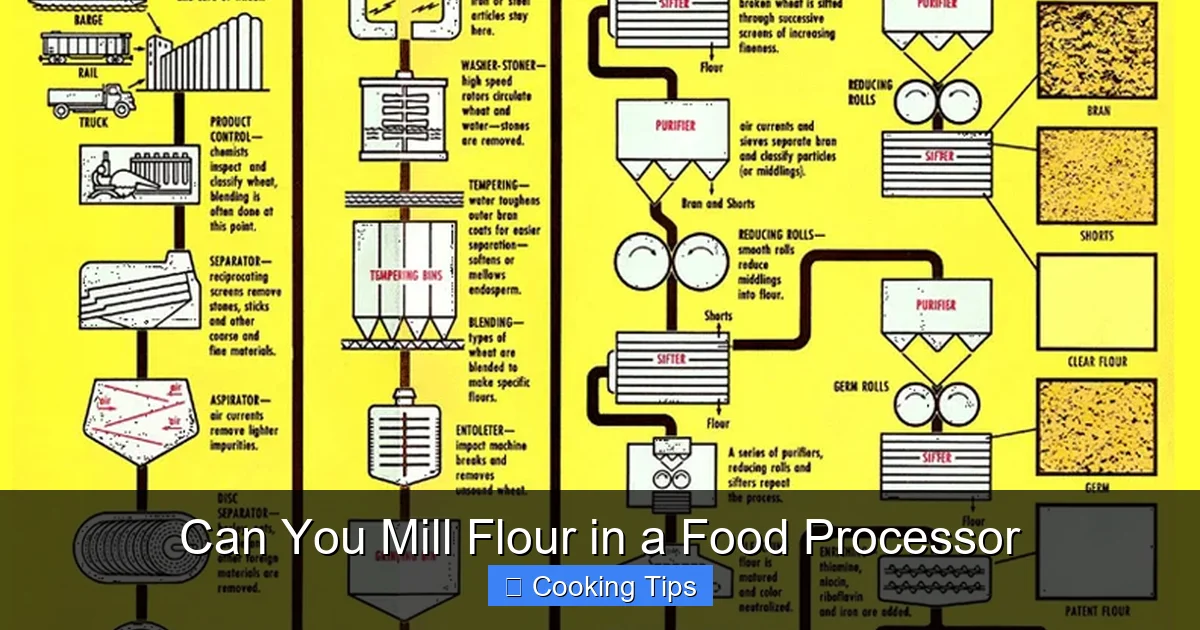
Visual guide about Can You Mill Flour in a Food Processor
Image source: flour.com
- Wheat Berries: This is the most popular choice. Hard red or white wheat berries work well, but softer varieties will yield a slightly finer flour.
- Oats: Rolled oats or oat groats can be milled into oat flour, perfect for cookies and pancakes.
- Rye: Rye berries are another good option for a flavorful, whole-grain flour.
- Spelt, Kamut, and Einkorn: These ancient grains are generally softer and can be successfully milled.
- Buckwheat: Buckwheat groats can be milled, but be prepared for a robust flavor and coarser texture.
Avoid very hard grains like popcorn kernels or field corn, as they can put excessive strain on your food processor’s motor and blades. Also, ensure your grains are clean and free of debris.
Step-by-Step Guide to Milling Flour in a Food Processor
Ready to get milling? Follow these steps for the best outcome.

Visual guide about Can You Mill Flour in a Food Processor
Image source: millcreekgeneralstore.com
Step 1: Prepare Your Food Processor
Ensure your food processor is clean and dry. Any moisture can clump the flour. Use the standard S-blade that came with your machine. Avoid using any specialty blades or attachments unless specifically designed for grinding.
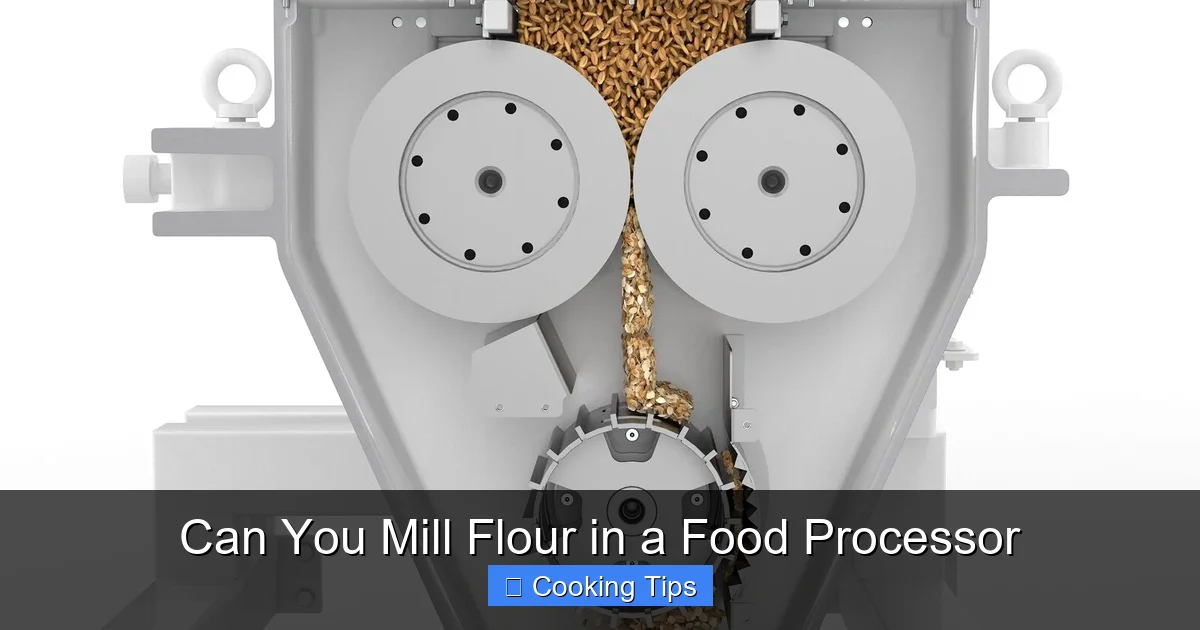
Visual guide about Can You Mill Flour in a Food Processor
Image source: assetcdn.buhlergroup.com
Step 2: Measure Your Grains
It’s best to mill in small batches. Overfilling the bowl will prevent the grains from circulating properly and grinding effectively. A good starting point is to fill the food processor bowl about one-quarter to one-third full with dry grains.
Tip: Start with about 1-2 cups of whole grains. This is a manageable amount for most standard-sized food processors.
Step 3: Begin the Milling Process
Secure the lid on your food processor. Start by pulsing the grains a few times to break them down. This initial pulsing helps to create smaller pieces, making the subsequent continuous grinding more efficient.
After pulsing, run the food processor continuously. You will hear the sound change from a rattling of whole grains to a whirring, grinding sound as they break down.
Step 4: Monitor and Grind
This is where patience comes in. You’ll need to run the food processor for several minutes, depending on the grain and your desired texture. Check the consistency periodically.
Checking Consistency
Stop the food processor and carefully remove the lid. Use a spoon or spatula to scrape down the sides of the bowl, bringing the unground grains to the bottom where the blades can reach them. You’ll see a progression from whole grains to cracked grains, then to coarse flour, and eventually to a finer flour.
Tip: For a finer flour, you’ll need to mill for longer. Be mindful of your food processor’s motor. Many are not designed for continuous high-speed operation for extended periods.
Multiple Passes
It’s highly recommended to sift the flour after the first few minutes of grinding. Use a fine-mesh sieve to separate the finer flour from the coarser particles and unground grains.
Return the coarser particles and unground grains to the food processor and continue milling. Repeat this sifting and regrinding process until you achieve your desired flour consistency. You might need 2-3 cycles of milling and sifting.
Example: After 2 minutes of milling, you might have a mix of cracked grains and coarse flour. Sift. Return the coarser bits to the processor and mill for another 3-4 minutes. Sift again. You’ll likely have a much finer flour this time.
Step 5: Manage Flour Dust
Milling flour can create a significant amount of fine dust. This can be messy and also potentially irritate your lungs.
- Ventilation: Mill in a well-ventilated area, preferably near an open window or with a kitchen fan running.
- Damp Cloth: Place a damp (not wet) kitchen towel around the base of the food processor where the bowl connects to the motor. This can help trap some of the escaping dust.
- Breathing: Consider wearing a light mask if you are particularly sensitive to dust.
Step 6: Cool and Store
Once you’ve achieved your desired flour consistency, let the flour cool down for a few minutes. The grinding process generates heat, which can affect the flour’s quality and shelf life. Spread the milled flour on a clean baking sheet to cool quickly.
Store your freshly milled flour in an airtight container. It’s best to use it within a few weeks to a month, as it contains natural oils that can go rancid over time. For longer storage, you can refrigerate or even freeze it.
Troubleshooting Common Issues
Even with the best intentions, you might encounter a few hiccups:
- Motor Overheating: If your food processor’s motor feels hot, stop and let it cool down completely before continuing. Don’t force it.
- Inconsistent Grind: This is common. Sifting and re-milling is the key to improving consistency. You can also try pulsing more initially to break down larger pieces before continuous grinding.
- Flour is Too Coarse: Mill for longer. Ensure your grains are relatively small and not too hard.
- Flour is Clumpy: Make sure your grains were completely dry and your food processor bowl was dry before you started.
Tips for Success
- Start Small: Begin with small batches to get a feel for your food processor and the milling process.
- Don’t Overfill: This is crucial for even grinding.
- Listen to Your Machine: Pay attention to the sounds your food processor makes. Changes can indicate an issue.
- Sift, Sift, Sift: Don’t skip the sifting step if you desire a finer flour.
- Experiment: Try different grains and adjust milling times to see what works best for your recipes.
Conclusion
Milling flour in a food processor is a rewarding endeavor that allows you to enjoy the freshest, most flavorful, and nutritious flour. While it might not produce the silky-smooth consistency of store-bought flour, the results are more than adequate for a wide array of delicious baked goods. By choosing the right grains, employing patience, and following these simple steps, you can confidently bring the art of home milling into your kitchen. So, go ahead, grab some wheat berries, fire up your food processor, and unlock a whole new world of baking possibilities!
