

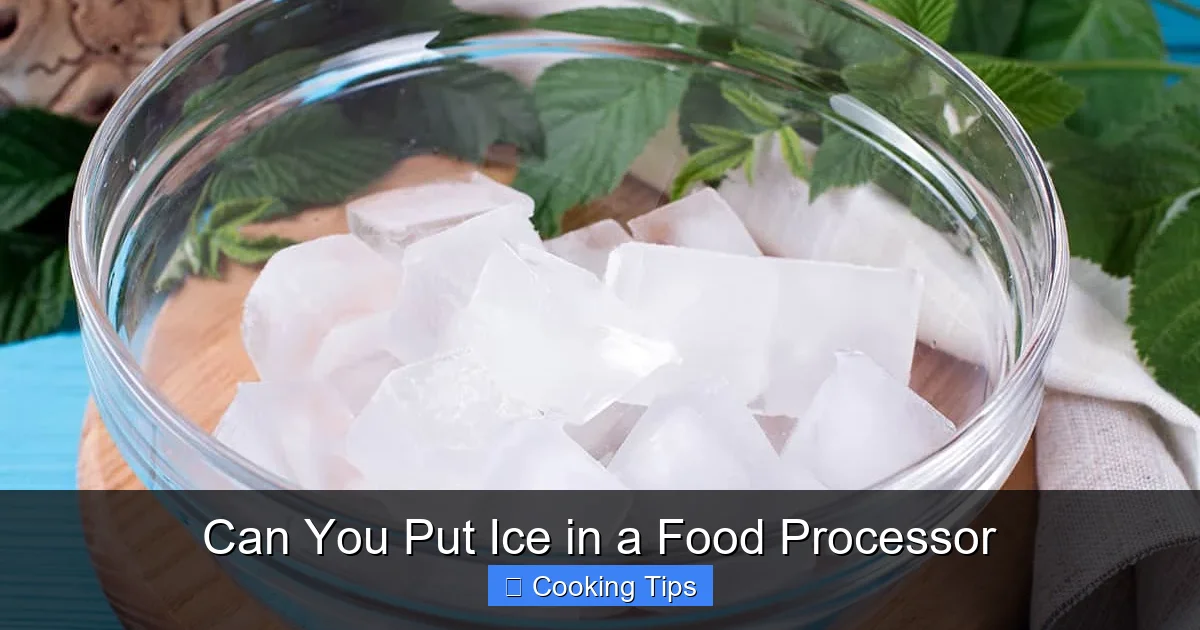
Wondering if your food processor can handle ice? The answer is usually yes, but with important caveats! This comprehensive guide will walk you through the process, detailing which types of food processors are suitable, safe operating techniques, and what to expect. Learn how to effectively crush ice for drinks, recipes, and more, ensuring you avoid damage to your appliance.
Can You Put Ice in a Food Processor? Your Complete How-To Guide
Welcome to our guide on a common kitchen query: “Can you put ice in a food processor?” If you’ve ever wanted to make a refreshing slushy, a perfectly chilled cocktail, or even need finely crushed ice for a recipe, you might be eyeing your trusty food processor. This guide will demystify the process, giving you the confidence to use your appliance effectively and safely. By the end, you’ll understand which food processors are up to the task, the best techniques to employ, and how to avoid potential pitfalls. Let’s dive in!
Key Takeaways
- Yes, you can put ice in many food processors, but not all. Powerful models with robust blades and strong motors are best suited for the task.
- Always use ice cubes, not crushed ice. Whole ice cubes are easier for the processor to break down effectively and put less strain on the motor.
- Start with short pulses. This allows you to monitor the ice’s consistency and prevents the motor from overheating or jamming.
- Don’t overfill the bowl. Leave ample space for the ice to move freely and be processed evenly.
- Consider the type of ice. Standard ice cubes are ideal. Avoid ice that is too large or irregularly shaped, as this can cause issues.
- Clean your food processor thoroughly immediately after use. Ice can leave moisture, and any residue should be cleaned to prevent build-up.
- Refer to your manufacturer’s manual. This is the most reliable source of information regarding your specific food processor’s capabilities.
Understanding Your Food Processor’s Capabilities
Not all food processors are created equal, and this is especially true when it comes to handling tough ingredients like ice. The ability of your food processor to crush ice depends primarily on its motor power and blade design.
Motor Power Matters
A food processor with a weaker motor may struggle with the sheer density of ice. You risk overheating the motor, which can lead to a shorter lifespan or even permanent damage. For ice-crushing, aim for food processors with at least 600-700 watts of power. Higher wattage generally indicates a more robust motor capable of handling tougher jobs.
Blade Design and Quality
The blades in your food processor are crucial. They need to be sharp and durable. Some food processors come with specialized blades designed for tougher tasks, while others have more general-purpose blades. If your food processor’s blades feel flimsy or are made of softer metal, it’s probably best to avoid using them for ice.
Step-by-Step: How to Safely Crush Ice in Your Food Processor
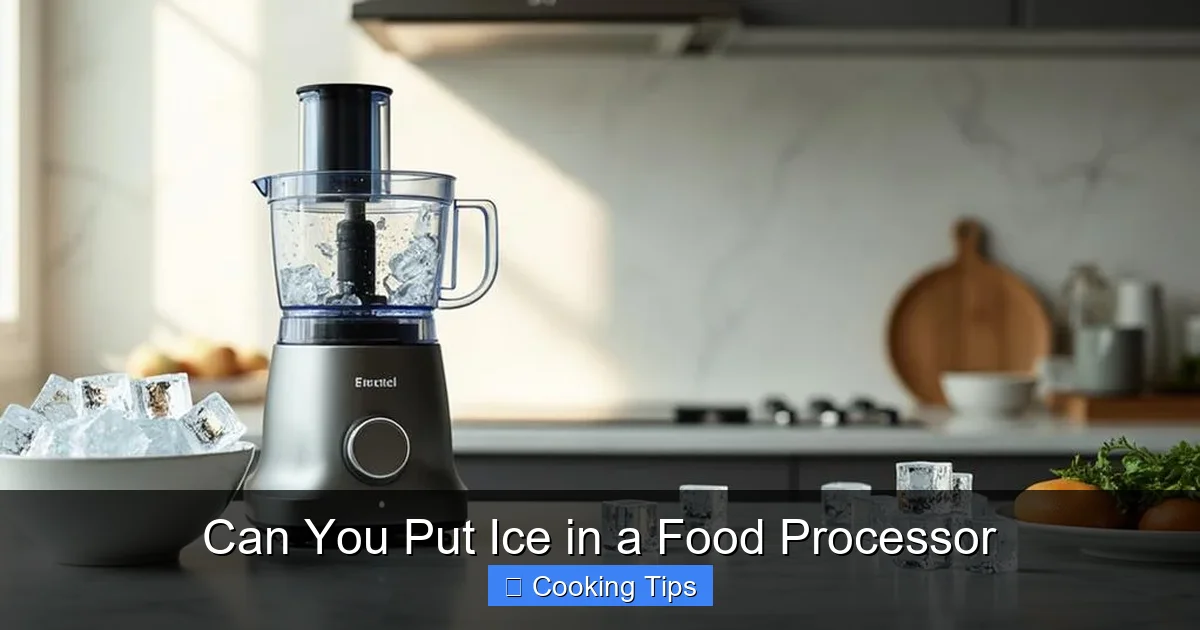
Visual guide about Can You Put Ice in a Food Processor
Image source: blenderadviser.com
If you’ve determined that your food processor is a good candidate for ice duty, follow these steps for the best results.
Step 1: Prepare Your Food Processor
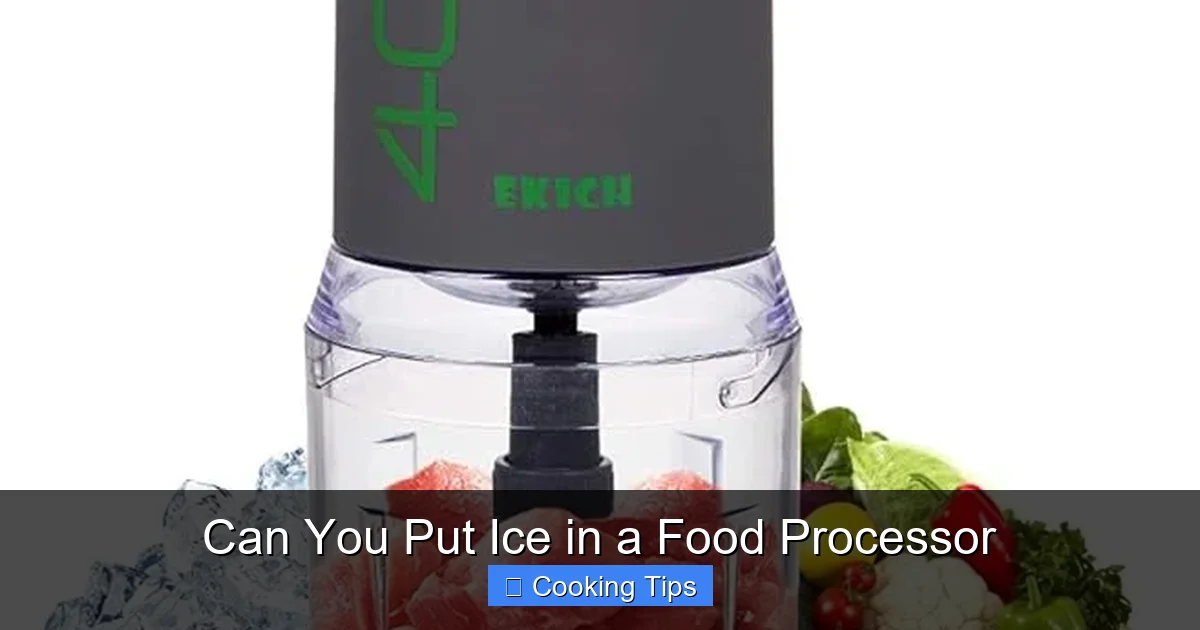
Visual guide about Can You Put Ice in a Food Processor
Image source: images-na.ssl-images-amazon.com
Ensure the Bowl and Lid are Secure
Before you add anything, make sure the food processor bowl is properly locked into its base. Similarly, ensure the lid is securely fastened. This is a critical safety step to prevent ingredients from flying out during operation.
Attach the Correct Blade
For crushing ice, you’ll want to use the standard chopping blade that came with your food processor. This blade is designed to break down solid ingredients. Avoid using slicing or shredding discs, as these are not suitable for ice.
Step 2: Add the Ice

Visual guide about Can You Put Ice in a Food Processor
Image source: huntingwaterfalls.com
Use Standard Ice Cubes
It’s best to use regular ice cubes, not pre-crushed ice. Pre-crushed ice can be too fine and lead to a slushy consistency that can overload the motor. Ice cubes that are uniform in size are ideal. Avoid ice from ice makers that are unusually large or have irregular shapes.
Don’t Overfill the Bowl
This is a common mistake. Overfilling the food processor bowl restricts the movement of the ice and puts excessive strain on the motor. Fill the bowl no more than one-third to halfway full with ice cubes. This allows the ice to tumble and be broken down efficiently.
Step 3: Process the Ice
Start with Short Pulses
This is the most important technique for successfully crushing ice. Instead of turning the food processor on and letting it run continuously, use the ‘pulse’ function. Press the pulse button for just a few seconds at a time, then release. This allows you to control the texture and prevents the motor from overheating.
Observe and Continue Pulsing
After each pulse, check the consistency of the ice. Continue pulsing in short bursts until you reach your desired texture. For drinks, you might want a finer, snow-like consistency. For other recipes, slightly larger, pebble-like ice might be sufficient.
Listen to Your Machine
Pay attention to the sound of your food processor. If you hear straining, unusual noises, or if the motor seems to be struggling, stop immediately. This is your machine’s way of telling you it’s working too hard.
Step 4: Remove and Use
Carefully Remove the Ice
Once the ice is processed to your liking, turn off the food processor and unplug it. Carefully remove the lid and then the blade assembly. Scoop out the crushed ice using a spoon or spatula.
Clean Promptly
Moisture from the ice can lead to rust or residue build-up if left for too long. Rinse the bowl, lid, and blade assembly immediately after use. A thorough cleaning with warm, soapy water is recommended.
Practical Tips for Ice Processing
* Work in Batches: If you need a large quantity of crushed ice, process it in smaller batches rather than trying to do it all at once. This is much kinder to your food processor.
* Consider Ambient Temperature: If your kitchen is very warm, the ice might melt faster during processing. Work quickly or consider chilling the food processor bowl beforehand if your model allows.
* Add Liquid for Smoother Results: For certain drinks or recipes, you might want a smoother, slushier consistency. You can achieve this by adding a small amount of liquid (like juice, water, or alcohol) along with the ice before processing. Start with minimal liquid and add more as needed, pulsing between additions.
* Some Food Processors Aren’t Suitable: If your food processor is very old, has a very small motor, or feels flimsy, it’s probably not designed for ice. It’s better to err on the side of caution and use a blender specifically designed for crushing ice, or even a manual ice crusher.
Troubleshooting Common Issues
* Motor Overheating: If your motor starts to smell hot or feels excessively warm, stop immediately and let it cool down for at least 15-20 minutes. Ensure you weren’t overfilling the bowl or processing for too long without pulsing.
* Ice Not Crushing Evenly: This can happen if the bowl is overfilled or if the ice cubes are too large and uniform. Try processing in smaller batches or shaking the bowl gently between pulses to redistribute the ice.
* Blade Jamming: If the blade gets stuck, stop the motor immediately. Remove the bowl, try to dislodge the ice with a spatula, and then reassemble. If it persists, you might be trying to process too much ice at once, or your ice cubes are too large.
When to Use a Blender Instead
While many food processors can handle ice, it’s important to acknowledge their limitations. Blenders, especially those with dedicated “crush ice” settings or powerful motors designed for smoothies, are often a better choice for processing large quantities of ice or for achieving very fine, powdery ice. If your food processor consistently struggles or if you frequently need crushed ice, investing in a good blender might be a worthwhile alternative.
Conclusion
So, can you put ice in a food processor? The answer is a qualified yes. With the right machine, the correct techniques, and a dose of caution, your food processor can be a valuable tool for crushing ice. Always prioritize the health of your appliance by using short pulses, not overfilling, and listening to its operational cues. By following the steps and tips in this guide, you can confidently create perfectly crushed ice for all your culinary and beverage needs, enhancing your kitchen creations in 2026 and beyond. Remember to always consult your appliance’s manual for specific instructions and limitations. Happy processing!
