


Keep your food processor in top condition with this easy guide to cleaning its dishwasher-safe parts. Learn the best practices for a spotless kitchen appliance, ensuring longevity and optimal performance. Proper cleaning prevents food residue buildup and maintains hygiene. Follow these simple steps for a perfectly clean food processor.
How to Clean Dishwasher Safe Food Processor Parts
Your food processor is a kitchen workhorse, simplifying everything from chopping vegetables to making sauces. But like any appliance that handles food, it needs regular cleaning to stay hygienic and perform at its best. The good news is that many modern food processor parts are designed to be washed in the dishwasher, saving you time and effort. This guide will walk you through everything you need to know to effectively clean your dishwasher-safe food processor parts, ensuring they sparkle and last for years to come.
Key Takeaways
- Identify Dishwasher Safe Parts: Always check your food processor’s manual or manufacturer’s website to confirm which components are truly dishwasher safe.
- Pre-Rinse is Crucial: Immediately after use, rinse all parts thoroughly with warm water to remove loose food debris, making the dishwasher’s job easier.
- Load Dishwasher Strategically: Place parts on the top rack, away from heating elements, and ensure water can reach all nooks and crannies.
- Use the Right Detergent: Opt for a good quality dishwasher detergent. For tougher stains, a pre-wash soak might be necessary.
- Air Dry Completely: Ensure all parts are thoroughly dry before reassembling and storing to prevent mold or mildew growth.
- Hand Wash Stubborn Stains: For persistent dried-on food or grease, hand washing with warm, soapy water is often the most effective solution.
- Don’t Forget the Lid and Motor Base: While not all lids are dishwasher safe, the motor base should always be wiped clean with a damp cloth and never submerged.
Why Cleaning Your Food Processor Matters
A clean food processor isn’t just about aesthetics; it’s about food safety and appliance longevity. Leftover food particles can harbor bacteria, leading to cross-contamination and potential health risks. Furthermore, dried-on food can be difficult to remove later, and residue can affect the performance of your appliance. By understanding how to properly clean your dishwasher-safe parts, you’re making a smart investment in your kitchen hygiene and the lifespan of your valuable tool.
Step 1: Disassemble Your Food Processor
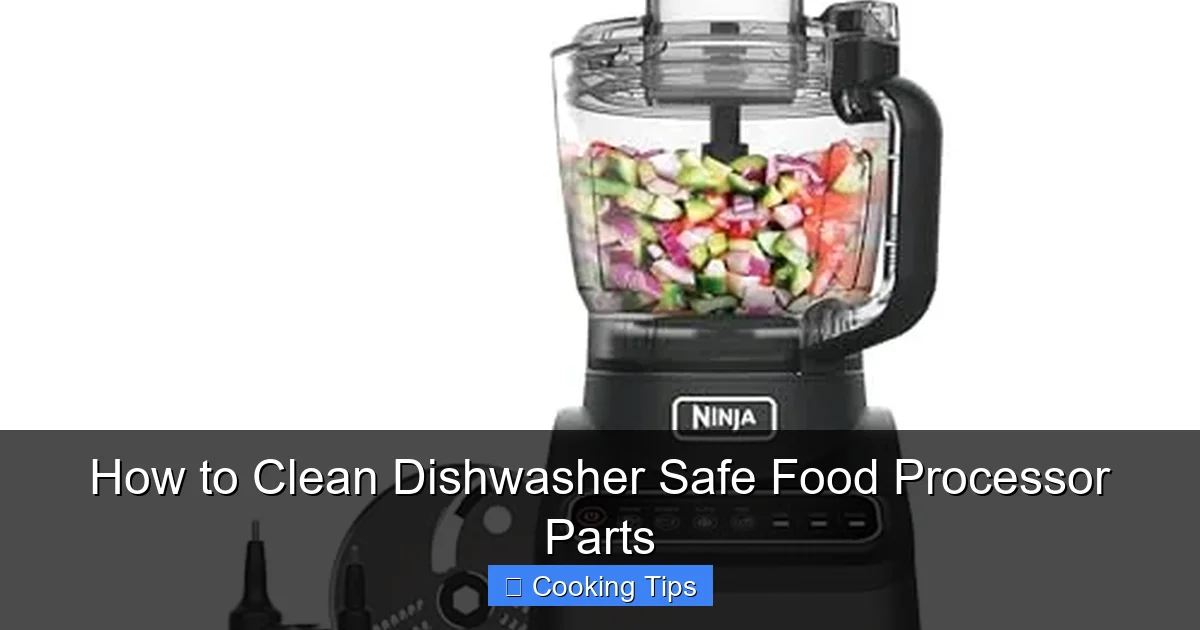
Before you can clean, you need to take your food processor apart. This is usually a straightforward process, but always refer to your appliance’s manual if you’re unsure.
Visual guide about How to Clean Dishwasher Safe Food Processor Parts
Image source: m.media-amazon.com
Separating the Components
- Bowl: Detach the main processing bowl from the motor base.
- Lid: Remove the lid, paying attention to how it locks into place.
- Blade Assembly: Carefully remove the blade. Be extremely cautious as these are very sharp. Always handle the blade by its central hub, never by the cutting edges.
- Discs/Attachments: Remove any slicing, shredding, or other attachments you have used.
- Pushers/Feed Tubes: Don’t forget smaller parts like food pushers and feed tube inserts.
Step 2: Pre-Rinse All Parts
This is a crucial step that makes all the difference, especially when using a dishwasher. Don’t skip it!

Visual guide about How to Clean Dishwasher Safe Food Processor Parts
Image source: cleanhomeexpert.co.uk
Washing Away Loose Debris
- As soon as you finish using your food processor, take the disassembled parts to the sink.
- Rinse each component thoroughly under warm running water.
- This will wash away most of the loose food particles, preventing them from drying and sticking, which makes your dishwasher’s job much easier and more effective.
Step 3: Confirm Dishwasher Safety
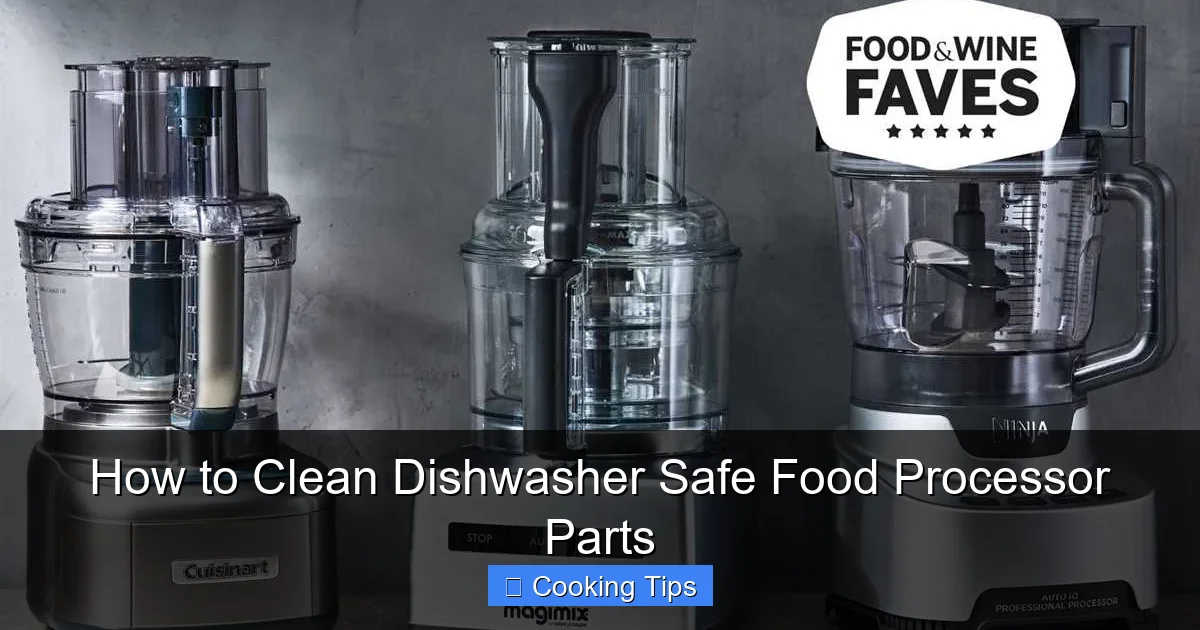
Not all parts of every food processor are created equal. It’s vital to know which components are safe for the dishwasher to avoid damage.
Visual guide about How to Clean Dishwasher Safe Food Processor Parts
Image source: cleanhomeexpert.co.uk
Checking Your Manual
- Consult your food processor’s instruction manual. It will clearly indicate which parts can go into the dishwasher and any specific instructions (e.g., top rack only).
- If you no longer have the manual, visit the manufacturer’s website. Most brands have downloadable manuals or product specification pages that list dishwasher-safe parts.
- Generally, the bowl, lid, blades (though some manufacturers recommend hand washing for blades), discs, pushers, and some smaller accessories are dishwasher safe.
- Important Note: The motor base should NEVER be submerged in water or placed in a dishwasher. It contains electrical components that will be permanently damaged.
Step 4: Loading the Dishwasher
Loading your dishwasher correctly ensures that water and detergent can reach all surfaces of your food processor parts for a thorough clean.
Strategic Placement for Optimal Cleaning
- Top Rack is Best: Most food processor parts, especially plastics and blades, are best placed on the top rack of your dishwasher. This protects them from the intense heat of the lower rack’s heating element, which can warp or damage plastic.
- Avoid Overcrowding: Give each part enough space so that water can circulate freely around it. Don’t pack the dishwasher too tightly.
- Positioning for Drainage: Place bowls and lids upside down so water can drain out.
- Secure Blades and Discs: If your dishwasher has holders for utensils or flatware, you can carefully place blades and discs in them to keep them stable. Ensure the sharp edges are pointing away from you and not directly towards other items.
- Check Manufacturer Guidelines: Some manufacturers specify that blades should be placed flat on the top rack, not in a utensil basket, to prevent damage to the dishwasher or the blades themselves.
Step 5: Running the Dishwasher Cycle
Choose the right cycle and detergent to get your food processor parts sparkling clean.
Selecting the Right Settings
- Water Temperature: Use a hot water cycle. Hot water is essential for effectively breaking down grease and food residue.
- Detergent: Use a high-quality dishwasher detergent. For tougher stains or heavily soiled items, consider a detergent with a degreasing agent.
- Sanitize Cycle (Optional): If your dishwasher has a sanitize cycle, using it can provide an extra layer of cleanliness, especially if you’re concerned about bacteria.
- Avoid Harsh Chemicals on Certain Parts: While dishwasher-safe, prolonged exposure to very harsh detergents might dull some plastic finishes over time. Stick to standard dishwasher detergents.
Step 6: Handling Stubborn Stains and Odors
Sometimes, even the dishwasher isn’t enough for particularly tough messes. Here’s how to tackle them.
Pre-Soaking and Hand Washing Techniques
- For Dried-On Food: If you find dried, caked-on food, soak the affected part in warm, soapy water for at least 30 minutes to an hour before placing it in the dishwasher. You can also gently scrub with a soft sponge or nylon brush.
- For Grease and Oil: A good degreasing dish soap is your best friend. For persistent grease, pre-soak the part in hot water mixed with a generous amount of dish soap.
- For Odors: If parts retain odors (like garlic or onions), try soaking them in a solution of equal parts white vinegar and water for a few hours. Alternatively, you can sprinkle baking soda on the damp part, let it sit for a while, then rinse and wash.
- Hand Washing for Blades: Even if your blades are technically dishwasher safe, many experts recommend hand washing them with a soft brush and warm, soapy water. This helps preserve their sharpness and reduces the risk of accidental damage to the dishwasher or other items. Always dry blades immediately and thoroughly.
Step 7: Drying and Reassembly
Proper drying is just as important as washing. It prevents mold, mildew, and water spots.
Ensuring Complete Dryness
- Air Drying is Preferred: After the dishwasher cycle is complete, remove all parts and allow them to air dry completely. You can place them on a drying rack.
- Check All Crevices: Pay attention to any nooks or crannies where water might be trapped. You can use a clean, soft cloth or paper towel to gently dry these areas.
- Thoroughly Dry Blades: It is especially important to dry the blades very thoroughly. Any residual moisture on sharp edges can contribute to rust or dulling over time.
- Reassembly: Once all parts are completely dry, you can reassemble your food processor. Store it in a clean, dry place.
Cleaning the Motor Base
The motor base is the electronic heart of your food processor and requires a different cleaning approach.
Wiping Down, Not Submerging
- Never Submerge: As mentioned, the motor base should never go into water or the dishwasher.
- Use a Damp Cloth: Wipe down the exterior of the motor base with a damp, soft cloth.
- Mild Soap (if needed): For stubborn spots, you can use a cloth lightly dampened with a mild dish soap solution.
- Wipe Again with Clean Water: Follow up with a cloth dampened with plain water to remove any soap residue.
- Dry Thoroughly: Use a dry, soft cloth to ensure the motor base is completely dry.
- Clean Vents: Pay attention to any air vents on the base. You can use a dry toothbrush or a soft brush to gently remove any accumulated dust or debris.
Troubleshooting Common Food Processor Cleaning Issues
Even with the best intentions, you might encounter a few common cleaning challenges.
Solutions for Persistent Problems
- Discoloration: Some plastic parts can become discolored over time due to tomato-based sauces or turmeric. While this is often cosmetic and doesn’t affect functionality, you can try soaking in a vinegar-water solution as mentioned earlier, or using a paste of baking soda and water to gently scrub.
- Water Spots: If you notice water spots, it might be due to hard water. Ensure your dishwasher is using a rinse aid, or consider wiping parts dry with a microfiber cloth after air drying.
- Blades Still Look Dull: If your blades seem less sharp after washing, it might be due to handling them roughly in the dishwasher or improper drying. Always handle blades with extreme care and dry them meticulously.
Conclusion
Keeping your food processor clean and well-maintained is essential for a hygienic kitchen and efficient cooking. By following these simple steps, you can confidently clean your dishwasher-safe food processor parts, ensuring they remain in excellent condition. Remember to always check your manual, pre-rinse thoroughly, load your dishwasher strategically, and dry parts completely. A little attention to cleaning will go a long way in prolonging the life and performance of your valuable kitchen companion.
