

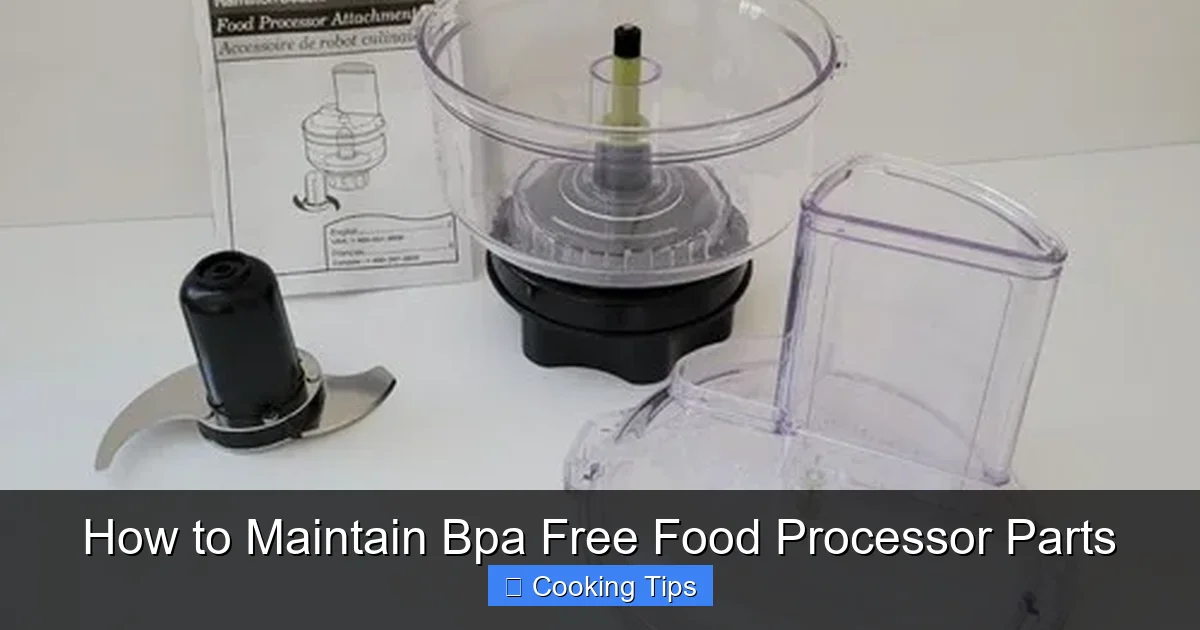
Extend the life of your BPA-free food processor by mastering its maintenance. This guide offers comprehensive instructions on cleaning, drying, storing, and troubleshooting, ensuring your appliance remains in peak performance for all your culinary needs. Proper care prevents damage and keeps your food processor safe and effective for years to come.
Key Takeaways
- Gentle Cleaning is Key: Always use a soft sponge or cloth with mild dish soap for most parts to avoid scratches and damage.
- Avoid Harsh Chemicals: Never use abrasive cleaners, scouring pads, or bleach on your BPA-free food processor parts, as they can degrade the plastic and compromise safety.
- Thorough Drying Prevents Mold: Ensure all parts are completely dry before reassembling or storing to prevent the growth of mold and mildew.
- Proper Storage Protects: Store disassembled parts in a dry place, ideally in their original packaging or a dedicated container, to prevent dust accumulation and damage.
- Blade Care is Crucial: Handle sharp blades with extreme caution. Wash them separately and ensure they are dry and stored safely to maintain their sharpness and prevent accidents.
- Address Stains Promptly: For stubborn stains, use baking soda paste or a gentle vinegar solution, but always test in an inconspicuous area first.
How to Maintain Bpa Free Food Processor Parts
A food processor is a culinary workhorse, streamlining countless kitchen tasks from chopping onions to making pesto. As more kitchens embrace BPA-free options for health and safety, understanding how to properly maintain these parts is crucial for their longevity and your peace of mind. This guide will walk you through everything you need to know to keep your BPA-free food processor running smoothly and safely for years to come. We’ll cover everything from daily cleaning to long-term storage, ensuring you get the most out of your appliance.
Understanding BPA-Free Materials
Before diving into maintenance, it’s helpful to understand what “BPA-free” signifies. Bisphenol A (BPA) is an industrial chemical used in the manufacturing of certain plastics. Many consumers opt for BPA-free products to avoid potential health concerns associated with BPA. BPA-free plastics, often made from materials like polypropylene (PP) or high-impact polystyrene (HIPS), are generally safe for food contact. However, like all plastics, they can still be susceptible to damage from extreme temperatures, harsh chemicals, and abrasive cleaning. Proper care ensures these materials remain intact and free from degradation.
Daily Cleaning: The Foundation of Good Maintenance
The most important aspect of maintaining your BPA-free food processor is consistent, daily cleaning. This prevents food residue from hardening, staining, or developing odors.
Washing the Bowl, Lid, and Pusher
After each use, disassemble your food processor. The bowl, lid, and food pusher are typically the most soiled parts. Most manufacturers recommend washing these components in warm, soapy water.
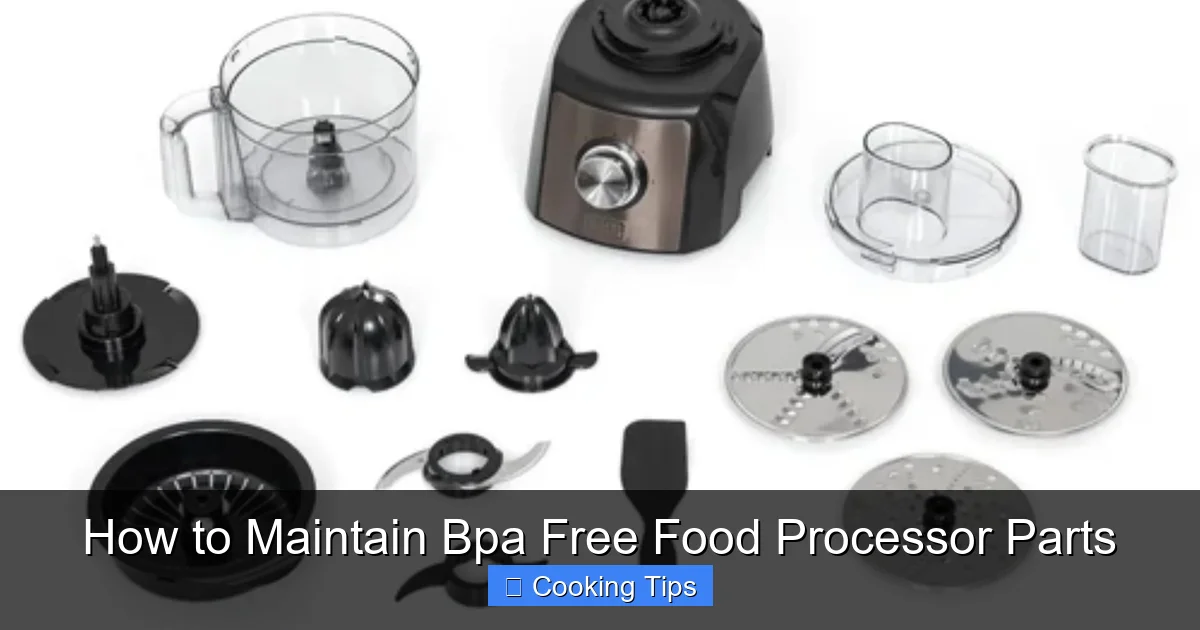
Visual guide about How to Maintain Bpa Free Food Processor Parts
Image source: storables.com
- Use Mild Dish Soap: Apply a small amount of mild dish soap to a soft sponge or cloth.
- Gentle Scrubbing: Gently scrub the inside and outside of the bowl, the lid, and the food pusher. Pay attention to any nooks and crannies where food might have accumulated.
- Rinse Thoroughly: Rinse all parts thoroughly with clean, warm water to remove all soap residue. Soap residue can affect the taste of your food.
Cleaning the Blades and Discs
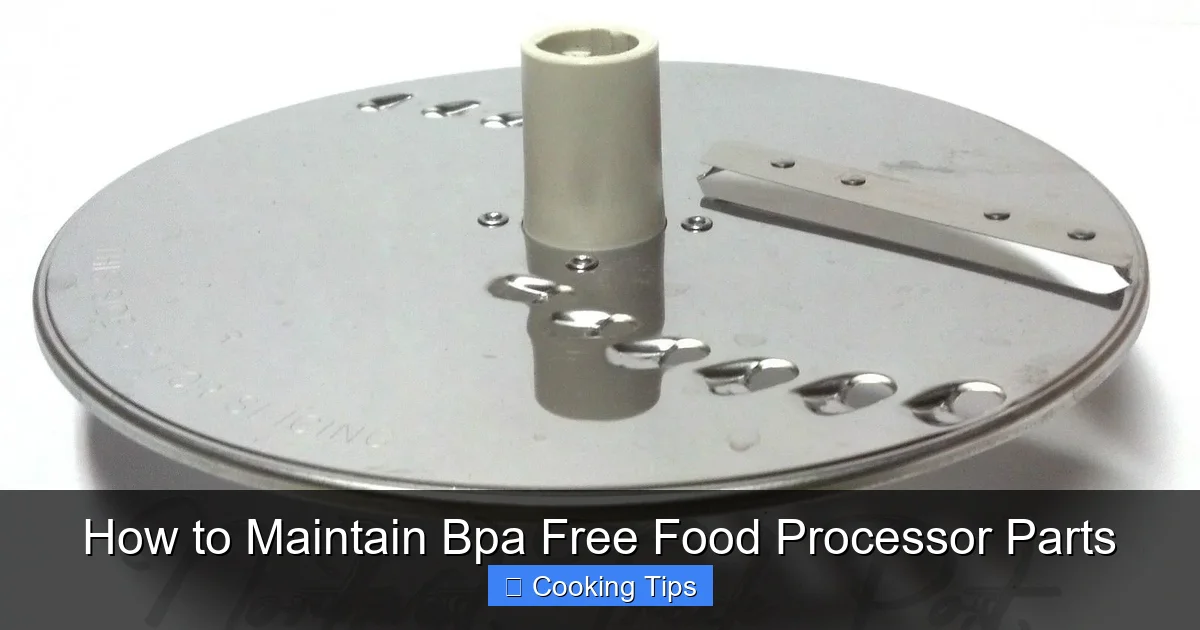
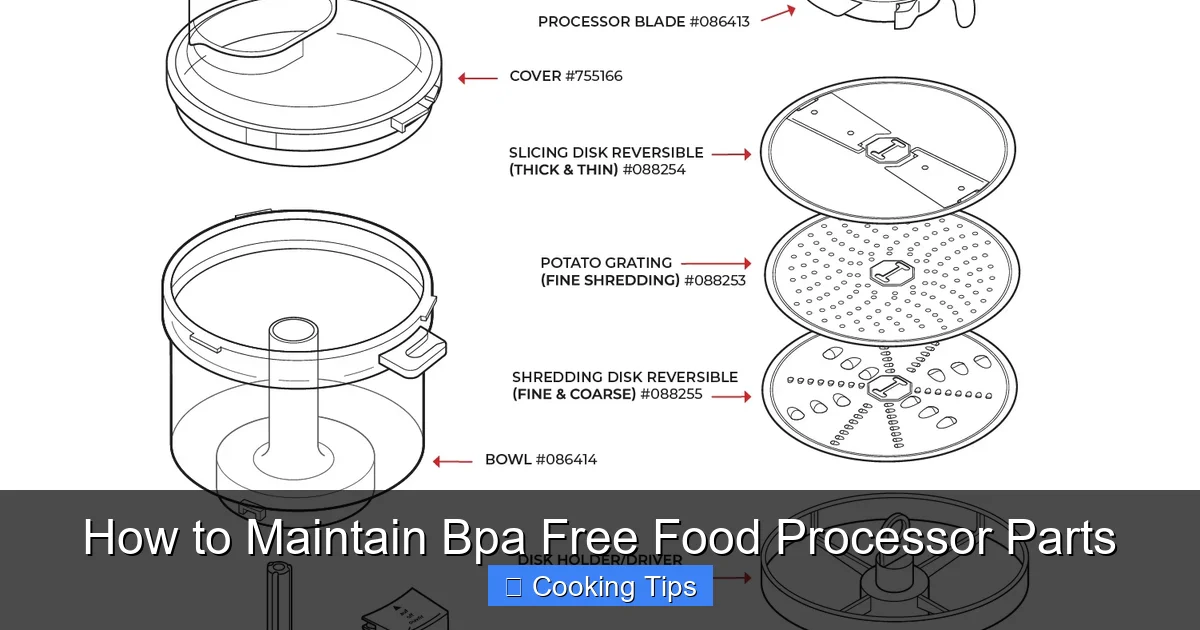
The blades and discs are the sharpest components and require special attention for both safety and performance.
- Handle with Extreme Care: Always grasp the blades and discs by their plastic or central hub to avoid direct contact with the sharp edges.
- Wash Separately: It’s often best to wash blades and discs separately from the main bowl to prevent accidental cuts and ensure all surfaces are cleaned.
- Use a Soft Brush: A soft-bristled brush, like a dish brush or an old toothbrush, can be very effective for cleaning around the blades and holes in discs without risking cuts.
- Avoid the Dishwasher (Usually): While some manufacturers may state their blades are dishwasher safe, it’s generally recommended to hand wash them. High heat and harsh detergents in dishwashers can dull the blades over time and potentially damage the plastic components.
Cleaning the Motor Base
The motor base is the electrical heart of your food processor and should never be submerged in water.
- Wipe Down: Unplug the food processor. Use a damp, not wet, cloth to wipe down the exterior of the motor base.
- Avoid Water Entry: Ensure no water seeps into any openings or vents, as this can damage the motor.
- Stubborn Spots: For any stubborn food splatters on the base, slightly dampen your cloth with water and mild soap. Wipe clean and then with a dry cloth.
Drying: The Crucial Step for Longevity
Thorough drying is as vital as cleaning. Moisture left on plastic parts can lead to the growth of mold and mildew, which is not only unhygienic but can also damage the material over time.
Air Drying vs. Towel Drying
- Air Drying: The best method is to let all parts air dry completely. Assemble the parts loosely (e.g., place the bowl upside down on a drying rack with the lid slightly ajar) to allow air circulation.
- Towel Drying: If you need to use the food processor sooner, you can gently towel dry the parts with a clean, lint-free dish towel. Ensure you reach all crevices and edges. Pay extra attention to drying the blades and discs thoroughly.
Deeper Cleaning and Stain Removal
Occasionally, you might encounter stubborn stains or lingering odors, especially after processing strong-colored foods like tomatoes, turmeric, or berries.
Tackling Stains
For minor stains on the BPA-free plastic, a paste of baking soda and water can work wonders.
Visual guide about How to Maintain Bpa Free Food Processor Parts
Image source: i.ebayimg.com
Visual guide about How to Maintain Bpa Free Food Processor Parts
Image source: nutrimill.com
- Make a Paste: Mix baking soda with a little water to form a thick paste.
- Apply and Let Sit: Apply the paste to the stained areas and let it sit for 15-30 minutes.
- Gentle Scrub: Gently scrub the area with a soft sponge or cloth.
- Rinse and Dry: Rinse thoroughly and dry as usual.
For more persistent stains or odors, a dilute vinegar solution can be helpful. Mix equal parts white vinegar and water, soak the affected parts (excluding the motor base) for about 30 minutes, then wash and dry them as usual. Always rinse very well after using vinegar to remove any lingering scent.
Deodorizing
If your food processor has developed an unpleasant odor:
- Citrus Power: Place a few lemon or orange peels inside the clean, dry bowl. Let them sit for a few hours or overnight. The citrus oils can help absorb odors.
- Baking Soda: Similar to stain removal, a bowl of dry baking soda placed inside the food processor overnight can also absorb lingering smells.
Storage: Protecting Your Investment
Proper storage is essential to prevent damage and keep your food processor ready for its next use.
Where to Store
- Dry Location: Always store your food processor and its parts in a dry environment to prevent moisture damage and mold growth.
- Assembly or Disassembly: You can store the food processor assembled, or disassembled. If you store it assembled, ensure the bowl is clean and completely dry. If storing disassembled, it helps protect the blades and prevent dust accumulation.
Organizing Parts
To avoid losing small parts like blades, discs, or gaskets, consider these storage solutions:
- Original Packaging: If you still have the original box, it often has compartments designed for specific parts.
- Storage Containers: Use dedicated plastic containers or drawer organizers to keep blades, discs, and other accessories together and safe.
- Blade Covers: Many food processors come with blade covers. Always use these when storing blades to prevent accidental cuts and protect the sharp edges.
Troubleshooting Common Issues
Even with diligent maintenance, you might encounter minor issues.
Uneven Chopping or Processing
This can sometimes be due to improper loading or a dull blade.
- Load Properly: Ensure you’re not overloading the bowl. Cut larger ingredients into smaller, uniform pieces before processing.
- Check Blade Sharpness: If your blades seem dull, it might be time to consider replacing them, especially if they are non-sharpenable.
Leaking
A leaking food processor can be frustrating.
- Check Gaskets and Seals: Ensure the lid is properly sealed and that any gaskets or seals are in place and in good condition.
- Don’t Overfill: Avoid filling the bowl beyond the maximum fill line indicated by the manufacturer.
Strange Noises
New or unusual noises can be concerning.
- Check Assembly: Ensure all parts are correctly assembled and locked into place.
- Foreign Objects: Sometimes, a small piece of food can get lodged in the mechanism. Unplug and carefully inspect.
When to Replace Parts
Even with the best care, parts can wear out.
- Visible Damage: If you notice cracks, deep scratches, or warping in the plastic parts, it’s time to replace them.
- Dull Blades: For blades that can’t be sharpened or are visibly damaged, replacement is necessary for optimal performance.
- Worn Seals: If seals are no longer creating a tight fit, leading to leaks, they should be replaced.
Always refer to your food processor’s manual for specific replacement part information.
Conclusion
Maintaining your BPA-free food processor parts is a straightforward process that pays dividends in terms of appliance longevity, food safety, and consistent performance. By incorporating gentle cleaning, thorough drying, and mindful storage into your routine, you can ensure your kitchen companion remains a reliable tool for years to come. Remember to always handle sharp components with care and refer to your manufacturer’s instructions for any specific guidance related to your model. Enjoy effortless food preparation with a well-cared-for food processor!
