

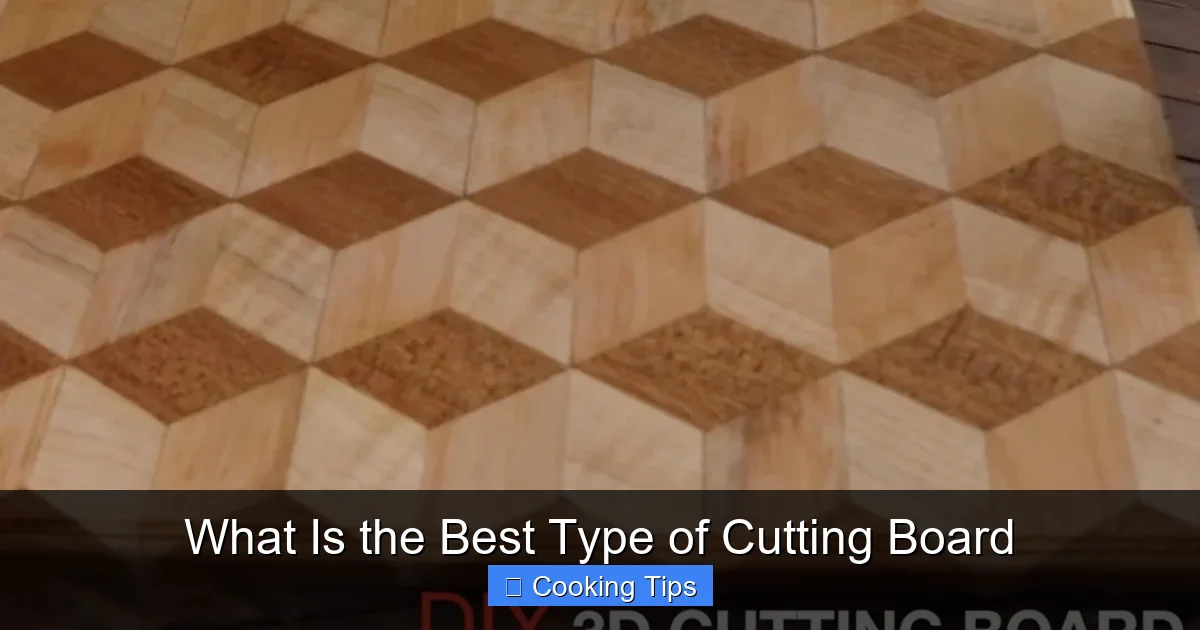
Choosing the right cutting board is crucial for a safe and enjoyable cooking experience. This comprehensive guide delves into the pros and cons of various materials, including wood, plastic, bamboo, and composite boards. Learn how to select the best type based on your needs, from knife-friendliness and hygiene to durability and maintenance. Invest wisely in a cutting board that will serve you well for years to come.
So, you’re in the kitchen, ready to whip up a culinary masterpiece. You reach for your knife, and then you pause, looking at that stack of cutting boards. Which one should you use? It might seem like a small decision, but the type of cutting board you choose can impact your knife’s sharpness, your food’s safety, and even the overall efficiency of your cooking.
This guide is here to help you navigate the world of cutting boards. We’ll explore the different materials available, weigh their pros and cons, and help you determine what is the best type of cutting board for your specific needs and cooking style. By the end of this guide, you’ll feel confident in your cutting board selection, ensuring a safer, more enjoyable, and more effective time in the kitchen.
Key Takeaways
- Wood cutting boards (maple, cherry, walnut) are excellent for knives, offering a self-healing surface that is gentle on blades and minimizes scoring. They are also aesthetically pleasing.
- Plastic cutting boards are highly hygienic and dishwasher-safe, making them a good choice for preventing cross-contamination, especially when dealing with raw meats and poultry.
- Bamboo cutting boards offer a good balance of durability and sustainability, being harder than many woods and naturally antimicrobial. However, they can be tougher on knife edges.
- Composite cutting boards are engineered for durability and low maintenance, often being dishwasher-safe and resistant to staining and warping, though they might not be as knife-friendly as wood.
- Consider your primary use: If you chop a lot of meat, a plastic board is ideal. For general prep and preventing knife damage, wood or composite might be better.
- Maintenance is key to longevity: Proper cleaning, oiling (for wood), and sanitizing will ensure your cutting board lasts and remains hygienic.
- Always have multiple boards: Using separate boards for raw meats and ready-to-eat foods is a crucial food safety practice.
Understanding Cutting Board Materials
The “best” cutting board isn’t a one-size-fits-all answer. It depends on what you value most: knife longevity, hygiene, durability, sustainability, or aesthetics. Let’s break down the most common types:
1. Wood Cutting Boards: The Classic Choice
Visual guide about What Is the Best Type of Cutting Board
Image source: lzd-img-global.slatic.net
Wood has been the go-to material for cutting boards for centuries, and for good reason. Its natural beauty and functional properties make it a favorite among home cooks and professional chefs alike.
Types of Wood Cutting Boards
* Hardwoods: These are the most popular choices.
* Maple: A dense, durable hardwood that’s relatively gentle on knives. It’s non-porous, meaning it absorbs less moisture and is less likely to harbor bacteria. It’s also quite attractive.
* Cherry: Similar to maple in hardness and knife-friendliness, cherry wood has a beautiful rich color that darkens with age.
* Walnut: A bit softer than maple, but still a great choice. It has a gorgeous deep, dark color, making it a standout in any kitchen.
* Teak: Known for its natural oils, which make it water-resistant and durable. It’s a good option, though it can be pricier.
* Softwoods (like pine): These are generally not recommended for cutting boards. They are too soft, meaning knives will easily gouge them, creating deep scratches that harbor bacteria and are hard to clean.
Pros of Wood Cutting Boards
* Knife-Friendly: This is perhaps the biggest advantage. The natural fibers in wood have a slight give, which helps to preserve the sharpness of your knives. Your blades will stay sharper for longer compared to cutting on materials like glass or hard plastic.
* Self-Healing Properties: Minor cuts and scratches on a wood board can actually “heal” over time. The wood fibers can close up, making them less prone to deep, bacteria-harboring grooves.
* Aesthetically Pleasing: Wood cutting boards add warmth and a touch of elegance to any kitchen countertop. Many people enjoy displaying their beautiful wood boards.
* Naturally Antimicrobial (to a degree): While not entirely germ-proof, some woods contain natural compounds that can inhibit bacterial growth.
Cons of Wood Cutting Boards
* Maintenance Required: Wood needs regular care. It needs to be hand-washed (never put in the dishwasher) and dried thoroughly. To prevent drying out and cracking, it should be oiled periodically with food-grade mineral oil or a specialized cutting board conditioner.
* Can Absorb Stains and Odors: While dense hardwoods are less porous, strong-smelling foods like garlic or onions, and intensely colored foods like beets, can leave their mark.
* Potential for Bacteria if not Maintained: If deep grooves are allowed to form or if the board is not cleaned and dried properly, bacteria can indeed be a concern.
When to Choose Wood
Wood cutting boards are excellent for general-purpose chopping, slicing fruits and vegetables, and dicing herbs. If you’re passionate about keeping your knives in top condition, a good quality hardwood board is an investment worth making.
2. Plastic Cutting Boards: The Hygienic Champion
Visual guide about What Is the Best Type of Cutting Board
Image source: images.nexusapp.co
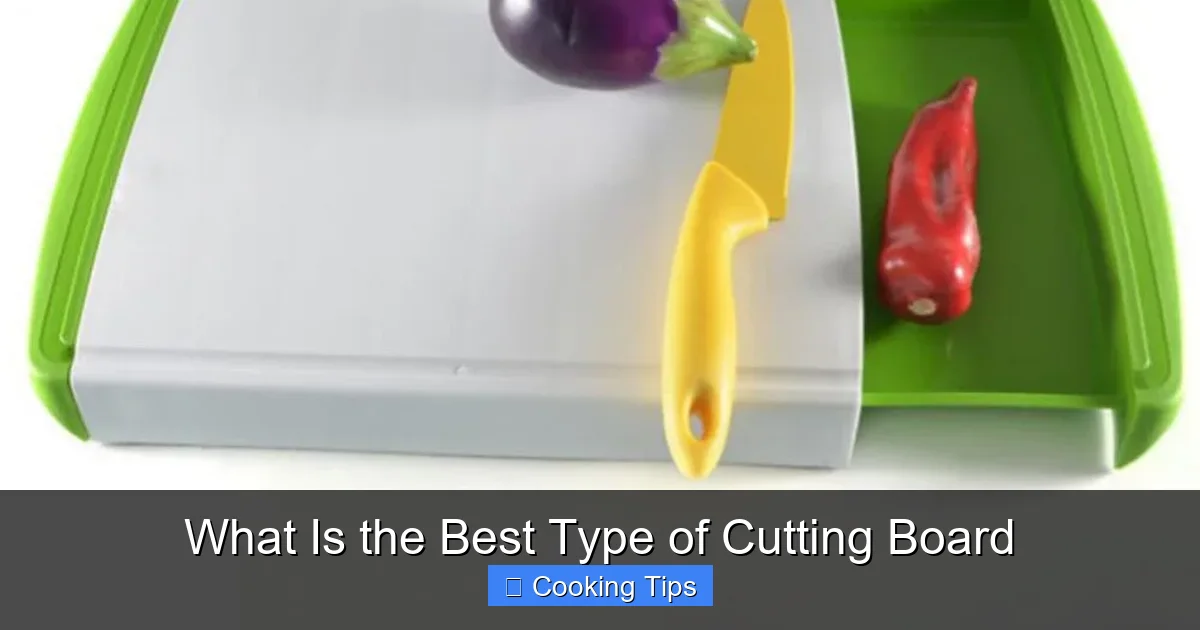
Plastic cutting boards have gained popularity, primarily due to their ease of cleaning and perceived hygiene benefits. They are often seen as a more modern alternative to wood.
Types of Plastic Cutting Boards
* Polyethylene (PE): This is the most common type of plastic used for cutting boards. It’s durable, non-porous, and relatively affordable.
* Polypropylene (PP): Similar to polyethylene but often a bit more rigid.
Pros of Plastic Cutting Boards
* Dishwasher Safe: This is a major selling point. You can simply toss them in the dishwasher on a hot cycle, which effectively sanitizes them.
* Easy to Clean: Even without a dishwasher, they are simple to wash with soap and hot water.
* **Non-Porous:** Plastic doesn’t absorb liquids as much as wood, which can reduce the risk of bacterial growth and staining.
* Color-Coding Options: Many plastic boards come in different colors, allowing you to designate specific boards for different food types (e.g., red for raw meat, green for vegetables), which is a great food safety practice.
Cons of Plastic Cutting Boards
* **Tough on Knives:** Plastic is generally harder than wood, which means it will dull your knives more quickly. You’ll find yourself sharpening your knives more often.
* **Can Get Scratched Deeply:** While they don’t absorb as much, plastic boards can get deep knife marks. These grooves can be harder to clean thoroughly and can harbor bacteria if not sanitized properly.
* **Environmental Concerns:** Most plastic cutting boards are made from petroleum, and their production and disposal can have environmental impacts.
When to Choose Plastic
Plastic cutting boards are a superb choice for handling raw meats, poultry, and fish. Their dishwasher-safe nature makes them ideal for preventing cross-contamination between raw ingredients and other foods. They are also a good option for busy kitchens where quick, thorough cleaning is a priority.
3. Bamboo Cutting Boards: The Sustainable Blend
Visual guide about What Is the Best Type of Cutting Board
Image source: images.nexusapp.co
Bamboo cutting boards are often marketed as a green and eco-friendly option. They offer a unique set of characteristics that make them appealing to many.
Pros of Bamboo Cutting Boards
* Sustainable Resource: Bamboo is a fast-growing grass, making it a renewable and environmentally friendly material.
* Naturally Antimicrobial: Bamboo contains natural properties that help resist bacteria.
* Durable: Bamboo is harder than many hardwoods, making it quite resistant to scratches and wear.
* **Aesthetically Pleasing:** Bamboo has a warm, natural look that complements many kitchen styles.
Cons of Bamboo Cutting Boards
* **Hard on Knives:** Due to its hardness, bamboo can dull knife edges faster than softer woods like maple.
* **Can Warp or Crack:** Like wood, bamboo is susceptible to warping or cracking if not cared for properly. It should be hand-washed and dried thoroughly.
* **May Not Be as “Self-Healing” as Wood:** While durable, deep scratches might not recover as readily as they would on certain hardwoods.
When to Choose Bamboo
Bamboo cutting boards are a good compromise if you’re looking for a sustainable option that’s also durable. They work well for general chopping and slicing, but if knife longevity is your absolute top priority, you might lean towards a softer hardwood.
4. Composite Cutting Boards: The Modern Workhorse
Composite cutting boards are a newer category, made from materials like wood fibers and resins compressed together under high heat and pressure. They aim to offer the best of multiple worlds.
Pros of Composite Cutting Boards
* **Durable and Non-Porous:** They are designed to be highly resistant to stains, odors, and moisture.
* **Dishwasher Safe:** Many composite boards can be safely cleaned in the dishwasher.
* **Low Maintenance:** They require less special care than traditional wood boards.
* **Resistant to Warping and Cracking:** Their construction makes them very stable.
Cons of Composite Cutting Boards
* **Can Be Hard on Knives:** Depending on the specific composition, some composite boards can be tougher on knife edges than softwoods.
* **Less Natural Aesthetic:** While they can mimic wood grains, they don’t have the same natural warmth or unique character as solid wood.
When to Choose Composite
Composite boards are excellent for busy cooks who need a durable, hygienic, and low-maintenance option that can handle frequent use and washing. They are a good all-rounder if you want the benefits of plastic’s hygiene with the look and feel of a more substantial board.
5. Other Materials (Less Common or Recommended)
* Glass Cutting Boards: While very easy to clean and non-porous, glass is extremely hard and will dull your knives very quickly. It’s also noisy and can be slippery. Best avoided for regular use.
* Metal Cutting Boards: Similar to glass, metal is very hard on knives and not recommended for general cutting.
How to Choose the Best Cutting Board for You
Now that you understand the options, let’s consider the factors that will help you make the right choice.
Factor 1: Your Cooking Habits
* Frequent Meat Prep: If you’re often butchering chicken, cutting raw steaks, or filleting fish, a plastic board (or multiple color-coded plastic boards) is ideal for hygiene and easy sanitization.
* Lots of Veggies and Fruits: For produce, a nice hardwood board is excellent, as it’s gentle on your knives and looks great.
* General All-Purpose Use: A good quality hardwood or a well-made composite board can serve you well for most tasks.
* **Pastry Making:** For delicate pastry work, you might want a stable, heavy board. A thicker wood or composite board works well.
Factor 2: Knife Care
If you invest in good quality knives and want to keep them sharp for as long as possible, prioritize softer materials. Hardwoods like maple, cherry, and walnut are your best friends here.
Factor 3: Kitchen Hygiene
For maximum hygiene, especially if you have children or immunocompromised individuals in the home, consider having dedicated boards. A plastic board for raw meats and a separate wood or composite board for everything else is a smart strategy. The ability to put a board in the dishwasher is a significant plus for hygiene-conscious cooks.
Factor 4: Maintenance and Durability
Are you willing to commit to regular oiling and hand-washing for a wood board? Or do you prefer the “set it and forget it” ease of a dishwasher-safe plastic or composite board? Consider how much time and effort you want to dedicate to upkeep. For durability, look for thicker boards, regardless of material.
Factor 5: Aesthetics and Counter Space
Do you want a cutting board that doubles as a serving piece or a beautiful kitchen accessory? Wood and bamboo boards often excel here. Also, consider the size of your countertops and the amount of prep space you need.
Essential Cutting Board Maintenance Tips
No matter what type of cutting board you choose, proper care is essential for its longevity, hygiene, and performance.
For Wood and Bamboo Boards:
1. Hand Wash Only: Never put wood or bamboo boards in the dishwasher. The harsh detergents and high heat can cause them to warp, crack, and become unhygienic.
2. Wash Promptly: Clean your board right after use with warm water and mild soap.
3. Dry Thoroughly: After washing, immediately wipe the board dry with a clean towel. It’s also a good idea to let it air dry standing on its edge to ensure all sides are exposed to air.
4. Sanitize (Occasionally): For a deeper clean, you can use a solution of white vinegar and water or a mild bleach solution (1 tablespoon bleach per gallon of water), rinse well, and dry thoroughly. Some people also use hydrogen peroxide.
5. Oil Regularly: This is crucial for wood and bamboo. Once a month, or whenever the board looks dry, apply a generous coat of food-grade mineral oil (available at most pharmacies or kitchen stores) or a specialized cutting board conditioner. Let it soak in for a few hours, then wipe off any excess. This keeps the wood hydrated, prevents drying and cracking, and makes it more resistant to stains and odors.
For Plastic and Composite Boards:
1. Dishwasher Safe is Best: If your board is dishwasher safe, use it! This is the easiest and most effective way to sanitize it.
2. Hand Wash if Not Dishwasher Safe: Wash with hot water and dish soap.
3. Sanitize: Even after washing, you can use a spray bottle with a diluted bleach solution or a disinfectant spray meant for kitchen surfaces. Rinse thoroughly.
4. Replace When Heavily Scored: Plastic boards with deep, numerous cuts are difficult to sanitize properly. It’s best to replace them to maintain food safety.
Troubleshooting Common Cutting Board Issues
* My wood board has a stubborn stain:** Try making a paste of baking soda and water. Apply it to the stain, let it sit for a few minutes, then scrub gently with a damp cloth. Rinse and dry.
* My board smells like onions:** Rub half a lemon over the surface, let it sit for a few minutes, then rinse and dry. The acidity of the lemon helps neutralize odors.
* My plastic board is covered in knife marks:** While you can’t un-score it, you can extend its life by diligent sanitizing. However, remember that heavily scored plastic should be replaced for safety.
* My wood board is warped:** Sometimes, warping can be reversed by letting the board dry properly, standing on its edge. If it’s severe, it may be difficult to fix. Prevention through proper drying and oiling is key.
Conclusion: Your Cutting Board, Your Kitchen’s Foundation
Choosing the best type of cutting board is a thoughtful decision that impacts your daily cooking. While there’s no single “perfect” board for everyone, understanding the strengths and weaknesses of wood, plastic, bamboo, and composite materials empowers you to make an informed choice.
For knife enthusiasts and those who appreciate natural beauty, a high-quality hardwood board is a timeless investment. For maximum hygiene and ease of cleaning, especially with raw meats, plastic boards are indispensable. Bamboo offers a sustainable and durable middle ground, while composite boards provide modern convenience and resilience.
Ultimately, the best approach for many kitchens is to have a variety of cutting boards. A dedicated plastic board for raw proteins and a beautiful wood or composite board for everything else can provide the ideal balance of safety, performance, and aesthetics. No matter your choice, remember that proper care and maintenance are crucial for ensuring your cutting board remains a safe and reliable workhorse in your kitchen for years to come. Happy chopping!
